
Short Answer
Picture this: a prickly paradox of botanical brilliance, a cactus so audacious it wears its ribs like armor and blooms in defiance of the desert’s harshest whims. Meet Gymnocalycium, the genus of globular green rebels that have captured the hearts of plant whisperers worldwide. But here’s the twist—what if we told you that beneath those spiky exteriors lies a secret so tantalizing, it could redefine your propagation game? The question lingers like a desert mirage: Can you propagate Gymnocalycium from cuttings? Strap in, because we’re about to unravel a tale of resilience, botanical ingenuity, and the occasional thorny setback.
The Myth and the Mystery: What Even *Is* Gymnocalycium?
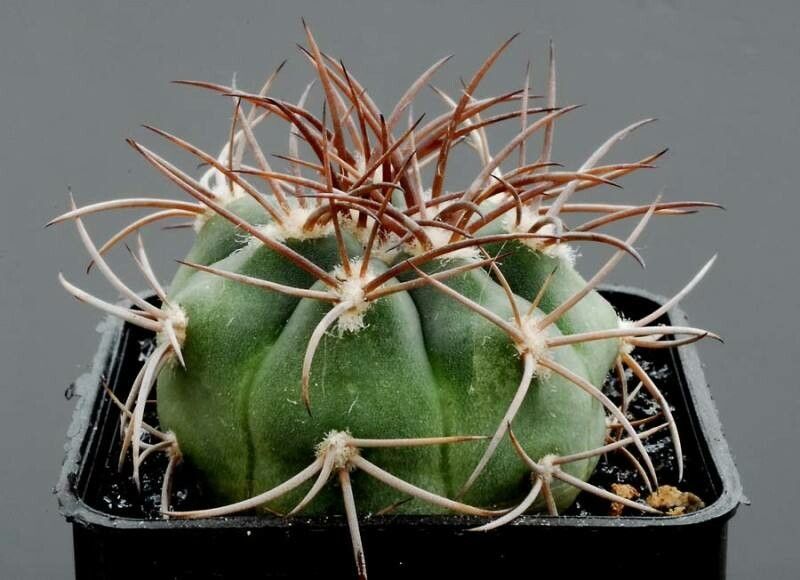
Before we dive into the propagation pool, let’s acquaint ourselves with our star. Gymnocalycium—a name that rolls off the tongue like a desert wind—belongs to the Cactaceae family, a clan of succulents that have mastered the art of thriving where others wither. Native to South America’s sunbaked landscapes, these cacti are the ultimate survivors, flaunting ribbed, spherical bodies and flowers that burst forth like confetti at a botanical fiesta. But here’s the kicker: not all Gymnocalycium species are created equal. Some are the poster children of ease, while others? Well, they’re the divas of the dirt world, demanding patience and a dash of stubbornness.
The genus name itself is a linguistic treasure, derived from Greek—gymnos meaning “naked” and kalyx for “bud.” A nod to their bare, unadorned flower buds, perhaps, or a sly reference to their no-nonsense attitude toward life. Whatever the etymology, one thing’s clear: these cacti don’t do frills. They do survival, and they do it with a flourish.
Propagation by Cuttings: The Alluring Temptation
Ah, cuttings—the plant world’s version of cloning, a way to cheat death (or at least, the need to buy another plant). For many succulents, this method is as straightforward as snipping a stem and watching roots sprout like magic. But Gymnocalycium? Oh, it’s playing hard to get. The idea of propagating these cacti from cuttings is like trying to coax a cat into a bath—technically possible, but why would you risk it when there are easier paths?
Here’s the rub: most Gymnocalycium species aren’t big fans of being sliced and diced. Unlike their more obliging cousins, like Echeveria or Sedum, which practically root from the sheer willpower of your intentions, Gymnocalycium tends to throw a botanical tantrum when faced with such aggression. Their natural propagation method of choice? Seeds. Or offsets, if they’re feeling generous. Cuttings? That’s like asking a desert tortoise to sprint a marathon.
But—and this is a *big* but—where there’s a will, there’s a way. Some determined growers have reported success with cuttings, though it’s often a case of trial, error, and a healthy dose of luck. The key? Timing, technique, and a prayer to the cactus gods. More on that later.
The Thorny Truth: Why Cuttings Are a Gamble
Let’s talk about the elephant in the room—or rather, the cactus on the windowsill. Propagating Gymnocalycium from cuttings is a high-stakes game, and the odds aren’t exactly in your favor. Why? Because these plants are wired to prioritize survival above all else. Their natural habitats are unforgiving, so they’ve evolved to reproduce in ways that maximize their chances of sticking around. For most species, that means seeds or offsets, not cuttings.
When you snip a piece of a Gymnocalycium, you’re essentially asking it to perform a biological Hail Mary. The cut surface is a wound, a vulnerability, and the plant’s first instinct is to seal it up—not to grow roots. Unlike monocots or herbaceous plants, which can rally and root from almost any part of their anatomy, cacti like Gymnocalycium are built for drought, not dissection. Their tissues are dense, their moisture reserves locked away like a miser’s gold. Cutting them is like poking a bear—you might get away with it, but you’re playing with fire.
And then there’s the issue of rot. Cacti and dampness are a toxic mix. A cutting that’s too wet, too soon, or too exposed to humidity is a one-way ticket to Fungal City. The plant’s natural defenses against rot are minimal, so any misstep in the propagation process can spell disaster. It’s a delicate dance, one that requires precision, patience, and a willingness to accept that sometimes, the cactus wins.
The Offbeat Alternative: Offsets and Seeds
If cuttings are the high-risk, high-reward gamble of the Gymnocalycium world, then offsets and seeds are the steady, reliable workhorses. These are the methods that seasoned growers swear by, the paths of least resistance in a landscape of botanical unpredictability.
Offsets, for instance, are the plant equivalent of cloning. Many Gymnocalycium species produce offsets—smaller versions of themselves that sprout from the base or sides of the parent plant. These can be carefully removed (with a sterilized knife, of course) and potted up, where they’ll root with far less drama than a cutting. It’s like adopting a mini-me, a tiny green doppelgänger that’s already halfway to adulthood.
Seeds, on the other hand, are the slow-and-steady route. They require patience, a steady hand, and a tolerance for waiting. But the payoff? A batch of baby cacti that are uniquely yours, grown from scratch. It’s a labor of love, a testament to the grower’s dedication. Plus, seeds offer the thrill of surprise—who knows what genetic quirks or vibrant blooms might emerge from your little green experiment?
So why bother with cuttings at all? For the adventurous, the masochistic, or the simply curious. Propagating Gymnocalycium from cuttings is less about practicality and more about the challenge—the thrill of defying expectations, of coaxing life from a plant that wasn’t designed to give it up so easily.
Mastering the Art: A Cuttings Guide (If You Dare)
Alright, fine. You’re still here. You’re still convinced that cuttings are the way to go. Maybe you’re a rebel. Maybe you’re just stubborn. Either way, if you’re going to attempt this botanical heist, you’d better do it right. Here’s your step-by-step guide to giving Gymnocalycium cuttings a fighting chance.
Step 1: Choose Your Victim (I Mean, Specimen)
Not all Gymnocalycium are created equal when it comes to cuttings. Some species, like G. mihanovichii or G. baldianum, are slightly more amenable to the process. Look for a healthy, mature plant with no signs of stress or disease. Avoid young or etiolated (stretched-out) specimens—they’re already struggling, and you don’t want to pile on.
Step 2: The Snip Heard ‘Round the World
Use a sterilized knife or pair of scissors to make a clean cut. Aim for a section of the plant that’s at least an inch or two long, with no soft or mushy spots. Let the cutting sit in a dry, shaded spot for a few days to callous over. This is crucial—planting a fresh cut is like inviting bacteria to a party, and nobody wants that.
Step 3: The Root of the Problem
Once calloused, dip the cut end in a rooting hormone (optional but helpful) and plant it in a well-draining mix. Cactus soil, perlite, and coarse sand are your best friends here. Bury the cut end just deep enough to keep it upright—about a quarter to a half-inch. Resist the urge to water immediately. Let the cutting sit for another week or two to acclimate.
Step 4: The Waiting Game
Now comes the hard part: patience. Place the cutting in bright, indirect light and resist the temptation to fuss over it. Water sparingly—just enough to keep the soil from turning into a desert wasteland, but not so much that it turns into a swamp. After a few weeks, give it a gentle tug. If it resists, congratulations! You’ve got roots. If it comes out like a loose tooth, back to the drawing board.
Step 5: The Aftercare Saga
Once rooted, treat your new Gymnocalycium like royalty. Gradually introduce it to more light, but avoid the harsh midday sun. Keep the soil dry for the first month or two, then water only when it’s bone dry. Fertilize sparingly—these plants aren’t big eaters. And above all, don’t overwater. Remember, you’re mimicking the desert, not a tropical rainforest.
The Final Verdict: To Cut or Not to Cut?
So, can you propagate Gymnocalycium from cuttings? Technically, yes. Practically? Maybe. Romantically? Absolutely. There’s something undeniably thrilling about defying the odds, about coaxing life from a plant that wasn’t designed to play along. But let’s be real—it’s not the most reliable method, and it’s certainly not the easiest. If you’re looking for a sure thing, offsets and seeds are your best bet. They’re the tortoise to cuttings’ hare, slow but steady, reliable but less flashy.
That said, if you’re the type who sees a challenge and grins, if you’re willing to embrace the occasional failure as part of the journey, then by all means, give cuttings a shot. Just don’t say we didn’t warn you. The desert doesn’t suffer fools, and neither do Gymnocalycium.
At the end of the day, whether you’re a seed-sower, an offset-diver, or a cutting-cultivator, the joy of Gymnocalycium lies in its resilience. These plants are survivors, thriving where others would wither. And isn’t that a lesson worth learning? In a world that often feels brittle and fragile, Gymnocalycium reminds us that strength comes in many forms—some of them prickly, some of them unexpected, but all of them extraordinary.
FAQ
Can Gymnocalycium be propagated from cuttings?
While it is possible, propagating Gymnocalycium from cuttings is challenging and generally not recommended due to their natural inclination to reproduce through seeds or offsets.
What are the best methods for propagating Gymnocalycium?
Offsets and seeds are recommended methods for propagating Gymnocalycium, as they tend to root more reliably than cuttings.
What species of Gymnocalycium are easier to propagate from cuttings?
Some species like G. mihanovichii and G. baldianum are reported to be slightly more amenable to propagation from cuttings.




Leave a Reply