
Short Answer
In the sun-drenched tapestry of Mediterranean landscapes, where the earth bakes under the relentless gaze of the Aegean sun and the wind carves stories into ancient olive trees, there exists a silent sentinel of resilience—the cactus. Often misperceived as an interloper from arid deserts, this spiky marvel has, with quiet tenacity, woven itself into the very fabric of Mediterranean horticulture, offering a paradoxical blend of harshness and harmony. Far from being a mere ornamental afterthought, the cactus has become a symbol of adaptation, a botanical alchemist transforming barren soils into living canvases of verdant defiance. Its role transcends mere aesthetics; it is a testament to nature’s ingenuity, a sculptural force that reshapes our perception of what thrives in the embrace of the Mediterranean sun.
The Cactus as a Sculptor of Light and Shadow
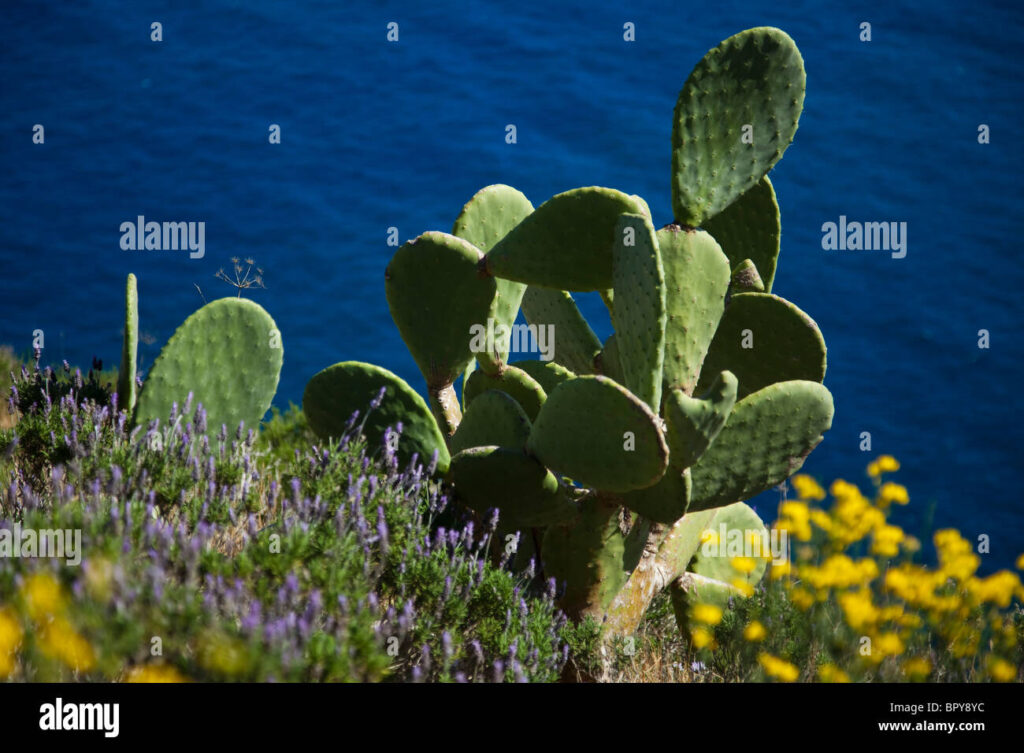
The Mediterranean sun is not a gentle caress but a sculptor’s chisel, etching sharp contrasts into the land. Here, the cactus thrives not in spite of the light but because of it, its ribbed and ridged forms acting as natural diffraction gratings that scatter sunlight into a symphony of dappled shadows. The Opuntia ficus-indica, with its paddle-like cladodes, casts intricate, ever-shifting patterns that dance across terracotta tiles and sun-bleached walls. This interplay is not merely visual but visceral—a reminder that beauty often emerges from the tension between illumination and obscurity. The cactus does not flee the glare; it absorbs it, refracts it, and transforms it into a living chiaroscuro that animates the landscape. In this way, it becomes more than a plant; it is a choreographer of light, orchestrating the daily ballet of sunrise and sunset with unerring precision.
The Thorn as a Metaphor: Defense and Allure
To speak of the cactus is to confront the paradox of its thorns—those needle-like sentinels that repel yet intrigue, wound yet fascinate. In Mediterranean gardens, the thorn is not a flaw but a narrative device, a story of survival etched into every spine. The Euphorbia characias, with its candelabra-like structure and toxic latex, warns predators with a visual shriek, yet its architectural grandeur makes it a centerpiece in drought-tolerant landscapes. The thorn, then, is a duality: a shield and a siren song. It teaches us that allure and danger are not antithetical but intertwined, much like the Mediterranean itself—a region where beauty and harshness coexist in an uneasy, intoxicating embrace. The cactus, in its thorned splendor, invites us to reconsider our definitions of both protection and desire.
The Cactus in the Garden of Resilience
Mediterranean soils are not forgiving. They are skeletal, parched, and often laced with the ghosts of ancient civilizations that once tilled them. Yet, the cactus thrives where others wither, its succulent tissues acting as reservoirs of life in a land where water is a fickle guest. The Agave americana, with its rosette of dagger-like leaves, is a living oasis, storing moisture in its fleshy core while its fibrous roots cling to the earth like the fingers of a drowning man grasping for salvation. This resilience is not passive endurance but an active defiance—a botanical rebellion against the tyranny of scarcity. In Mediterranean gardens, the cactus becomes a symbol of hope, a reminder that even in the most inhospitable of terrains, life will find a way to flourish. It is a horticultural mantra: adapt or perish, and the cactus has chosen to adapt with breathtaking audacity.
The Aromatic Alchemy of Cacti in Mediterranean Cuisine
Beyond the garden, the cactus has infiltrated the Mediterranean kitchen, its presence as much a part of the culinary landscape as olive oil and rosemary. The Opuntia pads, or nopales, are a staple in Sicilian and Greek dishes, their mucilaginous texture lending itself to salads, stews, and even candied delicacies. The fruit of the Opuntia ficus-indica, known as prickly pear, is a jewel-toned ambrosia, its sweetness a balm to the scorched palate of summer. Here, the cactus is not merely a survivor but a provider, its flavors a testament to the Mediterranean’s ability to extract abundance from adversity. The act of harvesting its fruit is a ritual, a dance with danger that yields not just sustenance but a profound connection to the land’s generosity. In every bite, there is a story of patience, of waiting for the right moment to pluck the fruit from its spiny embrace.
The Cactus in Myth and Modernity
The Mediterranean has always been a crossroads of myth and modernity, where the ancient whispers of gods and heroes still echo through olive groves and coastal cliffs. The cactus, too, has its place in this tapestry of legend. In some traditions, it is a guardian against evil, its spines warding off malevolent spirits that lurk in the shadows of the night. In others, it is a symbol of endurance, its ability to thrive in the face of drought mirroring the resilience of the people who call this land home. Today, the cactus has been reimagined as a harbinger of sustainability, a plant that aligns with the Mediterranean’s growing embrace of xeriscaping and eco-conscious gardening. It is no longer an outsider but a native son, a plant that has earned its place through sheer force of will. The cactus, in its quiet way, has become a bridge between the old world and the new, a living link to a past that refuses to be forgotten.
The Cactus as a Canvas for Artistic Expression
In the hands of Mediterranean gardeners and artists, the cactus becomes a medium for expression, a living sculpture that challenges our perceptions of form and function. The Cereus peruvianus, with its columnar growth habit, is often trained into spirals or zigzags, its geometric precision a counterpoint to the organic chaos of the surrounding landscape. Artists like Wolfgang Laib have used cactus juice as a pigment, creating ephemeral works that fade as quickly as they are made, a metaphor for the transient nature of beauty. Even in the humblest of gardens, the cactus is a muse, inspiring not just admiration but active participation in the act of creation. It teaches us that art is not confined to canvas or marble but can be found in the living, breathing world around us.
The Future of Cacti in Mediterranean Landscaping
As climate change tightens its grip on the Mediterranean, the cactus is poised to play an even more pivotal role in the region’s horticultural future. Its drought tolerance, low maintenance, and striking visual appeal make it an ideal candidate for the gardens of tomorrow, where water scarcity will dictate the rules of cultivation. The rise of xeriscaping—gardening with minimal irrigation—has elevated the cactus from a curiosity to a necessity, a plant that can transform urban balconies and rural estates alike into havens of green in a world that grows increasingly brown. The cactus, with its unassuming tenacity, is not just a survivor but a visionary, pointing the way toward a more sustainable and resilient future. In its spines and succulence, we see not just a plant but a blueprint for how to thrive in an uncertain world.
FAQ
What types of cacti are best for Mediterranean landscaping?
Cacti such as Opuntia and Agave are well-suited for Mediterranean landscapes due to their drought tolerance and aesthetic appeal.
How do cacti contribute to Mediterranean cuisine?
Cacti, particularly the pads and fruits of Opuntia, are used in various Mediterranean dishes, adding unique flavors and textures.


Leave a Reply