
Short Answer
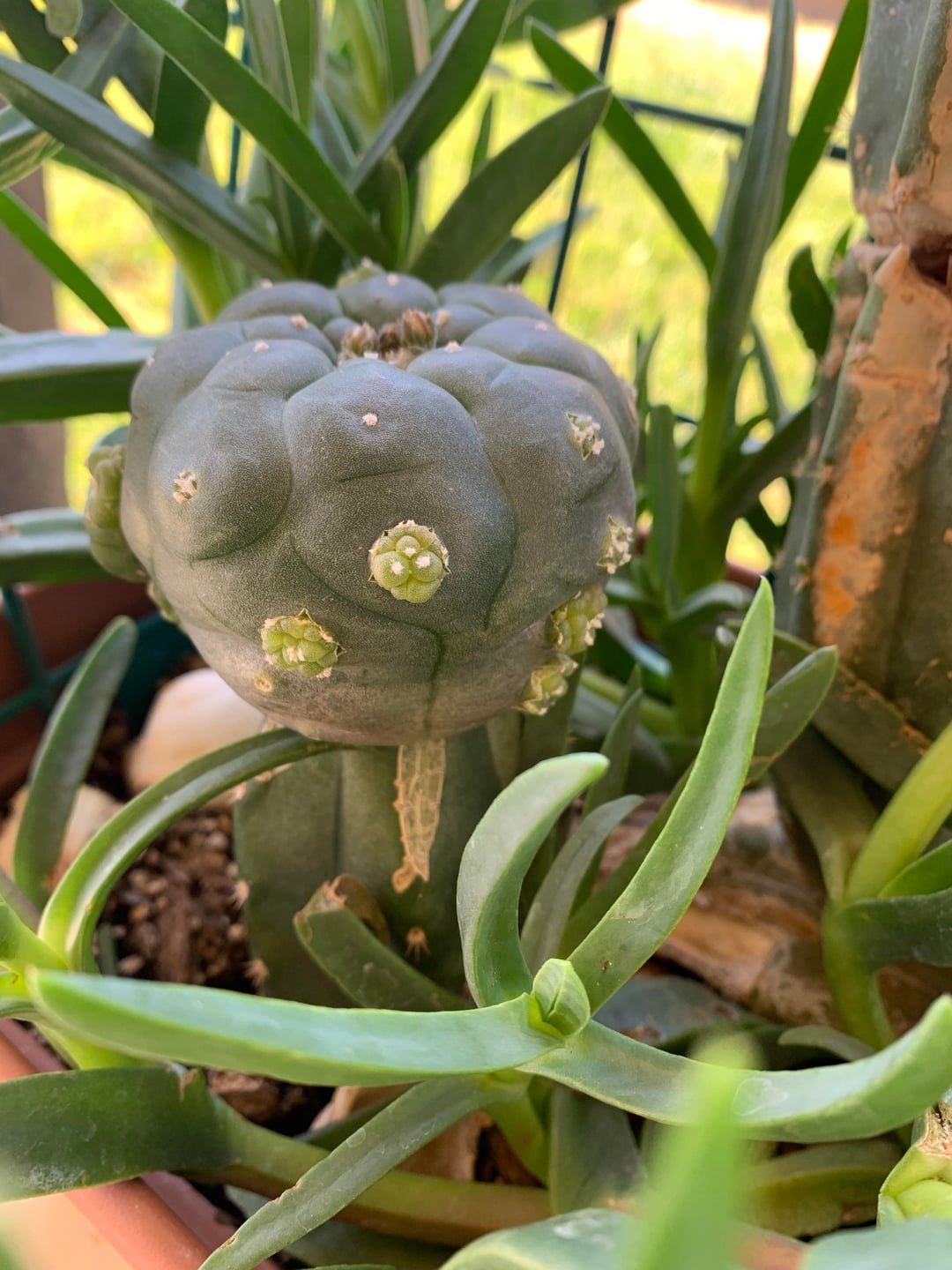
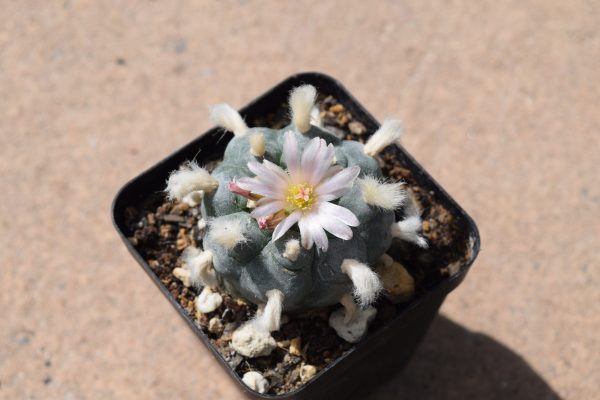
There’s something almost mystical about the moment a Lophophora—commonly known as the peyote cactus—unfurls its delicate, pale pink blossoms after years of patient growth. These rare blooms are not merely decorative; they are a testament to the resilience and quiet tenacity of nature. For enthusiasts and cultivators, coaxing these flowers from such an unassuming, slow-growing plant can feel like unlocking a secret. The journey to encourage flowering in Lophophora is less about force and more about harmony—aligning light, temperature, soil, and care into a rhythm that mimics the cactus’s native desert whispers. Whether you’re a seasoned collector or a curious newcomer, understanding the nuances of this process can transform your relationship with these enigmatic plants.
The Art of Mimicking the Desert: Light and Photoperiod Mastery
Lophophora thrives in the harsh, sun-drenched landscapes of northern Mexico and the southwestern United States, where daylight is abundant and unyielding. To replicate this in cultivation, light becomes the cornerstone of your strategy. These cacti demand intense, direct sunlight for at least six to eight hours daily, but they are not fans of the scorching midday rays without some respite. A south-facing windowsill in temperate climates or a greenhouse with sheer shading can strike the perfect balance. Artificial grow lights, particularly those emitting a spectrum rich in red and blue wavelengths, can supplement natural light, especially during shorter winter days. However, consistency is key—fluctuations in light exposure can disrupt the delicate hormonal cues that trigger flowering.
The concept of photoperiodism—the plant’s response to the duration of light exposure—plays a pivotal role. Lophophora is a long-day plant, meaning it requires extended periods of daylight to initiate blooming. In their natural habitat, they experience prolonged summer light cycles, which signal the plant to shift from vegetative growth to reproductive maturity. To harness this, aim for 14 to 16 hours of light per day during the growing season, gradually reducing this to 10 to 12 hours in autumn to mimic the waning days of the year. This seasonal shift can be the difference between a cactus that merely survives and one that thrives.
Temperature Fluctuations: The Subtle Dance of Heat and Chill
Desert nights are notoriously cool, even in the height of summer, and Lophophora has evolved to rely on these temperature differentials. A consistent day-night temperature swing of 10 to 15 degrees Fahrenheit (5 to 8 degrees Celsius) can significantly enhance flowering potential. During the growing season, daytime temperatures between 75°F and 90°F (24°C to 32°C) are ideal, while nighttime temperatures should dip to around 50°F to 60°F (10°C to 15°C). This thermal contrast not only mimics natural conditions but also encourages the plant to allocate energy toward reproduction rather than just survival.
Winter dormancy is another critical phase. As temperatures drop below 50°F (10°C), Lophophora enters a period of rest, slowing its metabolic processes. This dormancy is essential for flower bud formation. If you’re cultivating indoors, consider moving your cactus to a cooler spot—such as a basement or unheated garage—where temperatures hover between 40°F and 50°F (4°C to 10°C). The key is to avoid sudden temperature shocks, which can stress the plant and delay or prevent blooming. A gradual transition into and out of dormancy will yield the best results.
Soil Composition: Crafting the Perfect Mineral Buffet
The soil in which Lophophora grows is not merely a medium; it’s a carefully curated ecosystem that must support both the plant’s survival and its reproductive ambitions. These cacti are accustomed to mineral-rich, well-draining soils that mimic the rocky, alkaline substrates of their native habitats. A standard cactus mix, while a good starting point, often lacks the gritty texture and low organic matter content that Lophophora craves. To optimize your soil, blend in coarse sand, perlite, or pumice—components that ensure rapid drainage and prevent root rot, a silent killer of flowering potential.
Organic matter should be minimal but not absent. A touch of compost or worm castings can provide essential micronutrients without overwhelming the plant. The ideal pH for Lophophora soil is slightly alkaline, ranging from 7.0 to 8.0. If your tap water is hard or alkaline, it may naturally support this pH, but testing your soil’s acidity and adjusting with lime or sulfur can fine-tune the environment. Remember, the goal is to create a substrate that is neither too rich nor too barren—a Goldilocks zone where the cactus can thrive without becoming complacent.
Watering Wisdom: The Delicate Balance of Hydration
Water is both a life-giver and a potential disruptor in the world of Lophophora. These cacti are drought-adapted, meaning they store water efficiently and can endure prolonged dry spells. However, they are not entirely devoid of moisture needs. The key to watering lies in the rhythm: deep, infrequent soakings followed by thorough drying periods. During the growing season, water your Lophophora when the top inch of soil feels completely dry, typically every 2 to 4 weeks, depending on your climate and container size. Overwatering is a common pitfall, leading to root rot and stunted growth, while underwatering can leave the plant too stressed to flower.
Dormancy brings a shift in watering strategy. As temperatures drop, reduce watering frequency dramatically. In winter, you may only need to moisten the soil once every 6 to 8 weeks, or even less if the plant appears dormant. The goal is to keep the roots alive but not active, allowing the cactus to conserve energy for the next growing season. A moisture meter can be an invaluable tool here, providing objective data to avoid the guesswork that often leads to overzealous watering.
Nutrient Nuances: Feeding for Flowers, Not Foliage
Fertilization is a double-edged sword when it comes to Lophophora. While these cacti are not heavy feeders, they do require a balanced diet of nutrients to fuel their slow but steady growth and eventual flowering. The mistake many cultivators make is over-fertilizing, which can lead to excessive vegetative growth at the expense of blooms. Opt for a low-nitrogen, high-phosphorus fertilizer—such as a 5-10-10 or 2-7-7 blend—applied sparingly during the growing season. Dilute the fertilizer to half the recommended strength to avoid salt buildup in the soil, which can harm the roots.
Timing is everything. Begin fertilizing in early spring, as the plant emerges from dormancy, and continue through late summer. Avoid fertilizing during the winter months, as the plant’s metabolic rate is too low to process nutrients effectively. Organic options, like fish emulsion or seaweed extract, can provide a gentle, slow-release boost, but always err on the side of caution. The goal is to nourish the plant without overwhelming it, allowing it to direct its energy toward flowering rather than lush, unproductive growth.
Patience and Persistence: The Gardener’s Most Valuable Tools
Perhaps the most challenging aspect of encouraging flowering in Lophophora is the virtue of patience. These cacti are not fast bloomers; some specimens may take a decade or more to produce their first flowers. The journey is as much about personal growth as it is about the plant’s development. Each watering, each seasonal shift, each adjustment in light or temperature is a step toward understanding the cactus’s language. Documenting your care routine—keeping notes on watering schedules, temperature fluctuations, and growth milestones—can provide invaluable insights over time.
Community can also play a role in this journey. Joining cactus and succulent societies, whether online or in person, offers opportunities to exchange knowledge, troubleshoot challenges, and celebrate successes with fellow enthusiasts. The shared experience of waiting for that first bloom can be as rewarding as the bloom itself, fostering a deeper connection to the natural world and the rhythms that govern it.
In the end, encouraging flowering in Lophophora is less about control and more about collaboration. It’s about creating an environment where the cactus feels at home, where its needs are met with intention and respect. When those rare, ethereal blossoms finally appear, they are not just a reward for the plant—they are a testament to the gardener’s dedication, a fleeting but unforgettable moment of harmony between human and nature.
FAQ
How much light does Lophophora need to flower?
Lophophora requires intense, direct sunlight for at least 6 to 8 hours daily, ideally mimicking long daylight hours of 14 to 16 hours during the growing season using natural or artificial light.
What temperature range encourages flowering in Lophophora?
Daytime temperatures between 75°F and 90°F (24°C to 32°C) with nighttime drops to 50°F to 60°F (10°C to 15°C) and a dormancy period below 50°F (10°C) are ideal for flowering.
How should I water my Lophophora to promote blooms?
Water deeply but infrequently during growth periods, allowing soil to dry completely between watering. Reduce watering significantly during winter dormancy.
What type of soil is best for flowering Lophophora?
A well-draining, mineral-rich, slightly alkaline soil with coarse sand, perlite, or pumice and minimal organic matter optimizes flowering potential.
Why does patience matter when growing flowering Lophophora?
Lophophora can take a decade or more to flower, so consistent care and patience are essential to successfully encourage blooming.
Leave a Reply