

Short Answer
In the quiet hum of a candle’s flicker or the soft rustle of leaves in a garden, there exists a silent language of spirituality—one that speaks not in words, but in the very air we breathe. Meditation spaces, sanctuaries of stillness, often seek to evoke this language through visual and sensory cues. Among these, the Lophophora, more commonly known as the peyote cactus, emerges as an unexpected yet profound ally in crafting an atmosphere of transcendence. Its presence is subtle, its symbolism deep, and its ability to shift perspectives is nothing short of revolutionary. As we explore the role of Lophophora in meditation spaces, we uncover not just a plant, but a gateway to a more awakened state of being.
The Sacred Geometry of Stillness: Lophophora as a Visual Anchor
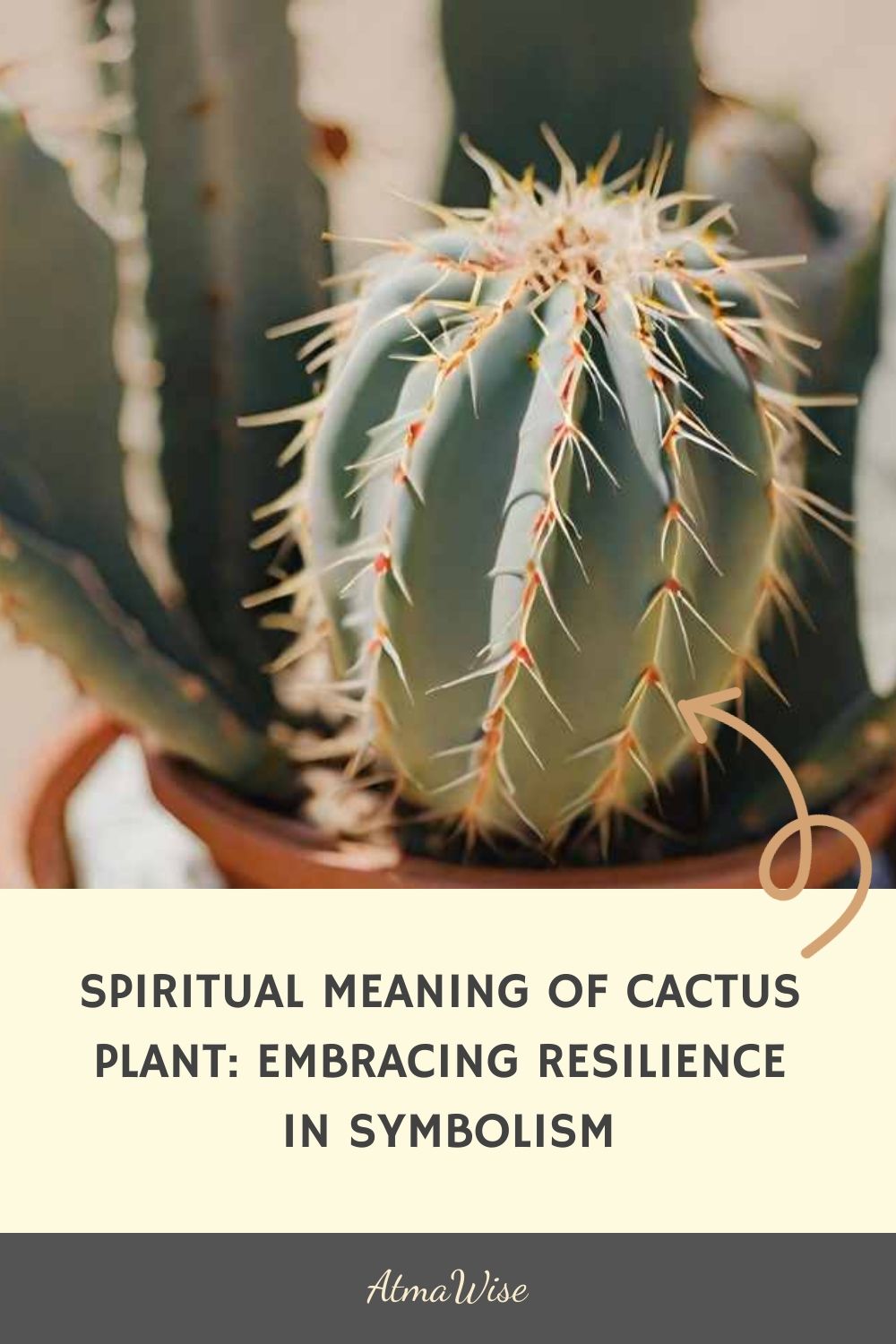
Meditation thrives in environments that whisper rather than shout. The Lophophora, with its spherical form and ribbed texture, embodies a kind of sacred geometry—an unspoken harmony that aligns the mind with the rhythm of the universe. Unlike the jagged edges of a mountain or the sprawling chaos of a forest, its shape is contained, deliberate, and almost meditative in its own right. Placed in a meditation space, it becomes a visual anchor, a point of focus that guides the practitioner inward. The slow, deliberate curves of its ribs mirror the ebb and flow of breath, while its muted greens and blues evoke the quietude of twilight. In a world that demands constant motion, the Lophophora stands as a testament to the power of stillness.
The Alchemy of Symbolism: From Ancient Rituals to Modern Sanctuaries
To understand the Lophophora’s role in meditation, one must first acknowledge its storied past. Indigenous cultures across the Americas have revered this cactus for millennia, not merely as a plant, but as a sacred conduit between the earthly and the divine. The Huichol people of Mexico, for instance, consider it a teacher plant, capable of revealing truths hidden in the folds of reality. When integrated into modern meditation spaces, the Lophophora carries this legacy—a silent promise that the act of sitting in stillness is not just a practice, but a pilgrimage. Its presence transforms a room into a liminal space, where the boundaries between self and cosmos blur. The practitioner is no longer just meditating; they are communing.
The Sensory Dialogue: Engaging Sight, Touch, and Subtle Energy
A meditation space is a symphony of senses, and the Lophophora conducts its own quiet melody. Visually, its form is a study in contrast—soft yet structured, organic yet geometric. Tactilely, its ribs invite gentle touch, a reminder that enlightenment is not always about detachment, but sometimes about connection. Even its scent, faintly earthy and slightly sweet, grounds the practitioner in the present moment. But perhaps its most potent influence lies in its subtle energy. In Feng Shui and other energy-based practices, the Lophophora is believed to radiate a calming frequency, one that dissolves mental clutter and fosters clarity. To sit in its presence is to engage in a silent dialogue—one where the cactus speaks not in words, but in the language of vibrations.
Breaking the Mold: Challenging Conventional Spiritual Aesthetics
Meditation spaces often default to minimalism—clean lines, neutral tones, an absence of distraction. While this can be effective, it also risks becoming sterile, a place of emptiness rather than presence. The Lophophora disrupts this paradigm. Its organic form and rich symbolism inject a sense of life and mystery into the space. It challenges the practitioner to embrace the imperfect, the textured, the alive. In a world that often equates spirituality with detachment, the Lophophora reminds us that the sacred can be found in the tangible, the earthy, the real. It invites us to question: What if enlightenment isn’t about transcending the body, but about fully inhabiting it?
The Ritual of Arrangement: Curating a Space for Transformation
The placement of a Lophophora in a meditation space is not arbitrary; it is a deliberate act of curation. Positioned near a window, it becomes a living sundial, its shadows shifting with the hours. Placed on an altar, it transforms the space into a shrine of introspection. Even its absence can be powerful—an empty space where the cactus once stood, now a void that beckons the practitioner to fill it with their own energy. The key lies in intention. Whether the Lophophora is the sole focal point or one element among many, its role is to anchor the ritual, to remind the meditator that this is not just a pause in time, but a sacred pause.
The Metamorphosis Within: How Lophophora Shifts Perspective
The true magic of the Lophophora lies in its ability to catalyze change—not externally, but within. As the practitioner sits in its presence, the mind begins to unravel its usual patterns. The cactus, with its slow growth and resilience, becomes a mirror. It reflects the practitioner’s own journey—patient, enduring, capable of transformation. In moments of stillness, its form may blur into abstraction, revealing shapes and symbols that feel like messages from the subconscious. Some report visions of spirals, labyrinths, or even faces, as if the cactus is a portal to deeper layers of the self. This is not mere imagination; it is the alchemy of symbolism and psyche, a dance between the external and the internal.
Beyond the Cactus: A Call to Rediscover the Sacred in Nature
The Lophophora is more than a plant; it is a reminder of a truth we’ve forgotten—that the sacred is not confined to temples or scriptures, but is woven into the fabric of the natural world. In a time when digital distractions fragment our attention, the Lophophora beckons us back to the tactile, the slow, the real. It asks us to reconsider what it means to create a spiritual atmosphere. Is it the incense that fills the room, or the quiet hum of a living being that shares the space? The answer, perhaps, lies in the balance between the two. The Lophophora does not demand reverence; it simply offers itself as a companion on the journey inward.
The next time you step into a meditation space, look for the unexpected. Seek out the objects that do not shout, but whisper. The ones that do not demand attention, but invite it. The Lophophora is one such object—a silent teacher, a living symbol, a catalyst for transformation. In its presence, the air feels different. The mind quiets. And for a moment, the boundaries between self and universe dissolve. That, in itself, is a kind of enlightenment.
FAQ
What is the significance of Lophophora in meditation?
Lophophora is revered for its ability to create a calming, focused atmosphere conducive to deep meditation and introspection.
Can Lophophora be used in modern meditation practices?
Yes, Lophophora can be integrated into modern meditation practices as a symbol of connection to nature and spirituality.



Leave a Reply