
Short Answer
In the arid tapestry of the desert, where life clings to the thinnest whispers of moisture, the Mammillaria cactus stands as a testament to tenacity and quiet beauty. Its seeds, tiny and unassuming, hold within them the promise of a spiky, floral crown that will one day adorn a sun-baked landscape. Germinating these seeds is not merely a horticultural task—it is an alchemy of patience, precision, and a deep reverence for the desert’s rhythms. To coax these embryonic giants from their slumber is to dance with the earth’s most resilient spirits. Here, we unravel the secrets to faster, more bountiful germination, transforming a seemingly mundane process into a ritual of growth and wonder.
The Seed’s Silent Sermon: Understanding Mammillaria’s Germination Language
The Mammillaria seed is a paradox—a fragile vessel of potential encased in a shell harder than a desert noon. Its germination is not a sprint but a slow, deliberate waltz with the elements. Unlike the eager sprouts of annuals, these seeds demand a courtship of conditions: warmth without scorching, moisture without drowning, and light that whispers rather than shouts. The first crack in the seed coat, known as radicle emergence, is the cactus’s first breath, a moment of vulnerability before it unfurls its first embryonic spines. To hasten this process, we must speak its language—mimicking the desert’s seasonal cues through controlled stratification and moisture gradients. Think of it as a seed’s coming-of-age story, where the right balance of chill and thaw, of dry and damp, signals that the time has come to grow.
Stratification: The Seed’s Winter Lullaby
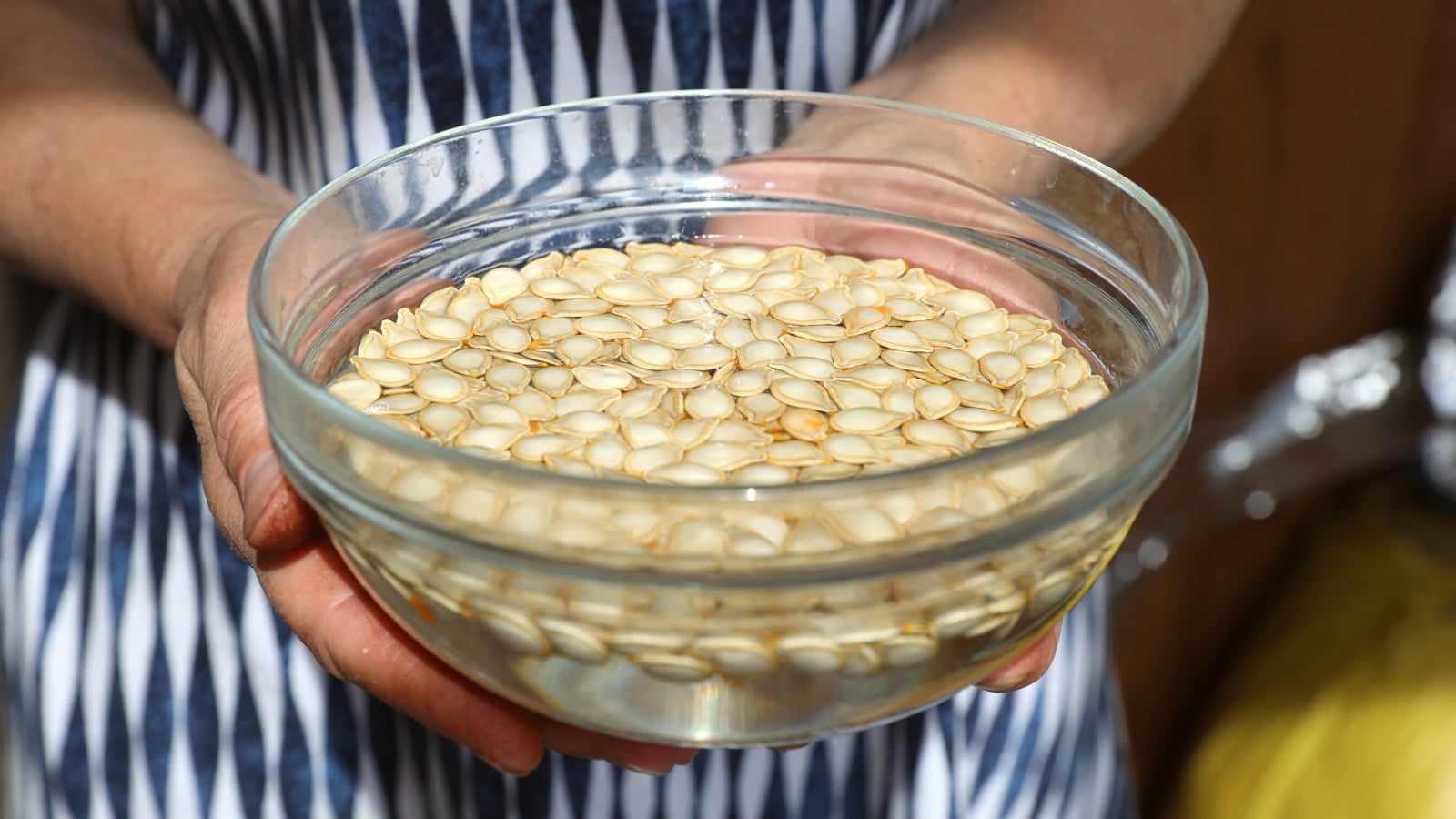
Before a Mammillaria seed can dream of sprouting, it must endure a period of dormancy—a winter’s nap that breaks the cycle of immediate germination. This stratification is not a punishment but a safeguard, ensuring that seeds do not sprout prematurely in the fleeting warmth of autumn, only to perish in the frost. To replicate this in cultivation, place the seeds in a damp paper towel or a fine, sterile medium, then refrigerate them for 4 to 6 weeks. The cold slows their metabolism, tricking them into believing winter has passed. When you later introduce them to warmth, they awaken with a hunger for light and life. Without this step, germination can be erratic, a lottery of timing rather than a sure bet. Stratification is the seed’s first lesson in trust—believing that the seasons will align in its favor.

The Medium’s Embrace: Choosing the Right Cradle for Growth
A Mammillaria seed is a nomad, drifting on the winds of the desert until it finds the perfect patch of soil—a blend of grit, organic matter, and just enough loam to anchor it without smothering. The ideal germination medium is a paradox: porous enough to prevent waterlogging yet retentive enough to keep the seed moist. A mix of one part perlite, one part coarse sand, and one part coconut coir strikes this balance, offering both aeration and moisture retention. Avoid heavy soils or those laden with peat, which can compact and suffocate the delicate roots. Instead, think of the medium as a cradle—firm enough to hold the seed steady, but soft enough to let it stretch its first roots into the world. The right medium is the difference between a seed that struggles and one that thrives, a silent partner in the germination waltz.
Light: The Invisible Nurturer
Light is the seed’s lifeline, but not all light is equal. Mammillaria seeds are not sun-worshippers like their mature counterparts; they are shade-seekers in their infancy, preferring the gentle caress of indirect light to the harsh glare of direct sun. A south-facing windowsill draped with a sheer curtain or a grow light set to a soft, diffused glow provides the ideal illumination. Too much light too soon can scorch the tender seedlings, while too little can leave them etiolated and weak. The key is consistency—a steady rhythm of light that mimics the desert’s dappled shade beneath shrubs or rocks. Think of light as a sculptor, shaping the seedling’s form with gentle strokes rather than brute force. Without it, the seedling will stretch and strain, its spines pale and its body frail, a stark contrast to the robust, sun-kissed cacti we admire.
Temperature: The Goldilocks Zone of Germination
Mammillaria seeds are Goldilocks of the plant world—they want their temperature just right, neither too hot nor too cold. The sweet spot hovers between 70°F and 80°F (21°C to 27°C), a range that coaxes the radicle from its shell without cooking the seed. Below 60°F (15°C), germination crawls to a halt, while above 90°F (32°C), the seed may cook in its own juices. A heat mat can provide a gentle, consistent warmth, especially in cooler climates, while a thermometer ensures you’re not unwittingly subjecting the seeds to a sauna or a fridge. Temperature is the conductor of this germination orchestra, setting the tempo for every other factor to follow. Without it, the seeds may sprout unevenly, a patchwork of success and failure rather than a uniform sea of green.
Moisture: The Delicate Dance of Hydration
Water is both the seed’s lifeblood and its potential doom. Too little, and the seed remains dormant, a prisoner of its own inertia. Too much, and it drowns, its embryonic tissues rotting before they can take root. The secret lies in balance—a surface misting that keeps the medium damp but not soggy, a spray bottle that delivers water in fine, gentle droplets rather than a deluge. Covering the container with a clear lid or plastic wrap creates a humid microclimate, a tiny greenhouse where the seed can breathe without fear of desiccation. Yet, this humidity must be monitored daily; condensation on the lid signals excess moisture, while a dry surface indicates the need for a light spritz. Moisture is the seed’s lullaby, a promise that the desert’s rare rains have arrived, and it is time to awaken.
Patience and Observation: The Gardener’s Sacred Ritual
Germination is not a race, but a pilgrimage. Some Mammillaria seeds may sprout in as little as a week, while others dawdle for months, testing the gardener’s resolve. The key is to observe without interfering—resist the urge to dig up the seeds to check their progress, as this can disrupt the delicate process. Instead, trust the signs: a slight swelling of the seed coat, a tiny crack, or the first glimpse of a root tip. Keep a germination journal, noting the date of sowing, the conditions, and any changes in the medium or seedlings. Over time, patterns will emerge, revealing the unique quirks of your Mammillaria species. Patience is not passive waiting; it is an active engagement with the rhythms of life, a testament to the gardener’s faith in the unseen.
The First True Leaves: A Celebration of Resilience
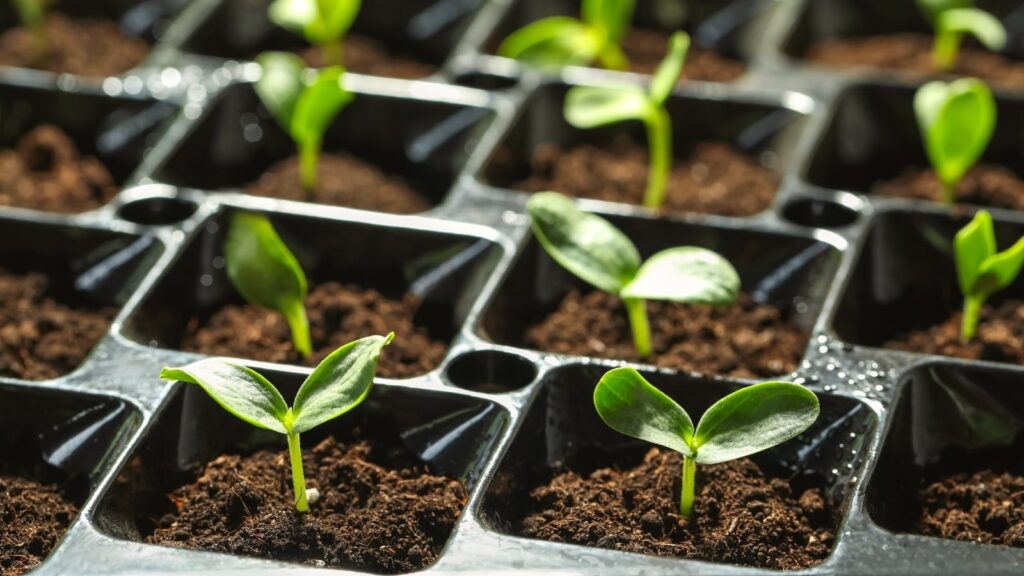
When the first true leaves appear—small, rounded, and armed with delicate spines—it is a moment of triumph. These are not the embryonic cotyledons, but the first true sign that the seedling has embraced its destiny as a cactus. At this stage, the seedlings can be carefully transplanted into individual pots, their roots now sturdy enough to withstand the move. The medium should be slightly more nutrient-rich, a blend of cactus mix and perlite to support their rapid growth. Yet, even now, caution is paramount. The seedlings are still fragile, their spines not yet the armor of their adult counterparts. A gentle hand, a steady light source, and a watchful eye will see them through this vulnerable phase, transforming them from delicate sprouts into the spiky sentinels of the desert.
The Long Game: Nurturing a Desert Sovereign
Germination is only the beginning. The true art lies in nurturing these seedlings into mature, flowering cacti, each one a testament to the gardener’s dedication. Mammillarias thrive on neglect once established, but their early years demand consistency: bright light, minimal water, and protection from frost. As they grow, their spines will darken, their bodies will plump, and their flowers will burst forth in vibrant rings around their crowns. Each bloom is a reward, a fleeting but glorious affirmation of the gardener’s labor. To grow a Mammillaria is to cultivate a piece of the desert itself—a living sculpture of resilience, beauty, and quiet strength. And when the first flower unfurls, it is not just the plant that has succeeded, but the gardener who has learned the language of the seed.
FAQ
What is the best temperature for germinating Mammillaria seeds?
The ideal temperature range is between 70°F and 80°F (21°C to 27°C).
How long should Mammillaria seeds be stratified?
Stratification should last for 4 to 6 weeks in a cool environment.
What type of medium is best for germinating Mammillaria seeds?
A mix of perlite, coarse sand, and coconut coir is recommended for optimal growth.
How much light do Mammillaria seedlings need?
They prefer indirect light to avoid scorching.
Leave a Reply