
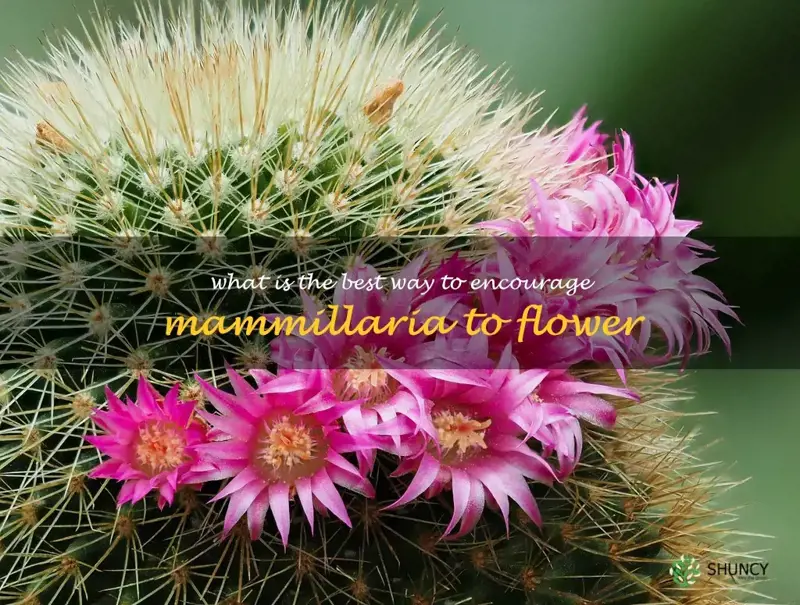
Short Answer
What if the tiny, spiky sentinels of your windowsill could whisper tales of ethical stewardship, of sun-kissed soils untouched by exploitation, and of growers whose hands cradle biodiversity like a sacred trust? Mammillaria, those globular jewels of the cactus world, deserve more than just a spot on your shelf—they deserve a home rooted in integrity. But where do you even begin when the quest for ethically sourced succulents feels like navigating a labyrinth of greenwashing and half-truths? Buckle up, fellow plant whisperer. We’re about to embark on a journey to uncover the nurseries where Mammillaria aren’t just sold—they’re celebrated with conscience.
The Ethical Cactus Conundrum: Why Your Mammillaria’s Pedigree Matters
Let’s cut to the chase: not all Mammillaria are created equal. Behind those ribbed, sometimes woolly exteriors lies a world of exploitation—wild-collected specimens plucked from fragile ecosystems, or mass-produced clones churned out in energy-guzzling greenhouses. The ethical dilemma isn’t just about whether your cactus was “responsibly grown”; it’s about whether the soil it sprouted from was tilled by hands that weren’t exploited, the water it drank was drawn sustainably, and the species itself wasn’t driven to the brink of extinction by unscrupulous collectors. Mammillaria, with their dazzling array of forms—from the snow-white Mammillaria candida to the fiery Mammillaria elongata—are particularly vulnerable to poaching. Ethical sourcing isn’t a luxury; it’s a lifeline for these desert denizens. So, how do you separate the conscientious cultivators from the charlatans? Start by asking the right questions: Are they CITES-compliant? Do they propagate their own stock? Do they partner with conservation programs? The answers might just surprise you.
Sun-Kissed Sanctuaries: Nurseries That Grow with Heart
Enter the sanctuaries—those rare, radiant havens where Mammillaria aren’t just inventory but living testaments to ethical horticulture. These are the places where the soil is turned with reverence, where every spine and tuber is nurtured with the patience of a desert sunrise. Take, for instance, the nurseries that have eschewed wild collection entirely, instead dedicating their green thumbs to the art of propagation. By growing Mammillaria from seed or offsets, they ensure genetic diversity and reduce the pressure on wild populations. Some even go a step further, collaborating with botanical gardens to reintroduce propagated specimens into their native habitats. Imagine the thrill of holding a Mammillaria in your hands, knowing it’s part of a lineage that’s not just surviving but thriving—thanks to the foresight of its growers. These nurseries don’t just sell plants; they sell hope, wrapped in a pot of soil and a promise of sustainability.
The Wild West of Cactus Commerce: Spotting the Red Flags
But beware, intrepid plant hunter—the path to ethical Mammillaria is fraught with pitfalls. The cactus trade is a Wild West of sorts, where “rare” and “exotic” are often code for “plundered from the wild.” How do you spot the wolves in sheep’s clothing? First, scrutinize the language. If a nursery brags about “field-collected” specimens or “limited wild-harvested stock,” run. Ethical growers will proudly declare their plants are “propagated in-house” or “CITES-certified.” Next, dig into their sourcing policies. Do they list their suppliers? Are those suppliers transparent about their methods? A quick scroll through their social media might reveal clues—photos of lush, controlled greenhouse environments versus blurry shots of cacti in their “natural habitat” (a red flag if ever there was one). And finally, trust your gut. If a deal feels too good to be true—like a Mammillaria herrerae for $5—it probably is. Ethics, after all, isn’t a discount.
From Greenhouse to Glamour: Styling Your Ethical Mammillaria Collection
Now that you’ve sourced your spiky darlings ethically, how do you style them into a collection that’s as visually stunning as it is virtuous? Mammillaria are the chameleons of the cactus world, adapting to terrariums, hanging baskets, or minimalist concrete planters with equal aplomb. Pair a cluster of Mammillaria elongata with a matte black pot for a sleek, modern vibe, or let a colony of Mammillaria vetula spill over the edge of a woven basket for a boho-chic look. For the truly adventurous, create a “desert vignette” with a mix of Mammillaria, Echeveria, and Haworthia, all sourced from the same ethical nursery. The key is to let their textures and forms take center stage—think of it as curating a living art installation, where every spine and shadow tells a story of responsible beauty. And don’t forget the power of contrast: a pale Mammillaria plumosa against a deep indigo pot can stop traffic faster than a traffic light.
The Ripple Effect: How Your Choices Support a Greener Future
Here’s the kicker: your decision to source Mammillaria ethically doesn’t just affect your windowsill—it sends ripples through the entire horticultural ecosystem. By supporting nurseries that prioritize sustainability, you’re voting with your wallet for a future where cacti aren’t just commodities but conservation heroes. Ethical growers often reinvest their profits into habitat restoration, seed banking, or even lobbying for stronger protections for endangered species. Some even fund research into climate-resilient propagation techniques, ensuring that Mammillaria can endure the scorching heat of a changing planet. It’s a virtuous cycle: your purchase today helps safeguard the deserts of tomorrow. And let’s not forget the intangible rewards—knowing that your love for these plants is part of a larger movement to protect the wild, untamed beauty of our planet. That’s not just gardening; that’s activism with a side of green.
Final Thoughts: Where to Begin Your Ethical Mammillaria Hunt
So, where do you start? Begin by compiling a shortlist of nurseries that align with your values—look for those that emphasize propagation, conservation, and transparency. Reach out to them directly. Ask about their growing practices, their partnerships, and their long-term goals. A truly ethical nursery will welcome your questions with open arms (and maybe even a virtual tour of their facilities). And remember, building an ethical collection isn’t about perfection; it’s about progress. Even if you can’t source every Mammillaria perfectly, every conscientious choice makes a difference. So go forth, armed with your newfound knowledge, and let your spiky companions be a reminder that beauty and responsibility can—and should—grow hand in hand.
FAQ
What is Mammillaria?
Mammillaria is a genus of cacti known for their unique globular shapes and spines, often referred to as pincushion cacti.
Why is ethical sourcing important for cacti?
Ethical sourcing ensures that cacti are grown sustainably, protecting their natural habitats and preventing exploitation.
How can I identify ethical nurseries?
Look for nurseries that emphasize propagation, conservation, and are transparent about their sourcing and growing practices.

Leave a Reply