
Short Answer
There’s something quietly revolutionary about the Opuntia cactus—its resilience, its adaptability, its stubborn refusal to be tamed by conventional gardening norms. These prickly wonders, often dismissed as mere desert survivors, are in fact masterful survivors, thriving where most plants would wither. But here’s the paradox: their very strength lies in their soil. The right mix isn’t just a preference; it’s a lifeline. For those who’ve watched their Opuntia languish in compacted, moisture-retentive soil or stretch unnaturally toward the light, the answer isn’t more water or fertilizer—it’s in understanding the ground beneath their roots. Soil isn’t just dirt. It’s a dynamic ecosystem, a silent collaborator in the cactus’s survival story.
The Myth of Fertility: Why Opuntia Thrives in the Unlikeliest of Soils
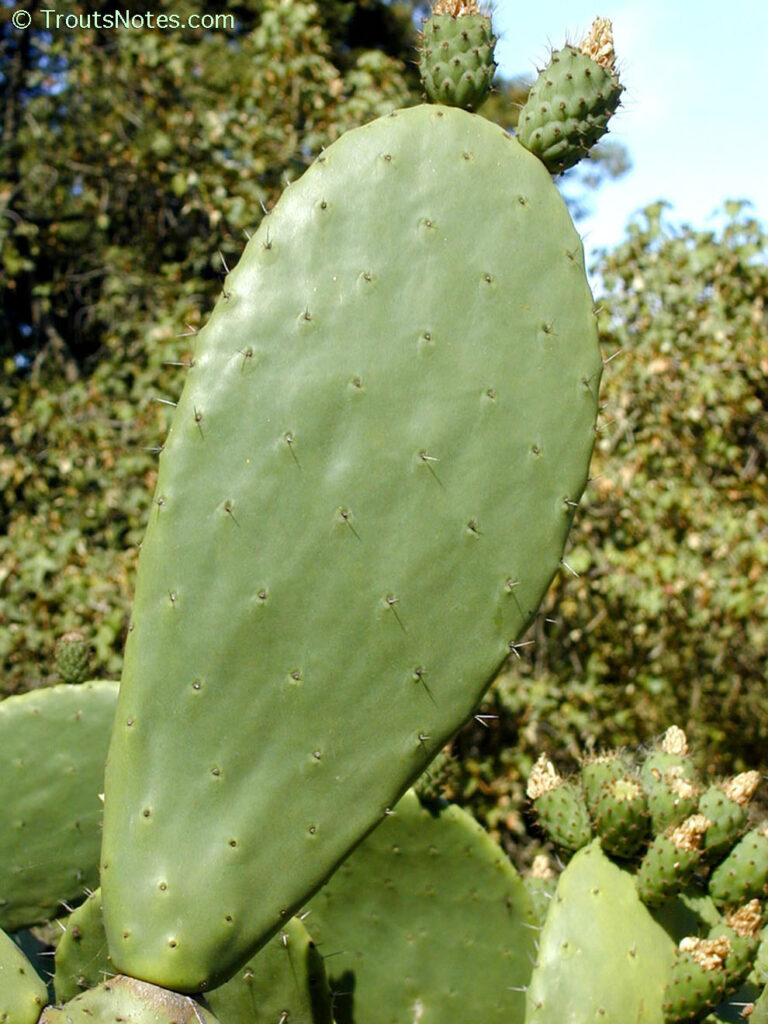
Picture this: a sprawling Opuntia monacantha, its pads glistening under the desert sun, roots delving deep into soil so lean it would make a farmer weep. This isn’t a fluke. It’s a testament to the cactus’s evolutionary cunning. Opuntia species have evolved in environments where nutrients are scarce, where the soil is more sand than substance. Their roots don’t crave richness; they crave breathing room. A soil too rich in organic matter traps moisture, inviting rot—a death sentence for a plant designed to store water in its pads rather than its roots. The best soil for Opuntia isn’t the most fertile; it’s the most forgiving. It allows excess water to flee, leaving behind only the essentials: a skeletal framework of minerals, a whisper of organic matter, and the space for roots to stretch and search.
This isn’t to say Opuntia ignores nutrients entirely. They do need them—but in doses so measured they’d baffle a traditional gardener. Phosphorus for root development, potassium for resilience against drought, and a smattering of micronutrients to keep the pads plump and vibrant. The key is balance. Too much nitrogen, and the cactus grows soft, its pads elongating unnaturally, its spines thinning into mere stubs. It’s a slow-motion surrender to the very forces that should strengthen it. The soil must be a partner, not a crutch.
The Alchemy of Drainage: Crafting Soil That Doesn’t Betray the Cactus
Drainage isn’t just a feature of good soil—it’s its defining trait. Opuntia roots are not built for swimming. They are built for exploration, for probing the cracks of arid earth where water flees as quickly as it arrives. A soil that holds water is a soil that invites fungal pathogens to a feast. The moment the roots sit in soggy earth, the cactus’s fate is sealed. The solution? A blend so coarse it borders on the absurd. Picture a mix where sand isn’t just an ingredient but the main course, where perlite or pumice crunch like gravel underfoot, and where organic matter is a mere garnish—present, but never dominant.
But here’s where the artistry comes in. Not all sands are created equal. River sand, smooth and rounded, can compact over time, suffocating roots. Crushed granite or coarse horticultural sand, with its jagged edges, creates micro-channels that allow water to drain while still clinging just enough moisture to sustain the cactus between waterings. The ideal mix is a study in contrasts: 60% inorganic grit (sand, perlite, or pumice), 30% mineral-rich soil (like a cactus-specific blend), and 10% organic matter (compost or coconut coir, finely sifted). This isn’t a suggestion; it’s a survival strategy. The cactus doesn’t just tolerate this mix—it demands it.
The pH Paradox: Why Alkalinity is Opuntia’s Silent Ally
Soil pH is the unsung hero of cactus cultivation. Most plants thrive in neutral to slightly acidic conditions, but Opuntia? They lean toward the alkaline. A pH between 6.5 and 7.5 isn’t just acceptable—it’s optimal. Why? Because alkaline soils suppress the growth of harmful fungi and bacteria that would otherwise feast on a cactus’s tender roots. It’s a natural defense mechanism, a chemical shield that aligns with the plant’s desert origins. But here’s the twist: too much alkalinity can lock away essential nutrients, turning iron and manganese into inaccessible ghosts. The solution lies in testing. A simple soil test kit can reveal whether your mix is a fortress or a trap. If the pH veers too high, a sprinkle of elemental sulfur or a top dressing of peat moss can gently nudge it back into the sweet spot.
This isn’t just about numbers on a strip of paper. It’s about recreating the mineral-rich, slightly harsh conditions of the cactus’s native habitat. In the wild, Opuntia grows in soils laced with calcium and magnesium—elements that strengthen cell walls and prevent the pads from collapsing under their own water weight. Ignore the pH, and you’re not just growing a cactus; you’re growing a liability.
The Texture Tightrope: Balancing Air and Moisture Without Compromise
Soil texture is where the magic—and the madness—of Opuntia cultivation truly lies. The ideal mix must walk a tightrope: porous enough to prevent waterlogging, yet cohesive enough to cradle the roots. Too loose, and the soil collapses around the roots with each watering, smothering them. Too dense, and it retains moisture like a sponge, inviting disaster. The solution? A blend of particle sizes. Start with the coarse base: horticultural pumice or perlite, each grain a tiny vault that traps just enough air to keep roots aerated. Layer in a fine mineral component—think decomposed granite or crushed lava rock—to add weight and prevent the mix from blowing away in the wind. Finally, the organic element: not soil, but a whisper of it. Coconut coir or a handful of well-aged compost, finely sifted, to provide just enough cohesion to hold the mix together without choking the cactus.
This isn’t a one-size-fits-all endeavor. The exact ratios shift with climate, container size, and even the species of Opuntia. A Opuntia fragilis, with its compact pads, might tolerate a slightly denser mix than a sprawling Opuntia ficus-indica, whose roots stretch aggressively in search of moisture. The key is observation. Watch how the soil behaves after watering. Does it dry within hours, leaving the cactus parched? Add more grit. Does it stay damp for days, fostering a musty smell? Increase the inorganic fraction. The cactus will tell you what it needs—if you’re willing to listen.
The Container Conundrum: Pots That Play Nice with Opuntia’s Roots
Soil is only half the battle. The container it lives in dictates how well the mix performs. Plastic pots, while lightweight and affordable, are notorious for trapping moisture and heat—a double-edged sword that can cook the roots from the inside out. Terracotta, on the other hand, is a cactus’s best friend. Its porous walls wick away excess moisture, and its breathable surface keeps the soil cooler. But terracotta has its drawbacks: it’s heavy, it breaks, and in humid climates, it can harbor algae on its surface. The solution? A hybrid approach. Use terracotta for its benefits, but pair it with a well-draining soil mix and a layer of gravel at the bottom to prevent the drainage holes from clogging. For larger Opuntia species, consider fabric pots—their breathable walls mimic the natural aeration of desert soil, preventing the dreaded “wet feet” syndrome.
And then there’s the matter of size. Opuntia roots are not deep divers; they’re sprawlers. A pot that’s too large traps excess moisture in the unused soil, creating a breeding ground for pathogens. A pot that’s too small stunts growth, forcing the cactus to compete with itself for resources. The rule of thumb? Choose a container that’s just large enough to accommodate the root ball, with an inch or two of extra space on all sides. This isn’t just about aesthetics—it’s about giving the cactus room to thrive without drowning in its own potential.
The Watering Wisdom: When and How to Quench Opuntia’s Thirst
Soil and water are inextricably linked, and nowhere is this more evident than with Opuntia. The right soil mix is useless without the discipline to water correctly. The cardinal sin? Treating Opuntia like a typical houseplant. These cacti don’t want consistent moisture; they want episodic hydration. Water only when the soil is bone-dry to the touch, and then drench it thoroughly, allowing the excess to drain away completely. The frequency depends on the season, the climate, and the container. In summer, a deep watering every two weeks might suffice. In winter, once a month—or less—is often enough. The goal isn’t to keep the soil moist; it’s to mimic the sporadic downpours of the desert, where water arrives in torrents and vanishes just as quickly.
This isn’t just about avoiding rot. It’s about teaching the cactus to store water efficiently, to build resilience in its pads, and to develop the deep green hue that signals health. A cactus watered too frequently grows etiolated, its pads stretching thin and pale, its spines weak and sparse. It’s a plant begging for a return to its roots—literally. The soil mix is the foundation, but the watering schedule is the rhythm that brings it to life.
The Long Game: Observing, Adjusting, and Letting Opuntia Lead
Growing Opuntia isn’t a set-it-and-forget-it endeavor. It’s a dialogue between plant and gardener, a conversation that unfolds over seasons. The best soil mix is the one that evolves with the cactus’s needs. Watch for signs: pads that wrinkle too quickly after watering? The mix may be too fast-draining. Pads that yellow and soften? Too much moisture retention. Spines that elongate unnaturally? A nutrient imbalance. The cactus will reveal its secrets if you pay attention. And here’s the most rewarding part: when the soil is right, the Opuntia will reward you with flowers—vivid, ephemeral bursts of color that seem to defy the very notion of a desert bloom.
This isn’t just about cultivating a plant. It’s about honoring a survivor. Opuntia doesn’t ask for much. It asks for space, for breath, for the chance to stand tall in soil that doesn’t betray its roots. Give it that, and it will thrive—not in spite of the harshness, but because of it. In a world where gardening often means coddling, Opuntia reminds us that sometimes, the best care is the kind that gets out of the way.
FAQ
What type of soil is best for Opuntia cacti?
The best soil for Opuntia cacti is a well-draining mix that includes 60% inorganic grit, 30% mineral-rich soil, and 10% organic matter.
How often should I water Opuntia cacti?
Water Opuntia cacti only when the soil is completely dry to avoid root rot.

Leave a Reply