
Short Answer
Ever stared at your Opuntia, that spiky sentinel of the desert, and wondered: How often should I water this prickly monarch without turning its roots into a mushy mess? You’re not alone. This question haunts even the most seasoned plant whisperers. After all, Opuntias—those sun-worshipping, drought-defying darlings—aren’t your average thirsty houseplants. They’re the rebels of the botanical world, thriving where others wither. But here’s the twist: even rebels have their limits. Water them too much, and you’ll drown their resilience. Water them too little, and they’ll sulk with shriveled pads. So, how do you strike the perfect balance? Let’s dive into the art and science of Opuntia hydration—where every drop counts.
The Opuntia Paradox: Why Less Is More
Opuntias, those architectural marvels of the cactus family, are native to arid landscapes where water is a luxury, not a daily ritual. Their flat, paddle-like pads are essentially water-storage tanks, swollen with the ability to hoard moisture for lean times. This evolutionary hack means they’re built to endure drought, not to guzzle gallons like a thirsty fern. Overwatering, then, isn’t just a faux pas—it’s a betrayal of their desert heritage.
But here’s where it gets tricky: Opuntias aren’t entirely self-sufficient. While they can survive on sporadic rainfall, they still need *some* water to grow, bloom, and flaunt their vibrant flowers. The key lies in understanding their dormant and active phases. During the growing season (spring and summer), they’re in their prime, photosynthesizing and storing energy. Come winter, they hit pause, entering a restful slumber where water is more of a liability than a lifeline. Water them as if they’re still in summer, and you risk rot—a silent killer that starts at the roots and works its way up.
Decoding the Watering Schedule: A Seasonal Dance
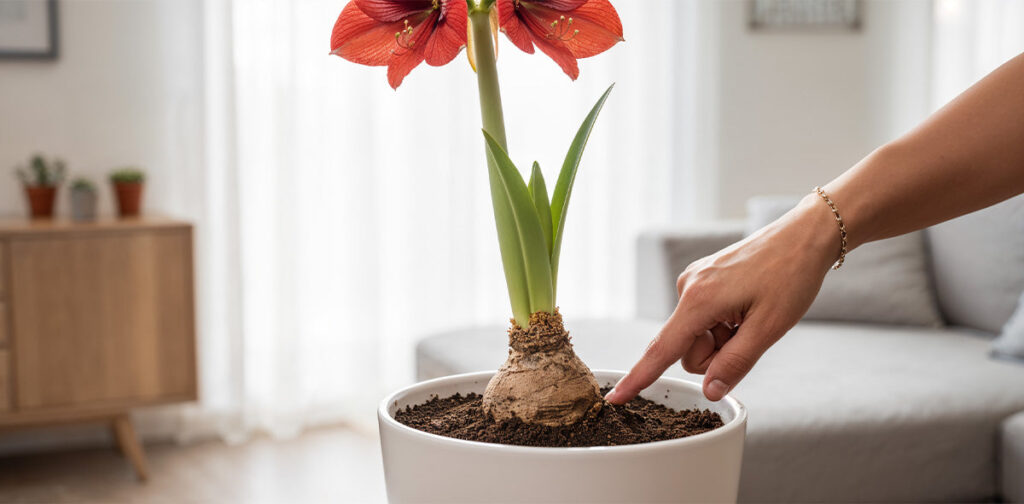
So, how often should you water? The answer isn’t a one-size-fits-all formula but a seasonal choreography. In the growing season, aim for a deep watering every 2 to 4 weeks, depending on your climate. If you’re in a humid jungle (yes, even cacti have their limits), lean toward the longer end. In arid deserts? Every two weeks might be your sweet spot. The trick is to let the soil dry out completely between waterings. Stick your finger an inch into the soil—if it’s bone-dry, it’s time. If it’s even slightly damp, hold off.
Winter is a different beast entirely. Most Opuntias enter dormancy, slowing their metabolic processes to a crawl. During this time, watering should be minimal to none. A light mist every 6 to 8 weeks is plenty, if that. Overzealous watering in winter is like serving a five-course meal to someone in a food coma—it’s unnecessary and potentially harmful. If your Opuntia is indoors near a heater, it might need a *tiny* bit more, but err on the side of caution. Remember, these plants are survivors, not divas.
The Soil Saga: The Unsung Hero of Opuntia Care
No watering schedule will save your Opuntia if its soil is a soggy swamp. These plants crave a well-draining medium that mimics their natural habitat—a mix of sand, gravel, and a smattering of organic matter. Standard potting soil is a no-go; it retains too much moisture and suffocates the roots. Instead, opt for a cactus or succulent mix, or create your own by blending potting soil with perlite, pumice, or coarse sand. The goal? A soil structure that drains faster than a gossip spreads in a small town.
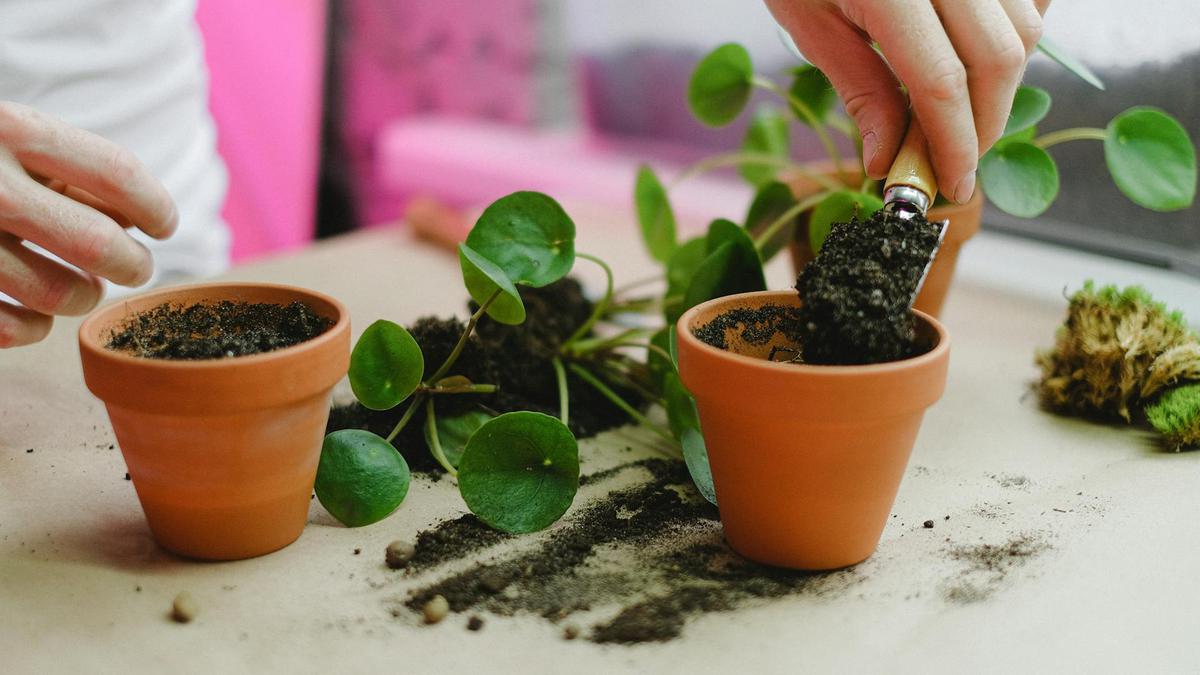
Pot choice matters too. Terracotta pots are ideal because they’re porous, allowing excess moisture to evaporate. Plastic pots, while convenient, can trap humidity like a sauna. If you’re using a plastic pot, ensure it has ample drainage holes—no exceptions. And don’t forget the importance of repotting. Every few years, refresh your Opuntia’s soil to prevent compaction and replenish nutrients. A cramped root system is a stressed root system, and stressed roots are the first step toward rot.
Signs of Distress: When Your Opuntia Is Screaming for Help
Opuntias are stoic creatures, but they’re not silent. They communicate through subtle (and not-so-subtle) cues. If your plant’s pads are wrinkled or puckered, it’s thirsty—time to water. But if the pads are mushy, discolored, or oozing, you’ve overdone it. Rot often starts at the base, where the pads meet the soil, and spreads upward like a slow-motion disaster movie. At this stage, the plant may feel soft to the touch, and a foul odor might waft from the soil—a telltale sign of bacterial or fungal invasion.
Other red flags include yellowing or blackening pads, which indicate advanced rot, and shriveling despite recent watering, a sign of root damage. If you catch rot early, you might save the plant by trimming away the affected pads and repotting it in fresh, dry soil. But if the rot has spread to the roots, it’s often a lost cause. Prevention, as they say, is the best medicine.
The Root of the Problem: Preventing Rot Before It Starts
Rot is the Opuntia’s nemesis, a creeping menace that thrives in damp, stagnant conditions. To keep it at bay, start with the basics: never let your Opuntia sit in water. If you’re using a saucer under the pot, empty it after watering to prevent the plant from “drinking” from below. During the growing season, water in the morning so the soil has time to dry out by evening. Nighttime watering can leave the roots damp for too long, creating a breeding ground for rot.
Humidity is another silent accomplice in the rot conspiracy. Opuntias despise muggy environments, so if you’re growing yours indoors, ensure good air circulation. A fan on low can work wonders, especially in bathrooms or kitchens where humidity lingers. And speaking of environments, avoid placing your Opuntia in low-light areas. While they can tolerate some shade, prolonged dimness weakens the plant, making it more susceptible to overwatering and disease.
Myths and Misconceptions: Separating Fact from Fiction
Let’s debunk some Opuntia watering myths before they take root (pun intended). First, the idea that cacti need “lots of water” is a myth perpetuated by overenthusiastic plant parents. Opuntias need consistent but sparse watering—not a flood. Second, the belief that all cacti are the same is a dangerous oversimplification. Opuntias are unique, with their own quirks and preferences. Third, the myth that fertilizing requires more water is a trap. Fertilizer should be applied sparingly and only during the growing season, and always to moist soil to avoid burning the roots.
Another common misconception is that Opuntias don’t need water in winter. While they do require less, they’re not entirely dormant in all climates. In mild winters, a light watering every few weeks can keep them healthy. The key is observation. Watch your plant’s response to seasonal changes and adjust accordingly. There’s no substitute for knowing your Opuntia’s personality.
Final Thoughts: The Art of Opuntia Parenting
Caring for an Opuntia is less about following a rigid rulebook and more about developing an intuition for its needs. These plants are forgiving, but they’re not indestructible. They thrive on neglect but wither under excess. The secret? Treat water like a rare delicacy—offer it when needed, then step back and let the plant savor it. With the right soil, pot, and seasonal awareness, your Opuntia will reward you with resilience, beauty, and perhaps even a few dazzling blooms.
So, the next time you reach for that watering can, pause. Ask yourself: Is this a sip or a flood? Your Opuntia’s future depends on it.
FAQ
How often should I water my Opuntia?
Water every 2 to 4 weeks during the growing season and minimally during winter dormancy.
What are signs of overwatering in Opuntia?
Signs include mushy pads, foul odor, and discoloration.
What type of soil is best for Opuntia?
A well-draining cactus mix is ideal.
Can I water my Opuntia in winter?
Yes, but only minimally, about every 6-8 weeks.

Leave a Reply