
Short Answer
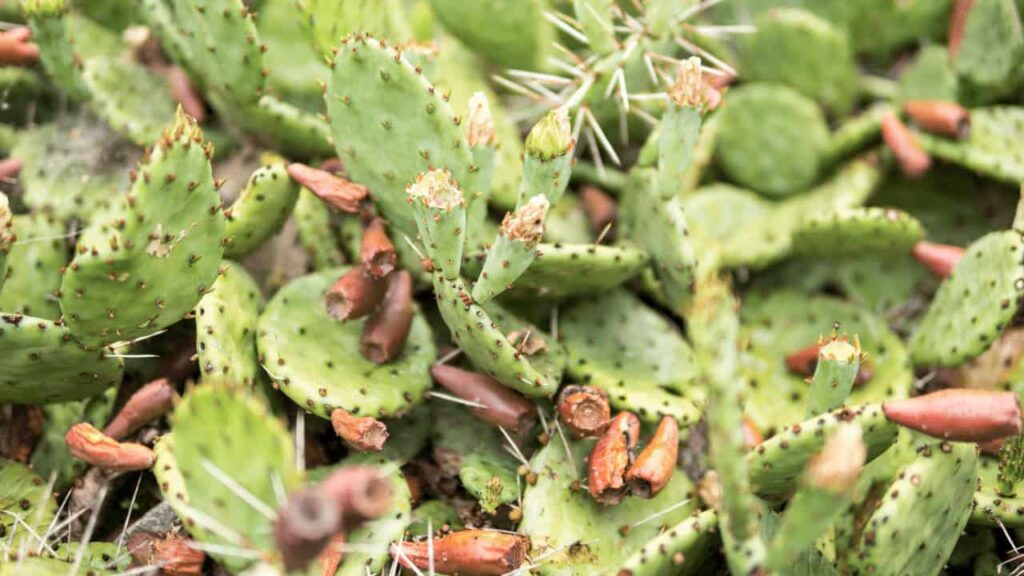
Ever found yourself staring at a prickly Opuntia pad, wondering if now is the moment to coax life from its spiky embrace? The art of propagating Opuntia—those resilient, sun-loving cacti—isn’t just about snapping off a pad and hoping for the best. Timing is everything. But when, exactly, is the best time to propagate Opuntia? Is it when the desert whispers of spring, or when the summer sun blazes with unrelenting fervor? Let’s unravel the seasonal secrets that turn a mere pad into a thriving, spiny offspring.
The Awakening: Spring’s Gentle Nudge
Spring is the Opuntia’s love letter to life. As the earth thaws and the days stretch longer, the cactus stirs from its winter slumber, its dormant cells humming with renewed energy. This is the prime time to propagate, when the plant is primed for growth but not yet overwhelmed by the scorching demands of summer. The soil warms, the air carries a hint of moisture, and the pads—those flat, oval canvases of potential—are brimming with vitality.
But here’s the playful challenge: spring’s fickle temperament. One week, the sun caresses the soil; the next, a chilly breeze nips at your tender cuttings. To navigate this, wait until nighttime temperatures consistently hover above 50°F (10°C). A sudden frost could turn your propagation dreams into a mushy, rotten reality. Patience, dear gardener, is your ally. Let the season’s rhythm guide you, not the calendar’s rigid ticks.
The Blazing Temptation: Summer’s Scorching Embrace
Summer beckons with its fiery intensity, and Opuntia, a desert denizen, thrives in its glow. But propagation in peak summer? That’s a gamble. The pads are at their most robust, but the heat can be a merciless taskmaster. High temperatures accelerate water loss, leaving your cuttings parched before they’ve even had a chance to root. The risk of rot looms large, too—warm, damp soil is a breeding ground for pathogens that feast on the unwary propagator’s mistakes.
Yet, summer isn’t without its merits. If you’re determined to propagate now, do it with surgical precision. Choose early morning, when the sun is still gentle, and the pads are plump with overnight hydration. Let the cuttings dry in the shade for a few days—this callousing step is non-negotiable. Then, plant them in a well-draining mix, and shield them from the midday inferno with a light shade cloth. It’s a high-stakes dance, but for the bold, it can yield spectacular results.
The Quiet Respite: Fall’s Subtle Wisdom
As the days shorten and the air grows crisp, Opuntia begins its slow descent into dormancy. Fall propagation is a study in subtlety. The plant is no longer in its growth frenzy, but it hasn’t yet surrendered to winter’s chill. This is the sweet spot for those who prefer a gentler approach. The soil retains warmth, the sun is less aggressive, and the risk of rot diminishes. Your cuttings have time to establish roots before the cold sets in, though they won’t grow much until spring.
But beware the siren call of late fall. Once temperatures dip below 40°F (4°C), the game changes. Opuntia may look tough, but it’s not immune to frost’s bite. If you propagate too late, your efforts could be in vain. Aim for early to mid-fall, when the earth is still holding onto summer’s warmth but the nights are cool. It’s a delicate balance, but one that rewards patience with sturdy, resilient offspring.
The Dormant Challenge: Winter’s Frozen Pause
Winter is the Opuntia’s time of rest, a season of suspended animation. Propagating now is like trying to wake a bear from hibernation—possible, but ill-advised. The plant’s metabolic processes slow to a crawl, and any cuttings you take are unlikely to root. Worse, the cold, damp soil invites rot, turning your propagation dreams into a soggy mess. Yet, winter isn’t entirely without hope. If you’re determined to experiment, consider using a heated propagator or a sunny windowsill to mimic spring’s conditions. But even then, success is far from guaranteed.
The real wisdom of winter lies in preparation. Use this time to plan, to study, to refine your technique. When spring arrives, you’ll be ready to leap into action with the confidence of a seasoned propagator. Winter teaches us that some things cannot be rushed—and Opuntia propagation, in its own time, is one of them.
The Unseen Factors: Humidity, Light, and the Gardener’s Touch
Beyond the seasons, other forces shape the fate of your Opuntia cuttings. Humidity, for instance, is a double-edged sword. Too much, and your pads may rot before they root. Too little, and they’ll wither before they’ve had a chance to thrive. Aim for a balance—moderate humidity, neither desert-dry nor swamp-dank. A clear plastic bag placed over your pot can create a mini greenhouse effect, trapping just enough moisture to encourage rooting without inviting decay.
Light, too, plays a pivotal role. Opuntia craves sunlight, but direct, unrelenting rays can scorch tender new growth. A spot with bright, indirect light is ideal. If you’re propagating indoors, a grow light can supplement natural light, but be cautious—too much artificial brilliance can mimic the stress of summer’s peak, sending your cuttings into survival mode rather than growth mode.
And then there’s the gardener’s touch—the human element that no season can dictate. Your care, your intuition, your willingness to observe and adapt. Propagation is as much an art as it is a science. Trust your instincts. If a cutting looks unhappy, don’t hesitate to adjust its environment. If a method isn’t working, pivot. The best propagators are those who listen as much as they act.
The Reward: A Garden of Your Own Making
When the seasons align, and your patience is rewarded, there’s nothing quite like the thrill of seeing a new Opuntia take root. It’s a testament to nature’s resilience, and to your own dedication. Whether you’ve propagated in the gentle embrace of spring, the bold heat of summer, or the quiet wisdom of fall, each new pad is a living piece of your garden’s story.
So, the next time you hold an Opuntia pad in your hands, ask yourself: Is this the moment? The seasons will guide you, but the choice is yours. Will you wait for spring’s gentle nudge, or will you dance with summer’s fire? The answer lies not just in the calendar, but in the soil, the sun, and the silent, spiky heart of the cactus itself.
FAQ
When is the best time to propagate Opuntia?
The best time to propagate Opuntia is during spring when the plant is waking from dormancy and in early fall before the temperatures drop.
What conditions are ideal for propagating Opuntia?
Ideal conditions include warm temperatures above 50°F (10°C), moderate humidity, and bright, indirect sunlight for the cuttings.
Can I propagate Opuntia in winter?
While possible, propagating Opuntia in winter is not recommended due to the plant's dormant state and higher risk of rot.



Leave a Reply