

Short Answer
Easter, a season of rebirth and renewal, invites us to explore symbols that transcend traditional expectations. While eggs and bunnies dominate the conversation, the humble cactus emerges as an unexpected yet profound emblem of this sacred time. Far from the clichés of spring, the cactus embodies resilience, adaptability, and the quiet tenacity of life persisting against all odds. In this exploration, we delve into the multifaceted ways the cactus can serve as a vibrant symbol for Easter, weaving together ecological wisdom, cultural narratives, and feminist perspectives that challenge conventional symbolism.
The Cactus as a Metaphor for Resilience and Adaptation
The cactus, with its spiky exterior and water-storing interior, is a masterclass in adaptation. In the harshest of environments, it thrives where few other plants dare to grow. This tenacity mirrors the journey of renewal that Easter represents—a season where life emerges from dormancy, not despite adversity, but because of it. The cactus teaches us that rebirth isn’t always soft or gentle; sometimes, it’s sharp, unyielding, and fiercely independent. For those who have weathered personal or societal storms, the cactus stands as a testament to the power of endurance. Its ability to bloom in arid landscapes becomes a metaphor for finding strength in scarcity, a narrative that resonates deeply in feminist discourse, where women have historically been forced to adapt and thrive in spaces of limitation.
Consider the saguaro, a towering sentinel of the Sonoran Desert. Its slow growth—taking decades to reach maturity—challenges the notion that renewal must be swift or immediate. Easter, too, is not a sprint but a season of gradual awakening, where small sprouts of hope emerge before the full bloom of spring. The cactus reminds us that patience is not passivity; it is a form of resistance. In a world that demands instant gratification, the cactus offers a radical alternative: the beauty of slow, deliberate growth.

Eco-Feminist Perspectives: The Cactus as a Symbol of Interconnectedness
Feminist ecology, or eco-feminism, emphasizes the interconnectedness of all life and the need to dismantle hierarchies that privilege certain forms of existence over others. The cactus, often overlooked in favor of more “feminine” symbols like flowers or eggs, disrupts these hierarchies by asserting its own unique presence. Unlike the delicate petals of a tulip or the fragile shell of an egg, the cactus commands attention through its stark, unapologetic form. It refuses to be tamed or domesticated, thriving in the wild spaces where others cannot. This defiance is a powerful feminist statement—one that celebrates the strength of the “unruly” and the “unconventional.”
Moreover, the cactus plays a crucial role in its ecosystem, providing shelter and sustenance for creatures great and small. Its flowers attract pollinators, its fruit nourishes desert dwellers, and its structure offers refuge for insects and birds. In this way, the cactus embodies the eco-feminist ideal of symbiosis—a reminder that renewal is not a solitary act but a collective one. Just as the cactus sustains life in the desert, so too can we, in our own communities, foster environments where growth is mutual and interdependent. Easter, then, becomes not just a personal renewal but a call to cultivate ecosystems—social, environmental, and emotional—where all forms of life can flourish.
Artistic and Cultural Reinventions: The Cactus in Modern Easter Imagery
The world of art and design offers a fertile ground for reimagining Easter symbols, and the cactus is ripe for innovation. Imagine an Easter wreath crafted from dried cactus pads, their edges softened by time, interwoven with ribbons of desert hues—ochre, terracotta, and sage. Or consider a table setting where cactus-shaped candles flicker alongside vibrant succulents, their spiky silhouettes casting playful shadows. These creations challenge the pastel monotony of traditional Easter decor, infusing the season with a bold, earthy aesthetic that feels both ancient and avant-garde.
In literature and poetry, the cactus can serve as a potent symbol of transformation. A short story might follow a protagonist who, like the cactus, has weathered years of drought—emotionally, spiritually, or professionally—only to discover that their resilience was the very soil in which new growth could take root. The cactus’s ability to store water becomes a metaphor for emotional reserves, the quiet strength that allows us to weather life’s arid seasons. Meanwhile, in visual art, the cactus can be reimagined through the lens of surrealism, its spines morphing into delicate lace or its blooms unfolding into galaxies of color. These artistic interpretations invite us to see the cactus not as a mere plant, but as a canvas for our own stories of renewal.
Practical Ways to Incorporate the Cactus into Easter Celebrations
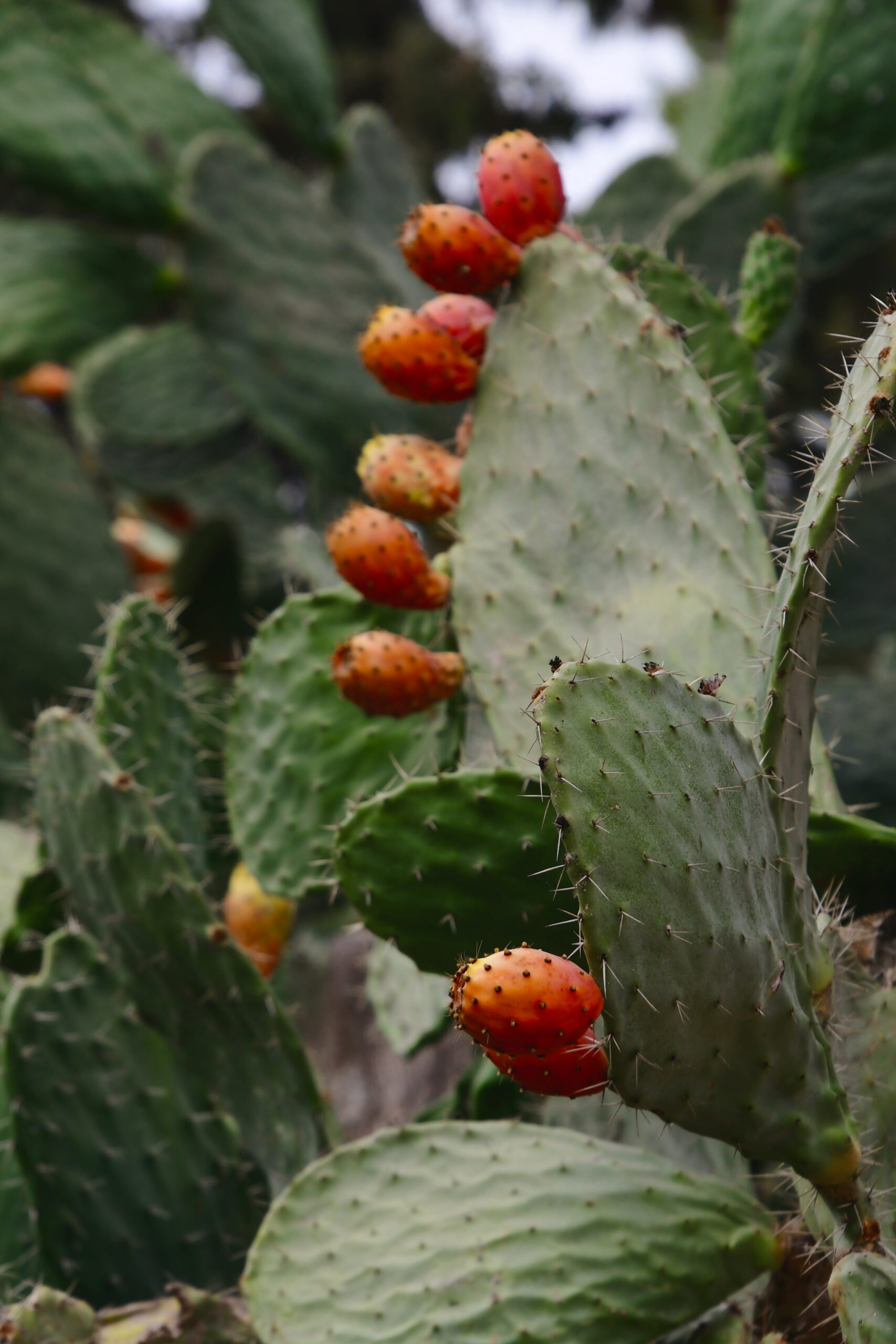
For those eager to embrace the cactus as an Easter symbol, there are countless ways to weave its presence into traditions old and new. A cactus-themed Easter egg hunt could feature eggs hidden among potted succulents, with clues that celebrate desert flora. Alternatively, a “Cactus & Co.” brunch might include dishes inspired by desert flavors—think prickly pear pancakes or cactus pad salads—paired with drinks garnished with edible flowers. For a more hands-on approach, families could plant cactus seeds or propagate cuttings as a symbolic act of nurturing new life, a ritual that echoes the Easter narrative of planting and harvest.
Even in gift-giving, the cactus offers a fresh perspective. Instead of the usual chocolate bunnies, consider gifting a small potted cactus with a note about its resilience. Or, for those who love to craft, a DIY cactus terrarium kit could be a unique and educational Easter present, teaching recipients about the delicate balance of desert ecosystems. These gestures are more than mere novelties; they are acts of cultural reclamation, challenging the dominance of traditional symbols and inviting us to see the world—and our celebrations—through a new lens.
The Cactus as a Feminist Icon: Challenging Gendered Symbolism
At its core, feminism is about dismantling restrictive norms and reclaiming agency over our own narratives. The cactus, with its sharp edges and unyielding form, disrupts the soft, passive imagery often associated with femininity. It refuses to be confined to the delicate, the nurturing, or the decorative. Instead, it asserts its place as a force of nature—wild, untamed, and unapologetic. In this way, the cactus becomes a feminist icon, a symbol that celebrates strength without apology and beauty without fragility.
This reimagining of the cactus as a feminist symbol also extends to its cultural roots. In many indigenous traditions of the Americas, the cactus holds deep spiritual significance. The peyote cactus, for example, is sacred in many Native American spiritual practices, used in rituals that connect participants to the earth and to each other. By centering these narratives, we honor the wisdom of cultures that have long understood the cactus as a vessel of renewal, not just for the individual, but for the collective. Easter, then, becomes an opportunity to celebrate not only personal rebirth but the renewal of cultural identities and the reclamation of symbols that have been historically marginalized.
Conclusion: A Season of Spiky Renewal
The cactus, with its paradoxical blend of fragility and fortitude, offers a refreshing counterpoint to the saccharine symbols of Easter. It is a reminder that renewal is not always gentle, that growth can be slow and deliberate, and that strength is not found in softness but in resilience. By embracing the cactus as a symbol of Easter, we open ourselves to a season of rebirth that is raw, real, and unfiltered—a season where life emerges not despite the thorns, but because of them. So this Easter, let the cactus be your guide. Let its spines remind you of the boundaries you’ve set, its blooms inspire your dreams, and its roots ground you in the knowledge that even in the driest of seasons, life will find a way.
FAQ
What does the cactus symbolize during Easter?
The cactus symbolizes resilience, adaptation, and the journey of renewal, reflecting the spirit of Easter.
How can I incorporate cactus into my Easter celebrations?
You can use cacti in decorations, themed brunches, or as unique gifts to celebrate Easter.



Leave a Reply