
Short Answer
The sun-baked landscapes of the American Southwest and the sun-drenched hills of Australia once teemed with the resilient, spiny sentinels of the desert—prickly pear cacti. These botanical marvels, with their fleshy pads and vibrant blooms, have long been symbols of endurance and adaptability. Yet beneath their thorny exterior lies a shadowy underworld where these cacti are not just admired but extracted—often illegally, always unethically. Opuntia poaching, the clandestine trade of prickly pear cacti, is a burgeoning crisis that threatens biodiversity, indigenous knowledge, and even the cultural fabric of regions where these plants have thrived for millennia. This is not merely a tale of stolen succulents; it is a narrative of exploitation, environmental degradation, and the desperate fight to reclaim what has been taken.
The Allure of the Prickly Pear: Why These Cacti Are Coveted
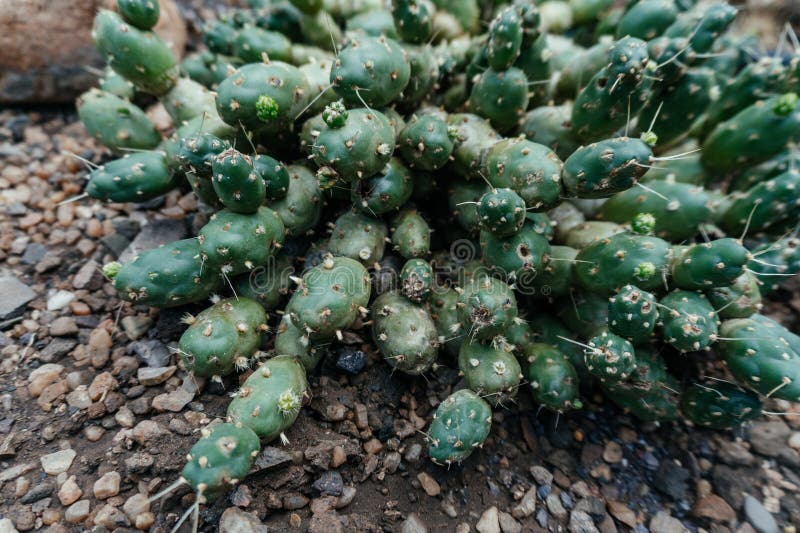
Prickly pear cacti, belonging to the genus Opuntia, are more than just prickly green pads dotting the arid terrain. They are a lifeline. Indigenous communities across the Americas have relied on them for centuries—harvesting their pads for food, their fruits for nutrition, and their spines for tools. The cactus’s resilience makes it a symbol of survival in harsh climates, a testament to nature’s ingenuity. But in the modern world, their appeal has transcended cultural and nutritional significance. The global succulent trade, fueled by social media and the insatiable human desire for the exotic, has turned these humble plants into status symbols. A single, rare variety of Opuntia can fetch thousands of dollars in underground markets, its thorny form a trophy for collectors who care little for the ecological cost of its acquisition. The prickly pear’s newfound glamour has ignited a gold rush mentality, where the thrill of possession outweighs the ethical weight of conservation.
The Poaching Pipeline: How Cacti Are Stolen from the Wild
The illegal trade of Opuntia cacti is a sophisticated operation, blending opportunism with organized crime. Poachers often target remote, undisturbed habitats where these cacti grow in abundance, using the cover of night to uproot specimens with surgical precision. Some employ brute force, wrenching entire plants from the soil, while others use more insidious methods—digging around the roots to sever the plant’s lifeline without detection. Once extracted, the cacti are smuggled across borders, concealed in shipments of legal plants or even strapped to the undercarriages of vehicles. The journey from desert to collector’s shelf is fraught with peril; many cacti perish en route, their fleshy pads wilting under the stress of transport. Yet for those that survive, the reward is staggering. A single rare Opuntia variety, like Opuntia microdasys ‘Albata’, can sell for upwards of $5,000 in the black market, its albino spines a prized oddity. The poaching pipeline thrives on anonymity, with transactions conducted through encrypted online forums and cash exchanges in dimly lit alleys, far removed from the prying eyes of authorities.
The Ecological Ripple Effect: When Cacti Disappear, Ecosystems Falter
The removal of Opuntia cacti from their native habitats is not a victimless crime. These plants are keystone species, playing a critical role in desert ecosystems. Their pads provide moisture and shelter for insects, birds, and small mammals, while their flowers sustain pollinators like bees and hummingbirds. When cacti are stripped from the landscape, the ripple effects are catastrophic. Soil erosion accelerates, as the cacti’s deep roots no longer anchor the earth. Invasive species, unchecked by the cacti’s presence, encroach upon the void, further destabilizing the ecosystem. In Australia, where prickly pear cacti were once introduced as a fodder crop before spiraling into an ecological nightmare, the illegal trade now threatens to reintroduce the very species that once wreaked havoc on the land. The irony is bitter: the same plants that are poached for their beauty today may one day be the unwitting harbingers of ecological collapse. Conservationists warn that without intervention, entire desert biomes could face irreversible damage, their delicate balance shattered by human greed.
The Human Cost: Indigenous Communities and the Loss of Heritage
Behind the thorny facade of the Opuntia lies a deeper tragedy—the erasure of indigenous knowledge and sovereignty. For centuries, Native American tribes such as the Tohono O’odham and the Hopi have cultivated and revered these cacti, passing down generations of wisdom on their cultivation, harvesting, and medicinal uses. The illegal trade of Opuntia is not just an environmental crime; it is a cultural theft, stripping communities of their ancestral heritage. Elders who once taught their grandchildren how to harvest prickly pear fruit now find their sacred lands desecrated by poachers. The loss is twofold: not only are the cacti themselves stolen, but the knowledge that sustained them for millennia is at risk of being forgotten. Some indigenous groups have begun to fight back, establishing seed banks and propagation programs to reclaim their botanical legacy. Yet the battle is uphill, as corporate interests and black-market demand continue to exploit these lands and their people.
The Global Market: Who’s Buying, and Why It’s Hard to Stop
The demand for Opuntia cacti is a global phenomenon, with collectors in Europe, Asia, and the Middle East driving the market. Social media platforms, particularly Instagram and Facebook, have become virtual bazaars for illegal plant sales, where vendors peddle rare varieties under the guise of “legal propagation.” The anonymity of online transactions makes it nearly impossible for authorities to trace the origins of these plants. Even when seizures occur, the penalties are often laughably lenient—a slap on the wrist for crimes that inflict lasting damage. In Australia, where the illegal trade of prickly pear cacti is punishable by fines and imprisonment, enforcement remains inconsistent. The global market thrives on the same forces that fuel other illicit trades: greed, anonymity, and a willingness to look the other way. Until there is a unified international effort to regulate the succulent trade and hold buyers accountable, the poaching will continue unabated.
Breaking the Cycle: Solutions and the Fight for the Future
Yet all is not lost. Conservationists, indigenous leaders, and scientists are rallying to protect Opuntia cacti from extinction. One promising approach is the establishment of certified nurseries that propagate cacti legally, ensuring that collectors can satisfy their desires without contributing to ecological destruction. Some regions have implemented stricter border controls, using DNA barcoding to trace the origins of seized plants. Indigenous-led initiatives, such as the Tohono O’odham Community Action program, are working to restore native Opuntia populations while educating younger generations about their cultural significance. Meanwhile, consumer awareness campaigns are shedding light on the dark underbelly of the succulent trade, urging buyers to question the origins of their purchases. The fight for the future of Opuntia cacti is a multifaceted battle—one that requires not just legal action, but a fundamental shift in how society views these plants. They are not mere decorations; they are living relics of a fragile ecosystem, guardians of a vanishing heritage.
The story of Opuntia poaching is a cautionary tale, a mirror held up to humanity’s relationship with the natural world. It forces us to confront uncomfortable truths: that our desire for beauty can blind us to destruction, that our pursuit of the exotic can erase the sacred. Yet it is also a story of resilience—a testament to the power of collective action, of communities rising to reclaim what has been stolen. The prickly pear cacti stand as silent witnesses to this struggle, their spines a reminder of the thorns that lie in wait for those who exploit the land without care. The question now is whether we will heed their warning before it is too late.
FAQ
What is Opuntia poaching?
Opuntia poaching is the illegal extraction and trade of prickly pear cacti, driven by high market demand.
Why are prickly pear cacti poached?
They are valued for their beauty and rarity, often fetching high prices in black markets.
What impact does poaching have on ecosystems?
The removal of cacti destabilizes desert ecosystems, leading to soil erosion and loss of biodiversity.
Leave a Reply