

Short Answer
Propagating Parodia cacti is a rewarding endeavor that connects you to the ancient rhythms of nature, where each season offers its own unique opportunities and challenges. Whether you’re a seasoned horticulturist or a curious beginner, understanding the seasonal nuances of Parodia propagation can transform your gardening experience from a mere hobby into a deeply fulfilling practice. These resilient beauties, native to the arid landscapes of South America, thrive when their growth cycles align with the earth’s natural cadence. From the gentle awakening of spring to the dormant slumber of winter, each season presents a distinct chapter in the propagation journey. Let’s delve into the intricacies of timing, techniques, and troubleshooting to ensure your Parodia cuttings flourish with vigor and vitality.
The Awakening: Spring Propagation – A Time of Renewal and Potential
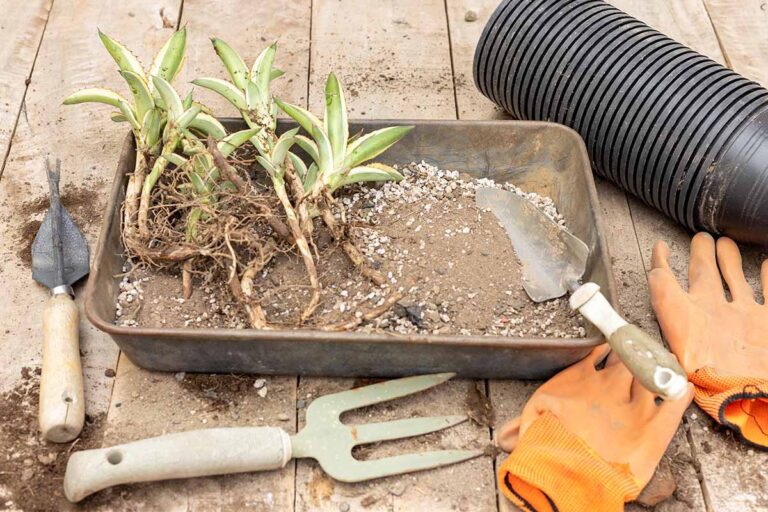
Spring heralds the Parodia’s emergence from dormancy, a period marked by burgeoning energy and photosynthetic exuberance. This season is ideal for propagation, as the cactus’s metabolic processes rev up, accelerating root development and cellular growth. The soil, warmed by the sun’s gentle embrace, provides a nurturing medium for freshly severed offsets or seeds. Opt for early spring, when temperatures hover between 65°F to 75°F (18°C to 24°C), to minimize the risk of rot while maximizing growth momentum. A well-draining mix of perlite, coarse sand, and a smattering of organic matter mimics the cactus’s native habitat, fostering an environment where roots can stretch and thrive without the threat of waterlogging. Remember, patience is key—Parodia cuttings may take weeks to root, but the anticipation is part of the magic.
Summer’s Fiery Embrace: Balancing Heat and Humidity for Optimal Growth
As the sun climbs higher in the sky, summer brings both opportunity and peril for Parodia propagation. The intense heat can stress cuttings, but with strategic care, this season becomes a catalyst for rapid development. Morning propagation is advisable, as the cooler temperatures reduce transpiration stress. A shaded propagation tray or a greenhouse with filtered light prevents scorching while allowing the cactus to photosynthesize efficiently. Humidity, often a double-edged sword, must be managed carefully—too much can invite fungal infections, while too little may desiccate tender roots. A light misting in the early hours or the use of a humidity dome (ventilated to prevent stagnation) strikes the perfect balance. Monitor soil moisture meticulously; the top inch should dry between waterings to ward off rot. Summer propagation rewards diligence with robust, fast-growing offsets that establish themselves before autumn’s approach.
Autumn’s Gentle Descent: Preparing for Dormancy and Slow Growth
Autumn casts a golden hue over the propagation landscape, signaling a shift in the Parodia’s rhythm. Growth slows as daylight wanes, but this season offers a unique window for propagation—one that prioritizes stability over speed. Late summer to early autumn is the sweet spot, as the cactus prepares for dormancy without the extreme heat of peak summer. The soil’s temperature remains warm enough to encourage rooting, yet the cooler air reduces evaporation, creating a stable microclimate. Choose cuttings with care; select only the healthiest offsets, as autumn’s slower metabolism means compromised specimens may struggle to recover. A leaner soil mix, with reduced organic content, prevents excess moisture retention during the cactus’s impending rest period. This season teaches patience—roots may take longer to establish, but the reward is a Parodia that enters dormancy with a fortified root system, ready to burst forth in spring.
Winter’s Quiet Respite: Dormancy and the Art of Strategic Patience
Winter is often dismissed as a barren season for propagation, but for Parodia cacti, it is a time of quiet resilience. While active growth halts, the cactus conserves energy, making it an opportune moment to assess and plan. Propagation during winter is possible but demands a different approach. Focus on seeds rather than cuttings, as they require less immediate care and can be sown in a controlled indoor environment. A sunny windowsill or a grow light provides the necessary light spectrum without the harshness of direct sun. Keep the soil barely moist—just enough to prevent desiccation without encouraging rot. Winter propagation is a lesson in restraint; the cactus’s slow metabolism means progress is incremental, but the seeds you sow today may become tomorrow’s thriving specimens. Use this season to refine your techniques, study your failures, and prepare for spring’s inevitable surge of growth.
Soil and Substrate: Crafting the Perfect Medium for Parodia Propagation
The foundation of successful propagation lies in the soil—a medium that must balance aeration, drainage, and nutrient availability. Parodia cacti, with their origins in rocky, nutrient-poor soils, thrive in a mix that mimics these conditions. A blend of 50% inorganic material (perlite, pumice, or coarse sand) and 50% organic matter (cactus soil or coconut coir) creates an environment where roots can anchor securely without suffocating. For cuttings, a slightly sandier mix prevents excess moisture retention, while seeds benefit from a finer texture to ensure good seed-to-soil contact. Sterilization of the substrate is non-negotiable—baking the mix at 200°F (93°C) for 30 minutes eradicates pathogens that could spell doom for tender propagules. Remember, the right soil doesn’t just support growth; it prevents decay, fosters symbiosis with beneficial microbes, and sets the stage for a lifetime of vibrant cactus life.
Light and Temperature: The Invisible Forces Shaping Propagation Success
Light and temperature are the unseen conductors of Parodia propagation, orchestrating the cactus’s response to its new environment. Bright, indirect light is the golden rule—direct sun can scorch cuttings, while insufficient light leads to etiolation and weak growth. A south-facing window or a grow light with a 12-hour photoperiod provides the ideal spectrum. Temperature fluctuations, too, play a critical role. Parodia cuttings root best when the ambient temperature stays between 60°F to 80°F (15°C to 27°C). Sudden drops below 50°F (10°C) can stunt root development, while excessive heat accelerates evaporation, leaving cuttings parched. Use a thermometer to monitor conditions, and adjust your propagation setup as needed. The interplay of light and temperature is delicate, but mastering it ensures your Parodia cuttings emerge not just alive, but thriving.
Troubleshooting Common Pitfalls: When Propagation Meets Resistance
Even the most meticulous propagator encounters setbacks, but recognizing and addressing them early can mean the difference between success and failure. Rot is the most insidious enemy, often stemming from overwatering or poor drainage. If you notice a mushy, discolored cutting, act swiftly—remove it from the soil, trim the affected tissue, and allow it to callus before replanting in fresh mix. Etiolation, or stretching, occurs when cuttings lack sufficient light, resulting in weak, elongated stems. Move the cutting to a brighter location or supplement with grow lights. Pests, such as mealybugs or spider mites, may also target vulnerable propagules. A dab of isopropyl alcohol on a cotton swab or a gentle spray of neem oil can dispatch these invaders without harming the cactus. Each challenge is a lesson in adaptability, teaching you to refine your approach with every propagation attempt.
The Long Game: Nurturing Your Parodia from Propagation to Maturity
Propagation is merely the first act in a much grander story—the journey from fragile cutting to a majestic, flowering Parodia. Once your propagules have established roots, transition them gradually to a sunnier location, acclimating them to outdoor conditions if necessary. Fertilization should be minimal during the first year, as Parodia cacti are adapted to nutrient-scarce environments. A balanced, diluted cactus fertilizer applied sparingly in spring and summer will suffice. As your Parodia matures, observe its unique growth patterns—some species may offset prolifically, while others focus on vertical expansion. Patience is your greatest ally; these cacti can take years to reach flowering size, but the reward of vibrant blooms is unparalleled. Document your progress, experiment with different techniques, and let your Parodia become a testament to the beauty of slow, deliberate growth.
FAQ
When is the best time to propagate Parodia?
Spring is the best time for propagation as the cactus emerges from dormancy.
What soil mix is recommended for Parodia propagation?
A mix of 50% inorganic material and 50% organic matter is ideal.
How can I prevent rot in my Parodia cuttings?
Ensure well-draining soil and avoid overwatering.




Leave a Reply