

Short Answer
Imagine the Schlumbergera, commonly revered as the Christmas cactus, as a living tapestry of time and resilience. Its segmented stems, like delicate brushstrokes on a canvas, tell a story of survival and celebration during cold, dormant months. Propagating this remarkable plant is akin to unlocking a secret passage to endless gardens—each cutting and division a key that can awaken new life. Just as an artist breathes vitality into a blank canvas, you too can coax new generations from your beloved Schlumbergera, creating an ever-expanding family of botanical marvels.
The Intrinsic Elegance of Schlumbergera
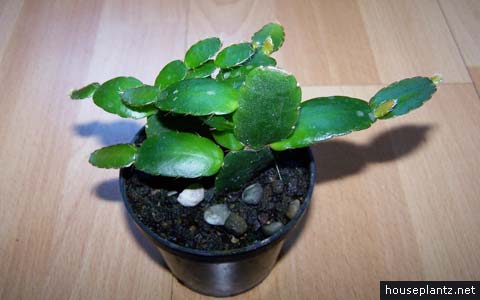
Unlike its desert-dwelling cactus cousins, Schlumbergera thrives in the dappled shadows of rainforests, displaying an exquisite charm through its flattened, segmented stems. These “phylloclades” resemble emerald ribbons, their scalloped edges forming a mesmerizing rhythm reminiscent of a natural lacework. This unique morphology not only defines the plant’s aesthetics but also its approach to propagation. The segments are designed for easy detachment, making cuttings a logical and fruitful method to perpetuate its beauty.

Propagation by Cuttings: A Dance of Renewal
Propagating Schlumbergera through cuttings is much like a choreography—a precise dance where every step matters and grace is rewarded. The process begins by selecting healthy segments, ideally 2-3 joined “leaves” or stem sections, preferably harvested after the plant’s flowering period in late spring or early summer. These cuttings hold latent potential; though currently suspended in their form, they harbor the magic of regeneration beneath their glossy green surface.
Allow the cuttings to dry for a few hours or even a day—a brief interlude between removal and planting—facilitating the formation of a protective callus over the severed ends. This natural seal prevents rot and readies the cutting for its subterranean journey. Plant these segments in a well-draining substrate, often a combination of cactus soil with added perlite or orchid bark to mimic their native epiphytic conditions. The medium should be moist but not saturated, an exquisite balance that whispers to the cuttings that life is imminent.
Root initiation typically unveils like a quiet symphony within 2 to 4 weeks. You may observe tender white roots peeking through the soil, evidence of the cutting’s triumphant adaptation. During this early phase, indirect light and temperatures between 65-75°F foster an atmosphere of encouragement without stress. Gradually, new growth will sprout from the edges, signaling that the plant has embraced its new existence.

Division: Splitting the Ancient Tapestry
While cuttings echo the patience of renewal through small steps, division is the bold act of unraveling the plant’s established roots to create entirely new individuals. Imagine gently separating an ancient tapestry into smaller, equally vibrant swatches; each bearing the original’s splendor yet destined to flourish independently. Division is best performed during repotting, ideally in early spring before new active growth begins.
Carefully remove the Schlumbergera from its pot, exposing the robust, tangled network of roots and stems. With delicate hands and a discerning eye, tease apart the root ball into distinct clumps—each maintaining a solid root system and several stem segments. This division respects the plant’s natural tendency to grow in clusters, ensuring that every new section possesses enough vigor to thrive.
Once divided, repot the new plants into fresh, well-draining soil. Water sparingly at first; the disruption may leave the plants sensitive and prone to root rot if overwatered. However, soon the divided plants will respond with renewed vibrance, sending out fresh growth that narrates their untold potential. Division not only expands your Schlumbergera collection but rejuvenates the parent specimen, affording it renewed vigor and longevity.
Unique Appeal and Lessons from the Propagation Journey
What makes Schlumbergera propagation such a captivating endeavor is not merely the botanical mechanics, but the narrative it weaves. Each propagation effort is an act of trust—an intimate collaboration between you and nature. You become the silent conductor of transformation, guiding tiny segments from stasis into verdant life. The unusual stem morphology, the whole-plant resilience, and the delicate balance needed for successful rooting all serve as reminders that growth is both art and science.
Every new cutting or division grafts a tangible connection to the past, to the seasons when the Christmas cactus bloomed and thrived against odds. Through propagation, you are not just multiplying plants; you are perpetuating stories, memories, and traditions. Whether gifting a propagated Schlumbergera to a loved one or watching a tiny cutting put forth its first bright flower, the experience ignites a profound appreciation for life’s cycles and adaptations.

Final Flourish: Cultivating Patience and Joy
In a world that often demands immediate gratification, Schlumbergera propagation teaches patience and reverence. It invites a slower pace—one that values subtle shifts in growth over grandiose statements. Each propagated plant is a testament to attentive care, the quiet triumph of biology, and the joy of watching life sprout anew from humble beginnings.
So take your cutting, divide your plant, and embark on this verdant voyage. Nurture your Schlumbergera’s lineage, and let each new segment connect you to the timeless dance of botanical renewal. In doing so, you will not only create beauty but become part of a cherished living legacy.
FAQ
What is Schlumbergera?
Schlumbergera is commonly known as the Christmas cactus, a popular houseplant known for its vibrant flowers and unique segmented stems.
How do I propagate Schlumbergera?
You can propagate Schlumbergera through cuttings by taking healthy segments and allowing them to callus before planting in a well-draining soil mix.
When is the best time to propagate Schlumbergera?
The best time to propagate Schlumbergera is after its flowering period, ideally in late spring or early summer.



Leave a Reply