
Short Answer
Unveiling the secrets of plant propagation often feels like unlocking an ancient botanical mystery—one that transforms a single plant into a flourishing collection of green wonders. Hatiora, with its enchanting segmented stems and vibrant blooms, invites gardeners and enthusiasts alike into this verdant dance of duplication. The process of propagating Hatiora, especially through cuttings and division, promises not only a rewarding gardening venture but also a renewed perspective on the marvels of plant life. Prepare to delve deep into the art and science of Hatiora propagation, where patience meets precision and nature’s generosity unfolds before your eyes.
Understanding the Charm of Hatiora
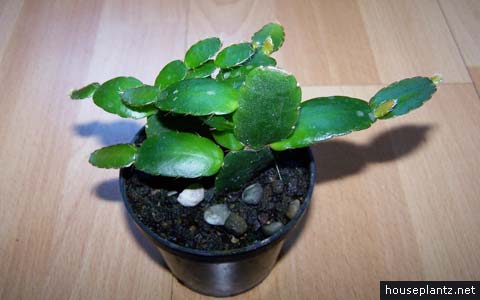
Before embarking on propagation, it is essential to appreciate what makes Hatiora so captivating. Known as “ric-rac cactus” or “holiday cactus,” Hatiora species are epiphytic cacti native to the vibrant rainforests of Brazil. Their gracefully segmented stems and delicate blossoms bring a touch of tropical elegance indoors. Unlike desert cacti, Hatiora thrives in humidity and indirect light, a nuance that reflects in how they respond to propagation techniques. Grasping their unique growth habits lays the groundwork for successful multiplication.

Propagating Hatiora via Stem Cuttings
Stem cuttings stand as one of the most enthusiastic and straightforward methods to propagate Hatiora. This technique evokes a sense of immediacy—you snip a segment, plant it, and nearly envision new life blossoming from your effort. To begin, select a healthy, mature stem with several segments intact. Use sterilized scissors or a sharp knife to make a clean cut. Allow the cutting to callus over for several days in a shaded, dry place; this simple pause might feel trivial but is crucial to prevent rot upon planting.
Once callused, immerse the cutting’s base in rooting hormone to catalyze root development, although Hatiora can root successfully without it. Prepare a well-draining potting mix combining cactus soil with perlite or coarse sand. Insert the cutting about an inch deep, maintaining vertical support if necessary. Water sparingly, just enough to keep the soil moist but never soggy. Within a few weeks to a month, roots will emerge, heralding a successful propagation.
This technique is not only immensely satisfying but serves as a window into the resilience and regenerative brilliance of Hatiora. It’s a testament to nature’s capacity to multiply life from mere fragments—an inspiring notion that parallels growth in many facets of life.
Division: Unfurling New Beginnings from Mature Plants
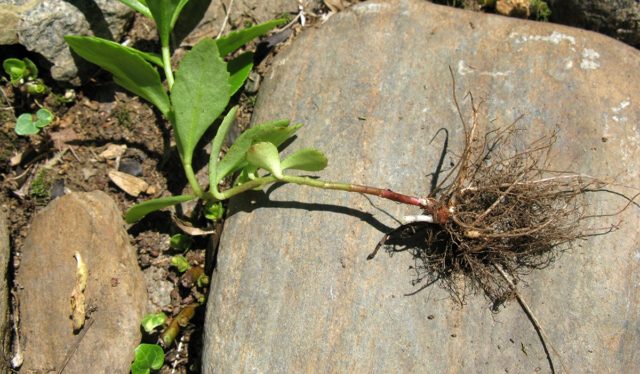
Another captivating approach to propagate Hatiora lies in division—the thoughtful separation of an overgrown or clumped plant into multiple thriving individuals. When your Hatiora has grown luxuriantly, often forming a dense cluster of stems and roots, it is primed for division. This method promises a profound connection with your plant—it’s as if you’re participating in a botanical dance, carefully teasing apart kin to foster new growth.
Begin by gently removing the plant from its pot. Brush off excess soil to reveal the root network. Observe the natural divisions where stems cluster with independent root masses. Using clean hands or a sterile knife, separate these clusters with minimal disturbance to the roots. Each division should boast at least a few segments and a healthy root system, ensuring independent viability.
Pot the divided sections into containers filled with fresh, well-aerated cactus mix. Position them in indirect light and maintain moderate moisture levels. Division often results in quicker establishment and more vigorous growth compared to cuttings because each division carries an existing root system. It’s a method that embodies balance—allowing nature’s segmented architecture to define new beginnings.
Environmental Nuances for Successful Propagation
Propagation success hinges not solely on technique but also on the surrounding environment—this is where the subtleties truly come to light. Hatiora favors humid atmospheres and temperatures ranging between 65-80°F (18-27°C). Placing cuttings or divisions in a warm, well-lit area with filtered sunlight conjures an ideal incubation chamber for root generation.
Maintaining ambient humidity via a plastic tent or gentle misting encourages hydration without drowning the cuttings. Overwatering is the perennial nemesis—stagnant moisture invites rot and fungal invasion. Equally important is air circulation, preventing mold that can thwart propagation efforts. Embracing this delicate equilibrium reveals a profound lesson: successful propagation is symbiotic stewardship, harmonizing human intervention with botanical rhythms.
Common Challenges and How to Overcome Them
Even with meticulous care, propagation journeys can encounter hurdles. The most frequent setbacks include cutting rot, weak root development, and plant stress. Rot typically festers when cuttings are planted before proper callusing or when soil remains too damp. Patience, in allowing the callus to form, is an invaluable safeguard.
Weak roots emerge when cuttings are placed in nutrient-poor media or deprived of adequate warmth. Using rooting hormones, enriching the soil slightly, or employing bottom heating mats can substantially improve root vigor. Additionally, shock after division or planting can be mitigated by shielding plants from direct sunlight and sudden temperature fluctuations.
Recognizing and responding to these challenges turns propagation into an evolving mastery. Each attempt deepens your botanical intuition, revealing that perseverance and adaptability are as vital as knowledge.
From Single Stem to Flourishing Flora: The Promise of Propagation
Propagating Hatiora is more than a horticultural task; it is an invitation to watch life unfold in microcosm. Cuttings and divisions offer dual pathways, each with its singular beauty—whether coaxing new roots from a lone stem or gently dividing an established plant to birth multiple companions. The process demands mindfulness and patience but rewards with lush, resilient new growth and a profound appreciation of plant vitality.
Ultimately, propagating Hatiora shifts one’s perspective from passive observer to active cultivator, nurturing growth and transformation. Each snip, each separation echoes the boundless potential embedded within nature, beckoning gardeners to create not just more plants, but hope and continuity. Among these segmented stems lies an allegory of renewal, waiting for your careful hands to set it into motion.
FAQ
What is Hatiora?
Hatiora is a genus of epiphytic cacti known for their segmented stems and vibrant flowers, typically grown indoors.
How long does it take for Hatiora cuttings to root?
Roots typically emerge within a few weeks to a month after planting the cuttings.
What conditions are best for propagating Hatiora?
Hatiora thrives in humid environments with temperatures between 65-80°F (18-27°C) and indirect sunlight.



Leave a Reply