
Short Answer
In the verdant tapestry of cactus cultivation, few debates stir as much horticultural fervor as the eternal tussle between full sun and partial shade for Rebutia species. These diminutive globes of spiny splendor, hailing from the Andean highlands, have long captivated enthusiasts with their vibrant blooms and resilient demeanor. Yet, the question lingers like a stubborn weed: how much sunlight do these succulents truly crave? To unravel this enigma, we must venture beyond the surface of mere light exposure and delve into the intricate dance of morphology, physiology, and environmental adaptation that defines Rebutia’s relationship with the sun.
The Myth of the Sun-Worshipping Cactus
Conventional wisdom often paints cacti as indomitable sun-seekers, thriving under the relentless gaze of the midday sun. While this holds true for many desert-dwelling species, Rebutia defies such simplistic categorization. Native to the high-altitude regions of Bolivia and Argentina, these plants endure intense UV radiation yet have evolved to flourish in the dappled light of rocky outcrops and alpine meadows. Their compact, cushion-like forms are not merely aesthetic quirks but ingenious adaptations to mitigate solar stress. The dense spination characteristic of Rebutia serves as a natural sunscreen, diffusing harsh light and reducing transpiration. Thus, the notion of Rebutia as a sun-obsessed botanical titan is a half-truth at best—a myth perpetuated by oversimplified horticultural dogma.
The Spectrum of Light: Beyond Full Sun and Partial Shade
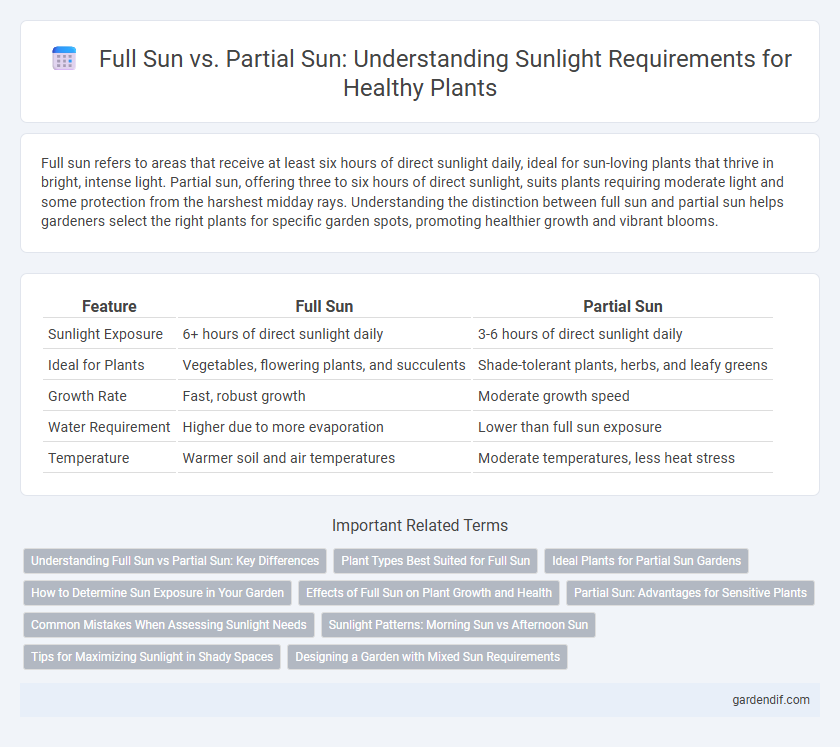
To grasp Rebutia’s light requirements, we must first dismantle the binary of “full sun” versus “partial shade.” The reality is far more nuanced, a spectrum where light intensity, duration, and quality intersect. Rebutia thrives in bright, indirect light—a Goldilocks zone where the sun’s rays are ample but not oppressive. Morning sunlight, with its gentler UV index, is ideal, while the harsh afternoon glare can scorch delicate stems. In their natural habitat, Rebutia often grows beneath the protective canopy of shrubs or within the crevices of rocky formations, where light is filtered and diffused. This subtlety underscores the importance of replicating such conditions in cultivation, lest we subject these plants to the equivalent of a botanical sunburn.
Signs of Light Stress: Decoding Rebutia’s Silent Pleas
Rebutia, like all living organisms, communicates its needs through subtle yet unmistakable signals. A plant basking in too much sun may exhibit a bleached, yellowed epidermis, a telltale sign of chlorophyll degradation. Conversely, a Rebutia languishing in insufficient light will stretch its stems in a desperate bid for illumination, a phenomenon known as etiolation. The vibrant hues of its flowers may also dim, as if the plant’s energy is diverted from reproduction to mere survival. These visual cues are not mere aesthetic concerns but critical indicators of environmental imbalance. By learning to read them, cultivators transform from mere caretakers into interpreters of botanical language, attuned to the whispers of their spiny charges.
The Role of Altitude: Why Rebutia’s Native Highlands Matter
The Andean highlands, where Rebutia flourishes, are not merely a geographic location but a crucible of evolutionary adaptation. At elevations exceeding 3,000 meters, these plants endure intense solar radiation, yet the thin atmosphere and frequent cloud cover temper the sun’s ferocity. This paradoxical environment has sculpted Rebutia into a master of compromise—equally adept at soaking up the sun’s bounty and retreating into the shelter of shade when necessary. In cultivation, replicating this dynamic requires a delicate balance: a location where light is abundant but not unrelenting, where the sun’s rays are filtered through the leaves of companion plants or the lattice of a greenhouse. Ignoring this altitudinal context risks reducing Rebutia to a mere ornamental curiosity, rather than a resilient survivor of extreme conditions.
Practical Cultivation: Crafting the Ideal Light Environment
For the aspiring Rebutia enthusiast, the path to horticultural enlightenment begins with observation. A south-facing windowsill may provide the perfect balance of light for a windowsill collection, while a greenhouse or shade cloth becomes essential in regions with scorching summers. The key lies in gradual acclimation—introducing plants to new light conditions incrementally to prevent shock. During the growing season, a regimen of morning sun and afternoon shade often yields the best results, while winter dormancy calls for a reduction in light intensity to mimic the shorter days of the Andean winter. Tools such as light meters or even smartphone apps can demystify the process, offering quantifiable data to guide decisions. Yet, no tool can replace the intuitive bond between cultivator and plant, a relationship built on patience and attentiveness.
The Deeper Fascination: What Rebutia Teaches Us About Adaptation
Beyond the practicalities of cultivation, Rebutia invites us to ponder the broader implications of adaptation. In a world where climate change threatens to upend ecosystems, these plants stand as a testament to nature’s ingenuity. Their ability to thrive in marginal conditions—where light is both a blessing and a curse—challenges our preconceptions about what it means to flourish. Rebutia does not merely survive; it thrives by embracing contradiction, by finding harmony in the interplay of light and shadow. This duality is not confined to the botanical realm but resonates with human experiences of resilience and adaptability. In cultivating Rebutia, we are not just nurturing a plant; we are engaging in a dialogue with the forces that shape life itself.
Conclusion: A Call to Rethink Light Requirements
The debate over Rebutia’s light requirements is not merely a horticultural quibble but a microcosm of our relationship with nature. By moving beyond the rigid binaries of “full sun” and “partial shade,” we honor the complexity of these remarkable plants and the environments that shaped them. Rebutia does not demand unrelenting sunlight; it asks for understanding, for a cultivation approach that mirrors the subtleties of its native habitat. In doing so, we not only cultivate healthier plants but also cultivate a deeper appreciation for the delicate balance that sustains life. So let us tend to our Rebutia with the same care and nuance it deserves, and in doing so, rediscover the wonder of adaptation in all its forms.
FAQ
What are the best lighting conditions for Rebutia cacti?
Rebutia cacti prefer bright, indirect sunlight and can tolerate some morning sun.
What happens if Rebutia receives too much sunlight?
Excessive sunlight can lead to yellowing of the plant and potential damage to its structure.
Leave a Reply