
Short Answer
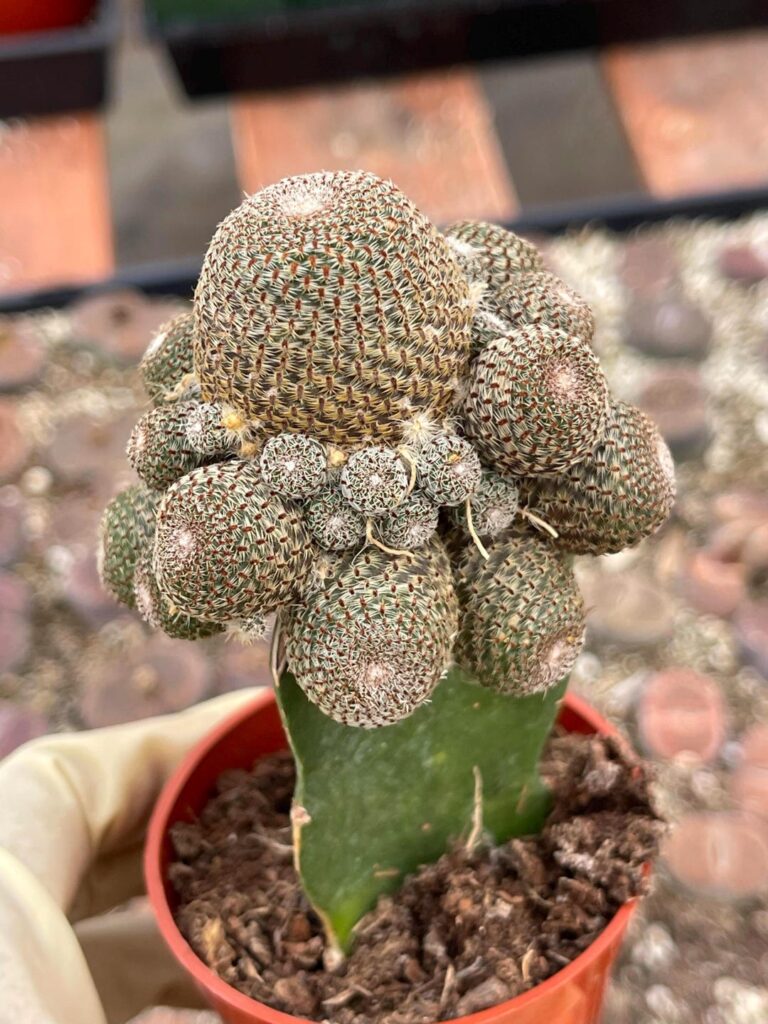
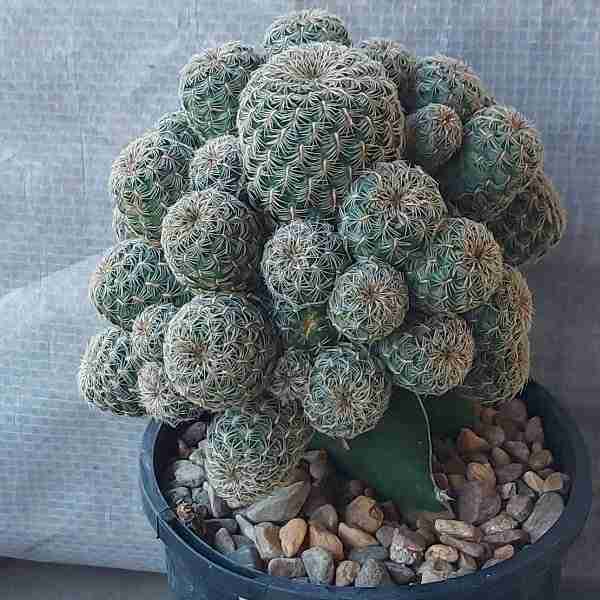
Imagine a single plant, a humble cactus, standing at the intersection of two worlds—one rooted in the arid earth, the other reaching for the sky. This is the art of Rebutia grafting, a horticultural alchemy that fuses the tenacious spirit of one cactus with the vibrant potential of another. It’s not just a technique; it’s a rebellion against the limits of nature, a way to coax life into forms that defy expectation. Whether you’re a seasoned collector or a curious newcomer, grafting Rebutia onto other cacti promises to transform your collection from ordinary to extraordinary. But how does this work? What secrets lie in the union of these spiky allies? Let’s dig deeper.
The Allure of Rebutia: Why This Tiny Titan Captivates Growers
Rebutia cacti are the understated heroes of the succulent world. Small, globular, and often adorned with fiery blooms, they thrive in the harshest conditions, their resilience mirrored in the growers who adore them. Native to the high-altitude regions of South America, these cacti have evolved to store water like liquid gold and photosynthesize under the harshest sun. But their true magic lies in their adaptability—traits that make them perfect candidates for grafting. When paired with a stronger, faster-growing rootstock, Rebutia doesn’t just survive; it thrives in ways that would leave its earthbound siblings in awe. The result? A plant that grows faster, blooms more prolifically, and sometimes even changes color, as if painted by the hands of a mischievous botanical artist.
Choosing Your Rootstock: The Unsung Hero of Grafting
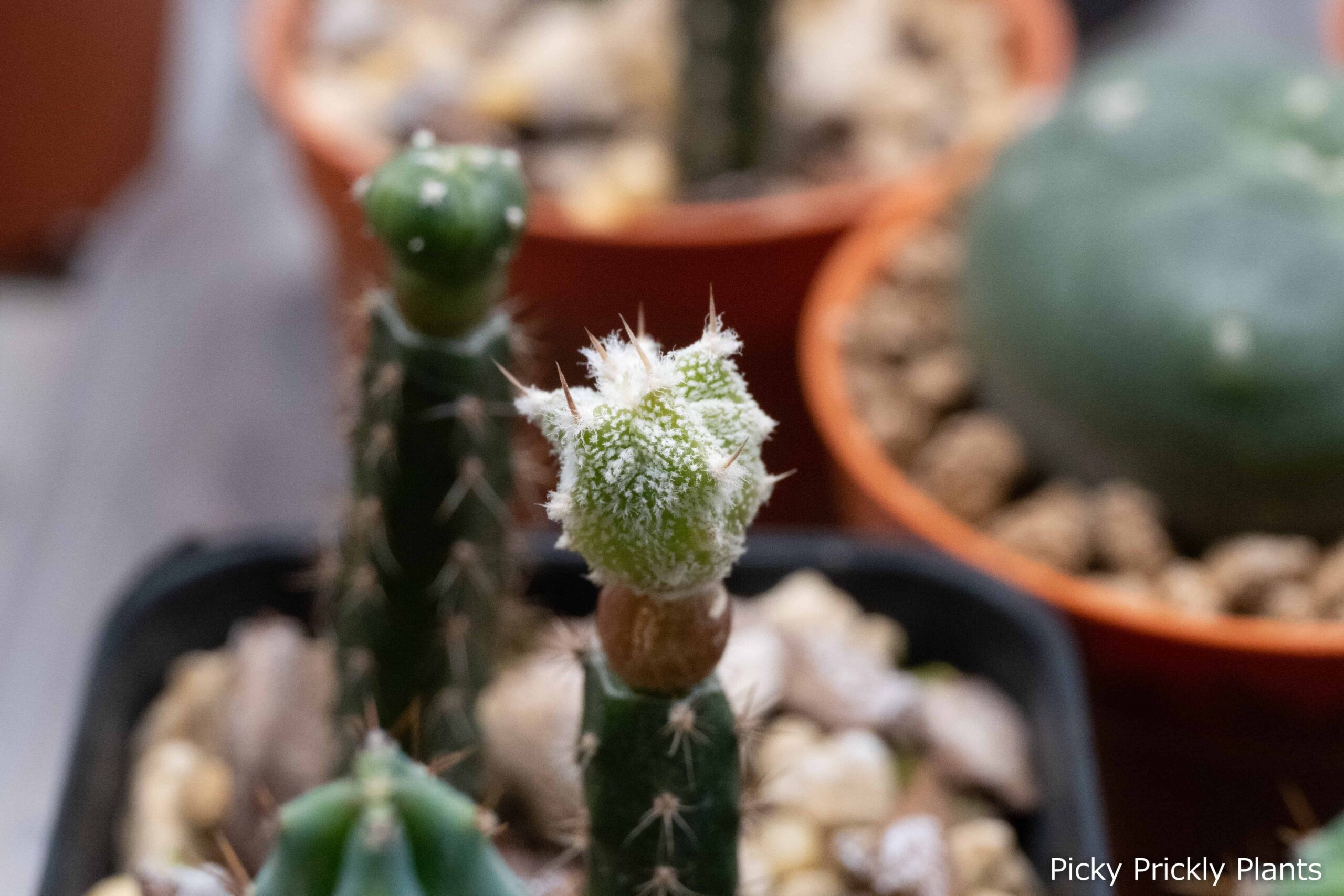
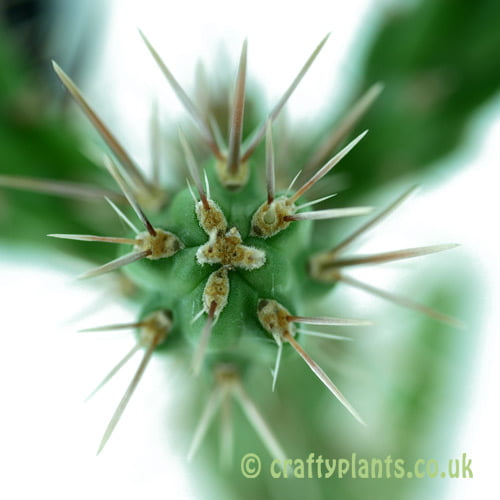
The rootstock is the silent partner in this botanical marriage, the sturdy foundation upon which your Rebutia’s dreams are built. Not all cacti make suitable partners—some are too delicate, others too slow-growing. The ideal rootstock should be robust, disease-resistant, and quick to heal. Hylocereus, the dragon fruit cactus, is a popular choice, its fast growth and thick stems providing ample nourishment. Pereskiopsis, with its pencil-thin stems, is another favorite, especially for beginners, as it grafts with ease and encourages rapid growth. Then there’s Selenicereus, the night-blooming cereus, whose sprawling habit makes it a versatile host. Each rootstock brings its own personality to the union, influencing the speed, size, and even the color of your grafted Rebutia. The choice isn’t just practical—it’s an artistic decision.
The Grafting Process: A Dance of Precision and Patience
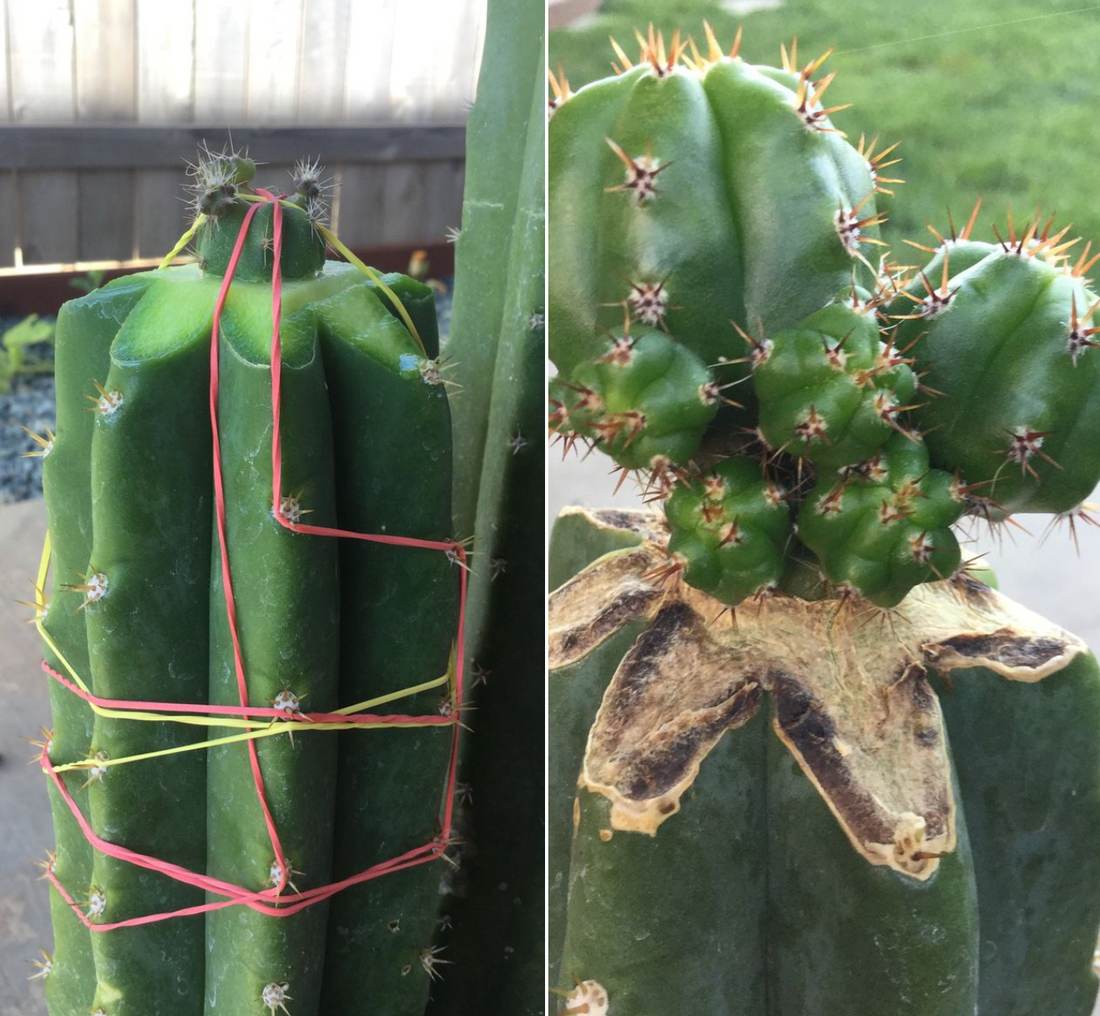
Grafting is where science meets intuition. The first step is to select a healthy Rebutia and a compatible rootstock. Using a sharp, sterilized blade, you’ll make a clean cut on both plants—horizontal for the rootstock, slightly angled for the Rebutia to maximize contact. The key here is speed; the cambium layers (the plant’s circulatory system) must align perfectly for the graft to take. Once the pieces are pressed together, they’re secured with grafting tape or rubber bands, creating a bond that’s as much about pressure as it is about patience. Within days, the magic begins. The Rebutia’s tissues fuse with the rootstock’s, and if all goes well, the graft will knit together seamlessly. But be warned: not every attempt succeeds. The first time might feel like a high-stakes gamble, but each failure is a lesson in the delicate art of plant surgery.
Post-Graft Care: Nurturing the Newborn Hybrid
A grafted Rebutia isn’t out of the woods just because the surgery is over. The first few weeks are critical. Keep the plant in bright, indirect light—too much sun can scorch the delicate new union, while too little will stunt its growth. Water sparingly; the rootstock may be thirsty, but the grafted top needs time to establish itself. Humidity is your ally here, so consider a humidity dome or a lightly misted environment to encourage healing. Watch for signs of stress: wrinkled skin, soft spots, or a refusal to grow. These are the plant’s way of whispering, “I need help.” Adjust your care accordingly, and remember—patience is your greatest tool. A successful graft can take weeks to fully stabilize, but the reward is a plant that seems to defy the laws of nature.
The Aesthetic Revolution: What Grafting Unlocks in Your Collection
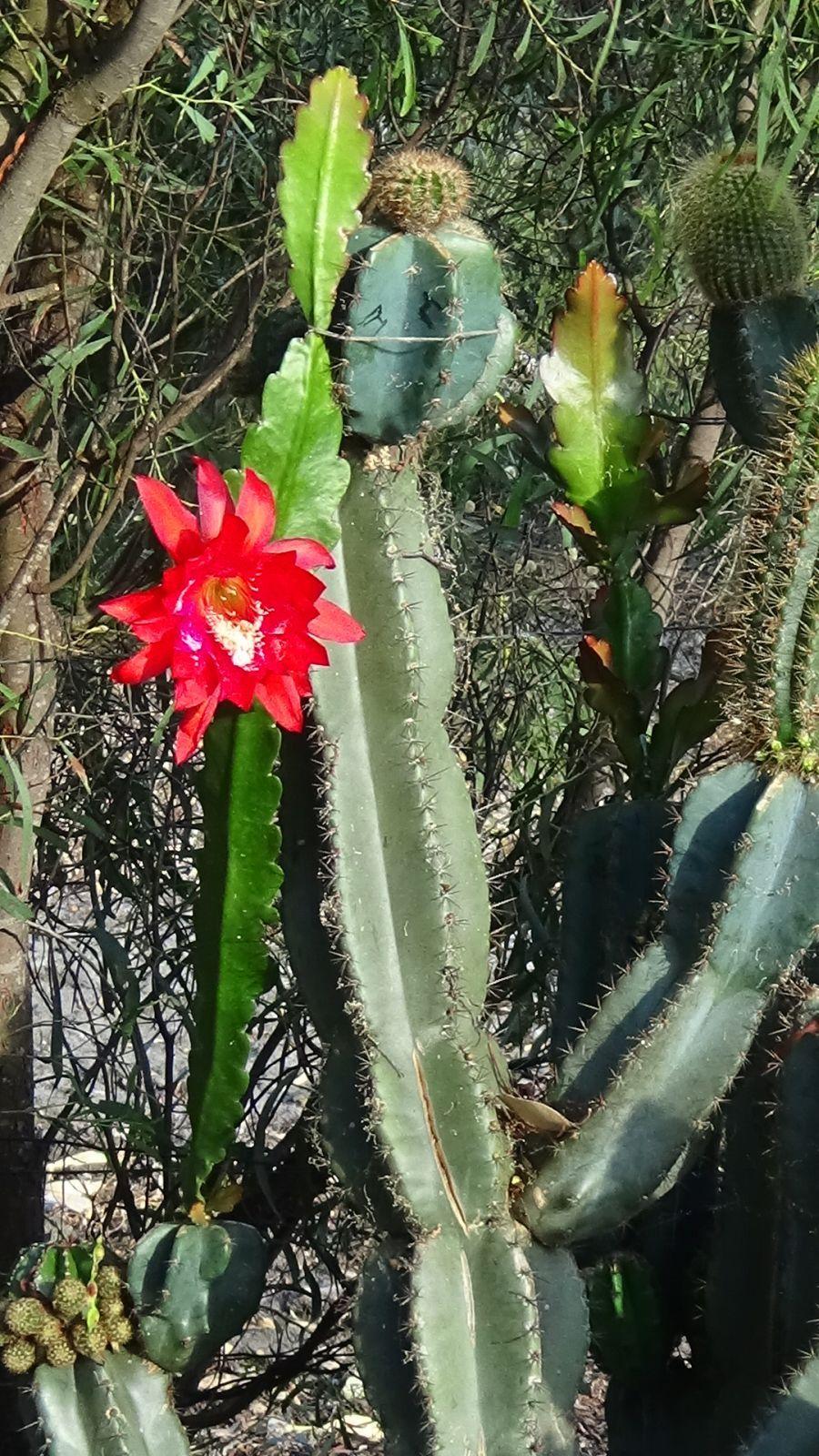
Beyond the practical benefits, grafting is a gateway to creativity. Imagine a Rebutia grafted onto a Myrtillocactus rootstock, its blue-green stems contrasting with the fiery red of the top. Or a Trichocereus host, its columnar form giving way to a cluster of neon-pink Rebutia blooms. The possibilities are limited only by your imagination. Grafting can also revive struggling plants, turning a sad, etiolated Rebutia into a thriving, colorful centerpiece. It’s a way to experiment with color, shape, and growth habits without waiting years for nature to do its work. For collectors, it’s an endless playground. For artists, it’s a living canvas. And for the rebellious gardener? It’s a way to bend the rules of what a cactus *should* look like.
Common Pitfalls and How to Avoid Them
Even the most seasoned growers stumble. One of the biggest mistakes is choosing a rootstock that’s too slow-growing, leaving the Rebutia top starved for nutrients. Another is poor alignment—if the cambium layers don’t meet, the graft will fail. Overwatering is a silent killer, as is exposing the plant to direct sun too soon. Pests, too, can sabotage your efforts; mealybugs and scale insects love to set up camp in the crevices of a fresh graft. Prevention is key: sterilize your tools, inspect your plants regularly, and quarantine new additions to your collection. And if a graft fails? Don’t despair. Every attempt teaches you something new about the hidden resilience of these desert dwellers.
The Future of Grafting: A Glimpse into Tomorrow’s Cacti
Grafting isn’t just a hobby—it’s a glimpse into the future of horticulture. As climate change reshapes our world, techniques like grafting could help us cultivate plants that are more resilient, more adaptable, and more beautiful than ever before. Scientists are already experimenting with grafting to create drought-resistant crops and faster-growing ornamentals. For cactus enthusiasts, this means a world where rare and exotic species become more accessible, where the boundaries between species blur, and where every plant tells a story of human ingenuity. The next time you see a grafted Rebutia, remember: you’re not just looking at a plant. You’re looking at the future.
FAQ
What is grafting in cacti?
Grafting is a horticultural technique that involves joining two plants together so they grow as one, often to enhance growth or resilience.
Can any cactus be used as rootstock for Rebutia?
Not all cacti are suitable; ideal rootstocks should be robust, disease-resistant, and fast-growing.
What care is needed after grafting?
Keep the graft in bright, indirect light, water sparingly, and maintain humidity for optimal healing.
Leave a Reply