
Short Answer
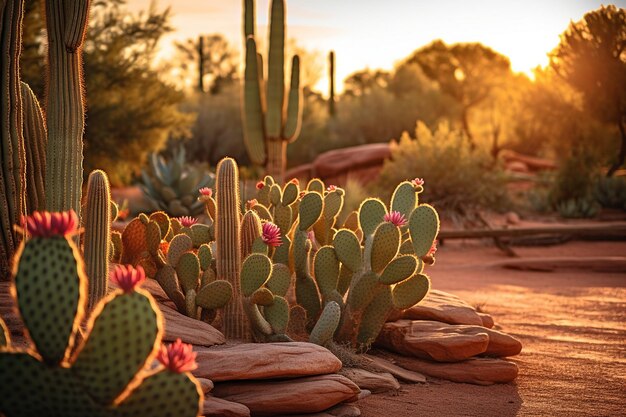
The diminutive, jewel-like cacti of the Rebutia genus often elicit an immediate sense of wonder. Their vibrant, funnel-shaped blooms—bursting forth in fiery oranges, deep purples, and luminous pinks—seem to defy the harshness of their native Andean habitats. Yet, beneath the surface of this botanical spectacle lies a question that lingers like the morning mist over the high-altitude slopes they call home: Are Rebutia species truly endangered? To answer this, we must peel back the layers of their conservation status, the ecological threads that bind them to their environment, and the human hands that shape their fate.
The Current Conservation Status: A Patchwork of Vulnerabilities
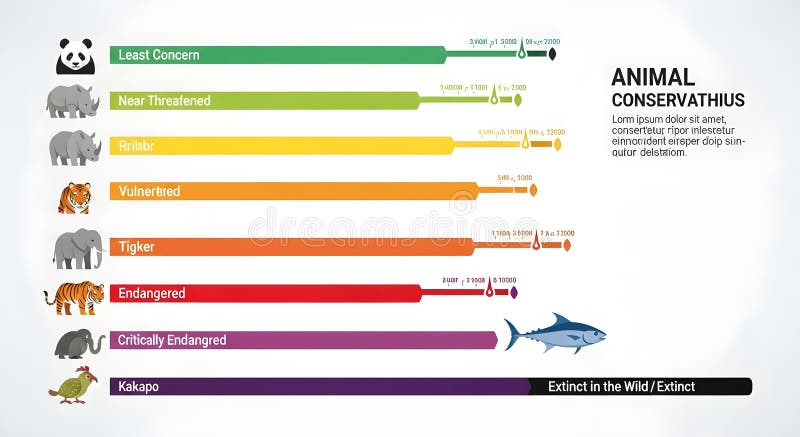
The Rebutia genus, comprising over 40 recognized species, presents a fragmented conservation landscape. While many species are not globally classified as endangered by major organizations like the IUCN, their status is far from uniform. Some, such as Rebutia heliosa and Rebutia perplexa, teeter on the brink of rarity due to their highly localized distributions. These species are often confined to microhabitats—specific rock crevices or narrow altitudinal bands—where even minor environmental shifts can spell disaster. Others, like Rebutia minuscula, are more widespread but face localized threats that could escalate into broader crises.
The IUCN Red List, the gold standard for conservation assessments, has yet to comprehensively evaluate all Rebutia species. This gap is not merely an oversight but a reflection of the genus’s taxonomic complexity. Many Rebutia species were historically misclassified or lumped together under broader names, obscuring their true rarity. Recent taxonomic revisions have begun to clarify these distinctions, but the lag in formal assessments means that conservation efforts often proceed without a full understanding of the stakes.
Habitat Loss: The Silent Erosion of Andean Canyons
The primary threat to Rebutia species is the relentless encroachment of human activity into their fragile ecosystems. The Andes, a global biodiversity hotspot, have become a battleground between conservation and development. Mining operations, agricultural expansion, and urban sprawl carve into the high-altitude grasslands and rocky outcrops where these cacti thrive. Even seemingly innocuous activities, such as the collection of firewood or the grazing of livestock, can disrupt the delicate balance of these habitats, leaving Rebutia species vulnerable to desiccation or competition from invasive plants.
Climate change exacerbates these pressures. The Andes are warming at nearly twice the global average rate, altering precipitation patterns and shortening the already brief growing seasons of Rebutia species. Droughts, once a rare phenomenon in these regions, now parch the soil, while unseasonal frosts—triggered by shifting atmospheric currents—can devastate flowering cycles. For a genus so finely attuned to its environment, these changes are not just threats; they are existential crises.
Illegal Trade: The Double-Edged Sword of Horticultural Fame
Ironically, the very traits that make Rebutia species so beloved in cultivation—their compact size, striking flowers, and ease of propagation—have also made them targets for the illegal plant trade. Enthusiasts and collectors often pay premium prices for rare or newly described species, creating a black market that thrives on exploitation. The demand for Rebutia species has led to widespread poaching, with plants ripped from their natural habitats to satisfy the whims of private collections.
This trade is not merely a matter of greed; it is a symptom of deeper systemic issues. The lack of regulation in many Andean countries, combined with poverty and limited economic alternatives, drives local communities to participate in the extraction of these cacti. Without sustainable livelihoods, the allure of quick cash often outweighs the long-term value of preserving these species in situ. Conservationists are now grappling with how to balance the legitimate horticultural interest in Rebutia with the need to protect wild populations.
Conservation Efforts: From Seed Banks to Community Stewardship
Despite these challenges, a wave of conservation initiatives is gaining momentum. Seed banking has emerged as a critical tool for safeguarding Rebutia species. Organizations like the Millennium Seed Bank Partnership and local botanical gardens are collecting and preserving seeds from wild populations, ensuring that genetic diversity is not lost even if habitats disappear. These seed banks serve as living libraries, ready to be deployed in restoration efforts or to reintroduce species into the wild.
Community-based conservation is another promising frontier. In regions where Rebutia species are native, local organizations are partnering with indigenous communities to develop sustainable harvesting practices. By cultivating Rebutia species in controlled environments—such as greenhouses or community gardens—these initiatives reduce the pressure on wild populations while providing economic benefits. Education plays a pivotal role here, as communities learn to value these cacti not just as commodities but as keystone species in their ecosystems.
Scientific research is also shedding light on the ecological roles of Rebutia species. Studies have revealed that these cacti serve as vital nectar sources for high-altitude pollinators, including hummingbirds and native bees. Their decline could trigger cascading effects, disrupting entire food webs. This newfound understanding is fostering collaborations between botanists, ecologists, and conservationists, creating a more holistic approach to protecting these species.
The Role of Cultivation: A Double-Edged Horticultural Sword
The global cultivation of Rebutia species presents both a challenge and an opportunity. On one hand, the widespread propagation of these cacti in nurseries and private collections reduces the demand for wild-harvested specimens. Many enthusiasts now grow their own Rebutia from seed or cuttings, creating a self-sustaining cycle that alleviates pressure on natural populations. This shift is particularly evident in regions where Rebutia species are not native, as hobbyists cultivate them in controlled environments far from their Andean origins.
However, cultivation is not without its pitfalls. The ease with which Rebutia species can be propagated has led to a proliferation of hybrid varieties, some of which lack the genetic resilience of their wild counterparts. These cultivated forms, while beautiful, may not possess the adaptations necessary to survive in the wild. Additionally, the commercialization of Rebutia hybrids has created a secondary market that can overshadow the conservation needs of wild species. Conservationists must navigate this complex landscape, advocating for the preservation of wild genetic lines while acknowledging the role of cultivation in reducing illegal trade.
What the Future Holds: A Call to Action
The fate of Rebutia species hinges on a delicate balance between preservation and progress. While their diminutive stature may make them easy to overlook, their ecological importance and botanical beauty demand our attention. The path forward requires a multifaceted approach: rigorous habitat protection, sustainable cultivation practices, and community engagement. It also demands that we confront the uncomfortable truths about our role in their decline—whether through climate change, habitat destruction, or the unchecked desires of collectors.
For those who have ever marveled at a Rebutia in bloom, the question of its endangered status is not merely academic. It is a reminder that even the smallest organisms are woven into the tapestry of life, and their loss echoes through the ecosystems they support. The future of these cacti is not yet written, but with concerted effort, we can ensure that their jewel-like flowers continue to adorn the Andean highlands for generations to come.
FAQ
Are Rebutia species endangered?
While many Rebutia species are not classified as endangered globally, some are rare and face significant threats.
What are the main threats to Rebutia species?
The primary threats include habitat loss due to human activity, climate change, and illegal trade.
What conservation efforts are being made for Rebutia species?
Conservation initiatives include seed banking, community-based conservation, and scientific research.



Leave a Reply