
Short Answer
Picture this: a prickly pear cactus, its pads plump with moisture, its spines glinting in the desert sun. It’s a symbol of resilience, a survivor in the harshest landscapes. But what if I told you that beneath its stoic exterior lies a shadowy underworld—one where these very cacti are smuggled across borders, plucked from protected lands, and sold as mere trinkets? The illegal cactus trade isn’t just a niche problem; it’s a global crisis threatening biodiversity, indigenous cultures, and even your next impulse purchase. Before you add that “rare” cactus to your cart, let’s peel back the layers of this thorny issue.
The Cactus Paradox: Beauty with a Dark Side
Cacti are the poster children of the plant world—hardy, exotic, and endlessly photogenic. Yet their popularity has birthed a paradox: the more desirable they become, the more they’re stripped from their natural habitats. In the wild, cacti are slow-growing marvels, some taking decades to mature. A single theft can erase years of ecological balance. The illegal trade thrives on this fragility, preying on species like the Lophophora williamsii (peyote) or the Echinocactus grusonii (golden barrel cactus), which are nearly impossible to cultivate at scale. When you buy a cactus without provenance, you might unknowingly fund a chain that ends in ecological collapse.
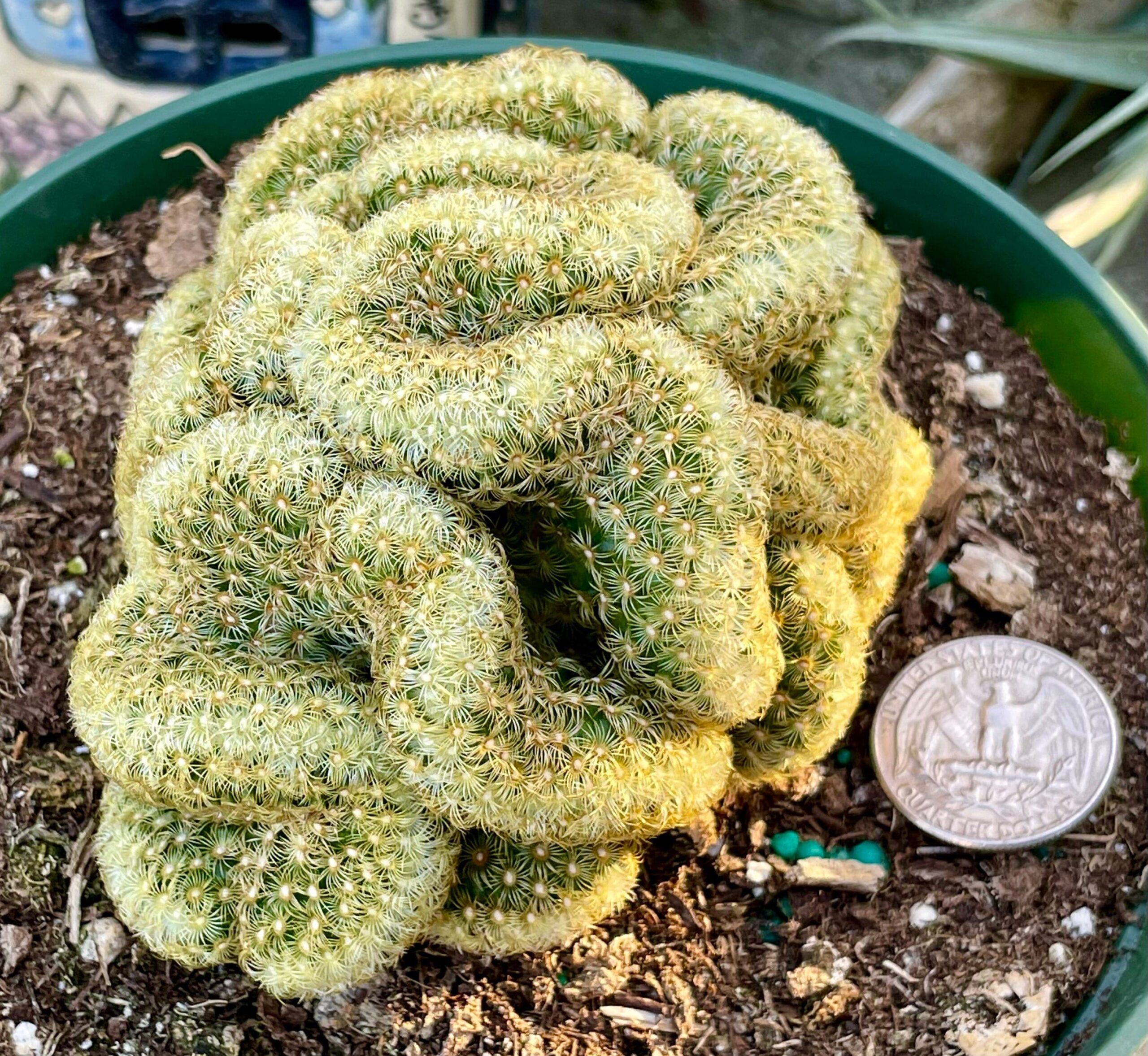
Consider the Mammillaria herrerae, a tiny, snow-white cactus from Mexico. Its rarity makes it a trophy for collectors, but its removal from the wild can doom entire populations. The irony? Many of these plants die in transit or shortly after purchase, their roots unable to adapt to artificial environments. You’re not just buying a plant; you’re buying a gamble with extinction.
The Roots of the Problem: Why Cacti Are a Smuggler’s Dream
The illegal cactus trade is a hydra-headed beast, fed by demand, lax regulations, and the internet’s borderless marketplace. Unlike drugs or weapons, cacti don’t require lab equipment or shipping containers—they fit in a shoebox. Social media amplifies the problem, with platforms like Instagram and TikTok turning rare specimens into viral sensations. A single viral post can spark a feeding frenzy, with poachers racing to strip protected lands bare.
Then there’s the issue of mislabeling. A “sustainably grown” cactus might be a wild-collected specimen repackaged for profit. Even reputable sellers can be duped, as the supply chain for cacti is notoriously opaque. The Convention on International Trade in Endangered Species (CITES) regulates some species, but enforcement is patchy. In 2022, European customs seized over 5,000 illegally traded cacti in a single operation—a drop in the bucket compared to the true scale of the problem.
And let’s not forget the human cost. Indigenous communities, particularly in Mexico and the southwestern U.S., have long cultivated cacti sustainably. The illegal trade disrupts these traditions, replacing centuries-old knowledge with black-market exploitation. When you buy a cactus without asking where it came from, you’re complicit in erasing these cultural ties.
Spines and Stigma: The Legal Gray Areas
The line between legal and illegal cactus trade is as jagged as a saguaro’s ribs. Some species, like the Opuntia (prickly pear), are abundant and widely cultivated, making their trade legal. Others, like the Turbinicarpus genus, are protected under CITES Appendix I, banning all international trade. But enforcement is inconsistent. In 2023, a German collector was fined €10,000 for importing Turbinicarpus without permits—yet similar cases slip through the cracks daily.
Even within legal markets, loopholes abound. “Wild-collected” cacti can be sold if they were gathered before CITES protections took effect. Some sellers exploit this by claiming their plants are “pre-CITES,” a term that’s as flimsy as it sounds. Others rely on vague terms like “nursery-grown,” which could mean anything from a backyard propagation to a clear-cut operation in the Chihuahuan Desert.
The result? A marketplace where trust is the only currency—and it’s in short supply. Without third-party certifications or transparent sourcing, how can you be sure your cactus wasn’t wrenched from the earth last week? The answer lies in asking the right questions and demanding proof of sustainable cultivation.
The Desert’s Silent Victims: Ecological Fallout
Every cactus ripped from the wild leaves a scar—a gap in the ecosystem that may never heal. Cacti are keystone species, providing food and shelter for birds, insects, and mammals. When they disappear, entire food webs unravel. In the Sonoran Desert, the decline of Ferocactus species has been linked to plummeting populations of desert tortoises, which rely on their fruits for sustenance.
Then there’s the issue of genetic erosion. Wild cacti are adapted to their specific microclimates; when poached, their genetic diversity dwindles. This makes surviving populations more vulnerable to disease and climate change. The Echinocactus horizonthalonius (blue barrel cactus), once widespread in Texas, is now listed as endangered in the state due to overharvesting. Its loss isn’t just a tragedy for cactus lovers—it’s a loss for the entire desert ecosystem.
Even “common” cacti like the Echinopsis species face threats. The demand for fast-growing, hybrid varieties has led to the overharvesting of wild stock for breeding programs. The result? A genetic bottleneck that could doom future generations of these plants. The irony is cruel: the cacti we prize for their uniqueness are being homogenized into oblivion.
How to Buy Ethically: A Buyer’s Guide to Conscious Cacti
So, how do you break the cycle? Start by voting with your wallet. Seek out sellers who provide detailed documentation, including photos of the plant in its original growing conditions and proof of propagation (not wild collection). Reputable nurseries will label their plants with botanical names, cultivation methods, and even the region where the parent stock was sourced. If a seller can’t—or won’t—provide this information, walk away.
Look for certifications like the Cactus and Succulent Society of America’s (CSSA) “Plants of Merit” program, which recognizes sustainably grown specimens. Another red flag? Prices that seem too good to be true. A Lophophora diffusa (a rare Mexican cactus) for $20 is likely wild-collected; the same plant ethically propagated might cost $100 or more. Remember: cheap cacti often come with a hidden ecological price tag.
Consider adopting instead of buying. Many rescue organizations and botanical gardens have surplus cacti in need of homes. You’ll not only avoid supporting the illegal trade but also give a plant a second chance. And if you’re determined to buy, prioritize species that are easy to cultivate, like Sedum or Echeveria, which are less likely to be poached.
Finally, spread the word. Share posts about ethical cactus cultivation, tag sellers who prioritize sustainability, and call out those who exploit loopholes. The more we normalize responsible buying, the harder it becomes for the black market to thrive.
The Future of Cacti: Can We Save Them Before It’s Too Late?
The fate of cacti hangs in a delicate balance—one that teeters between conservation and commerce. On one side, organizations like the IUCN Cactus Specialist Group are working to protect endangered species through habitat restoration and legal advocacy. On the other, the demand for rare cacti shows no signs of waning. The key to tipping the scales lies in education. Most people don’t realize they’re part of the problem; if they did, would they still click “buy now”?
Technology offers a glimmer of hope. Blockchain, for instance, could revolutionize plant tracking, creating immutable records of a cactus’s journey from seed to sale. Imagine scanning a QR code on a plant’s tag to see photos of its nursery, the grower’s credentials, and even drone footage of its original habitat. Such transparency could dismantle the illegal trade overnight—but only if consumers demand it.
Cultural shifts are also underway. In Mexico, indigenous groups are reclaiming their role as stewards of cactus biodiversity, blending traditional knowledge with modern conservation techniques. Projects like the Chihuahuan Desert Cactus Conservation Initiative are proving that sustainable cultivation can be profitable—without resorting to poaching. The message is clear: the future of cacti doesn’t have to be a thorny one.
What role will you play in this story? Will you be part of the problem, or the solution? The choice isn’t just about a plant on your windowsill—it’s about the deserts, the cultures, and the creatures that depend on these resilient survivors. The next time you’re tempted by a “rare” cactus, ask yourself: Is its beauty worth the price of its extinction?
FAQ
What is the illegal cactus trade?
The illegal cactus trade involves the smuggling and selling of cacti taken from their natural habitats, often leading to ecological harm and cultural disruption.
How can I buy cacti ethically?
Seek sellers who provide clear documentation of the cactus’s origin, cultivation methods, and certifications for sustainability.

Leave a Reply