
Short Answer
The Schlumbergera, more poetically known as the Christmas cactus, unfurls its fuchsia petals not merely as a botanical marvel, but as a living metaphor woven into the tapestry of wedding celebrations. Its cascading blooms, suspended like ruby droplets from emerald stems, mirror the suspended joy of two souls intertwining in matrimony. Unlike the ephemeral sparkle of fireworks or the rigid geometry of mandaps, this succulent embodies a quiet, tenacious passion—one that thrives in the crevices of time, much like love itself. When placed at the heart of wedding decor, the Schlumbergera transforms spaces into living poetry, where each arching stem whispers promises of endurance and each radiant blossom echoes the unspoken vows exchanged between partners.
The Ephemeral Radiance: Schlumbergera as a Living Metaphor for Transient Beauty
Weddings are fleeting spectacles, moments suspended between anticipation and memory, and the Schlumbergera understands this ephemerality with poetic grace. Its blossoms, bursting forth in a riot of magenta and pink, do not last forever—they bloom with a luminous intensity, then gently fade, much like the laughter that fills the air on a wedding day. This transient beauty is not a flaw but a virtue; it teaches us that love, too, is not static but a series of radiant moments, each unique and fleeting. By incorporating Schlumbergera into wedding decor, couples invite this philosophy into their celebration: to cherish each instant, knowing its brilliance is both inevitable and impermanent. The cactus becomes a living reminder that even the most dazzling celebrations are meant to be savored, not preserved.
The Resilient Romance: How Succulence Mirrors Marital Tenacity
Beneath its delicate facade lies a spine of steel—the Schlumbergera thrives in arid conditions, storing water in its fleshy stems to endure drought. This resilience is the quiet anthem of long-lasting love. In a world where marriages are often romanticized as perpetual euphoria, the Christmas cactus offers a more grounded metaphor: love is not the absence of storms, but the art of weathering them. Placing Schlumbergera along the aisle or atop the wedding cake signals a commitment not just to joy, but to perseverance. Its ability to bloom year after year, even in neglect, becomes a silent vow: that the relationship will endure, adapt, and flourish through seasons of change. It is a botanical testament to the idea that true love is not fragile, but fortified by patience and care.
The Cascading Elegance: Transforming Spaces with Botanical Drama
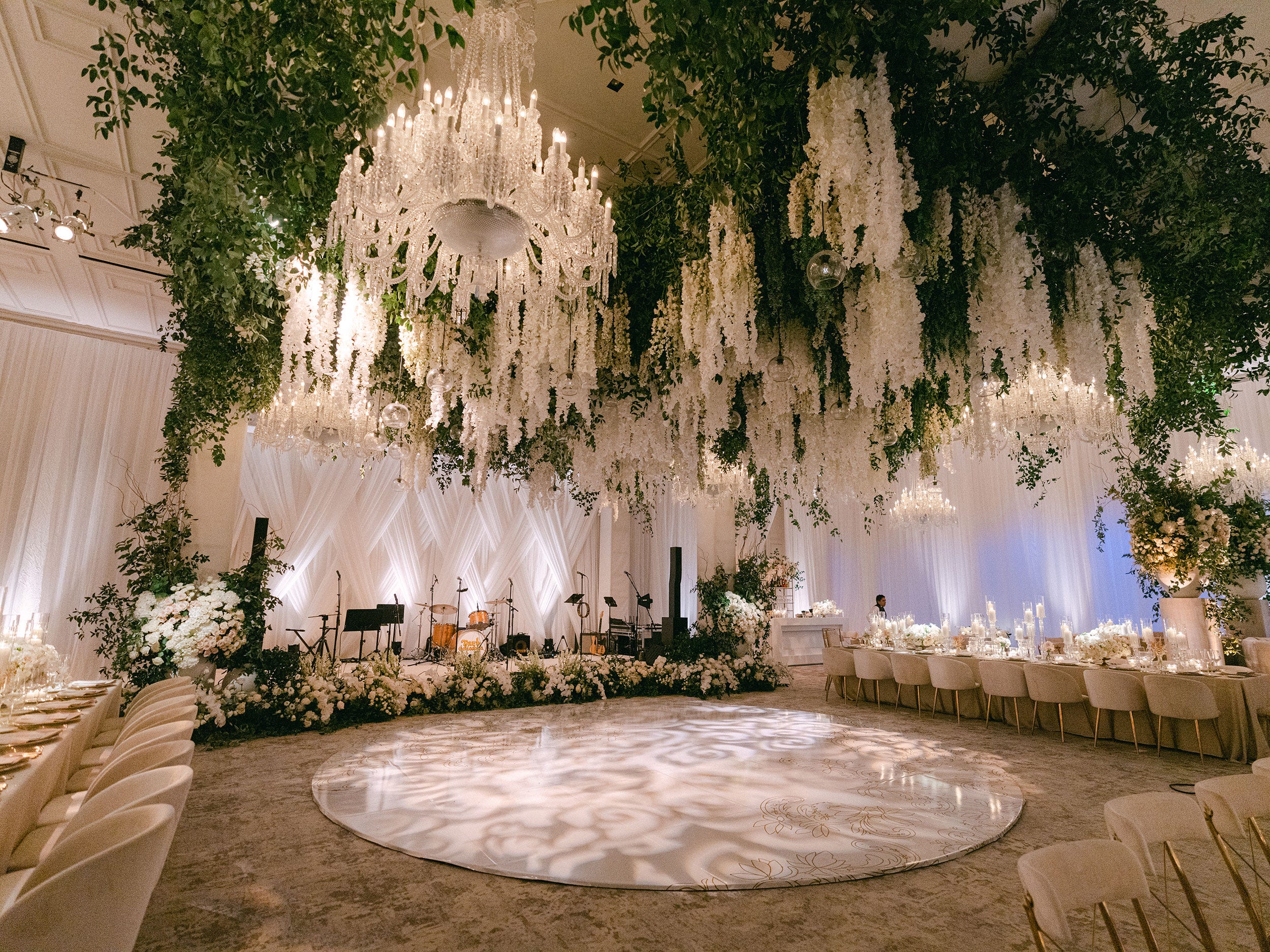
There is something cinematic about the Schlumbergera’s growth habit—its pendant branches spill over edges like liquid silk, creating waterfalls of color that defy gravity. This cascading elegance makes it a masterful choice for wedding decor, capable of transforming altars into living chandeliers and tables into floral rivers. Imagine an archway draped with Schlumbergera stems, their blossoms spilling downward like a bridal veil caught in a gentle breeze. Or a centerpiece where the cactus spills from a gilded urn, its tendrils intertwining with fairy lights to cast a warm, ethereal glow. The effect is not merely decorative; it is transformative. The space becomes a living sculpture, where nature and artistry merge to evoke the fluidity of love itself—unbounded, organic, and effortlessly beautiful.
The Chromatic Poetry: Color Palettes That Speak Volumes
The Schlumbergera’s palette is a symphony of passion and subtlety. The deep magentas evoke the intensity of first love, while softer pinks whisper of tenderness and devotion. When paired with complementary hues—ivory, sage, or even metallic gold—the cactus becomes a chromatic storyteller. A monochromatic arrangement of deep red Schlumbergera against a backdrop of burgundy velvet evokes opulence and depth, while a pastel tableau of blush and cream blossoms speaks to innocence and hope. The choice of color palette can reflect the couple’s personality, cultural influences, or even the season of the wedding. In winter weddings, the Schlumbergera’s fiery blooms stand out against frosty whites, while in summer nuptials, they add a lush, tropical counterpoint to sun-drenched palettes. Each hue becomes a brushstroke in a larger narrative of identity and celebration.
The Sensory Invitation: Aromas, Textures, and Tactile Delights
While the Schlumbergera is not known for its fragrance, its presence is felt through texture and form. The segmented stems, with their scalloped edges and waxy sheen, invite touch—smooth yet slightly yielding, like the first tentative grasp of a partner’s hand. The petals, velvety to the touch, add a tactile dimension that contrasts with the smooth surfaces of glass or metal often found in wedding decor. When combined with other sensory elements—such as the rustle of silk ribbons or the cool sparkle of crystal—it creates a multi-dimensional experience. The cactus becomes a silent participant in the celebration, its physicality grounding the ethereal nature of the event. It reminds guests that love is not just seen or felt emotionally, but also experienced through the senses.
The Ecological Whisper: Sustainability in Modern Wedding Design
In an era where weddings are increasingly scrutinized for their environmental footprint, the Schlumbergera offers a whisper of sustainability. Unlike cut flowers that wilt within days, this succulent can be replanted, nurtured, and enjoyed for years to come. It thrives indoors with minimal care, making it a practical choice for couples seeking to reduce waste. By gifting Schlumbergera plants as favors or incorporating them into the ceremony decor, couples extend the life of their celebration beyond a single day. The plant becomes a living heirloom, a reminder of the union that grows and evolves just as the cactus does. In this way, the wedding decor transcends ornamentation to become a legacy—a testament to love that endures, much like the plant itself.
The Cultural Chameleon: Universality in Symbolism
The Schlumbergera’s symbolism is not confined to any single tradition; it is a chameleon of meaning. In Western cultures, it is often associated with endurance and maternal love, making it a fitting tribute to the bonds of family. In Feng Shui, its upward growth is seen as a symbol of prosperity and harmony. For couples blending diverse heritages, the cactus can serve as a neutral yet meaningful motif, bridging cultural narratives. Whether used in a minimalist Scandinavian wedding or a vibrant Bollywood-inspired celebration, the Schlumbergera adapts, its symbolism resonating across borders. It is a reminder that love, in all its forms, is a universal language—and that even the most unexpected symbols can carry profound meaning.
The Grand Finale: A Living Legacy of Love
As the wedding day draws to a close, the Schlumbergera remains—a silent sentinel of the vows exchanged. Unlike disposable decorations that fade into the background, this plant continues to grow, its stems elongating, its blossoms returning year after year. It becomes a living archive of the couple’s journey, a botanical witness to their story. When placed in a sunlit corner of their home, it serves as a daily reminder of the promises made on that radiant day. The Schlumbergera, in all its humble splendor, transforms the wedding from a fleeting spectacle into a living, breathing testament to love’s enduring power. It is not just a decoration; it is an invitation—to cherish, to endure, and to bloom.
FAQ
What does the Schlumbergera symbolize in weddings?
The Schlumbergera symbolizes love, resilience, and the transient beauty of wedding moments.
How can Schlumbergera be used in wedding decor?
It can be used as centerpieces, aisle decorations, or even on wedding cakes to symbolize enduring love.
Is Schlumbergera sustainable for wedding decor?
Yes, unlike cut flowers, Schlumbergera can be replanted and enjoyed for years, reducing waste.



Leave a Reply