
Short Answer
Pressed flowers evoke an undeniable charm—delicate, timeless, and whispering stories of nature’s quiet elegance. Among these botanical treasures, cactus flowers hold a special allure. Their radiant hues and intricate forms, when captured through pressing, transform into exquisite pieces for artistic expression and craft. The process of pressing cactus flowers is not merely a preservation method; it is an enchanting metamorphosis that reveals the subtle beauty of these resilient blooms in an entirely new light. Prepare to embark on a captivating journey that redefines your appreciation of desert flora and unlocks unforeseen creative possibilities.
Understanding the Unique Nature of Cactus Flowers
Unlike many traditional blooms, cactus flowers boast a distinct texture and composition. They flourish in arid environments, evolving to conserve moisture and withstand harsh sunlit conditions. This resilience, however, translates into challenges when pressing them for crafts. Their sumptuous petals are often thick, waxy, and succulent—qualities that can complicate the drying and flattening process. Grasping the anatomy of cactus flowers is fundamental before approaching their preservation; this comprehension helps tailor your technique to accentuate their inherent splendor rather than diminish it.

Gathering and Preparing Your Cactus Flowers
Timing is critical when collecting cactus blooms for pressing. The flowers should be harvested at their prime—vibrant, unmarred, and just fully opened. Early morning is ideal since the flowers are crisp from the night’s moisture and at their firmest. Use sharp, sterilized scissors to snip flowers gently, minimizing bruising and damage. If your goal is to press the entire flower, including the stem, aim for shorter stems around 1 to 2 inches, as longer parts can complicate the pressing process.
Careful handling is paramount, especially when working with spiny cactus varieties. Wearing gloves not only protects your hands but also prevents oils from your skin affecting the flower’s freshness. Once harvested, blot excess moisture gently with a soft cloth—never rub. Excess water can prolong drying and invite rot, thwarting the press’s delicate balance.
The Art and Science of Pressing Cactus Flowers
Pressing cactus flowers demands finesse and an understanding of how moisture dissipates without compromising color and form. Traditional book pressing is a familiar method, but cactus flowers often require a more refined approach. Begin by layering your blooms between two sheets of absorbent parchment or blotting paper—these act as moisture wicks.
Next, place the flower packet within a sturdy plant press or beneath the heavyweight of stacked books. Applying uniform pressure is essential to avoid crumpling the petals. Unlike softer flowers, cactus blooms may take longer to dry—often two to three weeks—due to their succulent nature. Patience here cannot be overstated; rushing results in discoloration or curling.
Optimizing the Drying Environment for Best Results
Environmental conditions play a crucial role during the drying phase. A warm, dry, and well-ventilated spot accelerates moisture evaporation, safeguarding against mold and premature decay. Avoid locations prone to humidity, such as kitchens or bathrooms. Sometimes, gentle air circulation via a fan can be advantageous but steer clear of direct sunlight, which can bleach the vibrant pigments of cactus flowers.
To maintain the integrity of color and texture, regularly check your pressing setup every few days. Swap out parchment papers if they become damp, and adjust the pressure if the flowers seem distorted. The goal is a slow, steady transformation—not a hurried flattening.
Revitalizing Pressed Cactus Flowers for Artistic Crafts
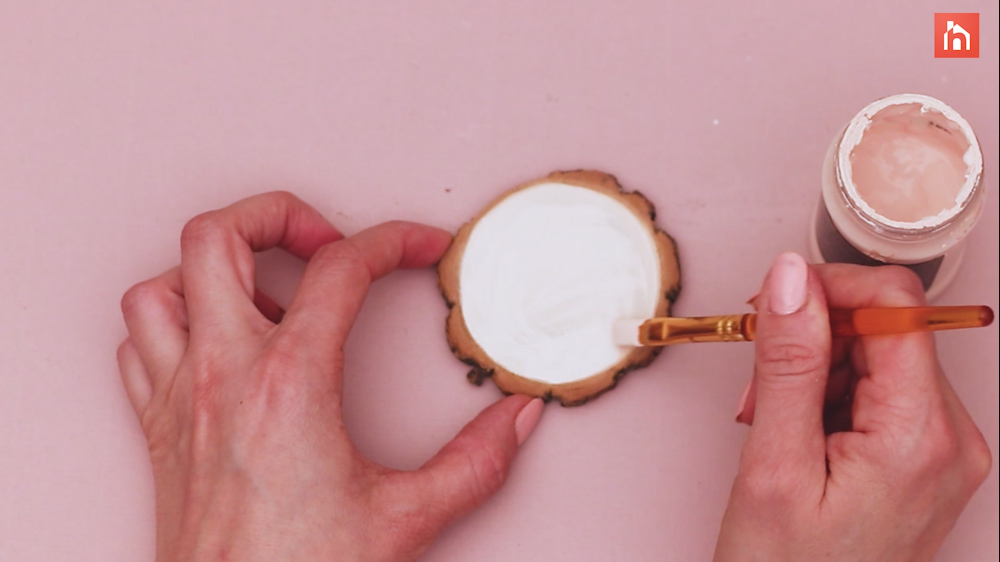
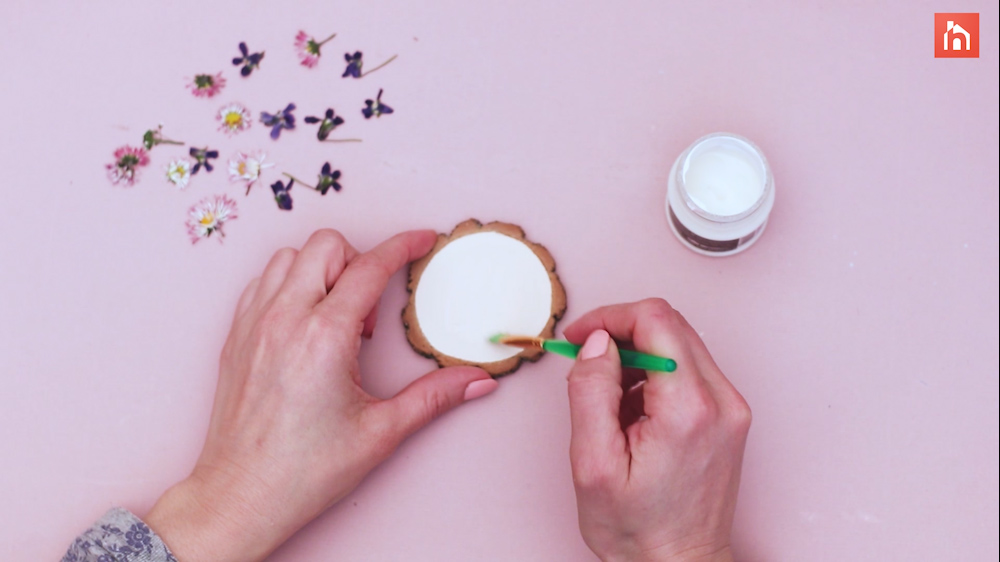
Upon completion, pressed cactus flowers appear fragile yet exquisitely detailed—ready to breathe new life into your creative projects. Their preserved structure can be delicately adhered to stationery, framed for wall art, or embedded within resin to craft jewelry. The translucent petal layers reveal subtle veins and textures that mimic stained glass, inviting closer examination.
Experimenting with contrasting backgrounds and mediums enhances their natural vibrancy. For instance, mounting pressed cactus flowers on dark cardstock amplifies their brilliance, while clear epoxy resin seals and protects them for lasting wear. Through thoughtful application, these blooms transcend mere decoration, becoming evocative statements of nature’s resilience and beauty.
Common Pitfalls and How to Overcome Them
Pressing cactus flowers can be fraught with unexpected hurdles. One common challenge is discoloration—caused by residual moisture, too much heat, or inadequate pressure. To counter this, ensure your materials are dry before starting and avoid excessive force during pressing. Another frequent issue is petal curling, which often results from uneven pressure or premature removal from the press. Always confirm that flowers are thoroughly dried before unstacking.
If flowers initially darken or lose fragrance, try a gentle re-press using fresh blotting paper, or integrate them in layered designs where slight imperfections enhance the craft’s rustic charm. Embrace imperfections as part of your storytelling, reflecting the wild and wondrous spirit of cacti themselves.
Elevating Your Craft: Beyond Basic Pressing
Once comfortable with pressing cactus flowers, consider incorporating complementary techniques such as botanical embossing or gold leaf accents to elevate your crafts. The juxtaposition of the soft, pressed petals against metallic sheen or textured paper introduces dimension and luxury. Moreover, creating shadow boxes or layered terrariums with these pressed blooms provides tactile and visual depth.
Exploring the interplay of light and shadow with pressed cactus flowers invites a newfound appreciation for their ephemeral nature. Your crafts become not simply objects but heirlooms—immersed with the story of survival and delicate beauty thriving under the desert sun.
Pressing cactus flowers for crafts is an art that challenges conventional notions of fragility. It promises a paradigm shift, inviting you to see these desert jewels as timeless storytellers, preserved yet eternally vibrant. The tactile ritual of pressing, paired with the resultant delicate treasures, ignites creativity and deepens your bond with nature’s resilient blooms. Your journey awaits—transform those fleeting cactus flowers into everlasting masterpieces.
FAQ
What is the best way to press cactus flowers?
The best way to press cactus flowers is by using a plant press or placing them between sheets of absorbent paper, applying uniform pressure, and ensuring a warm, dry environment for drying.
How long does it take to press cactus flowers?
Pressing cactus flowers typically takes two to three weeks due to their thick, succulent nature.
What are common issues when pressing cactus flowers?
Common issues include discoloration, petal curling, and insufficient drying, which can be addressed by ensuring proper moisture control and pressure application.





Leave a Reply