
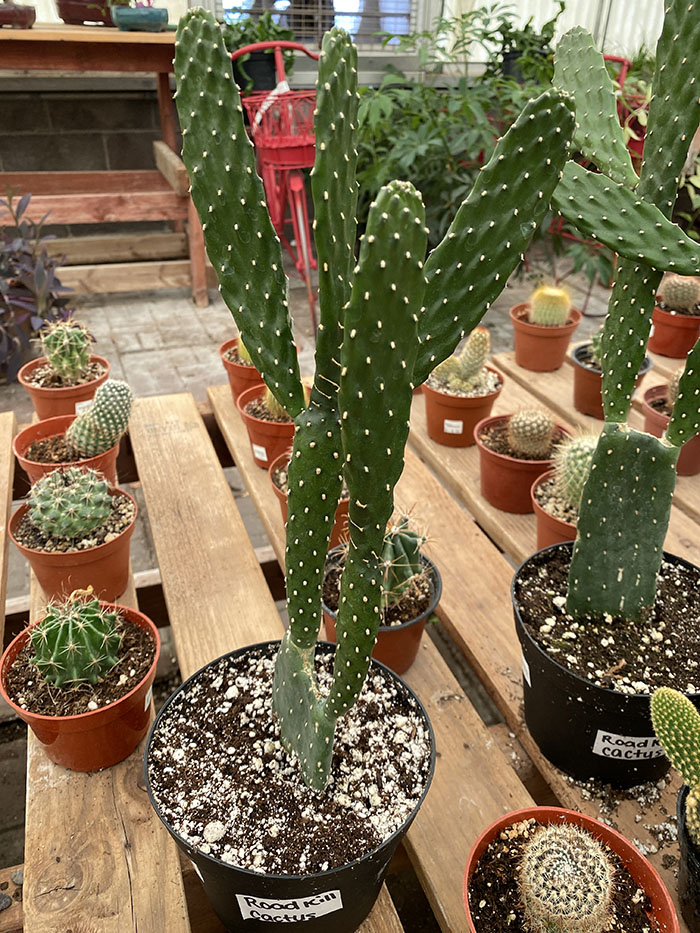
Short Answer
When it comes to the world of horticulture, the notion of cactus cultivation can appear deceptively simple, much like a mirage on the horizon. However, beneath their stout exteriors and mesmerizing hues lies a delicate ecosystem susceptible to various ailments. While they are often celebrated for their resilience, cacti can fall prey to a multitude of factors leading to their untimely demise. Understanding how to kill a cactus—whether inadvertently or through neglect—opens a dialogue about how to best preserve these fascinating succulents. This discussion delves into the common causes of cactus death and the preventive measures that can help these botanical wonders thrive.
Intrigued by the austere beauty of a cactus garden? Let’s explore the enigmatic reasons behind cactus mortality and the strategies to nurture these prickly companions.
Environmental Extremes: The Cactus’ Natural Enemies
Cacti are often hailed for their exceptional ability to withstand harsh conditions. Yet, contrary to popular belief, their survival is anchored in specific environmental parameters. One of the most glaring threats to cacti is extreme temperature fluctuations. While they can endure arid climates during the day, a sudden drop at night could spell disaster. Freezing temperatures can result in cellular damage, turning once vibrant specimens into desiccated husks. Likewise, excessive thermal exposure—particularly in inadequately ventilated spaces—can lead to overheating, causing them to wilt and wither.
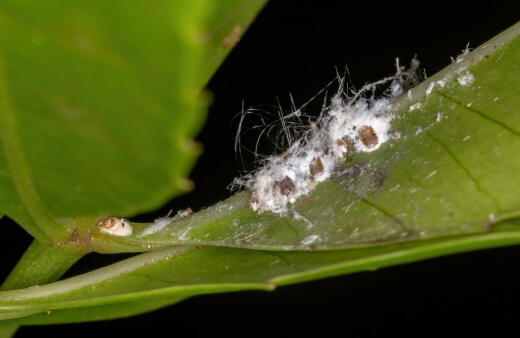
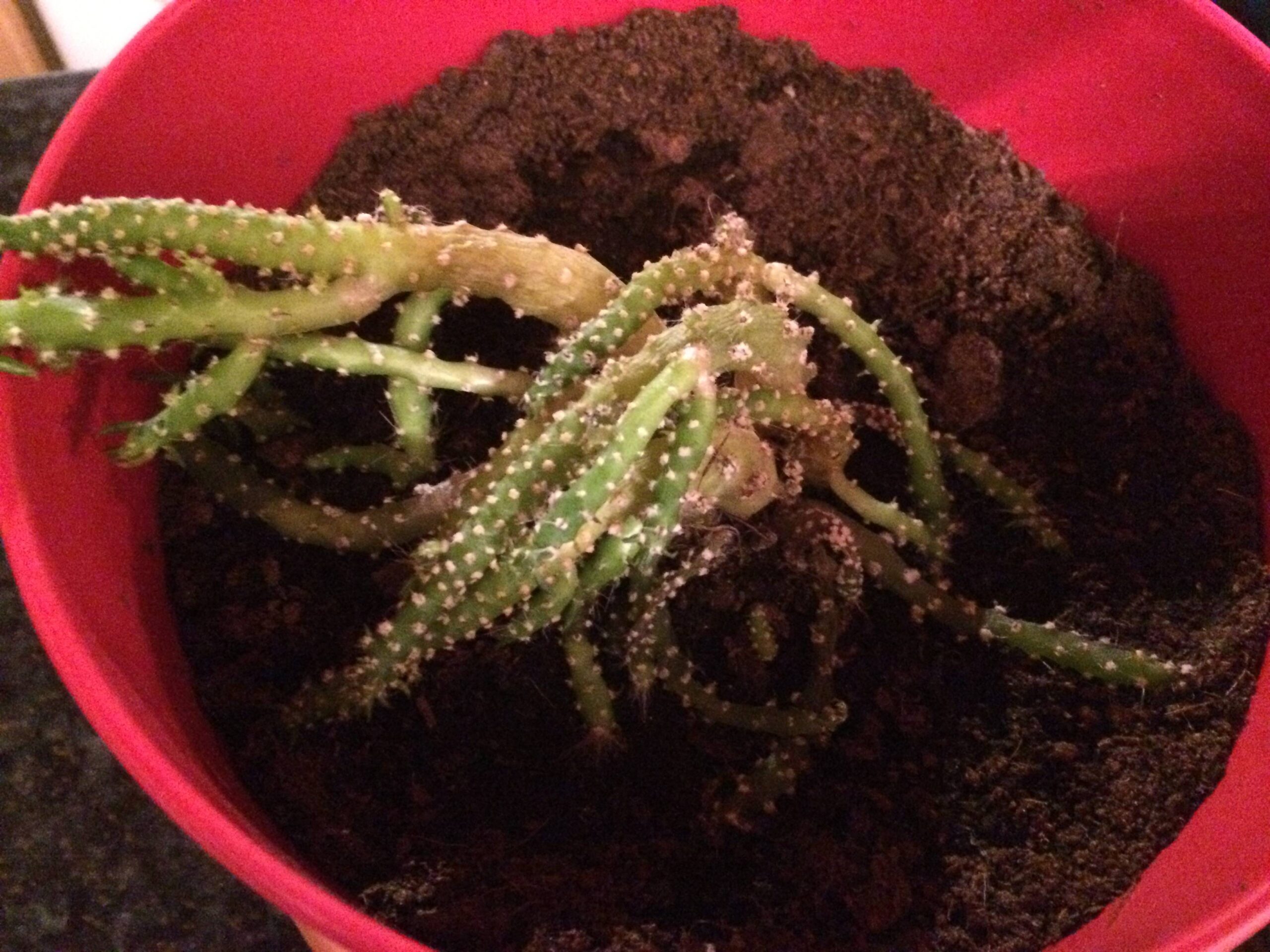
The attack of pests is another formidable foe. Mealybugs and scale insects are notorious for infiltrating cacti and may wreak havoc on their health. These minuscule marauders puncture the plant’s surface, siphoning vital fluids and nurturing a conducive environment for mold growth. The resulting cascade of damage can create a vulnerability both visible and internal, hastening the cactus’s decline.
Even moisture—an element usually seen as a lifeline—can become a persistent threat. Overwatering, often borne out of good intentions, submerges the roots and engenders root rot. This fungal affliction manifests underground, with symptoms emerging in the form of discolored and soft tissues above. Ironically, the meticulous care with which one might attend to a cactus can hasten its end, illustrating the nuanced dance between life and death in plant care.
Nourishment Decoded: The Dangers of Improper Feeding
Feeding your cactus may seem straightforward; however, an excess of nutrients can morph from benevolent to malevolent. Cacti navigate a life in nutrient-poor environments, adapting to thrive on little sustenance. Over-fertilization, particularly with high-nitrogen blends, can produce a frenzy of growth that the plant cannot sustain. Instead of robust vitality, these botanical masterpieces may display weak, elongated growth and a vulnerability to collapse, mirroring a tree that grows too high without a stable foundation.
Conversely, an outright nutritional neglect can leave cacti famished. While cacti are equipped to endure periods of scarcity, extended malnutrition can precipitate stunted growth and, ultimately, death. Understanding the delicate balance in feeding is pivotal, as these plants require an almost alchemical understanding of their nutrient needs through the seasons.
Illuminating Insights: The Importance of Light
Another pervasive factor affecting cactus vitality is light—a resource critical to their existence. Cacti are adapted to bask in prominent sunlight, yet the type and duration of light provide a veritable minefield. Insufficient exposure deprives these plants of energy, triggering etiolation—a phenomenon where the cactus stretches unnaturally towards light sources, warping its form and poising it for failure.
On the flip side, relentless direct sunlight can scorch the plant’s skin, resulting in sunburn marks—those unsightly patches that indicate suffering beneath a tough exterior. Each cactus species may possess distinct light requirements, from full sun enthusiasts to those who prefer a dappled shade. This necessitates an intimate knowledge of the specific cacti in one’s care, thereby steering clear of the fine line that separates thriving from withering.
Moisture Management: The Fine Line between Life and Death
Watering plants can be tantamount to navigating an intricate dance, particularly for desert dwellers like cacti. While these succulents are designed to store water and endure dry spells, the folly of overindulgence can lead to catastrophic outcomes. Timing and technique become crucial. It is paramount to allow the soil to dry adequately between watering sessions, reflecting nature’s ebb and flow of moisture in their native habitats.
Conversely, underwatering can result in a parched and shriveled plant, where every droplet of moisture becomes a glimmering oasis in a desert of despair. There lies an art in discerning when a cactus craves hydration versus when it needs to breathe, striking a balance that ensures life continues flourishing.
Conclusively, the graceful resilience of cacti serves as a testament to nature’s artistry. While understanding how to kill a cactus may seem grim, it is an enlightening exploration into the myriad of conditions that can affect our verdant companions. Recognizing environmental extremes, nutrient excesses, lighting variances, and water management not only provides insights into cactus mortality but also paves the way for the joyful cultivation of these enchanting desert dwellers. By learning the intricate realities that underpin cactus care, one can foster a thriving oasis brimming with life, where even the most prickly of creations can flourish.
FAQ
What are the most common causes of cactus death?
Common causes include extreme temperatures, pest infestations like mealybugs and scale insects, overwatering leading to root rot, improper fertilization, and inadequate lighting.
How can overwatering kill a cactus?
Overwatering causes the roots to become waterlogged and can lead to root rot, a fungal disease that damages the root system and eventually kills the cactus.
What signs indicate a cactus is suffering from too much or too little light?
Too little light causes etiolation, where the cactus stretches and becomes pale and weak. Too much direct sunlight can cause sunburn, leaving discolored patches on the cactus skin.
How often should I fertilize my cactus?
Cacti need minimal nutrients and should be fertilized sparingly, ideally with a low-nitrogen fertilizer during their growing season to avoid weak, excessive growth.
What pests commonly damage cacti and how can I prevent them?
Mealybugs and scale insects are common pests that suck plant fluids and promote mold growth. Prevention includes regular inspection, maintaining plant health, and using insecticidal treatments if necessary.
Leave a Reply