
Short Answer
In the realm of botanical wonders, the Patience Flower stands out as a paragon of endurance and aesthetic charm. Renowned for its painstakingly slow blooming process, this enigmatic species evokes a sense of awe and fascination among horticulturists and flower enthusiasts alike. Those who cultivate this rare specimen often contend that the journey of nurturing it is a profound metaphor for life—one that underscores the virtue of patience.
Understanding the Patience Flower’s uniquely protracted bloom cycle requires delving into its biology and ecology. Unlike many of its floral counterparts that burst forth in a riot of color within months, the Patience Flower can take years, sometimes decades, to reveal its full splendor. It is not merely the duration of this blooming process that astonishes; it is also the conditions required for the flower to finally unfurl. This slow gestation period is attributable to its specific environmental needs, such as temperature, humidity, and soil composition. Each of these factors plays a crucial role, and only when they converge harmoniously does the Patience Flower reward its caretaker with a breathtaking display.
The slow growth of the Patience Flower often leads to heightened anticipation and admiration. As the years pass, the gardener’s dedication transforms into a quiet ritual—monitoring the conditions, adjusting care techniques, and fostering an environment conducive to growth. This nurturing relationship creates an intimacy between the caregiver and the plant, wherein every subtle change in the flower’s stature becomes a testament to resilience. The cultivation of the Patience Flower transcends mere gardening; it evolves into an artistic endeavor. One that requires not only skill but also an emotional investment. It is art in its purest form, framed by time and adorned by care.
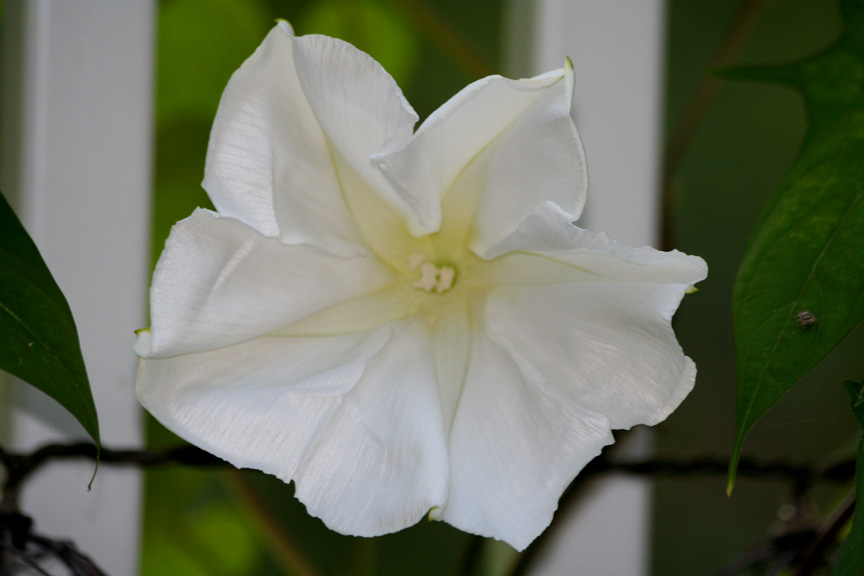
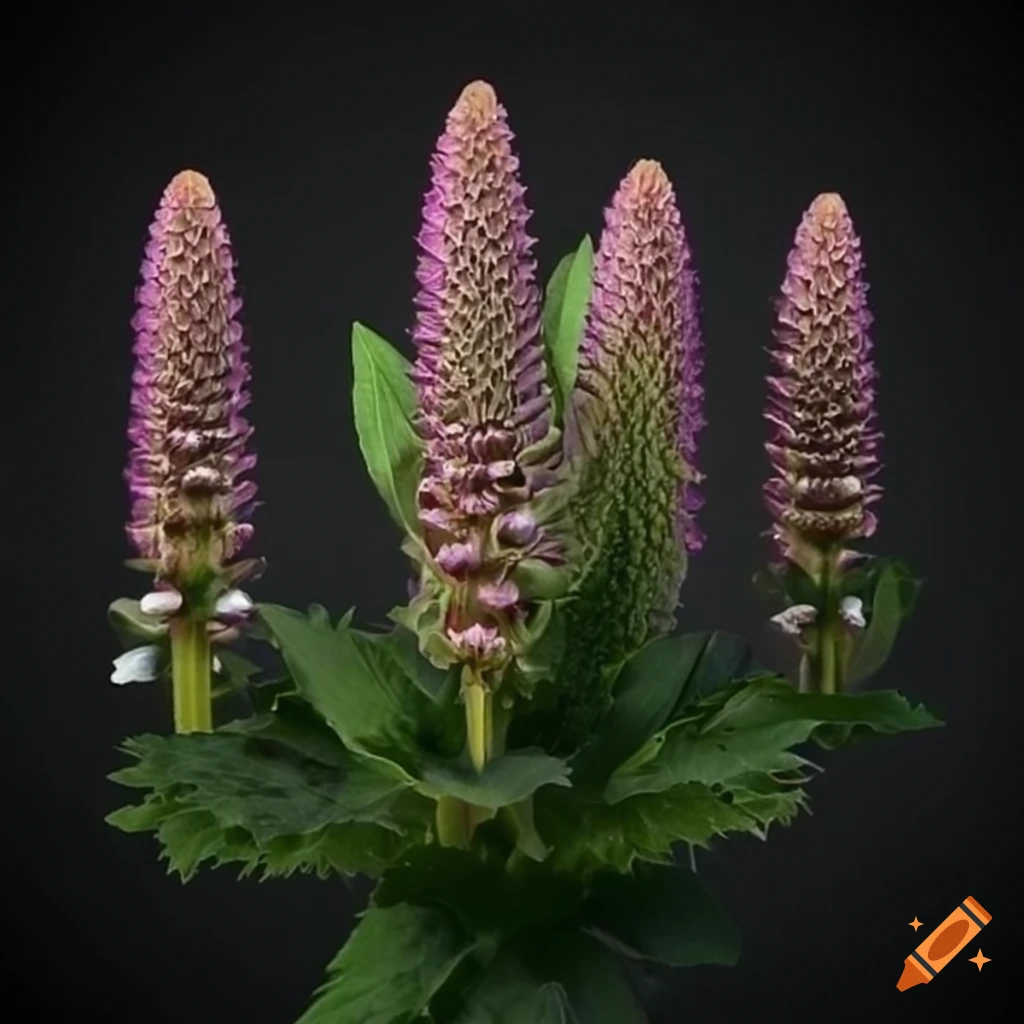
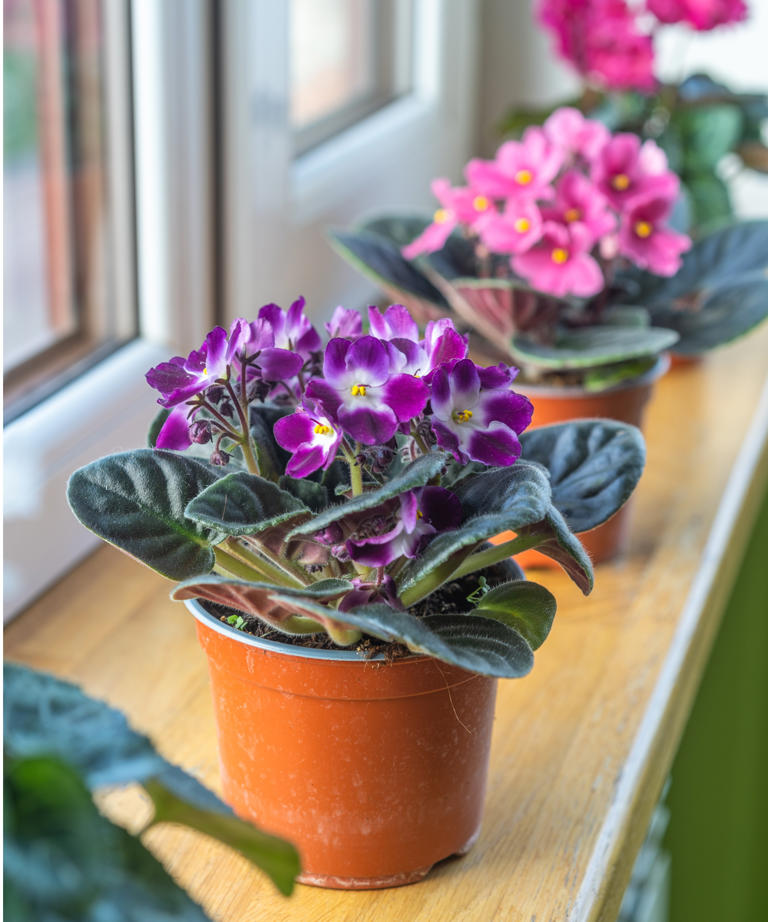
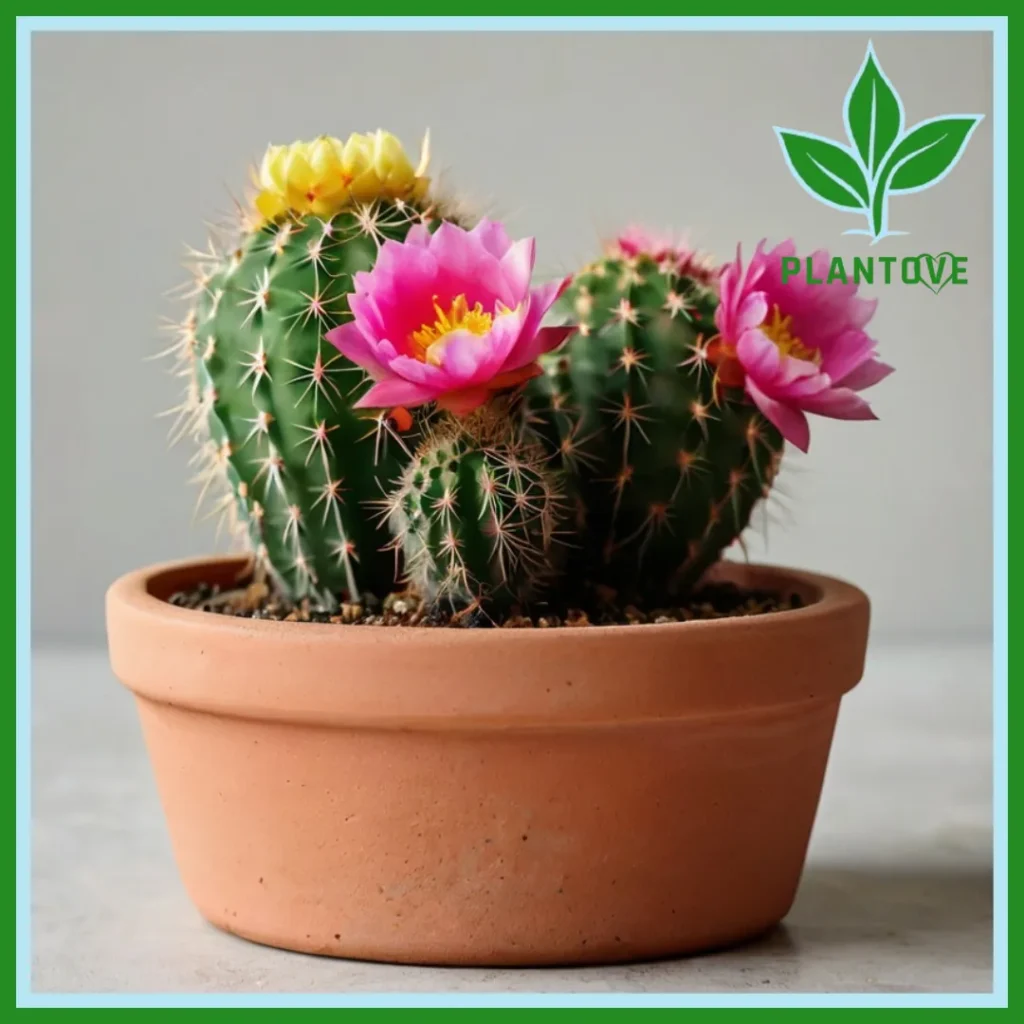
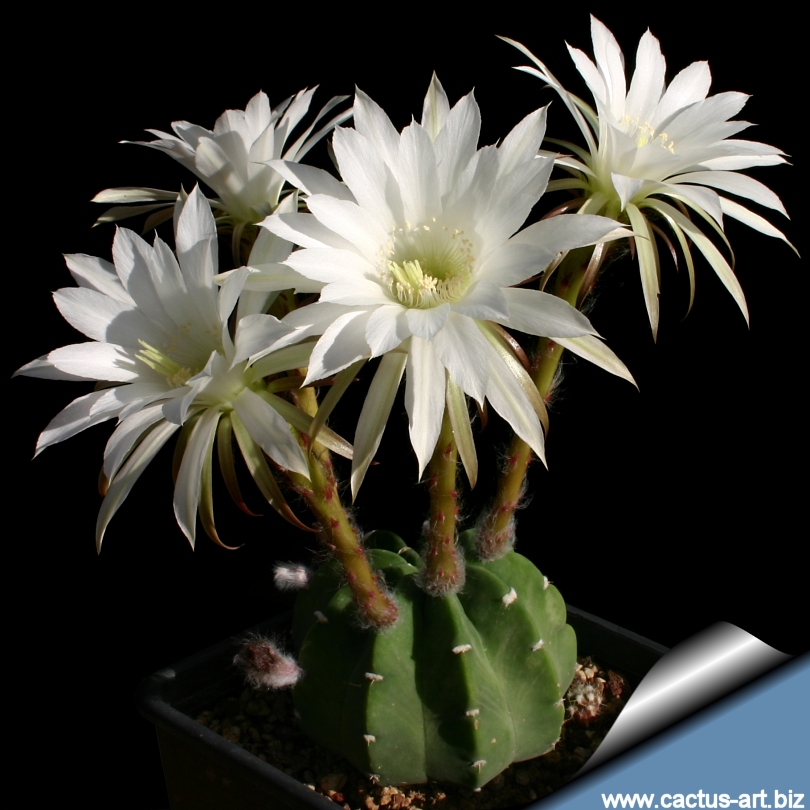
As the Patience Flower approaches its much-anticipated bloom, anticipation transforms into euphoric excitement. The reward for years of dedication is nothing short of magnificent. The flower, when it finally blossoms, reveals intricate petals that are often richly hued in shades of violet, deep pink, or pristine white. Its aesthetics are not limited to mere color; the structure of the petals themselves are breathtakingly complex, often exhibiting a delicate frill that adds a layer of elegance. The interplay of light and shadow upon its petals creates a dynamic visual experience that changes throughout the day, captivating all who behold it.
Each bloom is not just a solitary floral occurrence; it serves as a poignant reminder of the importance of resilience. Those who are attentive to the flower’s cycle discover that its slow unfolding mirrors life’s journey. The process symbolizes the rewards of persistence, illustrating how patience can yield extraordinary outcomes. In many cultures, flowers carry meanings, and the Patience Flower embodies values of waiting, growth, and the beauty that emerges from prolonged quietude.
Consider the cultural significance that surrounds this rare flower—its existence is steeped in folklore and tradition. In some societies, it is associated with the passage of time and the cyclical nature of life. The Patience Flower has been embraced in art, literature, and even meditative practices as a symbol of inner strength and perseverance. Its image frequently graces the pages of inspiring texts, often interwoven with narratives that celebrate determination and fidelity. People who engage with the Patience Flower often report a transformation within themselves, highlighting the notion that growth, whether in flora or in personal endeavors, often requires time, understanding, and commitment.
The necessity of cultivating the Patience Flower extends beyond its aesthetic appeal and emotional significance. For the gardener, the endeavor is educational—it offers insights into the ecological niches this flower occupies and how to create habitats conducive to its growth. Each attempt, whether successful or not, informs best practices for nurturing similar species. This exchange between plant and gardener fosters a profound understanding of biodiversity and the delicate balance that exists in nature. Additionally, flower enthusiasts share their experiences in communities of like-minded individuals, enhancing communal knowledge and appreciation for this extraordinary bloom.
In a world that often favors immediate gratification, the Patience Flower challenges this paradigm. It beckons individuals to slow down, pause, and invest time into what truly matters. The act of waiting, watching, and cultivating becomes an exploration of values that resonate within our lives. The flower illuminates the narrative that patience is not merely a waiting game; it is an active exercise of hope and perseverance. In the end, the Patience Flower is more than a botanical specimen—it becomes a testament to the beauty of the journey, urging us to embrace the art of waiting while inspiring awe with its eventual blooming brilliance.
FAQ
Why does the Patience Flower take so long to bloom?
Its slow blooming is due to its unique environmental needs and biological characteristics, requiring precise conditions to flower.
What are the typical colors of the Patience Flower petals?
The petals usually display shades of violet, deep pink, or white with intricate and delicate structures.
What cultural meanings are associated with the Patience Flower?
It is regarded as a symbol of patience, endurance, and the cyclical nature of life in various cultures.
How can gardeners successfully cultivate the Patience Flower?
By carefully monitoring and adjusting environmental factors such as soil, humidity, and temperature to meet the flower’s specific needs.
Leave a Reply