
Short Answer
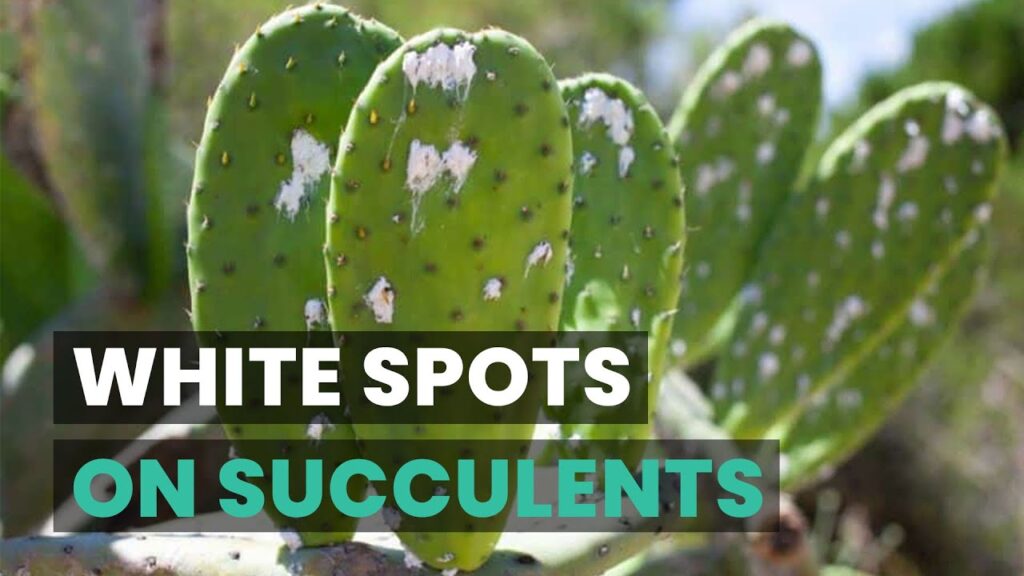
Cacti are revered for their resilience and unique beauty. However, aficionados know that these hardy plants can afflict with various issues, one of which is the presence of unsightly white dry spots. Understanding the causes behind these spots and effectively treating them is essential for maintaining the health and aesthetic appeal of your cactus. This article delves into the primary reasons for the formation of white spots on cacti, alongside practical solutions for treatment and prevention.
Identifying the Culprits Behind White Dry Spots on Cacti
White dry spots may appear on your cactus for several critical reasons. Most commonly, they are indicative of pests or pathogens that compromise the plant’s integrity.
Scale Insects: The Silent Invaders
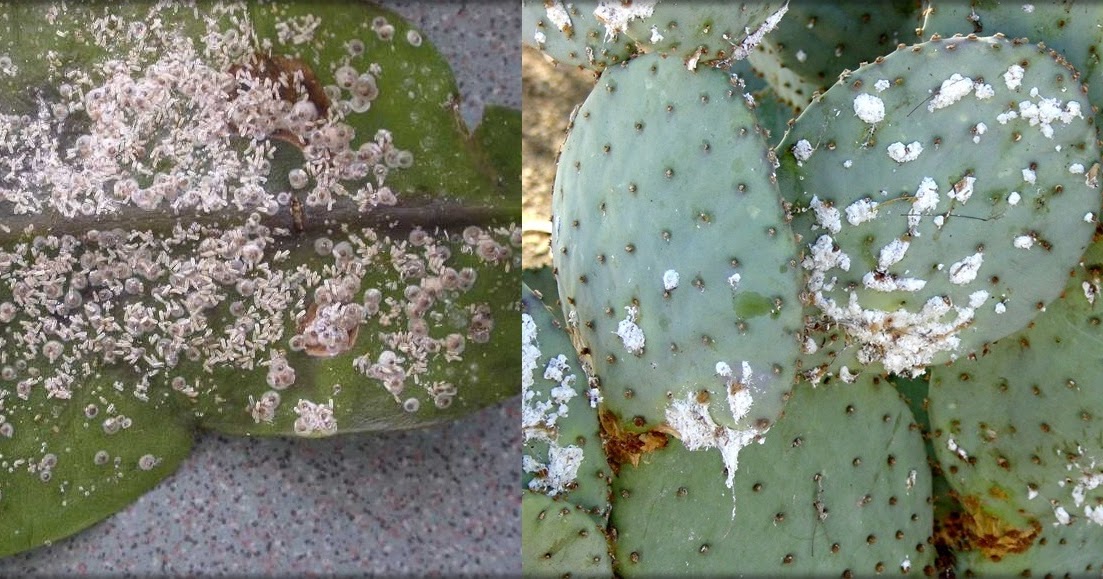
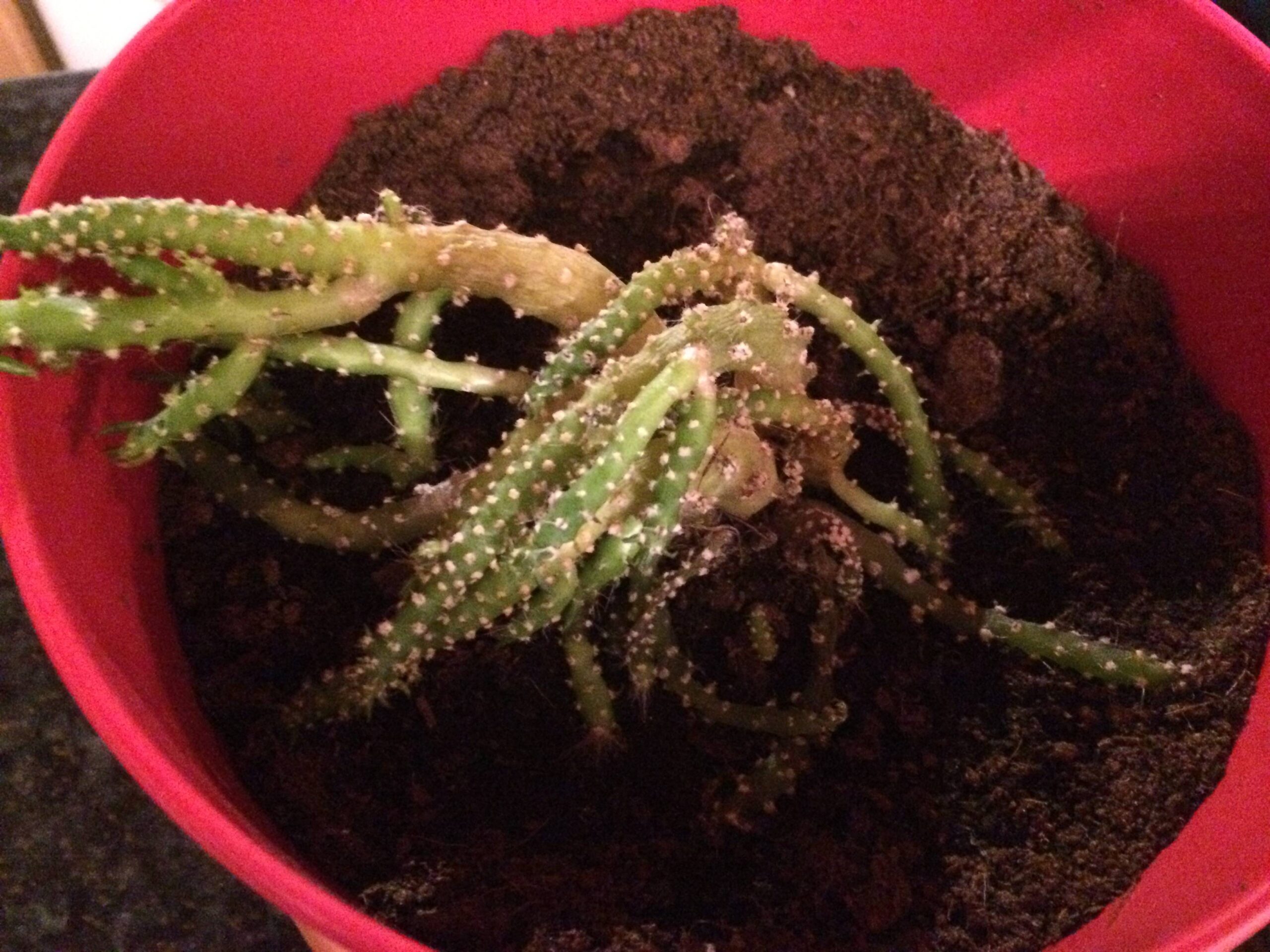
Scale insects are among the most notorious pests affecting cacti. These minuscule creatures often go unnoticed until they form clusters of white, waxy spots on the plant’s surface. They pierce the cactus tissue and suck out vital fluids, leading to a decline in overall health. Scale can also secrete a sticky substance known as honeydew, fostering the growth of sooty mold, further impeding photosynthesis.
Mealybugs: The Cotton Candy Menace
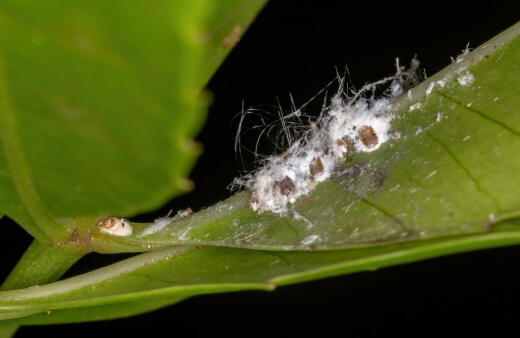
Mealybugs are another frequent pest in the world of cacti. Recognizable by their cotton-like appearance, mealybugs hide in the crevices of cactus pads and leave behind white, powdery residues. Their feeding habits not only weaken the plant but can also lead to severe infestations if left unchecked.
Powdery Mildew: The Fungal Foe
In some instances, white dry spots result from powdery mildew, a fungal disease. This affliction typically surfaces in warm, humid conditions, appearing as a dusty or flour-like coating on the cactus’s surface. If moisture accumulates around the base or in pockets, it creates an ideal breeding ground for this invasive fungus.
Addressing White Dry Spots: Effective Treatment Strategies
Caring for a cactus afflicted with white dry spots necessitates a strategic approach, tailored to the specific cause of the distress. Prompt action can rescue the plant and restore its vitality.
Managing Scale Insects
To combat scale insects effectively, begin with gentle methods. Wiping the affected areas with a cotton swab dipped in rubbing alcohol can dislodge these pests. For a larger invasion, consider deploying insecticidal soaps that are designed to eradicate these sap-sucking nuisances without harming the cactus. Repeat treatments may be necessary to ensure complete eradication.
Controlling Mealybugs
Much like scale insects, mealybugs demand immediate remediation. You can use a soft-bristled brush to carefully remove the visible mealybugs and their accompanying filaments. A solution of isopropyl alcohol is also useful; apply it gently to the affected areas to eliminate these pests. If the infestation persists, introduce predatory insects like ladybugs or lacewings that naturally feed on mealybugs.
Combating Powdery Mildew
When dealing with powdery mildew, the first step is to enhance air circulation around the cactus by re-positioning it to allow for better airflow. Additionally, avoid overhead watering, which contributes to humidity and fosters the growth of fungi. Fungicides specifically designed for powdery mildew can mitigate the issue, while ensuring to follow application instructions meticulously.
Preventive Measures for a Healthy Cactus
Proactive care is fundamental in preserving the health of your cactus and preventing the recurrence of white dry spots. Following these preventive measures will promote longevity and vitality in your prickly friends.
Optimal Watering Techniques
Adhering to a precise watering regimen is critical. Overwatering can lead to poor drainage and foster conditions favorable for fungi. Conversely, inadequate watering can weaken the plant, making it more susceptible to pests. Ensure that your cactus is watered only when the soil is completely dry, and utilize containers with sufficient drainage holes.
Appropriate Light Conditions
Cacti thrive in bright, indirect sunlight. Adequate light exposure strengthens the plant immune system and helps in the prevention of pests and diseases. Observe your cactus and adjust its placement if it appears to be stretching or etiolation, a sign that it is not receiving enough light.
Regular Inspections and Maintenance
Regularly monitoring your cactus is vital for early detection of any potential issues. Examine the plant thoroughly, inspecting for signs of pests or disease. Periodic cleaning, which includes dusting the surface of the cactus, can improve light absorption and overall health.
Conclusion: Nurturing a Thriving Cactus
The presence of white dry spots on a cactus is often a clarion call for intervention. While these spots can signify the presence of pests or diseases, understanding their origins and treatment can mitigate further damage and restore your plant’s vigor. Through diligent care, proper environmental conditions, and vigilant monitoring, both novice and seasoned cactus enthusiasts can cultivate thriving specimens that flourish for years to come.
FAQ
What are the main pests that cause white spots on cacti?
Scale insects and mealybugs are the primary pests that cause white spots on cacti.
How do I know if white spots are caused by fungus?
White spots caused by fungus, such as powdery mildew, appear as a powdery or dusty coating and develop in warm, humid conditions.
Can I use household products to treat cactus pests?
Yes, rubbing alcohol and insecticidal soaps can be effective for treating scale insects and mealybugs.
How often should I inspect my cactus for white spots?
Regular inspections every 1-2 weeks help in early detection and management of white spots on cacti.
Leave a Reply