
Short Answer
Is it possible to conjure up a dazzling garden bursting with color and charisma, all while embracing the rugged charm of desert landscapes? At first glance, the idea of cultivating a vibrant tapestry of flowering cacti might seem like walking a tightrope between harsh prickles and delicate blooms. Yet, these extraordinary plants challenge the notion that succulents thrive only in monotone green, bringing bursts of color, texture, and sheer botanical theater to any garden setting. The real question is: can your garden handle the playful paradox of beauty born from resilience?
The Allure of Flowering Cacti: Nature’s Desert Jewels
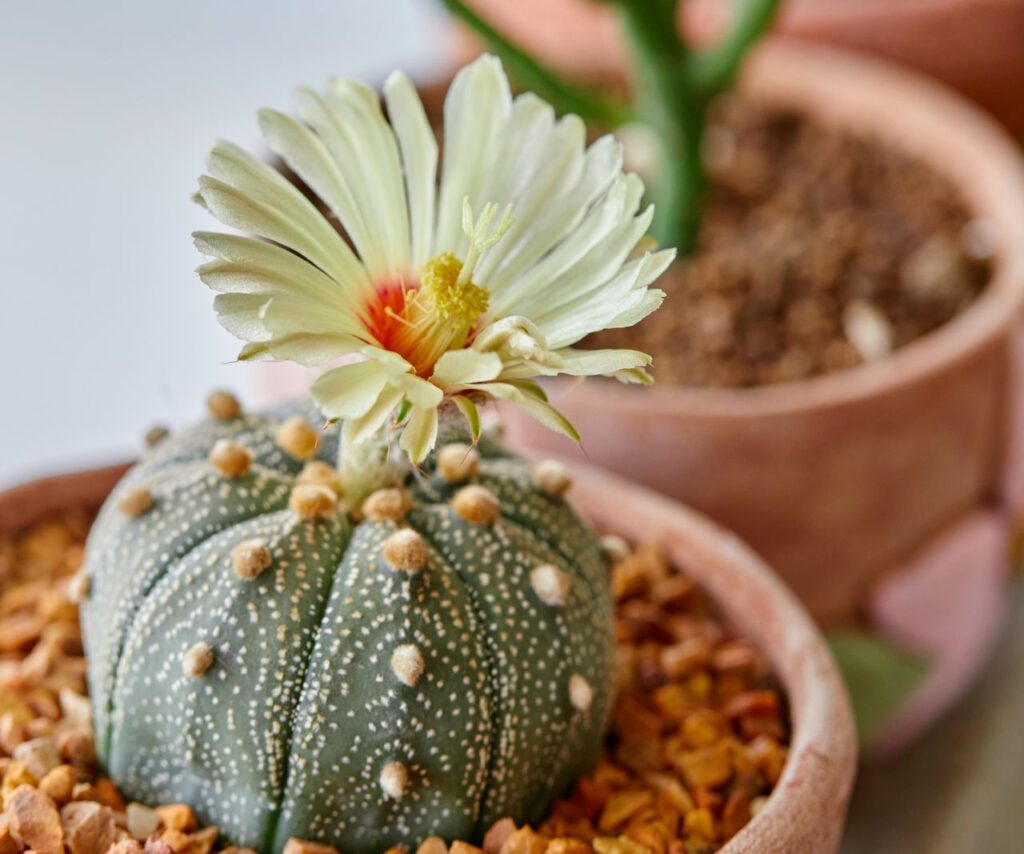
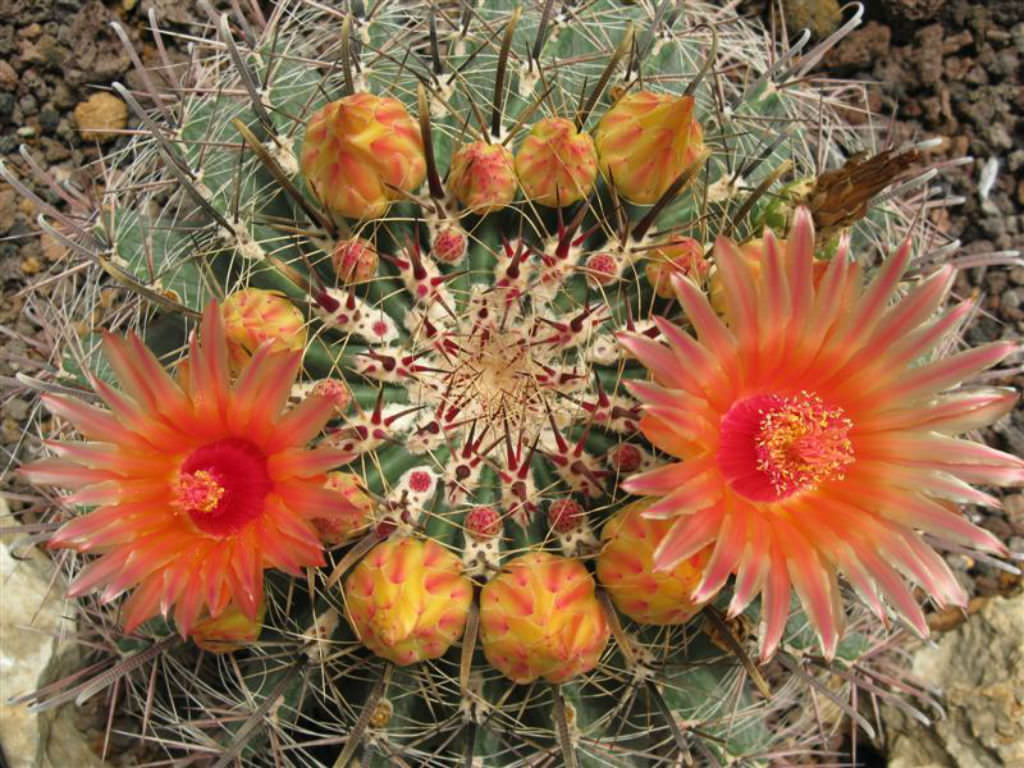
Flowering cacti are an exquisite marriage of survival instinct and flamboyant display. While their spiny exteriors suggest a fortress-like existence, their radiant blossoms tell a story of life flourishing against all odds. Their vivid petals—ranging from fiery reds and pinks to sunny yellows and deep purples—offer a surreal contrast to their hardy forms. This duality enchants gardeners who crave both low-maintenance plants and eye-catching floral statements. Cultivating flowering cacti invites an adventure into a world where bloom and bramble coalesce, creating an artful balance between toughness and tenderness.
Challenges of Growing Flowering Cacti — Navigating Nature’s Paradox
But can these desert divas truly flourish in a typical garden environment without turning prickly or faltering mid-season? The challenge lies in decoding their seemingly paradoxical needs. Flowering cacti demand conditions that mimic their arid native habitats—well-drained soil, ample sunlight, and a temperate dance of hydration and drought. Overwatering can spell disaster, turning these miraculous bloomers into soggy, lifeless sculptures. On the other hand, insufficient light can mute their flowering potential, causing frustration among even seasoned gardeners. Success hinges on learning to listen to their subtle cues—a task easier said than done, but immensely rewarding once mastered.
Top Flowering Cacti Varieties to Transform Your Garden
Ready to take on the cactus conundrum? Here are some captivating contenders guaranteed to inject color into any outdoor retreat and entice pollinators along the way.
Echinopsis: The Moonlight Bloomers
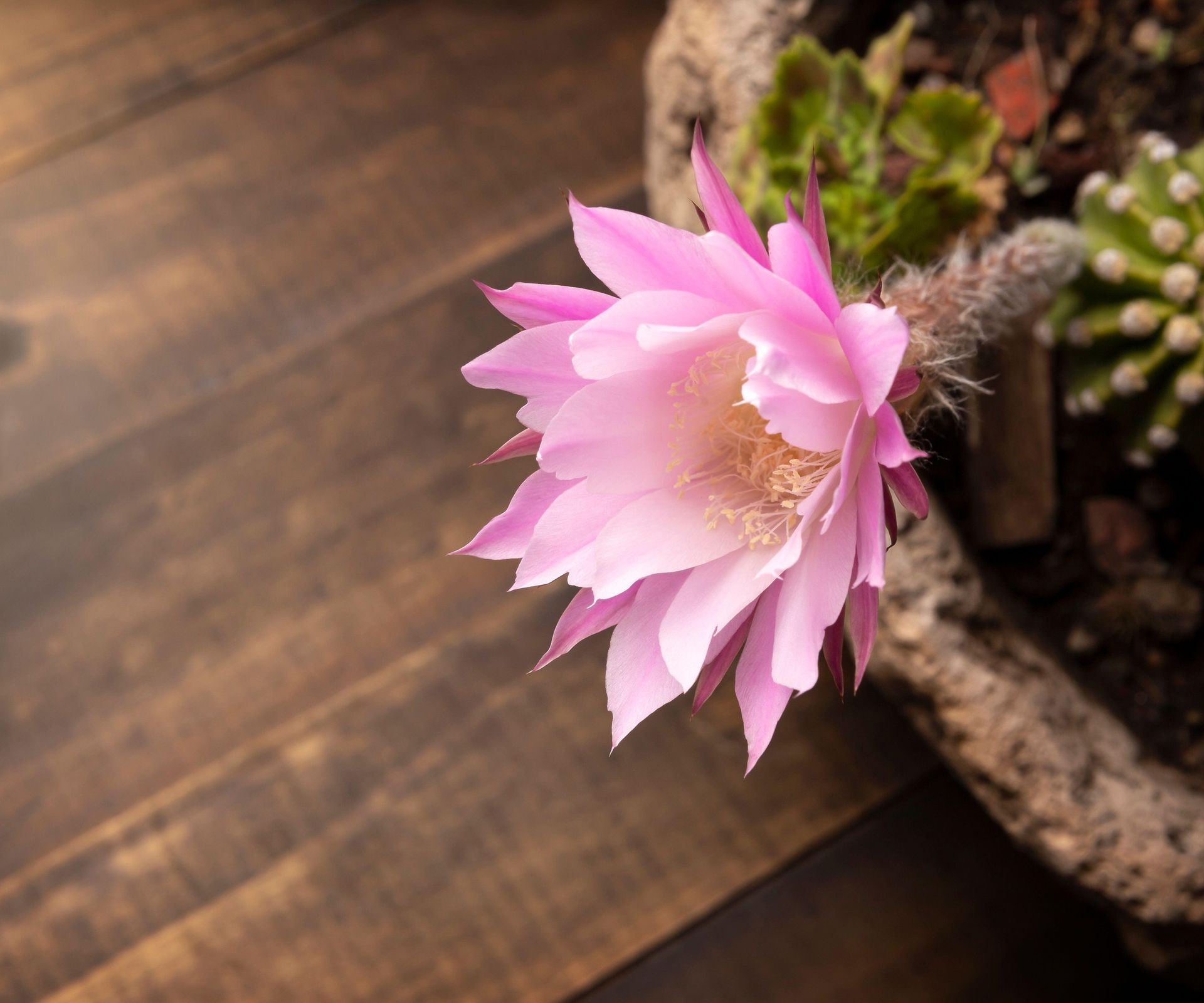
Echinopsis species, often hailed as the nocturnal enchantresses of the cactus world, produce spectacularly large, trumpet-shaped flowers that often open under the shroud of night. These blooms emit a sweet fragrance, inviting moths and bats to partake in their ephemeral beauty. By daybreak, their petals have wilted, leaving only the memory of their ethereal display. Notably, their flowers boast a vivid palette, including rich pinks, stark whites, and deep oranges. Echinopsis thrives in sunny, well-draining soil and enjoys a summer rest period to provoke flowering vigor.

Rebutia: Small Size, Big Impact
For those with limited space but a craving for showy color, Rebutia cacti are diminutive dynamos. These compact globular plants erupt in dazzling cascades of tiny flowers—typically fiery scarlets, glorious oranges, or soft yellows—that bloom prolifically in spring and summer. Their ease of care and abundant flowering makes them excellent candidates for rock gardens, containers, or mixed succulent arrangements. Unlike some of their peers, Rebutia cacti are forgiving of slight fluctuations in watering but still need protection from frost and excessive humidity to remain robust.
Designing with Flowering Cacti: Crafting a Vivid Palette of Texture and Hue
Incorporating flowering cacti into a garden is an invitation to think beyond conventional floral beds. The textural contrast between spiny stems and silky petals creates a sensorial playground. To maximize visual impact, pair cacti with complementary succulents like agaves and echeverias or with drought-tolerant perennials that sport soft foliage. Consider layering heights and bloom times for a sustained display of vigor and vibrancy. The interplay of light and shadow on cactus spines, combined with bursts of blooming color, can transform a simple garden plot into a living mosaic of desert-inspired artistry.
Seasonal Rhythms: Understanding When and How Cacti Bloom
Flowering cacti don’t just bloom on a whim; their floral rhythms are a fascinating response to environmental cues. Many varieties flower in spring or early summer, following a winter dormancy period. This dormancy is critical: it signals their internal clocks to conserve energy and prepares them for a spectacular floral burst. Replicating this cycle involves regulating watering—minimal or none during dormancy—and providing an ideal temperature range akin to their native habitats. Awareness of these seasonal patterns unlocks a garden that pulses with regular bouts of blossom, rewarding patience and attentiveness alike.
Pollinators and Wildlife: Enriching Ecosystems with Flowering Cacti
An often-overlooked benefit of planting flowering cacti is their role as ecological catalysts. Their vibrant flowers attract a wondrous array of pollinators—bees, hummingbirds, butterflies—all essential for biodiversity. This symbiotic relationship breathes life into a garden, adding movement, sound, and the promise of future growth. Including flowering cacti in your garden not only enhances aesthetic appeal but also supports local ecosystems, weaving your landscape into the greater tapestry of nature’s cycles.

Maintenance and Care Tips: Cultivating Cacti for Long-Lasting Beauty
While seemingly indestructible, flowering cacti do have their quirks. Optimal health depends on striking the right balance between neglect and overindulgence. Use gritty, well-draining substrates to prevent root rot and position the plants where they’ll soak up at least six hours of sunlight daily. Regularly inspect for pests such as mealybugs or spider mites, which can sap vitality and mar appearance. Pruning spent flowers encourages reblooming and maintains plant vigor. Armed with these secrets, gardeners can nurture their cacti into vibrant focal points season after season.
The Final Bloom: Embracing the Challenge of Flowering Cacti
So, can your garden embrace the paradox of flowering cacti? Absolutely! These resilient marvels invite an exploration of contrasts—harsh and delicate, spiny and soft, arid and vibrant. Their blooms are a reward not easily won, but those who persevere find gardens transformed into living canvases of extraordinary color and character. With informed care, a bit of patience, and a penchant for the unexpected, flowering cacti can become the vivid heart of your outdoor oasis, proving that even the toughest exteriors can hide the most spectacular surprises.
FAQ
What are the best flowering cacti for my garden?
Echinopsis and Rebutia are popular choices for their vibrant blooms and manageable care requirements.
How do I care for flowering cacti?
Flowering cacti require well-drained soil, ample sunlight, and a careful balance of watering to thrive.
Do flowering cacti attract pollinators?
Yes, flowering cacti attract various pollinators such as bees and butterflies, enriching local ecosystems.

Leave a Reply