
Short Answer
The plight of Mammillaria species—those diminutive, globular cacti that adorn windowsills and terrariums with their spherical forms and vibrant spines—has quietly simmered beneath the surface of botanical conservation discourse. These resilient yet vulnerable succulents, native to the arid landscapes of Mexico and the southwestern United States, face an escalating crisis. While their spiny exteriors evoke a sense of invincibility, the reality is far more precarious. Mammillaria species, numbering over 200, are not merely ornamental curiosities; they are keystone species in their ecosystems, playing a subtle but critical role in maintaining the delicate balance of desert biodiversity. Their decline is not an isolated phenomenon but a symptom of broader environmental degradation, climate change, and anthropogenic pressures. To understand their conservation status, we must delve into the intricate web of threats they face, the scientific assessments that define their risk categories, and the grassroots and institutional efforts striving to reverse their fortunes.
The Fragile Beauty of Mammillaria: A Botanical Paradox
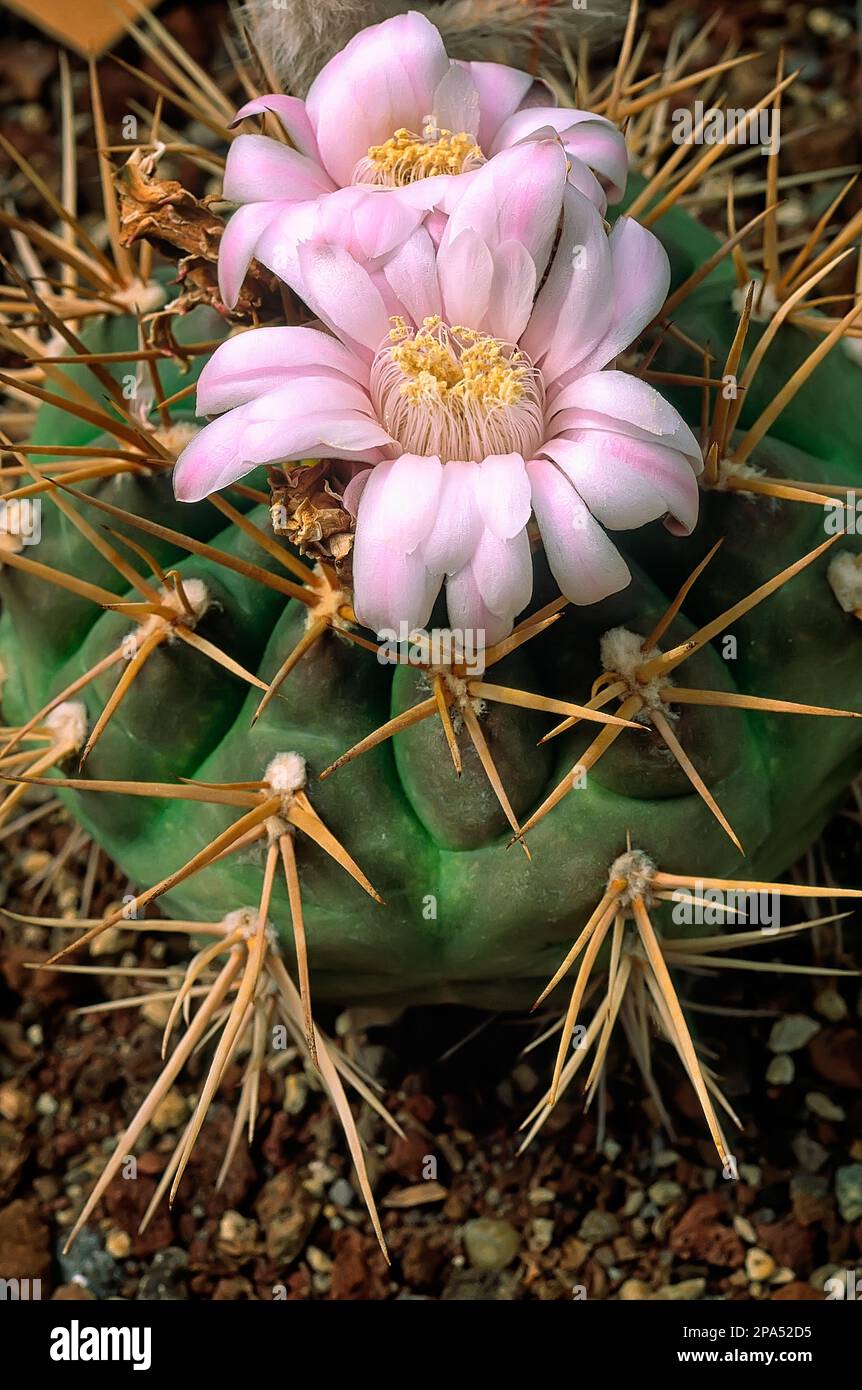
Mammillaria species are a study in contrasts—delicate yet tenacious, unassuming yet visually arresting. Their globular or cylindrical forms, often adorned with concentric rings of spines in hues of white, yellow, or red, belie their ecological significance. These cacti are not just survivors; they are architects of microhabitats, providing shelter and sustenance for insects, birds, and small mammals in some of the world’s most inhospitable terrains. Yet, their very adaptations—slow growth, specific pollination requirements, and narrow habitat preferences—render them exquisitely vulnerable to environmental shifts. The paradox lies in their ability to thrive in conditions that would annihilate most flora, while simultaneously being pushed to the brink by the same forces that define their resilience: human encroachment, climate volatility, and unsustainable harvesting.
Consider the Mammillaria herrerae, a species so diminutive it could fit in the palm of your hand, yet so distinctive in its spiral arrangement of spines that it has earned the nickname “the artichoke cactus.” Its rarity in the wild is not due to a lack of adaptability but to the relentless pressures of habitat destruction and illegal collection. Such species exemplify the broader challenges facing Mammillaria: their beauty is both their curse and their salvation, drawing collectors and enthusiasts who, in their admiration, often contribute to their decline. The irony is palpable—these plants, which have evolved to endure the harshest conditions, now require human intervention to survive the very species that marvel at them.
Decoding the Red List: Where Do Mammillaria Species Stand?
The International Union for Conservation of Nature (IUCN) Red List serves as the gold standard for assessing the conservation status of species worldwide. For Mammillaria, the picture is a patchwork of concern, with some species teetering on the edge of extinction while others remain relatively stable. The IUCN categorizes species into nine groups, ranging from “Least Concern” to “Extinct in the Wild.” Among Mammillaria, the classifications are sobering: approximately 30% of assessed species are listed as “Vulnerable,” “Endangered,” or “Critically Endangered,” while a significant portion remains “Data Deficient,” highlighting the gaps in our knowledge rather than their safety.
Take, for instance, Mammillaria pectinifera, a species so rare that it was once thought to be extinct in the wild until rediscovered in the 1990s. Its current status as “Critically Endangered” reflects not just its limited distribution but the compounding threats of habitat fragmentation and climate change. Conversely, Mammillaria heyderi, a more widespread species, is classified as “Least Concern,” though even this designation comes with caveats. The Red List is not static; it is a living document that evolves with new data, and for Mammillaria, the trend is unmistakably downward. The “Data Deficient” label is particularly insidious, as it often masks species that are genuinely at risk but have not been thoroughly studied. This lack of information is a silent crisis, one that underscores the need for more rigorous field research and taxonomic clarity.
Habitat Havoc: The Silent Erasure of Desert Ecosystems
The primary driver of Mammillaria decline is the relentless transformation of their natural habitats. The arid and semi-arid regions of Mexico and the southwestern United States—home to the majority of Mammillaria species—are under siege from agricultural expansion, urbanization, and industrial development. The conversion of desert landscapes into farmland, particularly for avocado plantations, has been catastrophic. Avocado farming, driven by global demand, has led to the clearing of vast tracts of land, including critical cactus habitats. The irony is bitter: a fruit celebrated for its health benefits is contributing to the demise of species that have thrived in these environments for millennia.
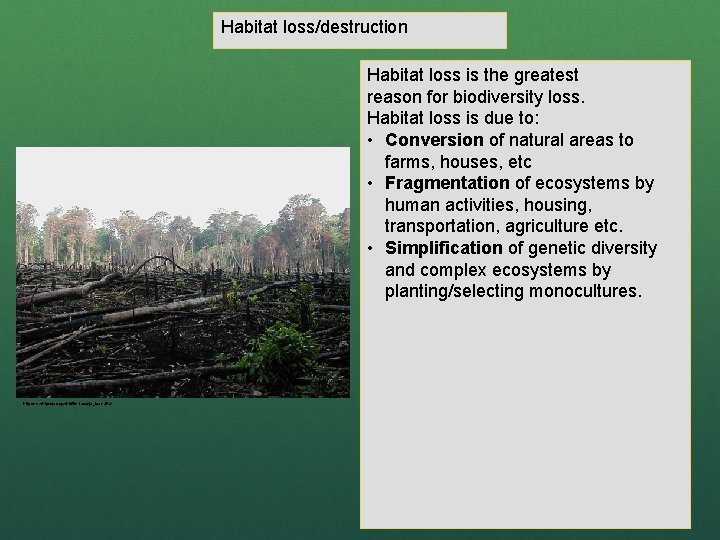
Climate change exacerbates these pressures, creating a double-edged sword. Rising temperatures and prolonged droughts stress these cacti, reducing their reproductive success and making them more susceptible to disease. At the same time, altered precipitation patterns disrupt the delicate balance of their ecosystems, favoring invasive species that outcompete Mammillaria for resources. The encroachment of woody shrubs, a phenomenon known as “desertification,” further fragments their habitats, leaving isolated populations vulnerable to genetic bottlenecks and inbreeding depression. These changes are not hypothetical; they are happening now, and their impact on Mammillaria is both immediate and irreversible without intervention.
The Illicit Trade: When Rarity Fuels Extinction
No discussion of Mammillaria conservation would be complete without addressing the elephant in the room: the illegal and unregulated trade in wild-collected specimens. The global demand for rare and exotic plants has spawned a black market where Mammillaria species fetch exorbitant prices, particularly among collectors and nurseries catering to enthusiasts. Species like Mammillaria luethyi and Mammillaria deherdtiana are prized for their unique appearances, with some specimens selling for hundreds or even thousands of dollars. This trade is not merely unethical; it is ecologically devastating. Wild populations are stripped bare, often before they have a chance to reproduce, and the genetic diversity of the species is irreparably eroded.
The consequences of this trade extend beyond the immediate loss of individual plants. The removal of mature specimens disrupts the reproductive cycles of the remaining population, as many Mammillaria species rely on specific pollinators or environmental cues to flower and set seed. Additionally, the illegal trade often involves smuggling, which bypasses regulations designed to protect endangered species, further complicating conservation efforts. While some countries have implemented strict laws against the collection and export of wild Mammillaria, enforcement is lax, and loopholes abound. The result is a cycle of exploitation that shows no signs of abating, driven by a global appetite for the rare and the exotic.
Conservation in Action: Strategies for Survival
Despite the grim outlook, there is hope on the horizon. Conservationists, botanical gardens, and governmental agencies are deploying a multi-pronged approach to safeguard Mammillaria species, combining ex-situ conservation, habitat restoration, and community engagement. Ex-situ conservation—preserving species outside their natural habitats—has become a cornerstone of these efforts. Botanical gardens and specialized nurseries are cultivating Mammillaria species in controlled environments, building living gene banks that can be used for reintroduction programs. Techniques such as tissue culture and seed banking are also being employed to preserve genetic diversity and produce plants for legal trade, reducing the pressure on wild populations.
Habitat restoration is another critical strategy. Projects aimed at rehabilitating degraded desert landscapes are underway, focusing on removing invasive species, reintroducing native flora, and creating microhabitats that mimic the conditions Mammillaria require to thrive. These efforts are not just about saving cacti; they are about restoring entire ecosystems, ensuring that the intricate web of interactions between plants, pollinators, and soil microbes remains intact. Community-based conservation is equally vital. Local communities, particularly indigenous groups with deep ecological knowledge, are being empowered to participate in conservation initiatives, from monitoring wild populations to establishing community-led nurseries that propagate native Mammillaria species for reintroduction.
The Role of Technology and Policy: A Beacon of Hope
In the digital age, technology is emerging as a powerful ally in the fight to save Mammillaria. Remote sensing and geographic information systems (GIS) are being used to map and monitor habitat loss, identify critical areas for protection, and track the spread of invasive species. Drones equipped with thermal imaging can survey vast, inaccessible deserts, providing real-time data on the health of Mammillaria populations. Meanwhile, DNA barcoding and genetic analysis are helping researchers distinguish between closely related species, ensuring that conservation efforts are targeted and effective. These technological advancements are not just tools; they are game-changers, offering unprecedented insights into the lives of these enigmatic plants.
Policy, too, is playing a pivotal role. International agreements such as the Convention on International Trade in Endangered Species of Wild Fauna and Flora (CITES) regulate the trade of threatened species, including some Mammillaria. However, the effectiveness of these agreements depends on robust enforcement and international cooperation. Countries like Mexico and the United States have implemented national legislation to protect endangered cacti, but gaps remain. Strengthening these policies, increasing penalties for illegal trade, and fostering cross-border collaboration are essential steps toward turning the tide. The integration of conservation goals into broader environmental policies, such as climate change mitigation and sustainable agriculture, is equally crucial. After all, the survival of Mammillaria is not just a botanical issue; it is a litmus test for our commitment to preserving the planet’s biodiversity.
A Call to Action: How You Can Make a Difference
The fate of Mammillaria species is not a concern for scientists and policymakers alone; it is a challenge that demands collective action. For plant enthusiasts, the most immediate step is to support ethical and sustainable cultivation. Opt for nursery-grown specimens over wild-collected ones, and choose species that are not listed as endangered. Educate yourself about the origins of the plants you purchase, and advocate for transparency in the horticultural trade. For those with a passion for conservation, volunteering with botanical gardens, participating in citizen science projects, or donating to organizations dedicated to cactus preservation can amplify your impact.
Beyond individual actions, systemic change is necessary. Support policies that protect desert ecosystems, advocate for sustainable agriculture, and push for stronger enforcement of wildlife trade regulations. Raise awareness about the plight of Mammillaria, not just as ornamental plants but as vital components of their ecosystems. Share their stories, celebrate their beauty, and recognize that their survival is intertwined with our own. The deserts of Mexico and the southwestern United States are not barren wastelands; they are vibrant, living landscapes that deserve our respect and protection. Mammillaria species are not just survivors; they are symbols of resilience, and it is our responsibility to ensure that they endure for generations to come.
FAQ
What are Mammillaria species?
Mammillaria species, commonly known as pincushion cacti, are small, globular cacti native to arid regions in Mexico and the southwestern United States.
Why are Mammillaria species endangered?
They are endangered primarily due to habitat destruction, climate change, and illegal collection for the plant trade.
What conservation efforts are in place for Mammillaria?
Efforts include ex-situ conservation in botanical gardens, habitat restoration, and legal protections against illegal trade.


Leave a Reply