
Short Answer
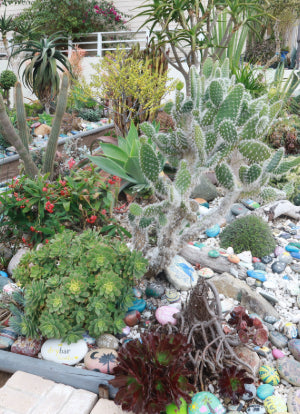
There is something undeniably captivating about cacti. Their sculptural forms, vibrant blooms, and extraordinary resilience evoke a sense of admiration and mystery. In the realm of xeriscaping—a method of landscaping that champions water conservation—cacti are not merely plants; they are living symbols of survival and elegance amidst scarcity. But what exactly makes certain cacti the epitome of drought-tolerant landscaping? And why do they continue to enchant gardeners and landscape artists across arid and semi-arid regions? Delving deeper, one discovers a blend of evolutionary marvel, aesthetic prowess, and environmental wisdom that cacti bring to xeriscaping projects.
Understanding Xeriscaping: Beyond Water Efficiency
Xeriscaping transcends the simple act of planting drought-tolerant species. It’s a thoughtful choreography of soil management, plant selection, and landscape design that unites beauty with sustainability. Cacti, with their extraordinary adaptations, naturally become pivotal in this practice. Their ability to store water in fleshy tissues, minimize transpiration via spines instead of leaves, and thrive in nutrient-poor substrates illustrates a botanical ingenuity that has evolved over millennia.
This resilience is not just biological—it’s an invitation to reshape how we perceive deserts and dry spaces as fertile grounds for artistic expression and ecological harmony. When integrated thoughtfully, cacti introduce texture and geometry that contrast sharply against traditional garden plants, offering dynamic visual narratives to xeriscape compositions.

Golden Barrel Cactus: The Quintessential Xeriscape Icon
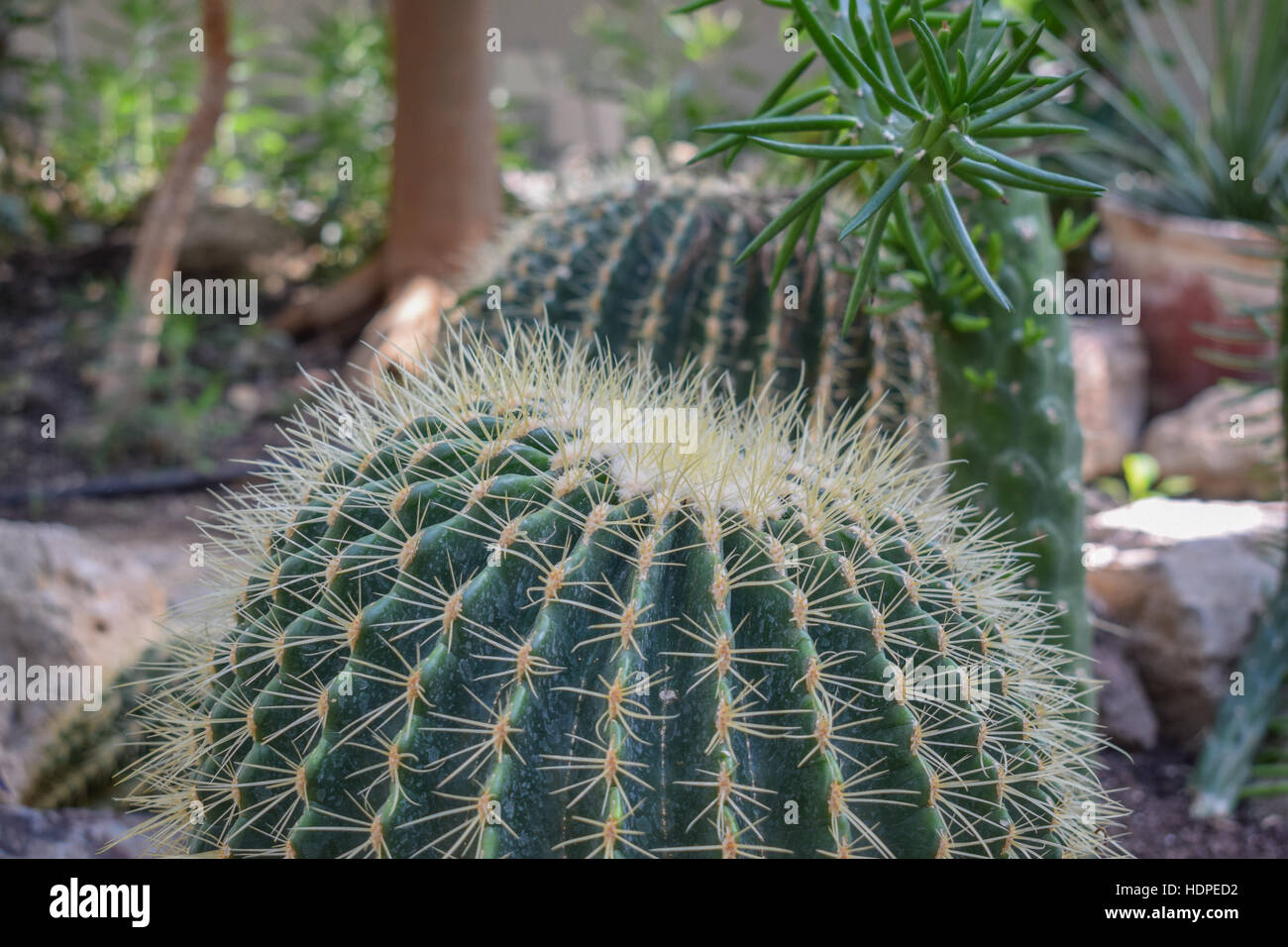
Among the myriad of cactus species suited for xeriscaping, the Golden Barrel Cactus (Echinocactus grusonii) stands out prominently. Its rounded form, adorned with radiant golden spines, can punctuate any garden with a burst of sunlit charm. Beyond aesthetics, its slow growth rate and minimal maintenance requirements make it a favored choice among landscape designers seeking longevity and reliability.
What truly deepens admiration for the Golden Barrel is its uncanny ability to embody resilience. Originating from central Mexico’s arid zones, it endures intense heat and prolonged drought. Its spherical shape minimizes surface area exposure, reducing water loss—an ingenious evolutionary design. Strategically placed, a cluster of these cacti can create natural focal points, their bold silhouettes harmonizing with gravel beds and native stonework.

Varied Cacti for Diverse Xeriscaping Needs
While iconic species like the Golden Barrel garner attention, the diversity of cacti offers endless possibilities for xeriscaping. From columnar saguaros floating skyward to prickly pears displaying edible fruits and delicate blooms, each species contributes unique structural and ecological roles.
Consider the towering Organ Pipe Cactus (Stenocereus thurberi), which populates the Sonoran Desert with vertical spires. Its majestic presence adds architectural drama, creating natural privacy screens or shade elements for smaller understory plants. Alternatively, the clumping Hedgehog Cactus (Echinocereus spp.) provides ground-level interest with vibrant flowers, attracting native pollinators and adding bursts of seasonal color.
The prickly pear (Opuntia spp.) offers functional benefits, including edible pads and fruits, which intertwine culinary use with landscaping. Its sprawling growth habit makes it ideal for filling open spaces while preventing soil erosion, crucial in xeric environments.
Root Systems and Soil Synergy: The Hidden Champions
The visual allure of cacti is matched by their subterranean sophistication. Most cacti possess specialized root systems designed to maximize water absorption during rare desert rains. Shallow and widespread roots rapidly capture surface moisture, while some species delve deeper to tap subsurface reserves.
When selecting cacti for xeriscaping, understanding these root dynamics is vital. For instance, species with expansive shallow roots pair well with gravel mulch and porous soils, facilitating quick drainage and minimizing root rot risks. Incorporating organic matter to improve soil texture enhances drought resilience further, creating a hospitable microenvironment.
This symbiotic relationship between root architecture and soil profile exemplifies how xeriscapes function as integrated ecosystems rather than mere ornamental plots.
Design Principles: Harmonizing Cacti with Native Flora
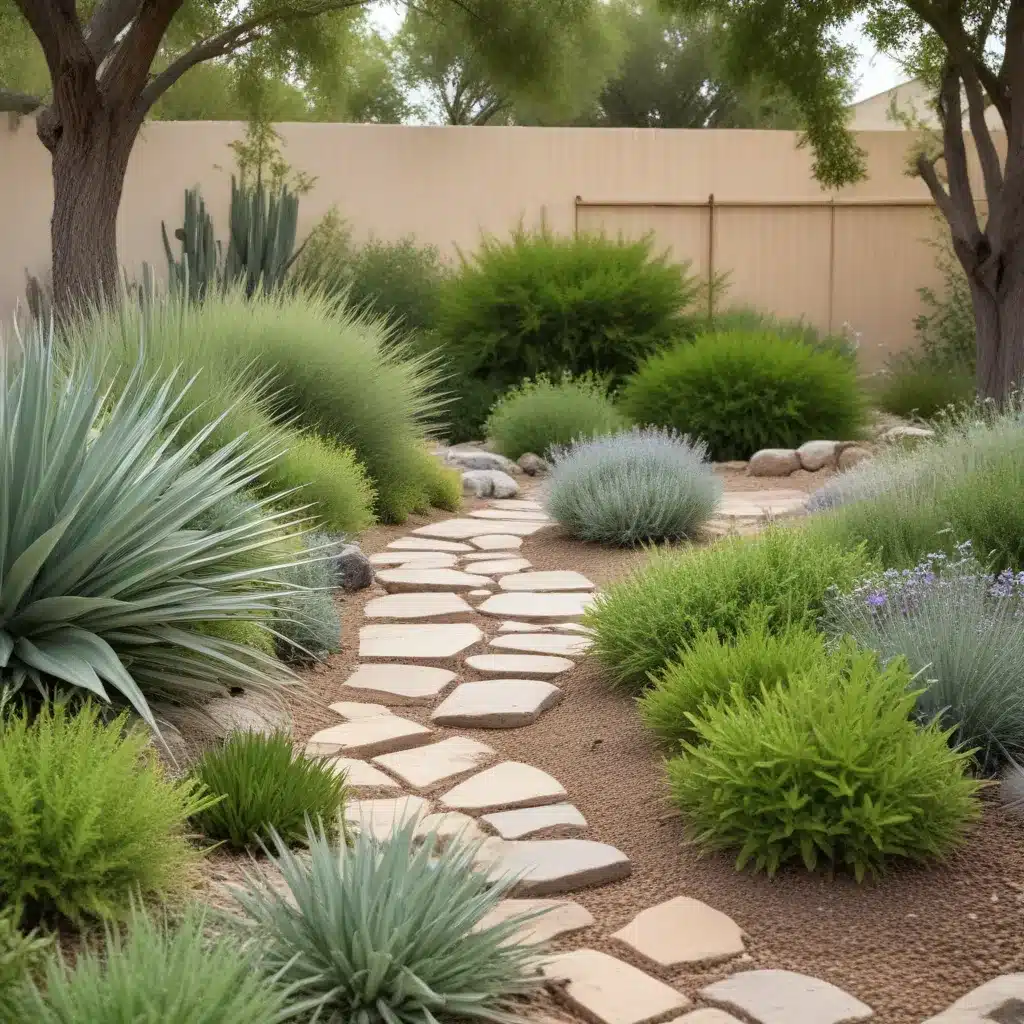
Successful xeriscaping is an art of juxtaposition and cohesion. Cacti do best when harmonized with other drought-adapted plants such as agaves, yuccas, and desert wildflowers. This layering enriches biodiversity, offers continuous seasonal interest, and supports local wildlife.
The architectural lines of cacti contrast beautifully with the spiky rosettes of agaves and the flowing grasses that sway with desert breezes. Designers leverage these contrasts to create rhythm and movement within static spaces. Additionally, the interplay of textures—from the coarse spines of cacti to the soft foliage of companion plants—delicately balances the sensory experience of a garden.
Strategic grouping, color coordination, and spatial planning define how cacti interact with their surroundings, maximizing their ornamental and environmental impact.
Maintenance and Longevity: Cultivating Patience and Reward
Contrary to common assumption, cacti require thoughtful maintenance to truly thrive in xeriscapes. While drought-tolerant, they benefit from occasional deep watering during prolonged dry spells and protection from overwatering. Regular inspections for pests such as mealybugs and scale insects are necessary to maintain plant health.
Pruning dead or damaged segments encourages vigorous growth and enhances appearance. Mulching with inorganic materials like gravel not only conserves moisture but also reflects heat, moderating soil temperature extremes.
Patience is key. Cacti may grow slowly, but their endurance over decades or even centuries rewards gardeners with steadfast beauty and a sense of accomplishment. Their enduring presence narrates a story of survival and adaptability, inviting all who behold them to appreciate the subtle poetry of arid landscapes.
The Psychological and Cultural Fascination with Cacti
Beyond practical benefits, cacti evoke profound psychological and cultural connections. Their resilience becomes a metaphor for strength amid adversity, inspiring people to embrace minimalism and sustainability. The stark, otherworldly aesthetics of cacti challenge conventional garden norms, inviting curiosity and admiration.
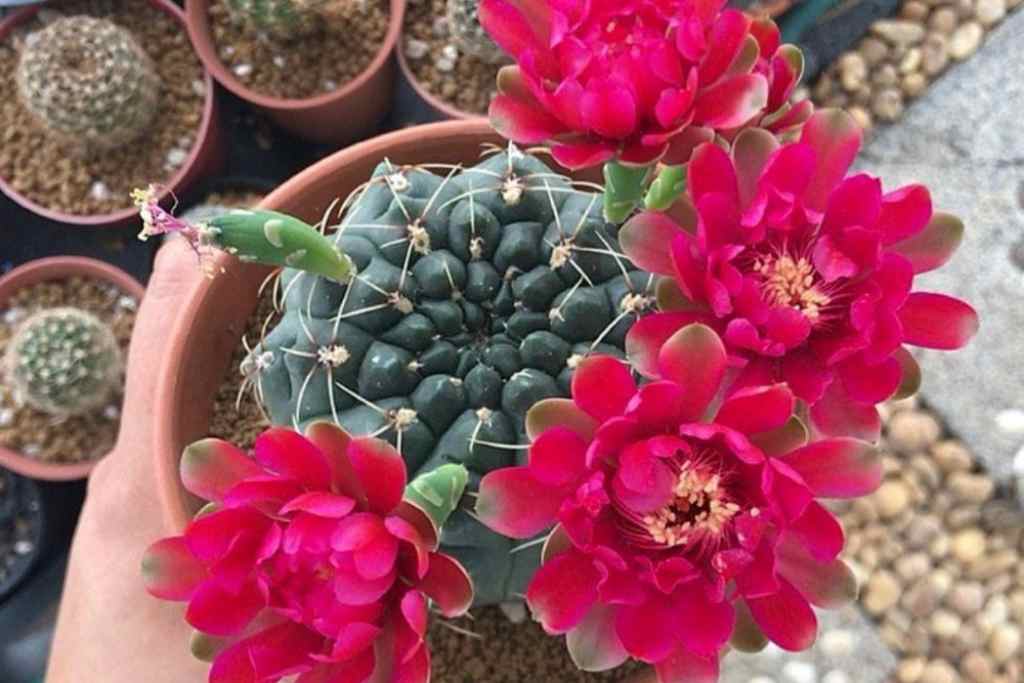
Throughout history, cacti have held symbolic significance in indigenous cultures, representing endurance, protection, and life in inhospitable environments. Their allure is enhanced by vibrant blossoms that seemingly defy their spiny armor—offering a compelling juxtaposition that mesmerizes.
This layered fascination fuels their popularity in xeriscaping, transforming gardens into living galleries where nature’s ingenuity is celebrated and preserved.
Incorporating the best cacti into xeriscaping is not merely a landscaping choice; it is a conscious act of weaving art, ecology, and resilience into our living environments. It invites a deeper reflection on how we coexist with nature’s toughest survivors and challenges us to create beauty that endures in every season.
FAQ
What is xeriscaping?
Xeriscaping is a landscaping method that emphasizes water conservation through the use of drought-tolerant plants.
What are the benefits of using cacti in landscaping?
Cacti are low-maintenance, drought-resistant, and provide unique aesthetic qualities to landscapes.
Leave a Reply