

Short Answer
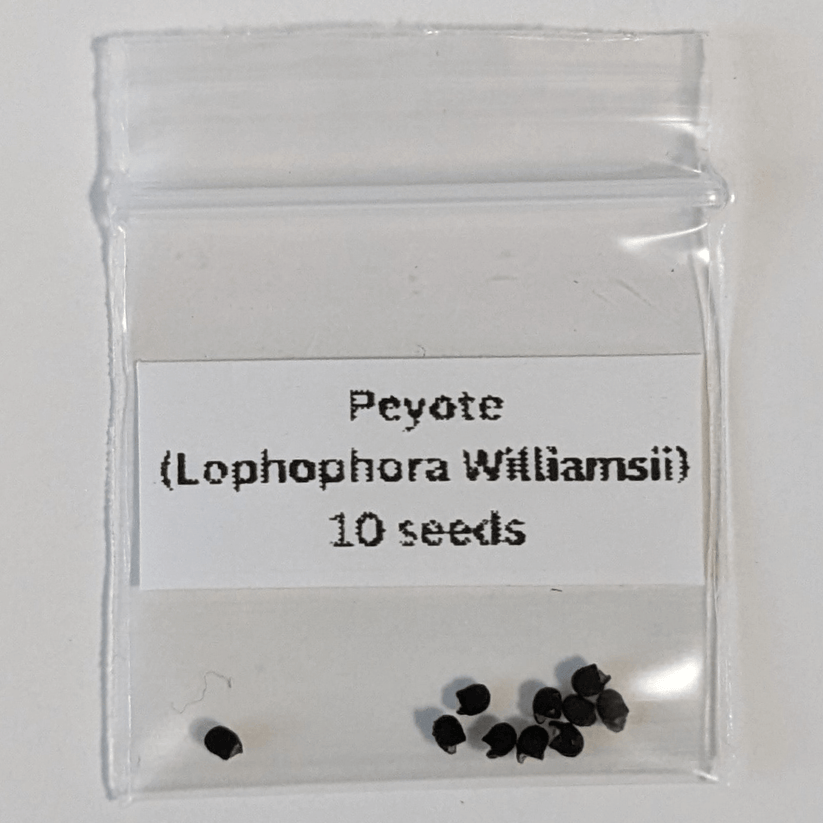
The Lophophora, more affectionately known as the peyote cactus, is not merely a plant—it is a whisper from the ancient earth, a living sacrament that has cradled the dreams of shamans, poets, and seekers for millennia. To encounter Lophophora is to step into a realm where the boundaries between the mundane and the mystical dissolve, where each ribbed button of its green flesh pulses with the slow, deliberate heartbeat of the cosmos. This unassuming cactus, crowned with a crown of soft, woolly hair, holds within its core a profound spiritual legacy—one that speaks of healing, enlightenment, and the sacred reciprocity between humanity and the natural world. To explore its spiritual meaning is to embark on a journey that transcends time, culture, and even the confines of the human mind.
The Sacred Geometry of the Peyote: A Portal to the Infinite
At first glance, the Lophophora appears deceptively simple—a small, spineless cactus that thrives in the arid embrace of the desert. Yet, its form is a masterclass in sacred geometry, a silent hymn to the mathematical elegance of the universe. The cactus’s ribbed structure, spiraling outward in a Fibonacci sequence, mirrors the golden ratio that governs the growth patterns of galaxies, seashells, and even the unfurling of a fern. This geometric harmony is no accident; it is a deliberate design, a visual mantra that invites the observer to contemplate the interconnectedness of all existence.
When consumed, the Lophophora’s psychoactive alkaloids—most notably mescaline—act as a key, unlocking doors within the mind that are usually bolted shut by the rigid structures of logic and societal conditioning. The visions that follow are not mere hallucinations but profound, symbolic narratives that unfold like a sacred text. Users often describe encountering intricate mandalas, celestial landscapes, and archetypal figures that feel as ancient as the cactus itself. These visions are not random; they are the psyche’s attempt to communicate in a language older than words, a language of myth, metaphor, and primal truth.
Healing in the Embrace of the Green Goddess
To speak of Lophophora’s spiritual meaning is to speak of healing—not just of the body, but of the soul. Indigenous traditions, particularly those of the Huichol and Native American tribes, have long revered the peyote as a divine healer, a plant teacher that guides individuals through the labyrinth of their own suffering. The cactus is often referred to as the “Green Goddess,” a title that encapsulates its nurturing, almost maternal energy. Unlike the harsh, synthetic remedies of modern medicine, Lophophora offers a healing that is gentle yet profound, a balm that soothes the wounds of trauma, addiction, and existential despair.
The healing process facilitated by Lophophora is not passive; it is an active dialogue between the seeker and the plant. The visions induced by the cactus often serve as mirrors, reflecting back to the user the patterns of their own psyche—the fears, the joys, the unresolved conflicts that shape their reality. In this sacred exchange, the individual is not merely a passive recipient of healing but an active participant in their own transformation. The peyote does not impose enlightenment; it invites the seeker to co-create it, to dance with the shadows and the light until both are integrated into a harmonious whole.
The Alchemy of Enlightenment: Dissolving the Ego, Reclaiming the Self
Enlightenment, in the context of Lophophora, is not a distant, unattainable goal but a lived experience—a momentary dissolution of the ego’s grip on reality. The cactus teaches that the self is not a fixed entity but a fluid, ever-changing phenomenon, a river that flows through the landscape of consciousness. When the ego dissolves, what remains is not emptiness but a vast, open expanse of pure awareness. This is the essence of enlightenment: the realization that the boundaries we perceive between ourselves and the world are illusions, constructs of a mind that has forgotten its own divinity.
The visions induced by Lophophora often culminate in a sense of oneness with all that exists—a feeling of being simultaneously a drop in the ocean and the ocean itself. This is not a fleeting high but a deep, abiding truth that lingers long after the effects of the cactus have faded. The peyote does not offer enlightenment as a prize to be won but as a state of being to be inhabited, a way of seeing the world that is both ancient and ever-new. In this state, the seeker is no longer a separate entity but a thread in the tapestry of existence, woven into the fabric of the cosmos.
The Feminine Mystique of the Peyote: Nurturing the Sacred Feminine
There is a feminine mystique to the Lophophora that is often overlooked in Western interpretations of its spiritual significance. The cactus’s soft, woolly crown is reminiscent of a woman’s hair, and its slow, deliberate growth speaks to the patience and resilience of the feminine principle. In many indigenous traditions, the peyote is associated with the Earth Mother, a nurturing force that sustains and guides those who seek her wisdom. This feminine energy is not passive; it is active, creative, and transformative, a force that brings forth life from the barren desert sands.
The spiritual journey facilitated by Lophophora is, at its core, a journey of rebirth—a return to the womb of the Earth Mother, where the seeker is cleansed of their old self and reborn into a new state of being. This rebirth is not a violent severing of the past but a gentle unraveling, a shedding of the layers that no longer serve. The peyote teaches that the feminine is not a weakness but a strength, a force that heals, nurtures, and transforms. In a world that often devalues the feminine, the Lophophora stands as a testament to the power of the sacred feminine, a reminder that healing and enlightenment are not achieved through domination but through surrender and receptivity.
The Shadow Dance: Confronting the Dark Night of the Soul
No spiritual journey is complete without a descent into the underworld, and the Lophophora’s path is no exception. The visions induced by the cactus often bring to the surface the shadows that lurk within the psyche—the fears, the regrets, the traumas that have been buried beneath the surface of consciousness. This confrontation with the shadow is not a punishment but an initiation, a necessary step on the path to wholeness. The peyote does not shield the seeker from their darkness; it illuminates it, allowing the individual to see their shadows clearly and, in doing so, to integrate them into their being.
This process is not easy. The shadow dance is a dance of surrender, a willingness to face the parts of oneself that have been rejected or ignored. Yet, it is also a dance of liberation, a shedding of the chains that have kept the seeker trapped in cycles of pain and suffering. The Lophophora teaches that the dark night of the soul is not a sign of failure but a rite of passage, a necessary step on the path to enlightenment. In the embrace of the peyote, the seeker learns that even the darkest corners of the psyche can be transformed into sources of wisdom and strength.
The Eternal Return: Cycles of Death and Rebirth
The spiritual journey facilitated by the Lophophora is cyclical, a spiral that returns again and again to the same themes of healing, enlightenment, and rebirth. This cyclical nature is reflected in the cactus’s own life cycle—its slow growth, its brief flowering, and its eventual return to the earth from which it came. The peyote teaches that life is not a linear progression but a series of cycles, each one an opportunity for growth and transformation. In this understanding, death is not an end but a transition, a return to the source from which all life springs.
To work with the Lophophora is to align oneself with these cycles, to recognize that the spiritual journey is not a race to the finish line but a dance that unfolds in its own time. The cactus does not rush its growth, nor does it demand instant enlightenment from those who seek its wisdom. Instead, it offers a slow, steady guidance, a reminder that the most profound transformations are not achieved through force but through patience, trust, and surrender. In the embrace of the peyote, the seeker learns to flow with the rhythms of the universe, to dance with the cycles of life and death, and to find peace in the eternal return.
FAQ
What is Lophophora?
Lophophora, commonly known as peyote, is a small, spineless cactus known for its psychoactive properties and spiritual significance.
How does peyote facilitate healing?
Peyote is believed to guide individuals through their personal suffering, offering insights and reflections on their psyche.
What is the significance of the feminine aspect of peyote?
The peyote is often associated with the nurturing qualities of the Earth Mother, symbolizing healing and transformation.


Leave a Reply