

Short Answer
Have you ever wondered what happens when two seemingly disparate worlds collide — prickly deserts and lively birds? How can such different elements coexist, thrive, and even support each other? At first glance, the spiny and unforgiving nature of cacti seemingly contradicts the delicate fluttering of birds. Yet, beneath the surface lies an intricate relationship teeming with surprises and challenges worth exploring. The question beckons: how do we protect these fierce plants and their feathered companions alike in an era fraught with environmental upheavals?
The Intricate Symbiosis Between Cacti and Birds
Cacti, those iconic sculptural giants of arid landscapes, are much more than just desert décor. They form a lifeline in many ecosystems, particularly for an array of birds. Birds have evolved fascinating adaptations that allow them to utilize cacti as shelter, nesting grounds, and food sources. For instance, some species, such as woodpeckers and cactus wrens, carve out nesting cavities within the fleshy tissues of large cacti like the saguaro. The cactus provides defense with its spines, deterring predators and offering birds a relatively safe haven—nature’s minimalist fortress.
In exchange, birds assist cacti by aiding pollination and dispersing seeds, especially when they consume cactus fruits rich in moisture and nutrients. This mutualistic relationship is a dance of survival, with each species playing a charismatic role. But, can we maintain this intricate balance amid escalating threats?
Threats Facing Cacti and Their Avian Allies
Despite their resilience, cacti and their avian partners face mounting ecological pressures. Habitat loss due to urban sprawl, agricultural expansion, and illegal harvesting has fragmented native desert landscapes. As their homes shrink, so do the safe nesting sites and food sources essential for bird communities. Climate change further complicates this picture by altering rainfall patterns and increasing temperatures, creating circumstances that can tip this equilibrium into fragility.
Bird species that depend heavily on cacti may find it increasingly difficult to sustain their populations. For example, drought conditions stunt cactus growth, thereby limiting flower and fruit production—vital components of many birds’ diets. Additionally, invasive species and human disturbances add layers of complexity, threatening to sever these time-honored ecological ties. It’s a formidable challenge demanding multifaceted action.

Strategies for Conserving Both Cacti and Birds
The question is no longer just why but how can we actively protect cacti and their avian symbionts? Conservation efforts must be holistic, aimed at preserving not just isolated species but entire ecosystems. First and foremost, protecting existing desert habitats from further degradation is paramount. This can be achieved through legal protections, land stewardship programs, and community engagement that champions sustainable land use practices.
Ecological restoration projects that reintroduce native cacti species and rehabilitate degraded areas offer hope. Habitat connectivity initiatives, such as creating green corridors, enable birds to move freely and safely between feeding and nesting grounds, fostering genetic diversity and resilience. Encouraging native plant cultivation, including cacti, within private gardens and urban areas can also contribute to local ecosystem support—turning everyday spaces into miniature sanctuaries.
The Role of Education and Citizen Science
Greater awareness is a powerful tool. Education about the ecological value of cacti and their avian partners can galvanize communities and individuals to become custodians of their environment. Workshops, interpretive signage at nature reserves, and engaging storytelling help demystify these desert dwellers and highlight their interconnectedness.
Citizen science initiatives enable enthusiasts to contribute to monitoring bird populations and cactus health, providing vital data for researchers and policymakers. Technology-driven platforms offer accessible ways to track migration shifts, flowering cycles, and habitat changes—knowledge indispensable for adaptive conservation in a changing world.
Innovative Designs Inspired by Cactus-Bird Relationships
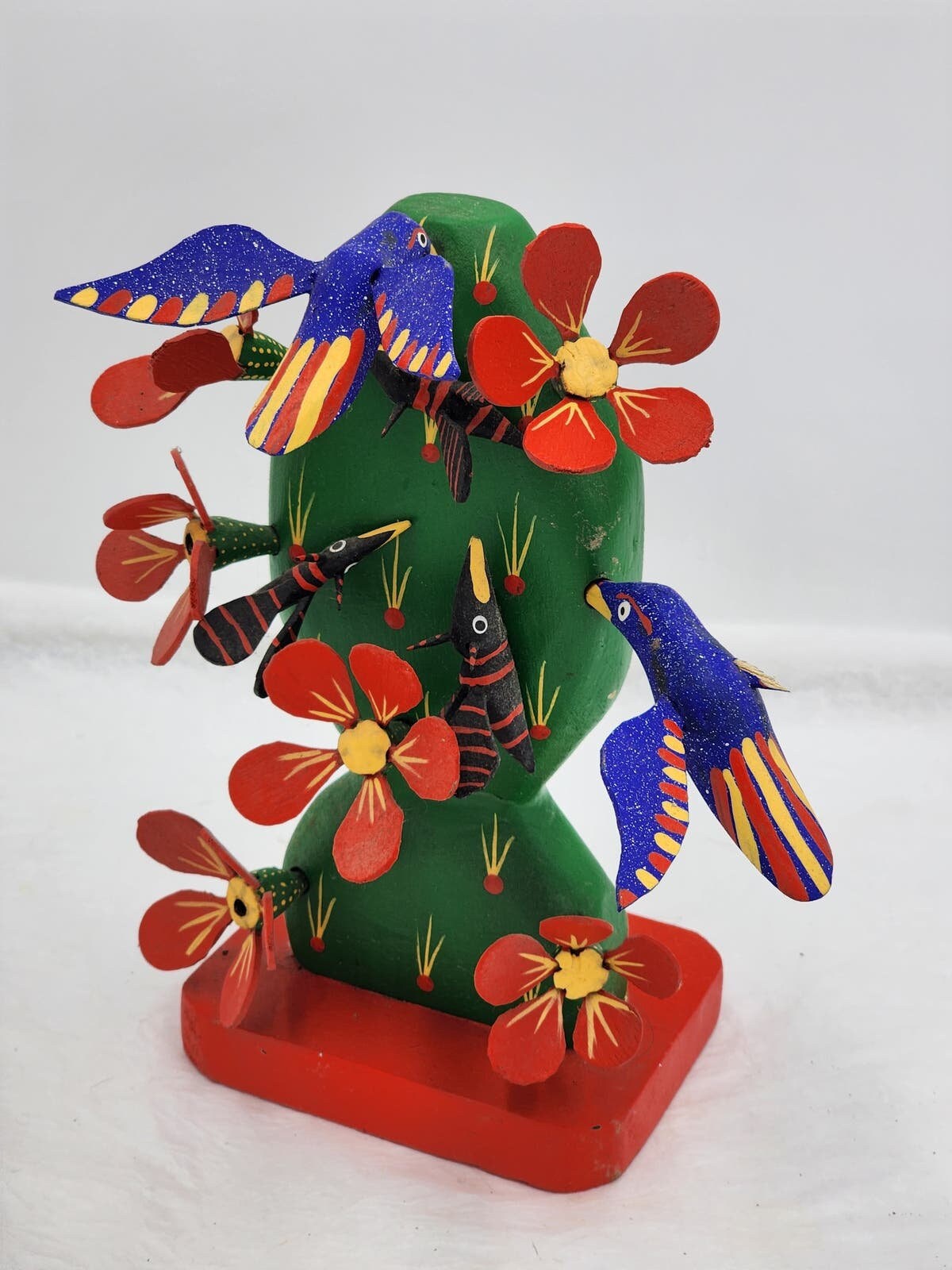
Intriguingly, the relationship between cacti and birds has inspired artistic and architectural innovations celebrating natural resilience and aesthetic allure. From vibrant folk art interpretations to biomimetic architecture, the cactus-bird motif evokes the spirit of coexistence. This cultural lens helps maintain public interest and respect, weaving conservation into the tapestry of human creativity.
Beyond art, designing bird-friendly urban spaces incorporating cactus-like structures or native xerophytic plants offers practical environmental benefits. These installations provide refuge for urban-adapted birds, help cool urban heat islands, and conserve water—demonstrating how traditional ecological knowledge can inform sustainable modern living.

Looking Forward: Cultivating Harmony Amidst Change
Protecting cacti and birds together is emblematic of broader conservation challenges. It demands a melding of scientific insight, cultural appreciation, and proactive stewardship. By recognizing the delicate choreography between these prickly plants and their avian companions, we tap into a narrative of survival, adaptation, and mutual respect.
As deserts continue to pulse with life in spite of harsh conditions, our role is to safeguard their rhythms and voices. By nurturing this alliance, we not only preserve biodiversity but also guarantee that future generations can witness the marvel of birds dancing atop the spiny silhouettes of cacti—nature’s enigmatic ballet in the sands.
FAQ
How do cacti and birds benefit each other?
Cacti provide shelter and food for birds, while birds aid in pollination and seed dispersal for cacti.
What threats do cacti and birds face?
They face habitat loss, climate change, invasive species, and human disturbances.
What can be done to protect cacti and birds?
Conservation efforts should focus on habitat protection, ecological restoration, and community engagement.


Leave a Reply