

Short Answer
The enigmatic world of cacti unveils a fascinating realm of resilience, adaptation, and fragility. These spiny succulents, emblematic of arid landscapes, are not only survivors of harsh climates but also bearers of immense ecological and cultural significance. Yet, the plight of an increasing number of cactus species teetering on the brink of extinction demands urgent attention. The quest to conserve these remarkable plants introduces readers to a rich tapestry of biodiversity, conservation challenges, and inspiring rejuvenation efforts that breathe life back into endangered cacti populations around the globe.
The Diverse Kingdom of Cacti: Beyond the Desert Stereotype
Cacti represent a diverse family of plants, boasting over 2,000 species spread across the Americas, from southern Canada to Patagonia. Their kaleidoscope of forms ranges from squat, globular specimens to towering columnar giants that seem to defy gravity. This botanical diversity also exhibits an array of fascinating adaptations—ribbed bodies that expand and contract with water availability, spines evolving from leaves for protection and shade, and CAM photosynthesis to conserve moisture. The sheer variety underscores the ecological importance of cacti as keystone species in desert and semi-arid ecosystems, supporting myriad fauna including pollinators, birds, and small mammals.

Endangered Cacti: The Silent Crisis Unfolding
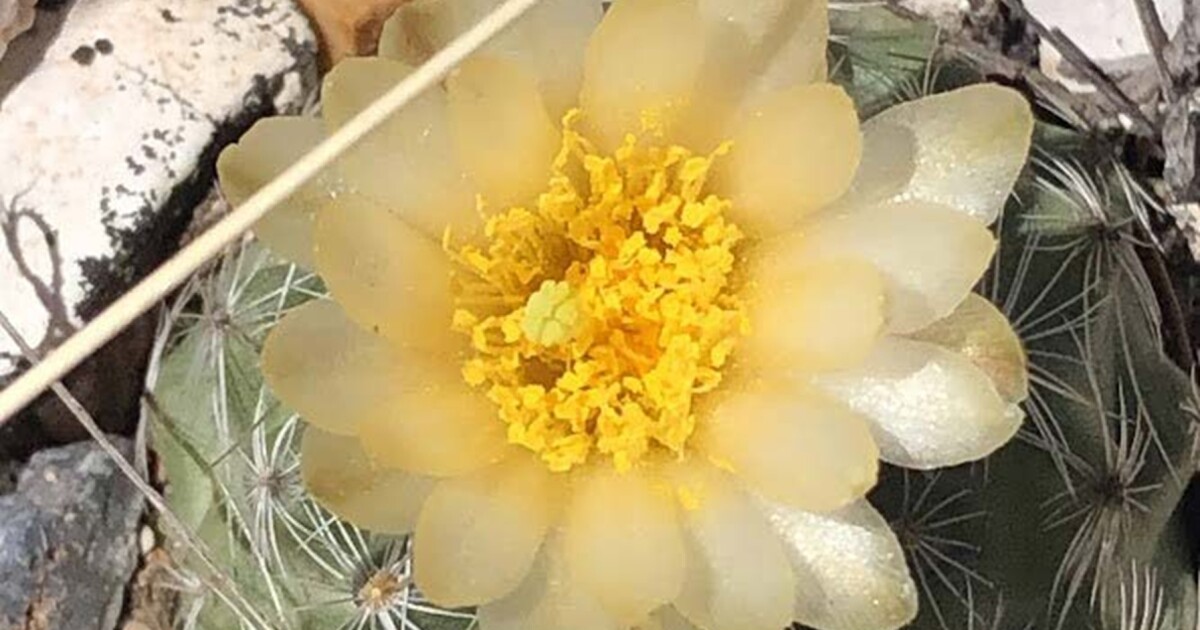
Despite their hardy appearance, many cactus species face catastrophic pressures leading to endangerment. Habitat degradation due to urbanization, agricultural encroachment, and illegal collection for horticultural trade have decimated wild populations. Some rare species, endemic to specific microhabitats, are particularly vulnerable. For example, the lineage of Ariocarpus and Aztekium cacti are prized for their rarity, making them targets of poaching. Climate change further exacerbates these threats by altering precipitation patterns and introducing invasive competitors. The slow growth rate of many cacti compounds their inability to recover quickly from population declines, highlighting the urgent need for concerted conservation action.

Conservation Strategies: Bridging Science and Stewardship
Conserving endangered cacti is an intricate endeavor that combines in situ and ex situ approaches, underpinned by botanical research, community involvement, and policy enforcement. In situ conservation involves protecting natural habitats through the establishment of protected areas, ecological reserves, and restoration projects. These initiatives prioritize preserving entire ecosystems to maintain the interdependent relationships between cacti and other desert organisms. Meanwhile, ex situ conservation efforts, such as seed banking, cultivation in botanical gardens, and tissue culture propagation, act as vital insurance policies against extinction.
Advanced technologies such as genetic studies enable conservationists to understand population dynamics and identify genetically valuable individuals for breeding programs. Additionally, citizen science programs empower local communities and enthusiasts to report on cactus sightings, track illegal trade, and foster a culture of appreciation and protection.
Legislation and International Cooperation
Legal frameworks at national and international levels play a quintessential role in cactus conservation. Many endangered cacti fall under the protection of the Convention on International Trade in Endangered Species of Wild Fauna and Flora (CITES), which regulates cross-border trade to prevent exploitation. National laws complement these protections by restricting collection and imposing penalties for violations. However, enforcement often faces challenges due to the clandestine nature of illegal trade and limited resources.
Concerted international collaboration is vital to address transboundary threats and share resources, research findings, and best practices. Partnerships between governments, NGOs, indigenous groups, and scientific institutions foster a holistic approach to cactus conservation, harmonizing conservation ambitions across diverse geopolitical landscapes.
Educational Outreach and Community Empowerment
The path to sustainable cactus conservation is paved with awareness and community stewardship. Educational campaigns highlight the ecological roles and cultural value of cacti, dispelling myths that they are merely prickly curiosities. Such initiatives encourage sustainable harvesting, discourage illicit collection, and promote indigenous knowledge systems that have long respected cacti as part of local heritage.
Communities living alongside cactus habitats often serve as frontline guardians. Empowering these stewards through training, livelihood alternatives, and participation in monitoring programs strengthens the protection net. Many grassroots projects intertwine conservation with socioeconomic benefits, ensuring that safeguarding cacti also supports human well-being.
Success Stories Illuminating the Path Forward
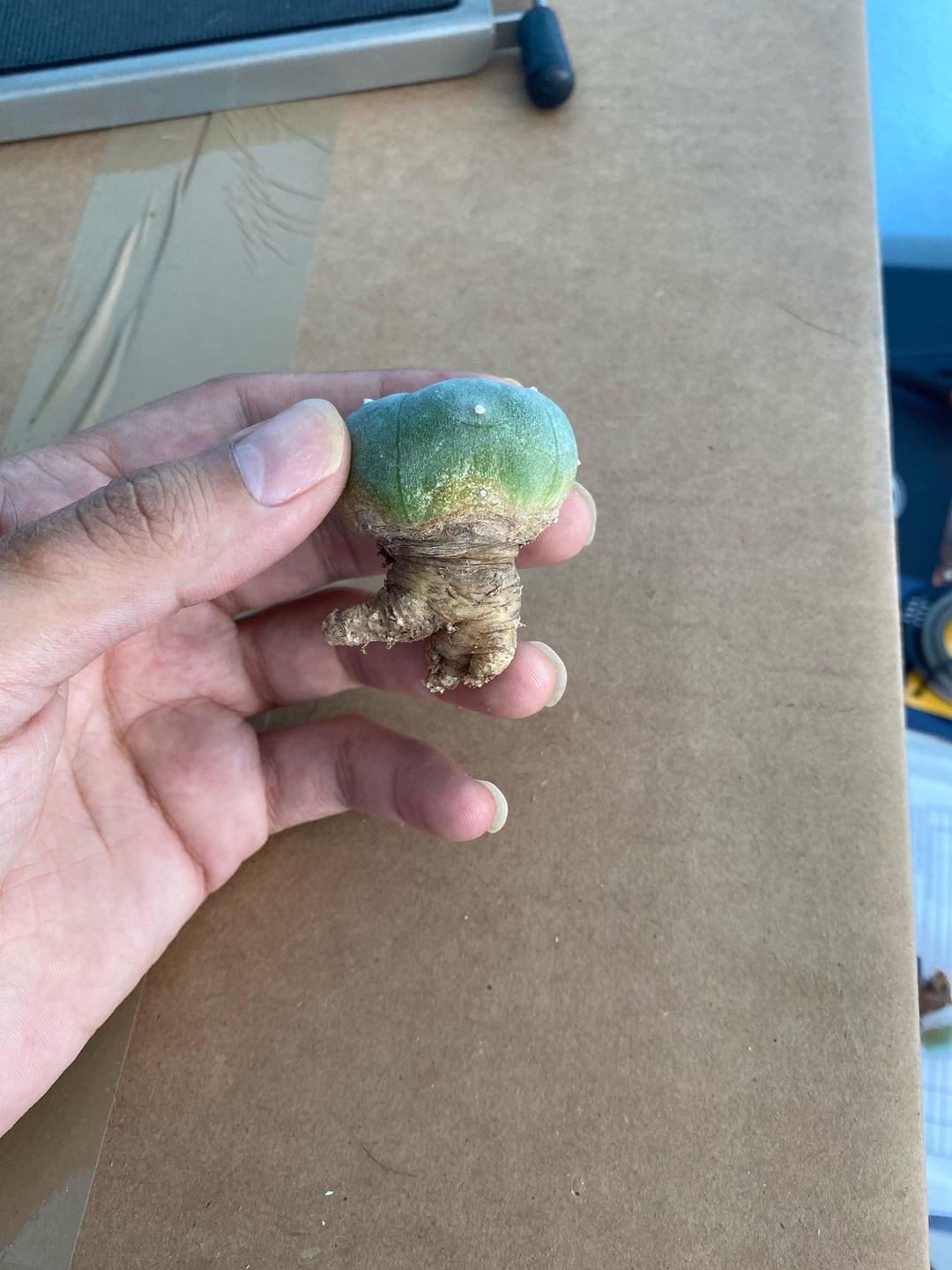
Amidst the challenges, there are heartening examples where concerted efforts have borne fruit. Restoration projects have reintroduced species like the Living Rock Cactus (Ariocarpus retusus) into wild areas, while cultivation programs have replenished dwindling stocks of other rare species. Technological advancements in micropropagation have expanded the capacity to produce healthy plants for reintroduction and reduce pressures on wild populations.
Such success stories illuminate how multidisciplinary approaches harness scientific innovation, policy frameworks, and community resolve to forge resilient futures for endangered cactus species. They serve as beacons inspiring further commitment and creativity in tackling global biodiversity loss.

The Future Horizon: Integrating Sustainability and Innovation
Looking ahead, the conservation of endangered cacti depends on embracing adaptive management strategies that anticipate the shifting realities of climate change and human development. Harnessing big data, remote sensing, and AI-driven analyses can refine habitat assessments and threat monitoring. Moreover, integrating cactus conservation into broader sustainable land-use planning ensures these spiny treasures endure alongside thriving human communities.
The narrative of cactus conservation is one of perseverance, intertwined destinies, and boundless opportunity. By championing these resilient yet vulnerable plants, humanity upholds not just the survival of species but also the integrity of ecosystems that sustain life in some of the planet’s most extraordinary landscapes.
FAQ
What are the main threats to cactus species?
Cactus species face threats from habitat degradation due to urbanization and agriculture, illegal collection, and climate change.
What is CITES?
CITES is the Convention on International Trade in Endangered Species, which regulates international trade to protect endangered species.
How can communities help in cactus conservation?
Communities can engage in monitoring programs, sustainable harvesting, and educational initiatives to promote awareness and protection.



Leave a Reply