
Short Answer
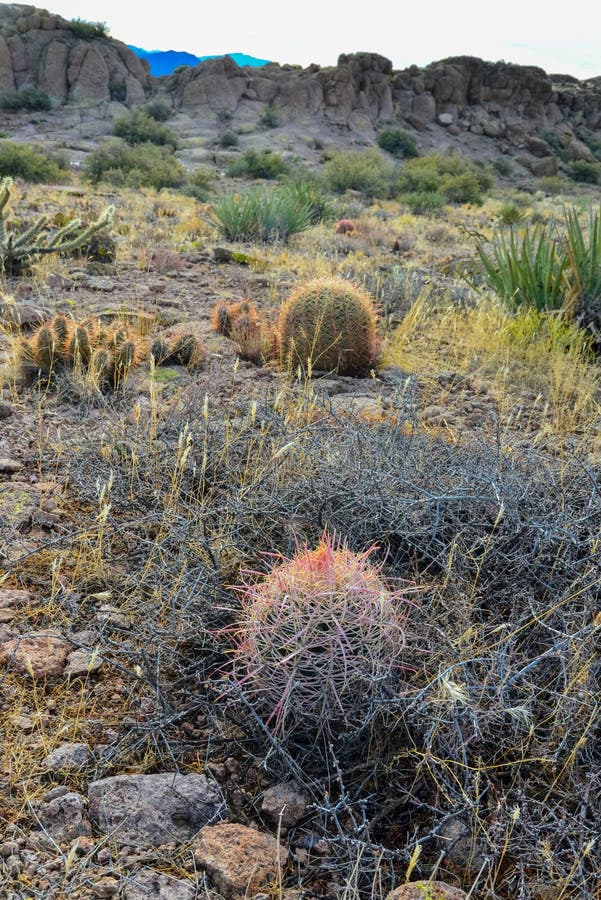
In the sun-scorched theaters of the desert, where the earth cracks under the weight of relentless heat and the wind sculpts the land into undulating dunes, a silent sentinel stands guard. The Ferocactus, with its barrel-shaped silhouette and spines that gleam like polished obsidian, is a paradox of ferocity and fragility. It is a botanical titan, a survivor that thrives where others wither, yet it demands respect—a dance of give and take between cultivator and cactus. To grow a Ferocactus is to invite a piece of the wild into your home, a living relic of the arid expanse, where every spine tells a story of endurance and every rib echoes the rhythm of the desert’s heartbeat.
The Desert’s Ironclad Monarch: Understanding Ferocactus Species
The Ferocactus genus is a family of cacti that reads like a roster of desert royalty. From the Ferocactus cylindraceus, the Compass Barrel, which points its ribs toward the sun like a compass needle, to the Ferocactus latispinus, the Devil’s Tongue, with its broad, flat spines that seem to flicker in the light, each species is a masterpiece of evolutionary artistry. These cacti are not mere plants; they are geological timekeepers, their growth rings a chronicle of droughts and deluges. The Ferocactus wislizeni, or Fishhook Barrel, boasts hooked spines that could snag the unwary, a reminder that beauty in the desert often wears a thorny crown. To cultivate a Ferocactus is to embrace its wild heritage, to nurture a fragment of the untamed world where only the fiercest thrive.
Choosing Your Desert Sovereign: Selecting the Right Ferocactus
Not all Ferocacti are created equal, and selecting the right one is akin to choosing a companion for a lifelong journey. The Ferocactus glaucescens, with its powdery blue-green skin, is a gentle giant, its spines soft as silk, while the Ferocactus emoryi commands attention with its towering stature and fiery red flowers. Consider your environment: a compact Ferocactus gracilis might suit a windowsill, while a mature Ferocactus herrerae could become the centerpiece of a sun-drenched patio. Look for specimens with firm, unblemished skin, spines that gleam without brittleness, and a root system that hints at stability. A healthy Ferocactus should feel like a fortress—unyielding yet full of potential.
A Home Fit for a Cactus King: The Ideal Growing Conditions
To replicate the Ferocactus’s native habitat, think less “houseplant” and more “desert citadel.” These cacti demand a throne of well-draining soil, a mix of coarse sand, perlite, and a dash of pumice to mimic the gritty embrace of the desert floor. A terracotta pot, with its porous walls, is ideal—it breathes, preventing the dreaded root rot that lurks in soggy soil. Place your Ferocactus in a location where the sun’s rays are unfiltered, where the light is so intense it casts sharp shadows. South-facing windows or a greenhouse with ample ventilation will do. Temperature-wise, think of the Ferocactus as a sun-worshipper: it thrives in daytime highs of 85°F (29°C) or more, but it can tolerate brief dips to 20°F (-6°C) if kept dry. Humidity? A resounding no. The Ferocactus despises the clammy embrace of moisture, preferring the crisp, arid kiss of the desert breeze.
The Art of Hydration: Watering Your Ferocactus
Watering a Ferocactus is not a task—it’s a ritual, a delicate balance between quenching its thirst and starving its resilience. In the growing season, from spring to early fall, water deeply but infrequently. Let the soil dry completely between waterings; a thirsty Ferocactus will forgive a missed drink, but soggy roots are a death sentence. In winter, when the cactus enters its dormant phase, reduce watering to a mere whisper. A few drops every six weeks is enough to keep it alive without coaxing it into premature growth. The key is to observe: a well-hydrated Ferocactus will have a slight give to its skin, while an overwatered one will swell like a waterlogged sponge. Listen to your cactus. It will tell you what it needs.
Feeding the Beast: Fertilizing for Maximum Ferocity
Ferocacti are not gluttons. They are survivors, adapted to soils so poor they would starve lesser plants. Yet, a judicious feeding in the growing season can coax out larger flowers and a more robust form. Use a low-nitrogen, high-phosphorus fertilizer, diluted to half strength, and apply it only when the soil is already moist. Think of it as a light seasoning rather than a feast. Over-fertilizing is the fast track to a soft, etiolated cactus—one that stretches toward the light like a starving man reaching for bread. A Ferocactus fed too well may grow too quickly, its ribs elongating unnaturally, losing the compact, muscular appearance that makes it so striking. Feed sparingly, and your cactus will reward you with slow, steady growth and a form that commands respect.
Pruning and Propagation: Shaping the Future
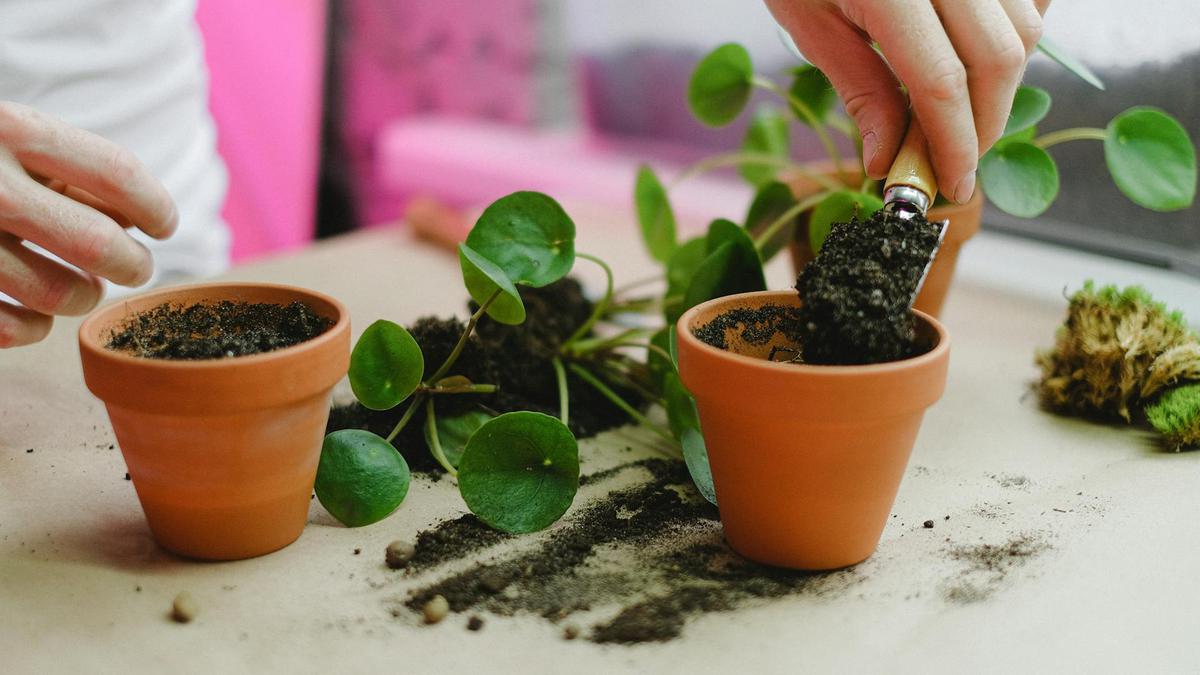
Pruning a Ferocactus is a rare necessity, usually reserved for removing dead or damaged tissue. Use a clean, sharp knife, and sterilize the blade with rubbing alcohol to prevent infection. The cut should be clean, leaving no jagged edges for rot to take hold. Propagation, on the other hand, is where the magic happens. Offsets, or “pups,” can be carefully removed from the base of the mother plant and potted separately. Let the cut end callus over for a few days before planting in fresh soil. This is how the Ferocactus legacy spreads—one generation nurturing the next, a botanical dynasty in the making. Patience is key; these pups may take years to establish, but when they do, they will stand as proud as their parent, a testament to your care.
Pests and Predators: Protecting Your Desert Titan
The Ferocactus is not without its foes. Mealybugs, those cottony interlopers, and scale insects, armored like medieval knights, can infiltrate the spines and steal the cactus’s vitality. Spider mites, nearly invisible, spin their webs in the crevices of the ribs, sapping the plant’s strength. Combat these pests with a cotton swab dipped in rubbing alcohol, or a spray of neem oil diluted in water. Prevention is better than cure: keep your Ferocactus in a clean, well-ventilated space, and inspect it regularly. A healthy Ferocactus is a fortress; its spines are its walls, and its waxy skin, a shield against invaders. Stay vigilant, and your cactus will remain unassailable.
The Grand Finale: Flowering and Beyond
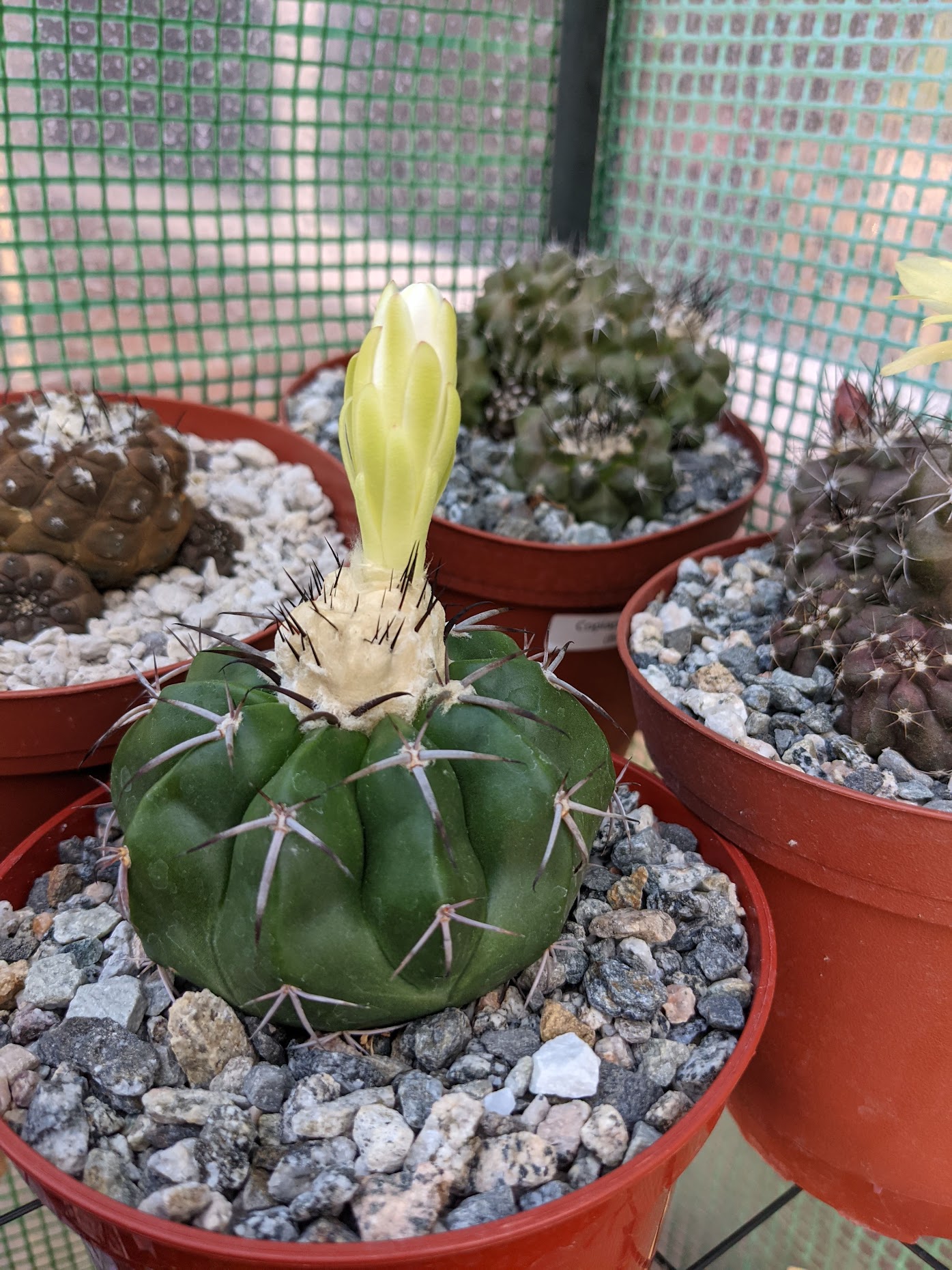
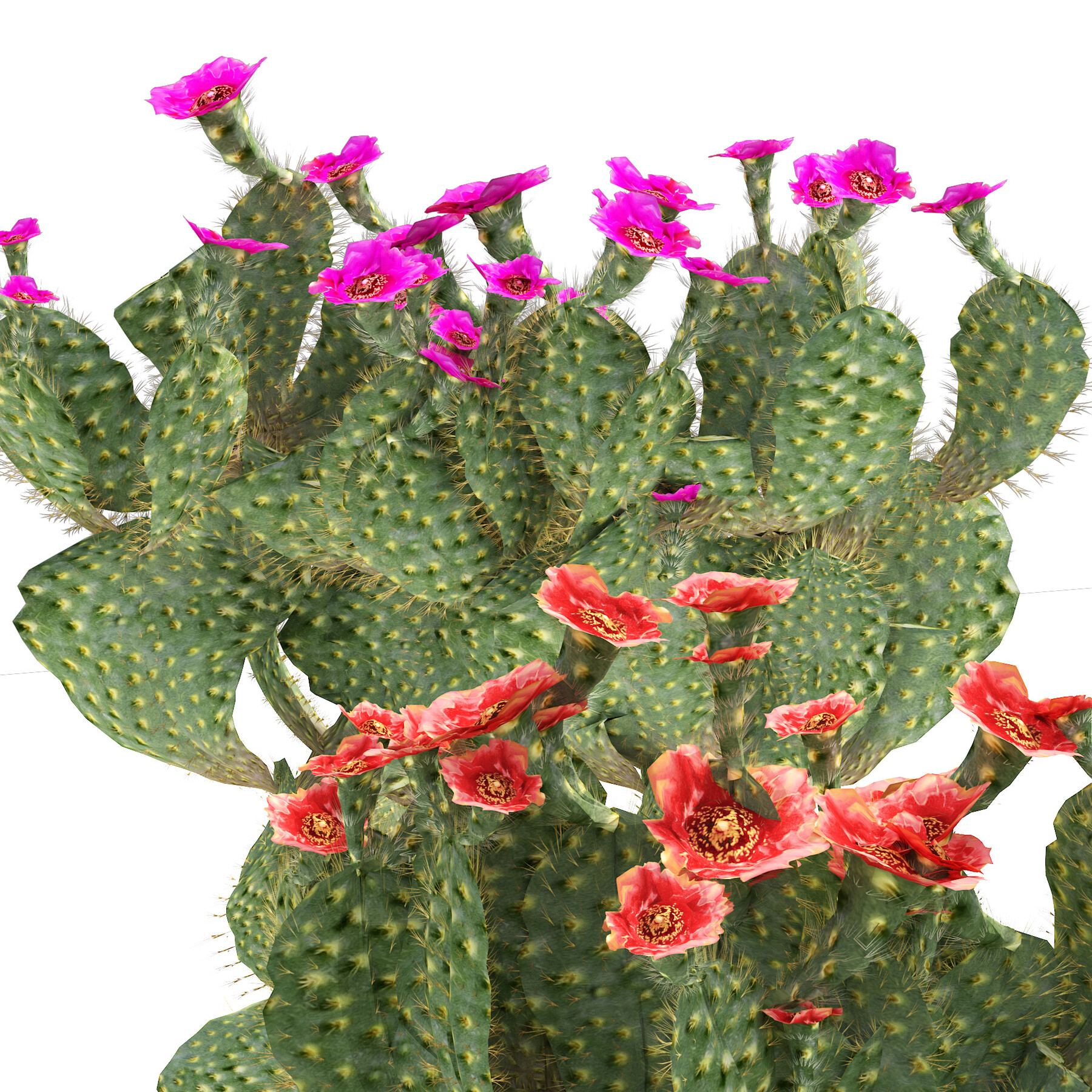
Ah, the flowers—a reward for the patient cultivator. After years of careful nurturing, your Ferocactus may burst forth with blooms of fiery red, golden yellow, or even delicate pink, depending on the species. These flowers are not just a spectacle; they are a promise, a sign that your cactus has reached maturity. Some Ferocacti, like the Ferocactus stainesii, produce flowers so vibrant they seem to glow in the desert twilight. Others, like the Ferocactus rectispinus, reward patience with a crown of blossoms that scent the air with a subtle, sweet fragrance. To witness a Ferocactus in full bloom is to glimpse the soul of the desert—a fleeting, breathtaking moment of life flourishing against all odds.
Conclusion: A Bond with the Wild
Growing a Ferocactus is more than a hobby; it is a pact with the wild, a commitment to nurturing a piece of the untamed world within your home. These cacti are not merely plants; they are living sculptures, testaments to the power of resilience. They demand little but give so much in return—a presence that commands attention, a beauty that defies the harshest conditions, and a quiet strength that inspires. Whether you are a seasoned collector or a novice with a single Ferocactus cylindraceus on your windowsill, remember: you are not just growing a cactus. You are cultivating a legend.
FAQ
What is the best soil for Ferocactus?
Ferocactus thrives in well-draining soil, ideally a mix of coarse sand, perlite, and pumice.
How often should I water my Ferocactus?
Water deeply but infrequently during the growing season, allowing the soil to dry completely between waterings.
What pests should I watch out for with Ferocactus?
Common pests include mealybugs, scale insects, and spider mites.

Leave a Reply