
Short Answer
There’s a peculiar allure to Arrojadoa cacti—those slender, spiny sentinels of the desert that captivate plant lovers with their audacious presence and delicate blooms. Yet, beneath their resilient exterior lies a root system that demands both reverence and care. Repotting these fascinating plants without damaging their fragile roots is not merely a routine gardening task but an art form, a testament to the delicate balance between endurance and vulnerability that defines Arrojadoa. This guide unveils the nuanced approach required to repot Arrojadoa seamlessly, capturing the essence of why this process stokes both curiosity and reverence among horticultural enthusiasts.
Understanding Arrojadoa’s Root Anatomy: A Foundation for Success
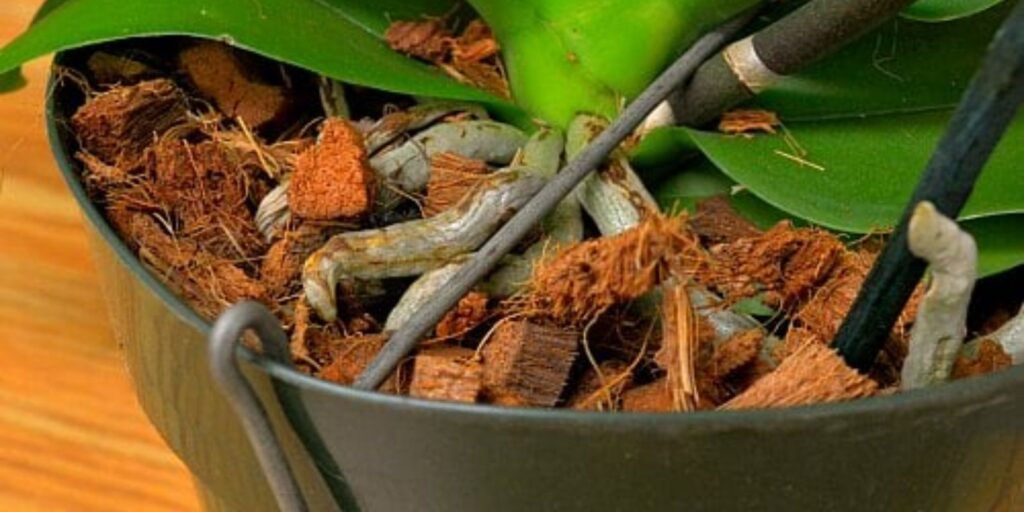
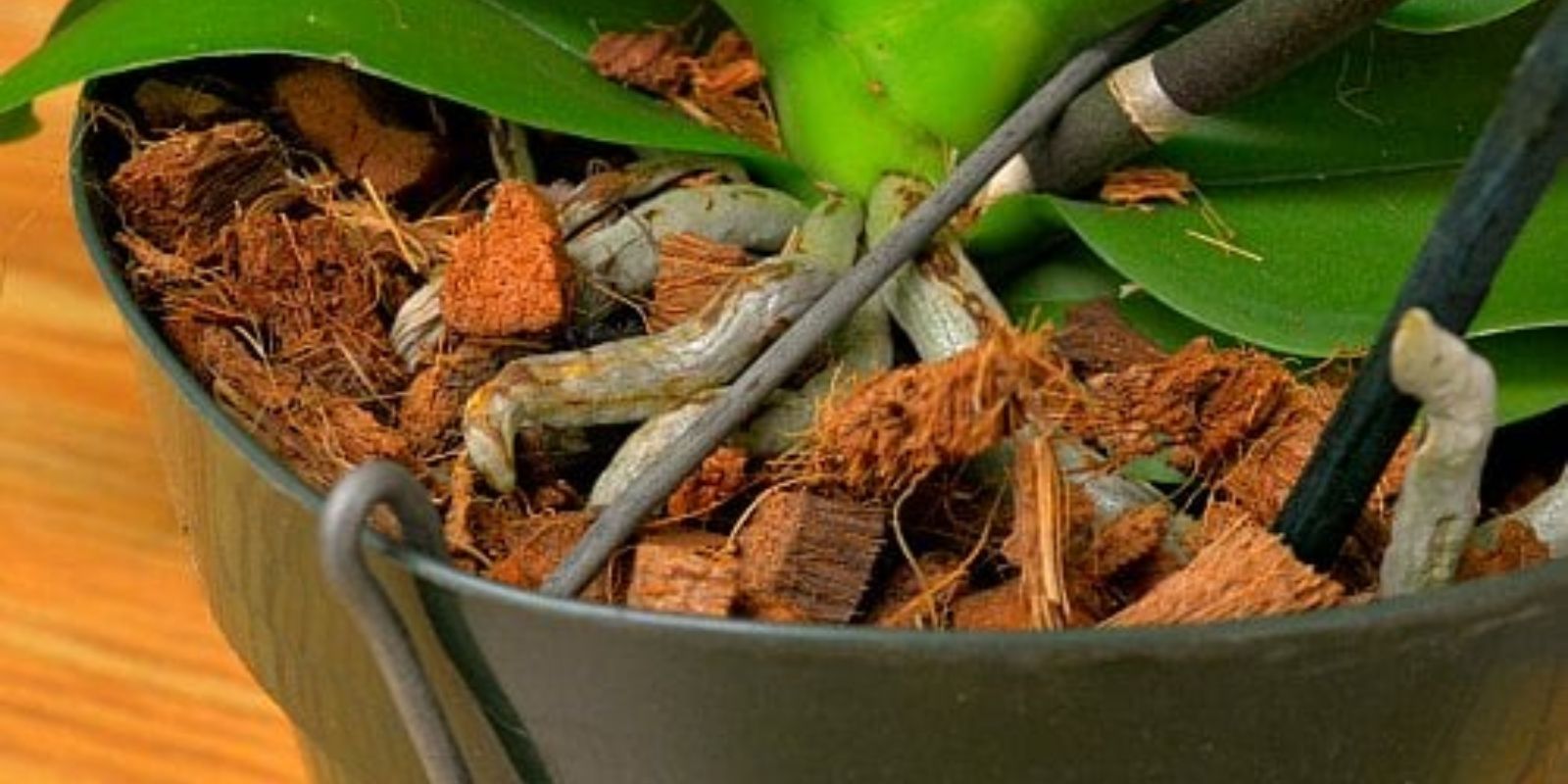
Before embarking on the repotting journey, it is vital to comprehend the intricate root structure that Arrojadoa possesses. Unlike many other cacti with robust, fibrous roots, Arrojadoa’s roots are often slender and somewhat brittle—designed for swift absorption in arid environments but highly susceptible to mechanical shock. This root fineness corresponds with the cactus’s distinctive ability to thrive in nutrient-poor, well-draining soil, anchoring the plant delicately yet effectively.
The fragility of these roots explains why improper handling often leads to stress or even fatal root rot. A mindful approach augmented by a gentle touch and suitable tools can mean the difference between a thriving specimen and one that languishes after repotting.
Optimal Timing: Synchronizing with Natural Growth Rhythms
Patience is more than a virtue; it’s a necessity when repotting Arrojadoa. The best window aligns with the cactus’s active growth phase—typically late spring to early summer. During this period, the roots are actively regenerating, enhancing recovery potential after transplantation.
Attempting repotting during dormancy, usually in colder months, risks prolonged distress and slow recovery, making the roots more vulnerable to damage or decay. Observing signs such as new growth at the apex or increased spination can guide the precise timing, ensuring that the plant’s biological clock is in harmony with your gardening schedule.
Preparing the Ideal Medium: Balancing Drainage and Nutrient Supply
One cannot overstate the importance of substrate choice when repotting Arrojadoa. These cacti thrive in substrate that mimics their natural rocky, sandy desert soils—with excellent drainage to thwart root suffocation and mild aeration to encourage root expansion.
A recommended medium blends coarse sand, pumice, and a minimal portion of organic matter like aged compost or coconut coir. This concoction allows water to pass swiftly yet retains essential moisture without stagnation. Using commercial cactus mixes often requires amendment with extra grit to prevent compaction, an enemy to Arrojadoa roots.
Tools and Techniques: Ensuring Minimal Root Disturbance
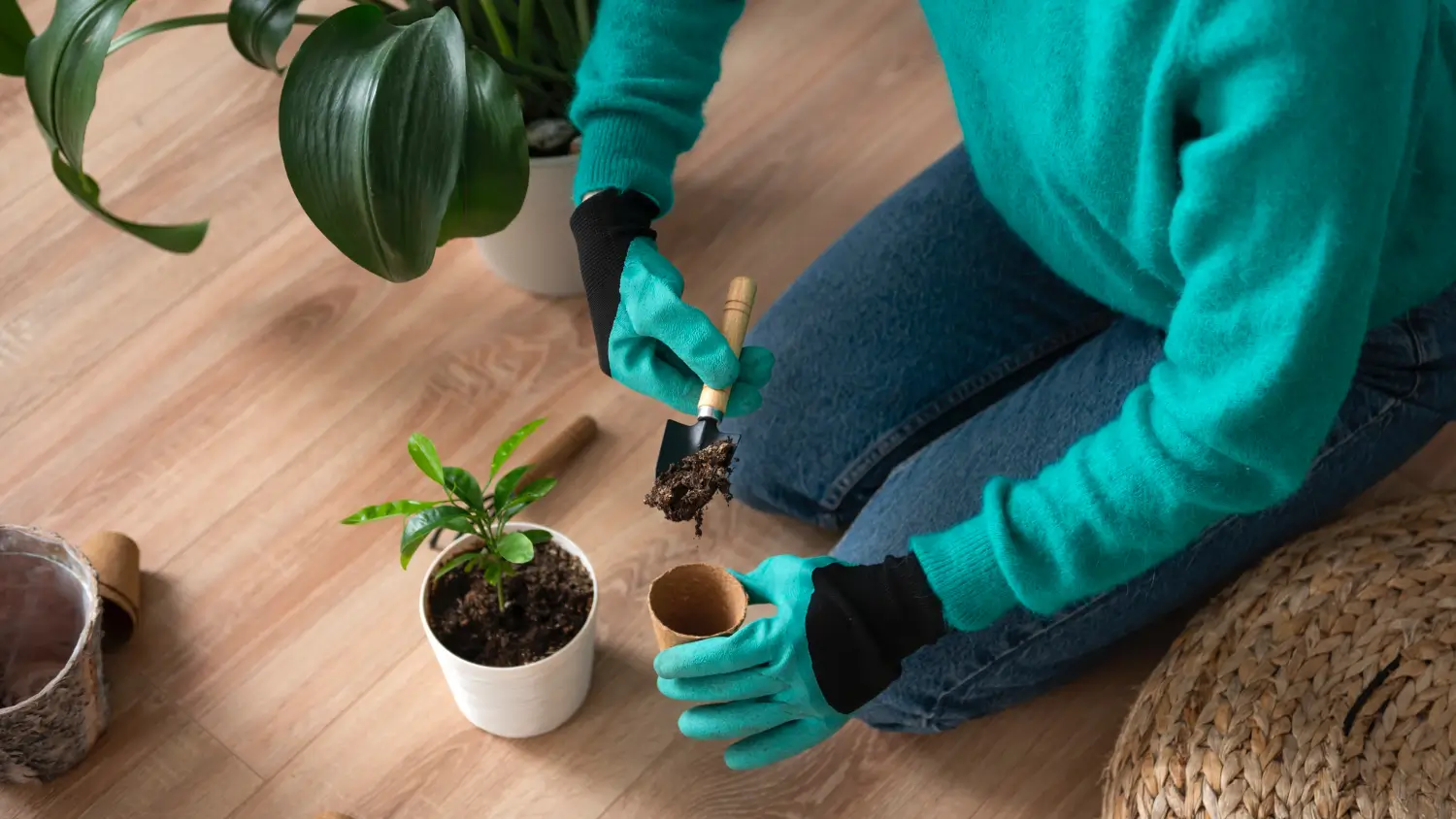
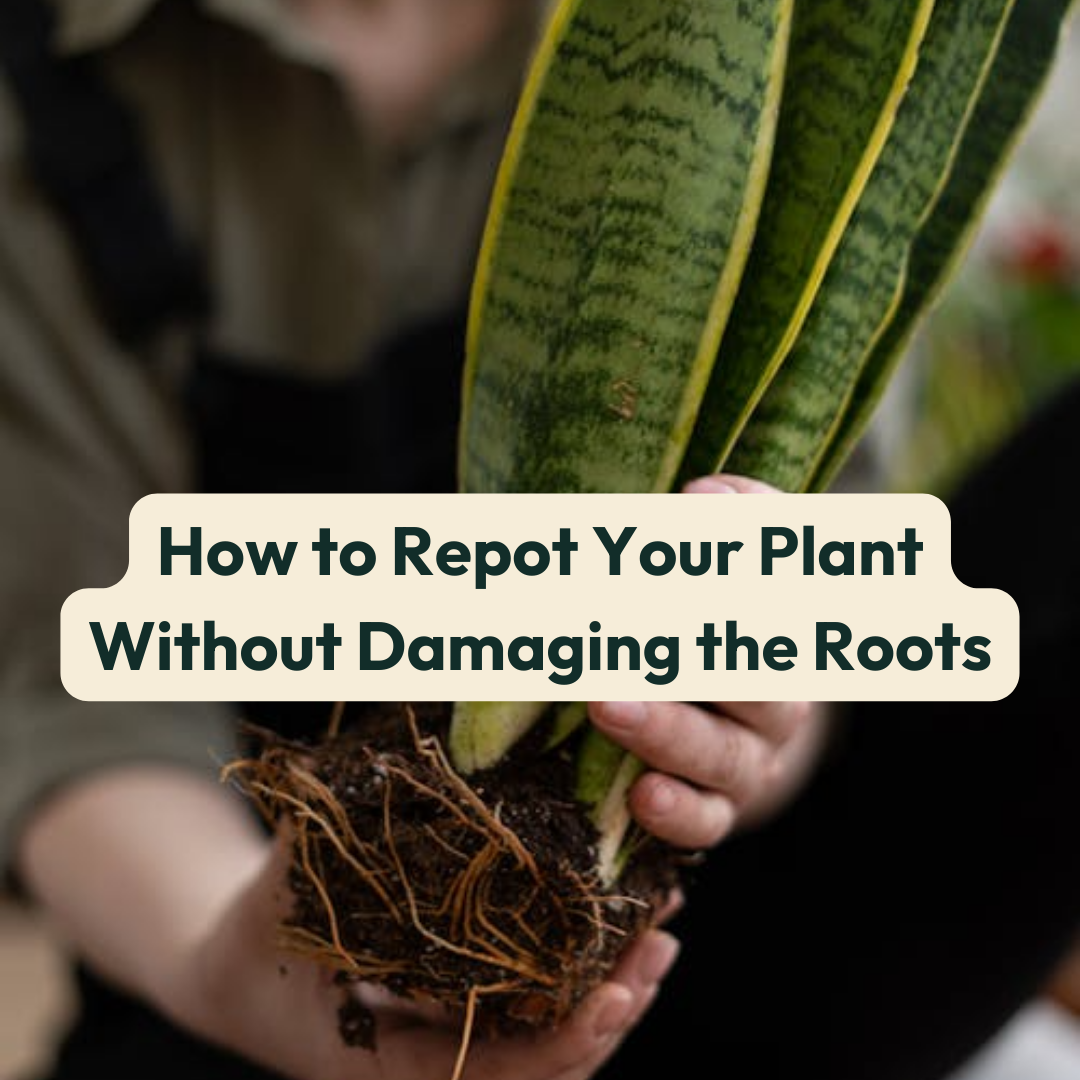
The repotting process hinges on meticulous technique and appropriate tools. Avoid forceful uprooting; instead, gently coax the plant free from its current container. Using a blunt, narrow tool such as a plastic spatula or a small garden fork helps to loosen soil progressively without slicing into the delicate root hairs.
Before extraction, lightly water the plant to soften the substrate—this reduces tension around the roots. Once removed, inspect the roots under natural light, trimming any visibly rotten or desiccated sections with sterile scissors. Such precision fosters new root development and stymies infections.
.webp)
Repotting Process: Step-by-Step with Careful Execution
Place fresh substrate at the base of the new pot, creating a cushioning layer. Position the Arrojadoa centrally and gradually backfill the soil around the roots, pressing lightly to anchor but not compact excessively. The goal is to stabilize the plant while preserving ample space for root respiration.
A pot size just slightly larger than the previous one minimizes overstressing the root system and prevents waterlogging, which can be catastrophic for Arrojadoa. Using pots with drainage holes is imperative to facilitate quick drying and root aeration.
Post-Repotting Care: Nurturing Roots Towards Revival
Following repotting, the plant enters a delicate state of acclimation. Immediate watering should be light—just enough to moisten the substrate without saturating it. Too much water overwhelms the tender roots and encourages rot.
Position the plant in bright but indirect sunlight for a few weeks, allowing it to regain strength gradually. Monitor for stress indicators such as shriveling or discoloration. Reducing fertilization initially avoids stimulating growth before roots have sufficiently established.
Why Repotting Arrojadoa Captivates Enthusiasts
Repotting these cacti is far from a mundane horticultural task; it taps into a captivating synergy of science, patience, and artistry. The intricate dance of preserving fragile roots, anticipating biological rhythms, and providing optimal nurturing conditions embodies the timeless human fascination with resilience and growth.
This process echoes broader themes—the struggle to protect life delicate yet tenacious—as mirrored in the roots beneath the striking Arrojadoa columns. It challenges growers to embrace both the vulnerability and strength inherent in nature, turning repotting into a ritual of homage and hope.
Mastering repotting with an eye towards root preservation not only ensures the health of your Arrojadoa but deepens the connection between plant and cultivator. It invites a profound appreciation for the quiet complexity embedded underfoot, beneath the dramatic silhouette of the cactus itself.
FAQ
What is the best time to repot Arrojadoa?
The best time is during the active growth phase, usually late spring to early summer.
How do I prepare soil for repotting Arrojadoa?
Use a mix of coarse sand, pumice, and a small amount of organic matter to ensure good drainage and aeration.
What tools should I use to avoid damaging roots?
Use blunt narrow tools like plastic spatulas or small garden forks and sterile scissors for trimming.
How should I care for the cactus after repotting?
Water lightly, provide bright indirect light, and avoid fertilizing until the roots have reestablished.
Leave a Reply