
Short Answer
The delicate world of Frailea succulents unfurls like a botanical treasure chest brimming with miniature gems. These small cacti, with their rounded forms and intricate spines, invite enthusiasts to embark on a propagation journey—one that feels much like coaxing hidden jewels from the earth to multiply. Propagating Frailea opens a portal into the dance of life itself, where offsets and seeds serve as the protagonists in a tale of growth, patience, and wonder. Step by step, this guide sheds light on the enchanting methods to bring new Frailea plants to life, each technique echoing the subtle artistry of nurturing nature’s quiet miracles.
Understanding Frailea: The Tiny Titans of Cacti
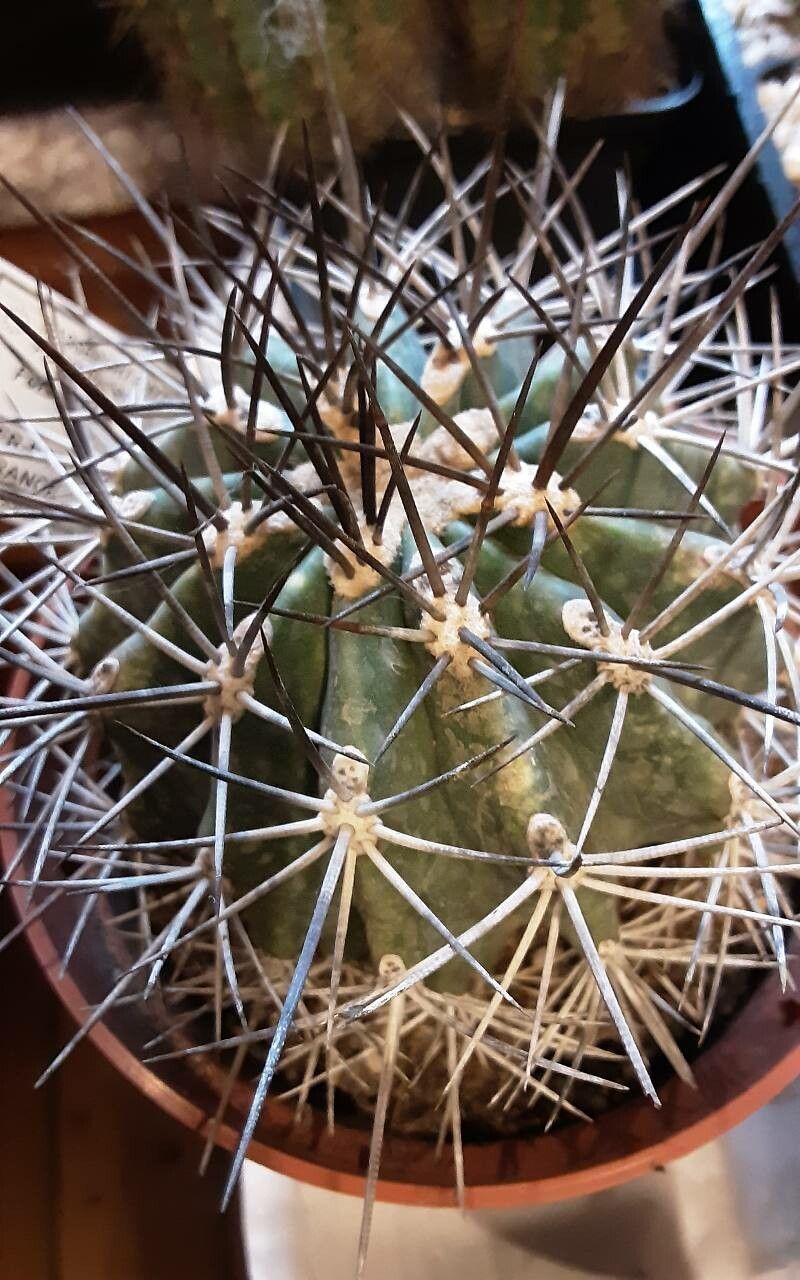
Frailea cacti are nature’s whispers—compact, unassuming, yet fiercely resilient. Unlike their towering desert cousins, Frailea species are diminutive, almost jewel-like, with symmetrically rounded bodies ornamented by spines that resemble threads woven by master artisans. These succulents thrive on minimal fuss, making them favored subjects for propagation experiments. Their ability to produce offsets and seeds almost simultaneously is akin to a magician revealing dual secrets—seeds promising new beginnings, and offsets ensuring faithful clones of the parental plant.

Offsets: Nature’s Gift of Clonal Kinship
Imagine offsets as nature’s way of whispering, “I’ll help you grow, right here, beside me.” Offsets, or pups, are miniature versions of the mother plant, emerging from its base like protuberant promises of perpetuity. This method carries a genetic fidelity that seeds simply cannot guarantee, making it a cherished route for propagators aiming to preserve exact traits.
To propagate Frailea via offsets, begin by searching for tiny spherical pups nestling close to the base. Using a sterile, sharp implement, delicately separate these offshoots, ensuring to capture some of the root tissue if possible. This careful dissection is akin to a surgeon’s touch—precise yet gentle.
Once separated, allow the offsets to callous over in a warm, shaded area for several days. This callousing process serves as a natural barrier, preventing rot when planted. After this protective phase, place the pups in a well-draining cactus mix—one that cradles roots while fending off excess moisture.
Water sparingly. Frailea offsets are adventurers in the microcosm of soil, thriving best when given time to acclimate to their new environment. Over weeks, new roots will anchor their ephemeral lives, transforming once fragile pups into independent plants ready to adorn any succulent collection.
Seeds: The Art of Cultivating Miniature Life
While offsets offer a sure path to genetic continuity, seeds whisper an invitation into a more enigmatic and rewarding journey. Propagating Frailea from seed is akin to planting a tiny universe, full of boundless possibilities and subtle surprises. Each seed contains the promise of uniqueness, mirroring the complex beauty of natural selection woven through miniature forms.
Initiating cultivation with seeds requires patience, careful preparation, and an appreciation for the slow crescendo of growth. Frailea seeds are remarkably fine—almost dust-like—and demand a sterile sowing environment to prevent fungal marauders. Selecting a well-draining, sandy substrate mixed with some organic matter provides the ideal cradle for germination.
Sow seeds thinly on the substrate surface. Press them lightly but avoid burying; Frailea seeds need light to trigger germination, much like awakening from a faint celestial slumber. Moisture is critical, albeit delicate—mist the soil gently using a spray bottle, ensuring a consistently moist but not soggy milieu.
Enclosure within a transparent propagation dome or cover maintains humidity and temperature around 70–75°F, creating a greenhouse effect that mimics the plant’s native habitat. Germination timelines can stretch anywhere from two to four weeks, with tiny succulent spheres gradually emerging like whispered secrets from the soil’s veil.
Once seedlings develop their first true ribs, it is time to gradually introduce them to open air and brighter light, fortifying their resilience. The thrill lies in watching these diminutive cacti mature from fragile seeds into robust members of the Frailea family—a transformation that is the epitome of patience rewarded with botanical artistry.

Essential Tips for Successful Frailea Propagation
Whether coaxing offsets or nurturing seeds, several crucial factors underpin success. First and foremost is substrate quality. Frailea demands a light, well-aerated medium—think sand and pumice—a sprawling sandy canvas rather than heavy earth. Excellent drainage is the lifeblood preventing the dreaded root rot.
Lighting must be balanced expertly—a passionate interplay of brightness without scorch. Frailea prefers bright indirect sunlight or filtered light akin to morning rays filtering through a leafy canopy. Too much direct sun may induce stress, turning these tiny titans into crispy figures rather than thriving sculptures.
Temperature matters too. These cacti thrive in warmth but are not fans of intense heat. Indoor environments with stable warmth around 70°F optimize growth, especially during germination. Avoid freezes and drafts which send shivers through their delicate tissues.
Lastly, hydration must be artful. Frailea plants crave infrequent, deep watering—like a rare desert rain. Allow the soil to dry out completely between waterings. Excess moisture is poison; yet too little stunts growth. The dance of moisture is a vital rhythm dictating vitality.
The Unique Appeal of Frailea Propagation
Frailea propagation is more than horticulture—it’s an intimate dialogue with time itself. Propagating offsets is akin to duplicating a delicate heirloom, while growing from seeds offers a plunge into the mystery of life’s infinite variations. Each method delivers its own narrative thread within the tapestry of succulent cultivation.
The unique appeal lies not merely in the act of propagation but in the celebration of a slow, reverent unfolding. Frailea grows quietly, steadily—a reminder that breathtaking beauty often thrives in the most unassuming forms. For those willing to commit to this musical patience, the reward is greater than plants; it is a botanical testament to persistence and wonder.
In this small cactus family of curiously rounded cushions and spiny embroidery, the act of propagation is a testament to life’s gentle will—tender yet tenacious. As new offsets sprout or seedlings push tiny ribs through the earth’s cover, one witnesses nature’s enduring choreography—a ballet in miniature, performed on the grand stage of a humble pot.
FAQ
What are the two main methods to propagate Frailea?
Frailea can be propagated using offsets (clonal pups) or seeds, each offering different benefits and challenges.
How do I prepare Frailea offsets for planting?
Offsets should be carefully separated with some root tissue, allowed to callous over in a shaded warm area for several days, then planted in well-draining cactus soil.
What is the ideal environment for Frailea seed germination?
Frailea seeds require a sterile sowing environment, light exposure, consistent moisture without sogginess, and temperatures around 70–75°F, often maintained using a propagation dome.
How often should Frailea offsets be watered after planting?
Water sparingly, allowing the soil to dry completely between waterings to avoid rot and encourage root development.
Why is propagating Frailea from seeds considered more challenging?
Seeds require patience and careful environmental control during germination, with variability in growth and uniqueness in offspring compared to the genetic fidelity of offsets.


Leave a Reply