
Short Answer
What if the key to cultivating not just plants, but also community, could be found in the prickly embrace of a cactus? Imagine a space where green thumbs and curious novices alike gather, not just to exchange foliage, but to nurture connections—where the exchange of a spiky aloe or a velvety echeveria becomes a metaphor for growth, resilience, and shared abundance. Welcome to the world of the cactus and succulent swap, a modern twist on the age-old tradition of bartering that’s sprouting up in neighborhoods, libraries, and community centers everywhere. But organizing such an event? That’s where the real magic—and the real challenge—begins.
The Allure of the Succulent Swap: Why It’s More Than Just a Plant Sale
There’s something inherently rebellious about succulents. They thrive on neglect, flaunt their thorns, and yet, in their quiet way, they demand attention—just like the communities that rally around them. A cactus and succulent swap isn’t merely a transactional gathering; it’s a living ecosystem of exchange, where each plant carries a story. The overwatered jade that outgrew its pot, the forgotten snake plant that’s been languishing in a dim corner, the rare variegated haworthia passed down through generations—each one is a vessel of potential, waiting to find its next caretaker.
But the appeal goes deeper. In an era where digital interactions often replace tactile experiences, a plant swap offers a tactile, sensory-rich alternative. The crunch of dry soil, the velvety touch of a ghost plant’s leaves, the unexpected sharpness of a barrel cactus—these are sensory memories that linger long after the event ends. It’s a reminder that growth, whether of a plant or a community, happens in the physical world, where hands get dirty and conversations bloom as effortlessly as a propagated cutting.
Plant Parenthood Meets Community Cultivation: The Social Alchemy of Swaps
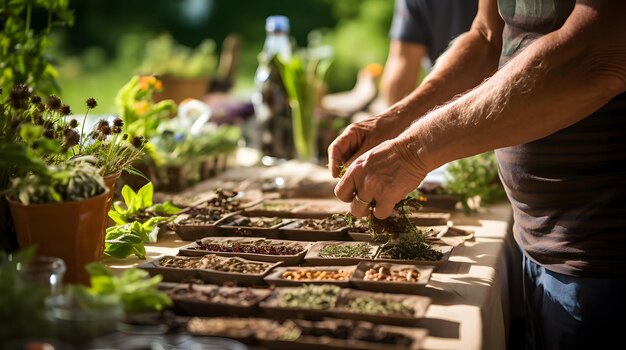
Picture this: a sunlit room, the hum of conversation punctuated by the occasional “Oh, I’ve been looking for that exact monstera!” or “How do you propagate a string of pearls?” The air is thick with the earthy scent of potting mix and the faintest hint of citrus from a nearby lemon cypress. This is the social alchemy of a plant swap—a space where plant parenthood isn’t just a solo endeavor but a collective journey.
The magic lies in the unexpected connections. A shy teenager, more comfortable with their phone than their neighbors, might strike up a conversation with an elderly gardener over a shared love of variegated pothos. A single parent, juggling work and childcare, finds solace in the slow, methodical act of repotting alongside others who understand the quiet joy of watching roots take hold. These swaps become microcosms of care, where the act of giving a plant away is as nourishing as receiving one.
Yet, for all its warmth, the social aspect can also pose a challenge. How do you ensure the event doesn’t devolve into a free-for-all where the most extroverted members dominate the conversation? How do you create an inclusive space where introverts, neurodivergent individuals, or those new to plant care feel just as welcome? The answer lies in intentional design—structured activities, clear signage, and perhaps most importantly, a shared sense of purpose that transcends the transactional.
Logistics and Landmines: The Thorny Path to a Smooth Swap
Organizing a cactus and succulent swap is like tending to a garden: it requires patience, foresight, and a willingness to troubleshoot when things don’t go as planned. The logistics, while seemingly straightforward, are rife with potential pitfalls. Where will the event be held? A library’s community room offers accessibility and a built-in audience, but its sterile fluorescent lighting might not do justice to the vibrant hues of a sunset-colored echeveria. A local café’s patio provides ambiance, but what if the weather turns? And then there’s the matter of space—how do you corral a hundred eager plant enthusiasts without turning the swap into a chaotic mosh pit?
The challenge intensifies when you consider the plants themselves. Not all succulents are created equal. Some are delicate, prone to rot if overhandled; others are nearly indestructible, thriving on neglect. How do you categorize them? By size? By species? By the level of care they require? And what about the dreaded “plant dumping” scenario—where someone offloads ailing specimens with the hope that an unsuspecting plant parent will nurse them back to health? Clear guidelines, gentle but firm education, and perhaps even a “plant triage” station can help mitigate these issues.
Then there’s the matter of time. A swap that’s too short leaves eager plant lovers frustrated, while one that drags on risks exhausting both hosts and attendees. Striking the right balance—enough time for meaningful exchanges without the event feeling like a marathon—is an art form in itself. And let’s not forget the post-swap aftermath: what happens to the leftover plants? A donation to a local school or senior center can extend the event’s impact, turning a one-time gathering into a lasting legacy.
From Swap to Sanctuary: Extending the Ripple Effect
The true measure of a successful cactus and succulent swap isn’t just the number of plants exchanged or the smiles exchanged over a shared love of propagation. It’s what happens after the event—the new friendships forged, the knowledge shared, the collective commitment to nurturing not just plants, but each other. A swap can be the seed of something larger: a community garden, a monthly plant care workshop, or even a “plant rescue” initiative where members band together to save struggling specimens from thrift stores or curb-side discards.
Consider the ripple effect. A child who attends with their parent might develop a lifelong love of botany. A retiree who thought their green thumb days were behind them might discover a new passion in hybridizing cacti. A busy professional, overwhelmed by the demands of modern life, might find solace in the meditative act of repotting, a reminder that growth—like life—happens one careful step at a time.
The challenge, then, is to see the swap not as an endpoint but as a beginning. How can you foster an environment where the connections made in that sunlit room continue to flourish long after the last succulent has found a new home? Perhaps it’s through a shared social media group where members post updates on their swapped plants’ progress. Maybe it’s a seasonal “plant clinic” where experts (or even just experienced hobbyists) offer advice. Or perhaps it’s simply the unspoken understanding that, in a world often divided by screens and schedules, there’s still room for the quiet, earthy joy of a thriving plant—and the community that tends to it.
The Unspoken Reward: Why We Keep Coming Back
There’s a quiet rebellion in choosing to spend an afternoon surrounded by plants instead of scrolling through endless feeds or rushing from one obligation to the next. In a culture that often prioritizes speed over slowness, a cactus and succulent swap is a deliberate act of defiance—a reminder that some things, like love and growth, cannot be rushed.
The real magic of these events isn’t in the plants themselves, but in what they represent: a return to the tactile, the communal, the slow. It’s in the way a stranger’s face lights up when they find a long-lost favorite, or the way a shy attendee’s confidence grows as they share their propagation tips with someone else. It’s in the way a room full of people, united by a shared love of the spiky and the soft, the resilient and the delicate, becomes something greater than the sum of its parts.
So, the next time you’re tempted to scroll past yet another plant-related event, consider this: what if the antidote to isolation isn’t found in a virtual space, but in the prickly, velvety, endlessly fascinating world of cacti and succulents? What if the key to building community isn’t just showing up, but showing up with a plant in hand—and an open heart?
FAQ
What is a cactus and succulent swap?
A cactus and succulent swap is an event where plant enthusiasts gather to exchange plants, share tips, and build community connections.
How do I organize a plant swap?
Organizing a plant swap involves planning logistics, setting guidelines for plant exchanges, and creating a welcoming environment for all participants.
What should I bring to a plant swap?
Bring healthy plants to exchange, potting supplies if possible, and any useful information about plant care to share.
FAQ
What is a cactus and succulent swap?
A cactus and succulent swap is an event where people exchange plants, fostering community and sharing plant care knowledge.
How do I organize a plant swap?
To organize a plant swap, determine a venue, set clear guidelines for plant exchanges, and create a welcoming environment for participants.




Leave a Reply