
Short Answer
In the grand theater of nature, cacti perform a mesmerizing ballet—graceful, tenacious, and unapologetically resilient. They are the desert’s emerald sentinels, thriving in landscapes where water is a whispered secret rather than a cascading abundance. For the modern gardener, cultivating cacti isn’t merely a horticultural choice; it’s an eloquent manifesto on water conservation, a celebration of survival with minimal resources. Let’s journey into the art and science of harmonizing cactus cultivation with prudent water usage, uncovering tips that transform arid ingenuity into lush yet sustainable garden marvels.
The Sublime Architecture of Cacti: Nature’s Water Vaults
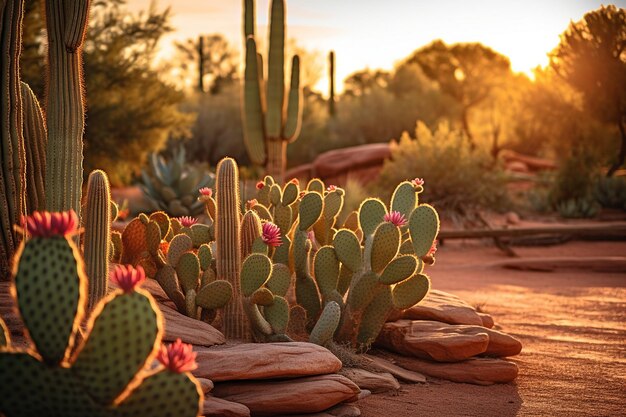
Cacti are biological masterpieces, their designs honed by millions of years of evolutionary alchemy. Their thick, fleshy stems act as reservoirs—a living archive of scarce rainfall sequestered in succulent tissues. This architectural marvel functions like a grand subterranean aquifer just beneath the surface, allowing the plant to sip slowly over dry spells. Their waxy epidermis and spines reduce transpiration, a natural water-retention strategy that calls to mind the airtight seals of a vault safeguarding precious jewels.
Understanding this intrinsic water conservation mechanism is key to crafting a garden that honors the cactus’s minimalist water dance. Water them sparingly, mimicking the desert’s sporadic showers rather than a steady deluge.
Choosing the Right Cacti: Diversity Meets Drought Wisdom
The cactus family is a kaleidoscope of forms and functions, from the towering saguaro to the petite pincushion. Each species offers a unique narrative of adaptation to dryness, providing gardeners with a palette customized for both aesthetics and water thriftiness. Opt for varieties native to your climate zone—they are inherently tuned to local precipitation patterns and soil conditions, reducing the need for additional irrigation.

Incorporate species with slower growth rates—they demand less frequent watering and maintenance. These choices are not merely ecological but economical, transforming your garden into a living exhibit of xeriscape elegance.
Watering Practices: The Art of Strategic Hydration
Watering cacti is akin to whispering secrets rather than shouting commands. Overzealous watering is the nemesis of succulence, often inviting root rot and fungal maladies. Instead, embrace the philosophy of ‘deep and infrequent’ watering. Allow the soil to dry thoroughly between sessions—this intermittent drought primes the cactus to channel resources into strengthening its water storage fibers rather than relying on external supply.

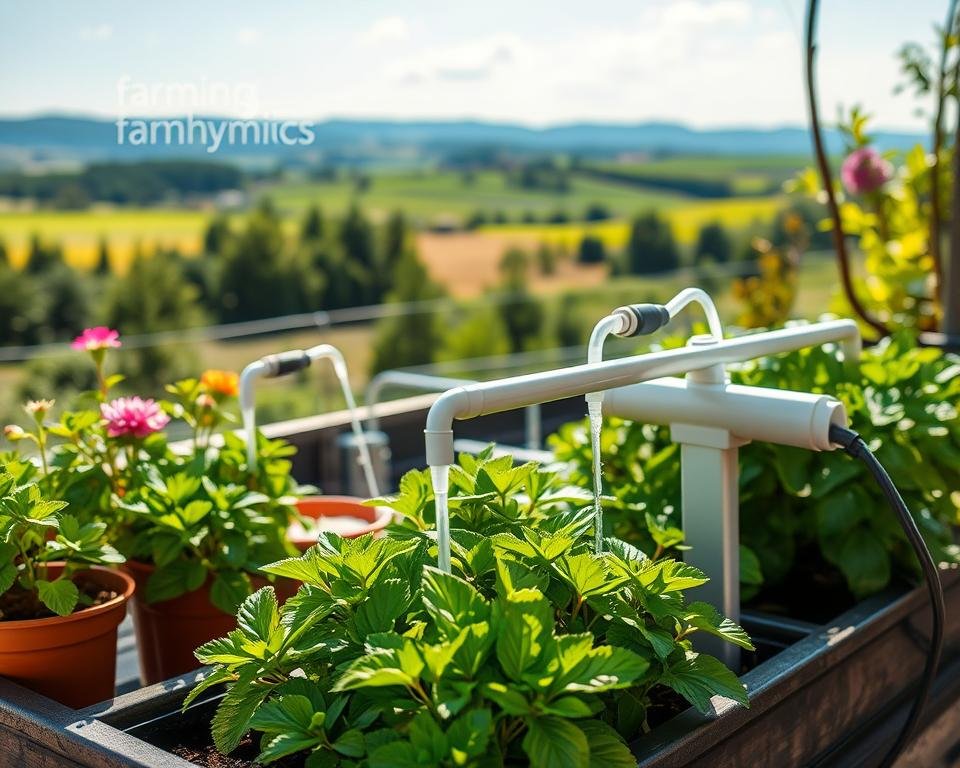
Micro-irrigation tools or drip systems can provide focused hydration, minimizing wastage and simulating natural precipitation patterns. Adjust watering frequency with seasonal rhythms—reduce during winter dormancy and increase cautiously in summer heatwaves.
Soil Composition: The Foundation of Water Efficiency
Soil is the silent partner in your cactus’s water conservation saga. Ideal cactus soil must balance moisture retention with rapid drainage to prevent the roots from languishing in stagnant water. Craft a blend rich in coarse sand, perlite, and organic compost, evoking the porous desert substrates that nurture these succulents without drowning them.
This substrate acts as a moderator, a gatekeeper that assures roots receive just enough moisture while excess is swiftly shed—much like a sieve filtering precious liquid gold.
Mulching and Ground Cover: Cloaking Moisture with Natural Armor
Mulching around cacti may seem paradoxical, yet it’s a brilliant stratagem to shield the soil’s moisture from solar evaporation. Utilize inorganic mulches such as gravel or decomposed granite that not only insulate but reflect sunlight, moderating root zone temperatures. Organic mulches like shredded bark require caution, as they might retain excess moisture if applied thickly.
Ground covers, preferably drought-tolerant species, can also serve as companions that shade the soil, fostering a microenvironment where moisture lingers without encouraging fungal growth.
Beneficial Garden Design: The Symphony of Xeriscaping
Water conservation transcends individual plant care—it’s an orchestration of garden design. Xeriscaping, a landscaping philosophy rooted in water efficiency, leverages native plants, minimal turf areas, and strategic hardscaping to craft a tableau where cacti flourish. Position plants to maximize natural shade and wind breaks, reducing evapotranspiration. Utilize contour planting to capture rainwater, directing it cohesively toward root zones.
This approach transforms the garden into a resilient ecosystem, a mosaic where every element reinforces the overarching quest for water wisdom.
Monitoring and Maintenance: Vigilance for Longevity
Effective water conservation requires an attentive eye. Regular inspection for signs of distress—from shriveled stems signaling dehydration to soft, discolored tissues hinting at overwatering—is essential. Adjust care routines based on climatic shifts and plant responses, treating each cactus as a unique interlocutor in the ongoing dialogue with nature.
Prune judiciously to promote air circulation, reducing the risk of water-induced diseases. Cleaning debris and fallen leaves ensures the soil surface remains dry and inhospitable to pathogens.
Conclusion: Embracing the Desert’s Wisdom in Every Drop
Cacti embody a profound parable for gardeners committed to sustainability—they teach us that beauty need not be squandered through excess, that resilience blossoms in moderation. By understanding their intricate anatomy, choosing the right species, tailoring watering regimes, and designing thoughtfully layered gardens, one cultivates not just plants but a philosophy of conservation.
In the dance between aridity and life, cacti are the eloquent performers, narrating tales of scarcity transformed into abundance. Let your garden echo this timeless narrative, turning every drop saved into a testament of ecological artistry.
FAQ
Why are cacti good for water conservation in gardening?
Cacti have evolved to store water efficiently and survive in arid environments, making them ideal for gardens focused on minimal water usage.
What are signs of overwatering or underwatering in cacti?
Overwatering signs include soft, discolored tissues and root rot; underwatering signs include shriveled stems and slow growth.
How does xeriscaping benefit cactus gardens?
Xeriscaping uses drought-resistant plants and strategic design to reduce water consumption and create resilient, low-maintenance gardens.




Leave a Reply