
Short Answer
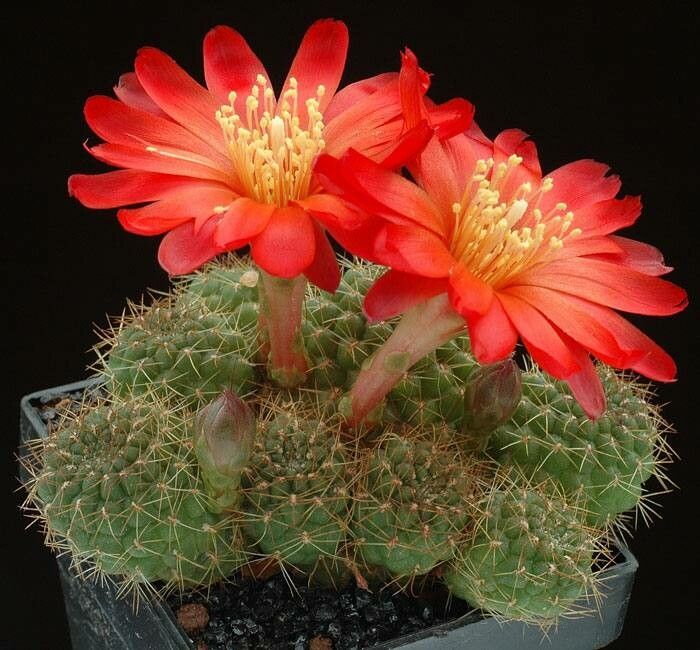
There is something undeniably captivating about the miniature, intricate world of Rebutia cacti. These diminutive desert gems, with their riotous blooms and sculptural forms, have mesmerized plant enthusiasts across the globe. Many find themselves drawn not only to their intrinsic charm but also to the magical process of propagation — the art of coaxing new life from offsets and seeds, essentially breathing continuity into these botanical marvels. This fascination stems from the delicate balance between patience, science, and a touch of serendipity, each propagation attempt a unique journey filled with discovery and delight.
The Allure of Propagating Rebutia
Rebutia, a genus boasting vibrant flowers and a compact stature, elegantly embodies resilience and beauty. Propagation allows growers to extend their collection, share the joy with others, and deepen their connection to these plants. Observing a tiny offset grow into a robust cactus or a seedling emerge against all odds ignites a profound appreciation for life’s tenacity. But beyond this, propagation is a gateway into understanding growth cycles and genetic diversity within the genus, revealing subtleties invisible at a glance.
Propagation via Offsets: A Symphony of Clonal Continuity
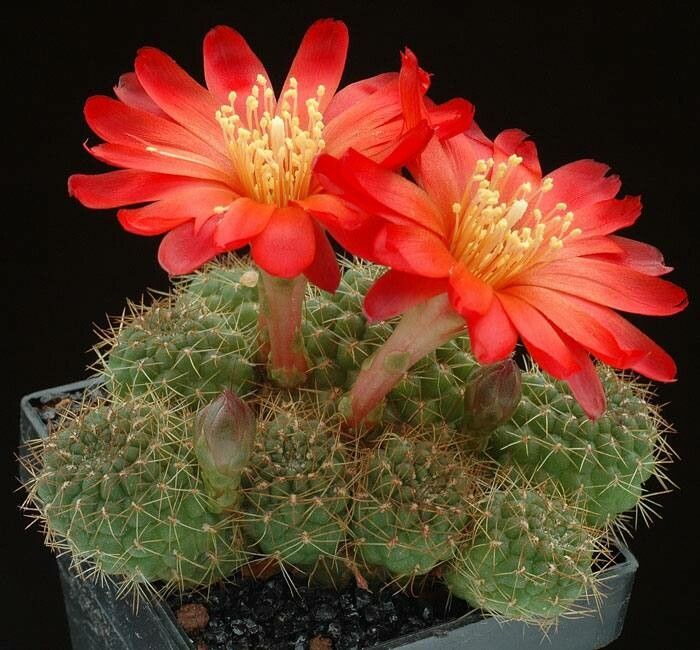
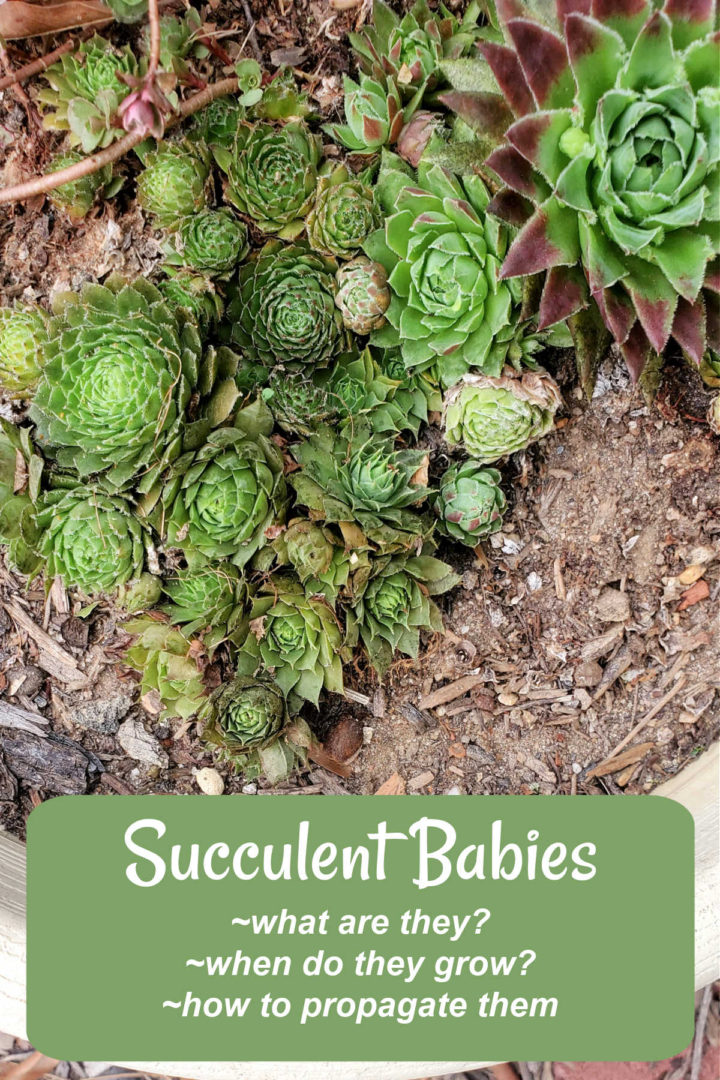
Offsets, sometimes called pups, are natural clones produced at the base of the mother plant. This method is straightforward yet profoundly satisfying. By propagating offsets, you replicate the parent in all its glory—genetic consistency assures you of maintaining the prized traits, from flower color to spine texture.
To propagate using offsets, patient observation is necessary. Typically, healthier Rebutia will develop multiple offsets once mature. These miniature offshoots should be allowed to grow until they reach about one-third the size of the main plant, indicating they possess the vigor needed for transplantation.
Careful removal is key. Using a sterile, sharp instrument, gently sever the offset from the mother plant, preserving part of the root if possible. Offsets without roots require a callusing period—laying them on a dry surface for several days encourages wound healing and prevents rot. Once callused, plant the offsets in a well-draining cactus substrate, avoiding deep planting which can cause stem rot.
Water sparingly until the offsets establish stronger roots, typically within a few weeks to months. This propagation method offers a rapid and reliable avenue to multiply cherished varieties, presenting an ongoing challenge to master the subtleties of timing and technique.
Propagation via Seeds: The Dance of Genetic Diversity
Seed propagation is a more enigmatic and longer-term approach, inviting growers to unlock hidden genetic potential. Unlike offsets, seeds result from sexual reproduction, combining traits from parent plants that often yield unexpected and exciting variations. This method beckons those enchanted by discovery and experimentation.
Harvesting seeds requires patience and attention. After flowering, Rebutia produces small fruits containing tiny seeds. Allow fruits to ripen fully on the plant before harvesting, as premature collection results in non-viable seeds. Clean the seeds gently to remove pulp and dry them in a cool, ventilated environment.
Sowing the seeds demands a delicate balance of moisture and aeration. Utilize a sterile, fine-textured soil mix to enhance germination rates. Seeds should be evenly distributed over the surface and only lightly covered, as many cacti seeds require some light to germinate. Maintaining optimal temperature — generally between 70 to 80°F — and consistent humidity accelerates the sprouting process.
Germination times vary widely; it could take from several days to a few weeks. During this patience-testing phase, vigilance against fungal infections is crucial, often requiring the use of fungicide or a well-ventilated environment. The seedlings emerge as fragile starbursts of green, demanding careful acclimatization before transplantation into individual pots.
Though slower and more unpredictable, seeds embody the potential to craft entirely new cultivars, making the wait worthwhile for the adventurous propagator.
Environmental Factors: The Silent Sculptors of Success
Both offset and seed propagation hinge upon cultivating ideal environmental conditions. The subtleties of light, moisture, substrate composition, and air circulation dictate the delicate balance between life and decay.
Light is paramount. Bright, indirect sunlight simulates the native conditions of Rebutia yet prevents scorching tender new growth, supporting photosynthesis without stress. Substrate must offer excellent drainage, mimicking arid soils prone to brief rainfalls. A mix rich in coarse sand, perlite, and organic matter creates an ideal medium that nurtures roots while avoiding excess water retention.
Humidity and temperature protocols diverge slightly between propagation techniques but share the need for consistency. Offsets benefit from moderate humidity to prevent desiccation but need well-aerated air to evade fungal afflictions. Seedlings, conversely, often enjoy higher humidity early on but require gradual acclimation to more arid conditions as they mature.
Mastering these intertwined environmental parameters transforms propagation from chance to art, ensuring not only survival but vibrant growth and flowering.
Common Challenges and Their Solutions
Propagating Rebutia is a rewarding endeavor, yet it is not impervious to pitfalls. Awareness and preemption of common issues elevate success rates and deepen understanding.
- Rot and fungal infections: Overwatering or poor drainage can quickly lead to crown and root rot. Always ensure proper substrate and watering discipline. Employing fungicide prophylactically on cuts or during seedling stages is often beneficial.
- Pests: Mealybugs and spider mites are notorious foes. Regular inspection and timely intervention with insecticidal soap or neem oil can mitigate infestations before they escalate.
- Slow Growth: Seedlings can be agonizingly slow, sometimes leading to premature abandonment. Patience is crucial; providing stable conditions and appropriate fertilization after establishment can foster robustness.
The Joy and Philosophy Behind Propagating Rebutia
At its core, propagating Rebutia is a ritual that transcends horticulture. It invites introspection on cycles of growth and a reverence for the microcosm of desert life. The act embodies hope, patience, and resilience — qualities mirrored in the plants themselves. Whether coaxing a single offset to root or nurturing a clutch of enigmatic seeds, each propagation is a celebration of life’s continuity and variability.
For many, this fascination evolves into a lifelong passion, an ongoing narrative threaded with small triumphs and the subtle marvels of nature’s creativity. Through propagation, one does not merely cultivate plants; one cultivates wonder.
FAQ
What are offsets in Rebutia propagation?
Offsets are natural clones or pups produced at the base of the parent Rebutia plant, used for clonal propagation that maintains genetic consistency.
How long does it take for Rebutia seeds to germinate?
Germination times vary widely, typically ranging from several days to a few weeks depending on conditions such as temperature and humidity.
What environmental conditions are best for propagating Rebutia?
Bright, indirect sunlight, well-draining substrate, moderate humidity for offsets, higher humidity early for seedlings with gradual acclimation, and temperatures between 70 to 80°F are ideal.
How can I prevent rot and fungal infections during propagation?
Use sterile tools, allow offsets to callus before planting, avoid overwatering, ensure good drainage, and consider fungicide use especially during seedling stages.
What are common pests affecting Rebutia propagation?
Mealybugs and spider mites are common pests; regular inspection and treatment with insecticidal soap or neem oil help control infestations.


Leave a Reply