
Short Answer
Ever found yourself staring at a cluster of spiky, globe-shaped marvels on your windowsill, wondering if they’re plotting world domination—or just plotting to outlive you? Meet the Mammillaria, the darling of the cactus world, a genus so resilient it laughs in the face of neglect while still gifting you with a crown of flowers that could make a florist weep. But here’s the twist: these prickly charmers aren’t just survivors—they’re storytellers, each spine a chapter in a saga of desert tenacity. So, how do you coax these botanical enigmas into thriving? Buckle up, fellow plant whisperer, because we’re about to dive into the ultimate guide to Mammillaria care—where science meets sass, and neglect is not an option.
The Mammillaria Mystique: Why These Cacti Are the Beyoncé of the Succulent World
Let’s cut to the chase: Mammillaria isn’t just another pretty face in the cactus lineup. With over 200 species sprawling from Mexico to the southwestern United States, these globular green rebels are the divas of the arid world. Their name? A nod to their mammillae—those tiny, nipple-like tubercles that give them their signature texture. But don’t let the cutesy name fool you; these are cacti with attitude. Some sport hooked spines that could snag a sweater (or a careless finger), while others flaunt a halo of wool-like fuzz, as if they’ve just returned from a spa day in the Sonoran Desert.
What makes them irresistible isn’t just their looks, though. Mammillaria cacti are prolific bloomers, bursting into rings of flowers that spiral around their crowns like edible halos. Picture this: a Mammillaria elongata, its slender body adorned with golden spines, suddenly erupting into a crown of hot pink blossoms. It’s enough to make even the most stoic plant parent weak in the knees. But here’s the kicker: these cacti are low-maintenance yet high-reward, thriving on neglect while still delivering showstopping displays. The ultimate paradox? They demand so little, yet give so much.
Light: The Sun-Kissed Secret to Mammillaria Magnificence
Imagine inviting a guest over who insists on lounging in the darkest corner of your home—only to watch them wither into a sad, etiolated shadow of their former self. That’s what happens when you relegate your Mammillaria to a dimly lit alcove. These cacti are sun-worshippers, craving at least 6 to 8 hours of direct sunlight daily to maintain their compact, spine-studded glory. South-facing windows? Ideal. East or west? Acceptable, with a slight risk of leaning toward the light like a sunflower with a caffeine addiction. North-facing? Unless you enjoy the aesthetic of a stretched-out, pale imposter, reconsider.
But here’s where things get spicy: Mammillaria species hail from some of the sunniest spots on Earth, where temperatures soar and UV rays are no joke. In their natural habitat, they’ve evolved to handle intense light, which means they’re built to bask. Indoors, though, you’ll need to acclimate them gradually. Start them in bright, indirect light, then slowly introduce them to direct sun over a week or two. Skip this step, and you might find your cactus sporting a sunburn—yes, cacti can get crispy too. Watch for a white or yellowish discoloration; that’s your cue to dial back the rays.
Pro tip: Rotate your Mammillaria every few weeks to ensure even growth. These cacti have a habit of leaning toward the light like teenagers avoiding eye contact, and nobody wants a lopsided botanical diva.
Water: The Delicate Dance of Quenching Thirst Without Drowning Dreams
If there’s one commandment in the gospel of Mammillaria care, it’s this: Thou shalt not overwater. These cacti are desert natives, after all, and their roots are as thirsty for moisture as a camel is for a spa day. The golden rule? Water deeply but infrequently. Wait until the soil is completely dry before reaching for the watering can—usually every 2 to 4 weeks, depending on your climate and humidity levels. Stick your finger an inch into the soil; if it feels like the Sahara, it’s time. If it’s damp? Walk away. Your cactus will thank you.
But here’s the twist: Mammillaria care isn’t just about avoiding soggy soil—it’s about seasonal strategy. During the growing season (spring and summer), these cacti are in their prime, photosynthesizing like there’s no tomorrow. This is when they’ll reward you with growth spurts and floral fireworks. Water generously during this time, but always let excess moisture drain away. A pot with drainage holes isn’t just a suggestion; it’s a lifeline.
Winter, though? That’s when your Mammillaria enters its hibernation phase. Growth slows to a crawl, and watering should taper off to once a month—or less, if you live in a chilly climate. Overwatering in winter is the fast track to root rot, and nobody wants a mushy, melancholic cactus on their hands. Think of it as a spa retreat: your Mammillaria is resting, recharging, and preparing for its next grand performance.
Soil: The Unsung Hero of Spine-Studded Splendor
Picture this: you’re a Mammillaria, standing proudly in a pot filled with dense, water-retentive soil. The next thing you know, you’re drowning in a swamp of your own making. Not exactly the glamorous life you signed up for, is it? The key to Mammillaria happiness lies in soil that mimics their native habitat: gritty, fast-draining, and utterly unforgiving of excess moisture.
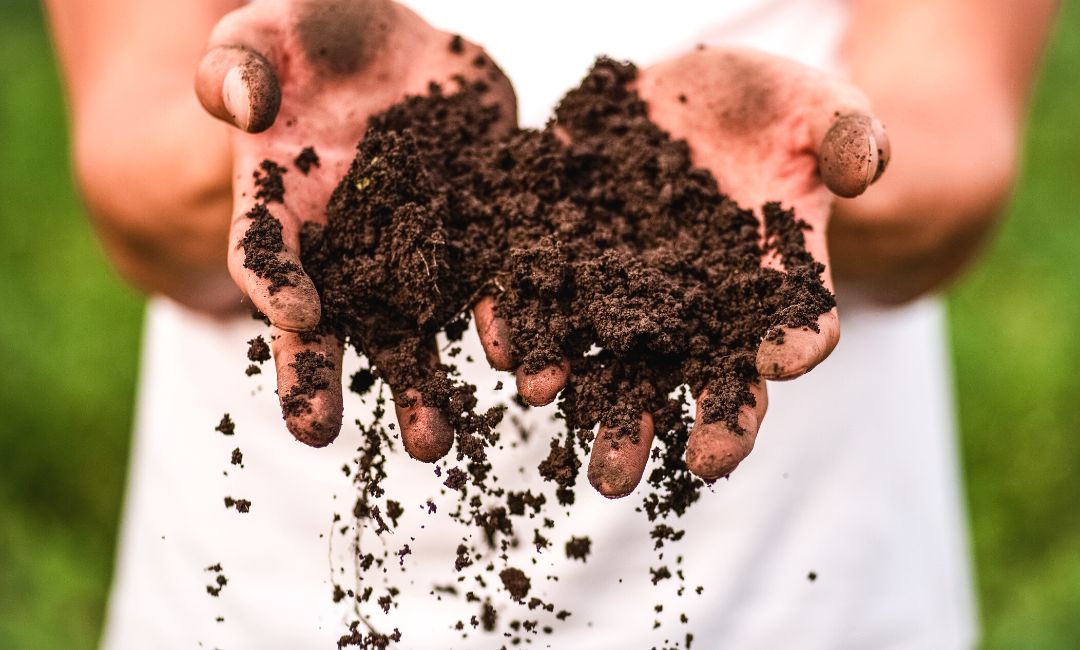
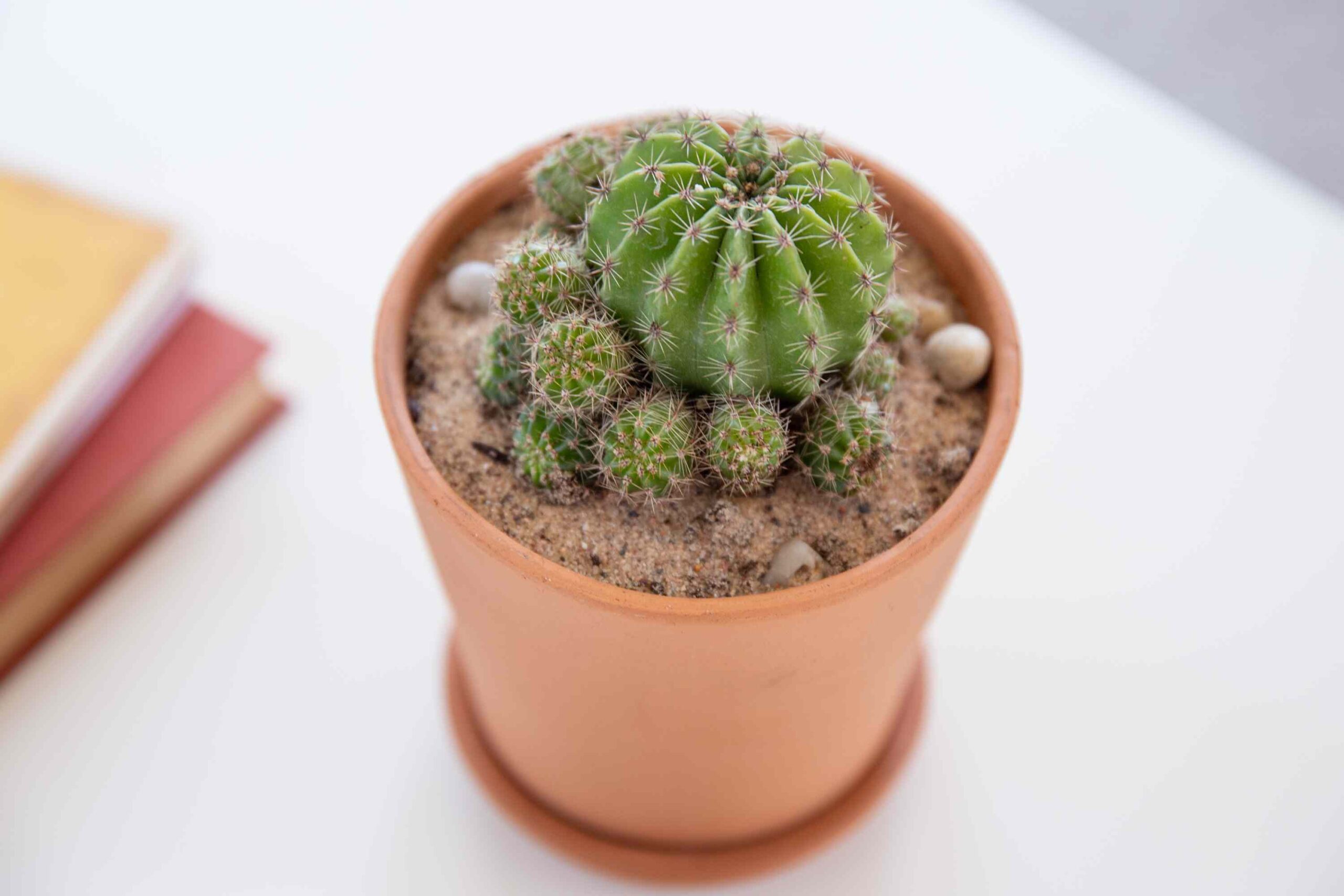
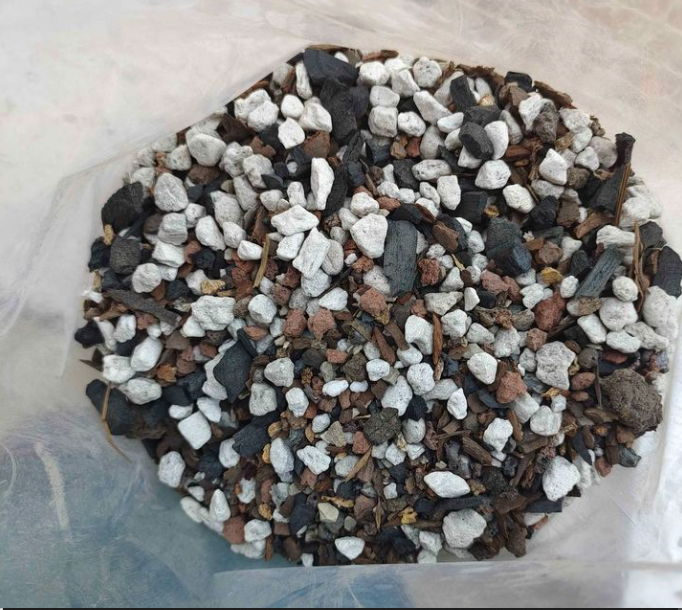
Forget the generic potting mix sitting on your garden center shelf. Your Mammillaria deserves better—a blend that’s part commercial cactus mix, part perlite or pumice, and part coarse sand. Aim for a ratio that’s 50% inorganic material to keep things airy and well-draining. If you’re feeling fancy, add a handful of chicken grit or turface for extra aeration. The goal? A soil structure so loose that water zips through it like gossip through a small town.
Repotting is another critical chapter in the Mammillaria saga. These cacti aren’t fans of cramped quarters, so plan to repot every 2 to 3 years—or sooner if you notice roots peeking out of the drainage holes like nosy neighbors. Choose a pot that’s only 1 to 2 inches larger than the current one; too much space invites soggy soil and root rot. And always, always use fresh soil. Your Mammillaria isn’t just growing in that pot—it’s living in it.
Temperature and Humidity: The Goldilocks Zone for Glamorous Globes
Mammillaria cacti aren’t fussy about temperature—until they are. These desert darlings thrive in the 70°F to 100°F (21°C to 38°C) range during their active growing season, but they’re not fans of sudden drops. Keep them away from drafty windows, air conditioning vents, or that one corner of your home where the temperature plummets at night. Consistency is key; think of it as maintaining the perfect ambiance for a botanical VIP.
Humidity, though? That’s where things get tricky. Mammillaria species are adapted to arid climates, meaning they despise high humidity. If your home feels like a tropical rainforest (looking at you, bathroom windowsill), your cactus might start to protest with mushy stems or fungal infections. Keep humidity levels below 40% if possible, and ensure there’s plenty of airflow around your plant. A small fan on a low setting can work wonders, especially in stagnant indoor environments.
Winter brings another challenge: cold drafts. If you’re growing your Mammillaria outdoors in a mild climate, bring it inside before temperatures dip below 50°F (10°C). These cacti can handle brief cold snaps, but prolonged exposure to chilly conditions is a one-way ticket to frostbite—and nobody wants a cactus with frostbitten spines.
Fertilizing: The Secret Sauce for Spine-Studded Stardom
You wouldn’t serve a gourmet meal to a guest who’s already full, so why drown your Mammillaria in fertilizer? These cacti are light feeders, meaning they thrive on minimal nutrition. During the growing season, a diluted, balanced fertilizer (think 10-10-10 or 5-10-5) applied monthly is plenty. Skip the fertilizer entirely during winter; your cactus is in hibernation mode, and overfeeding is the botanical equivalent of forcing a nap on a hyperactive toddler.
But here’s the kicker: Mammillaria care isn’t just about what you feed them—it’s about how you feed them. Always water your cactus before fertilizing to prevent root burn. And for the love of all things spiky, never fertilize a dry plant. The fertilizer salts will concentrate in the soil, creating a toxic environment that your Mammillaria will not appreciate. Think of it as seasoning a dish: a little goes a long way, and too much ruins everything.
If you’re feeling adventurous, try a fish emulsion or seaweed extract for a natural boost. These organic options provide micronutrients that synthetic fertilizers often lack, giving your cactus that extra glow-up it deserves. Just remember: moderation is the name of the game.
Pests and Problems: The Drama You Didn’t Sign Up For
Even the most low-maintenance plant isn’t immune to drama, and Mammillaria cacti are no exception. The usual suspects? Mealybugs, scale insects, and spider mites—tiny terrors that love to set up camp in the nooks and crannies of your cactus’s spines. The first sign of trouble? A white, cottony substance (mealybugs), a sticky residue (scale), or webbing (spider mites). Left unchecked, these pests can sap your cactus of its vigor, leaving it weak and vulnerable.
Combat them with a cotton swab dipped in rubbing alcohol for precision strikes, or a neem oil spray for a more holistic approach. For severe infestations, a systemic insecticide might be necessary, but use it as a last resort. Prevention is always better than cure, so inspect your Mammillaria regularly—especially the undersides of its spines—and isolate any new plants for a few weeks to ensure they’re pest-free.
Then there’s root rot, the silent killer of cacti. Overwatering, poor drainage, or a pot without holes—any of these can turn your Mammillaria into a mushy mess. If you suspect root rot, act fast: remove the plant from its pot, trim away any blackened or mushy roots, and repot it in fresh, dry soil. Let it heal in a shady spot for a week before reintroducing it to the light. It’s a tough love approach, but your cactus will bounce back stronger than ever.
Propagating: Growing Your Mammillaria Family Like a Botanical Matriarch
Why stop at one Mammillaria when you can have a whole clan? Propagation is the ultimate power move for plant parents, and with these cacti, it’s easier than teaching a toddler to share. The most common method? Offsets, those adorable baby cacti that sprout at the base of the mother plant. Gently twist or cut them off, let the cut end callous over for a day or two, then plant them in a gritty mix. Water sparingly until you see new growth—usually within a few weeks.
For the more adventurous, seed propagation is an option, though it requires patience. Sow the seeds in a well-draining mix, keep them warm and humid (but not soggy), and wait. Germination can take weeks or even months, but the reward—a tiny, thriving Mammillaria—is worth the wait. Just remember: these cacti grow slowly, so don’t expect overnight miracles. Think of it as raising a child, but with fewer tantrums and more spines.
Whether you choose offsets or seeds, propagation is a chance to spread the Mammillaria love. Share cuttings with friends, trade species online, or start a collection that would make even the most dedicated succulent enthusiast green with envy. The world needs more Mammillaria—and you’re just the person to deliver.
FAQ
How often should I water my Mammillaria?
Water every 2 to 4 weeks, allowing the soil to completely dry out between waterings.
What type of soil is best for Mammillaria cacti?
A fast-draining soil mix, ideally containing perlite or pumice.
What temperatures do Mammillaria cacti prefer?
They thrive in temperatures between 70°F and 100°F (21°C to 38°C).
Leave a Reply