
Short Answer
There is an undeniable allure to cacti that transcends mere aesthetics. Their sculptural silhouettes, combined with a resilient and enigmatic nature, captivate both novice gardeners and seasoned horticulturists alike. When placed thoughtfully in containers on patios and balconies, cacti transform these often overlooked spaces into vibrant, living galleries of form and texture. But why do these spiny marvels hold such widespread fascination? Beyond their striking appearance lies a narrative of survival, adaptability, and minimalism — virtues that resonate deeply in today’s fast-paced and space-conscious lifestyles.
The Magnetic Charm of Cacti on Small Outdoor Spaces
Patios and balconies offer limited real estate, demanding creativity and efficiency in gardening pursuits. Cacti, by virtue of their low-maintenance nature and intriguing appearance, become perfect companions for these compact zones. Their capacity to thrive in containers with minimal soil and infrequent watering juxtaposes starkly with the lush demands of conventional plants. This juxtaposition not only appeals to practical sensibilities, but also evokes a sense of harmony with nature’s austere elegance. The cacti’s spiny exteriors conceal fascinating variations—globular shapes, columnar spikes, and delicate florals—that invite closer inspection, making them endlessly engaging.
Selecting the Ideal Containers: Fusion of Function and Flair
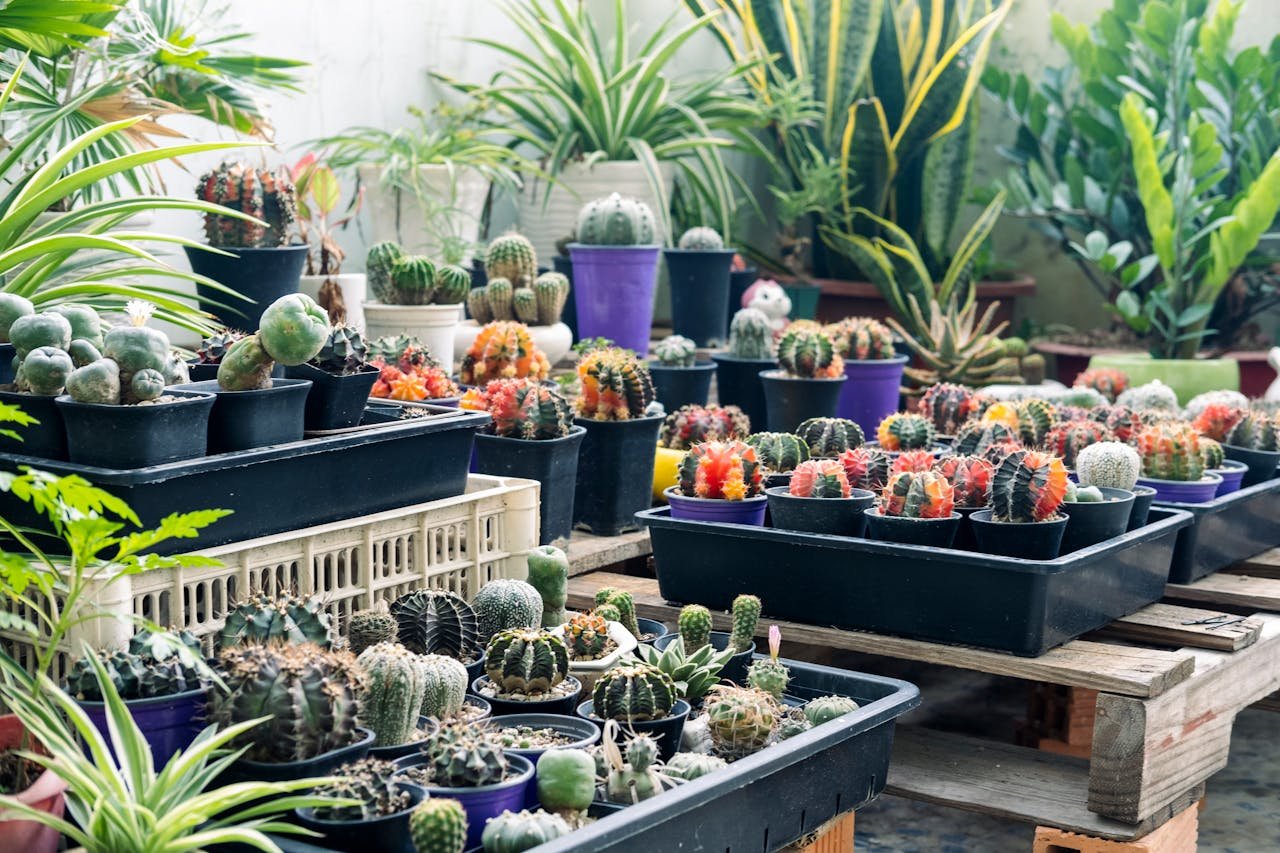
The container choice is pivotal in cactus cultivation, affecting both the health of the plant and the aesthetic appeal of the space. Porous materials such as terracotta and unglazed ceramic allow breathability and proper drainage, mimicking desert substrates and preventing root rot. However, unconventional containers—such as vintage tubs, repurposed metallic pots, or hand-crafted ceramic vessels—can introduce an element of artistry, juxtaposing the rough, stoic beauty of cacti. The shape and size of containers should accommodate root systems but also complement spatial limitations, with tiered or multi-level arrangements maximizing vertical potential without cluttering the terrace or balcony floor.
Mastering the Microclimate: Optimizing Sunlight and Shade
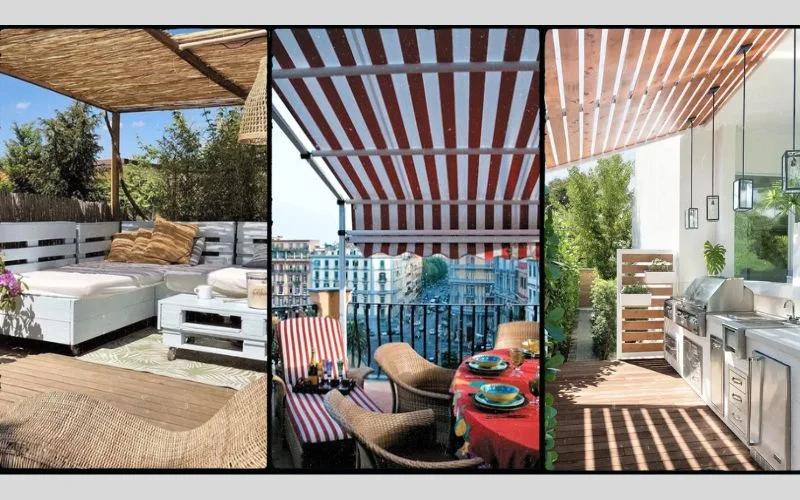
One common environmental challenge for balcony and patio cactus gardens is managing sunlight intensity and duration. While cacti are sun lovers by nature, excessive direct sun exposure in confined urban environments can scorch delicate tissues, causing irreversible damage. Creative sun shade solutions offer respite without sacrificing brightness. Incorporating adjustable awnings, decorative screens, or even strategically placed larger potted plants can filter sunlight, creating a dappled glow reminiscent of desert canopies. This controlled illumination not only nurtures healthy growth but also enhances the visual drama, as light and shadow interplay across the spines and blooms.
Soil and Drainage: Recreating the Desert Foundation
The substrate in which cacti root themselves must replicate the native arid environs to ensure vigor and longevity. Standard garden soil holds too much moisture and suffocates roots. A bespoke blend, typically incorporating gritty components such as pumice, coarse sand, and perlite, fosters aeration and rapid drainage. This granular mixture curtails fungal afflictions and root rot — threats that can swiftly undo months of careful cultivation. Moreover, a shallow layer of gravel or pebbles atop the soil serves dual functions: it prevents soil erosion during watering and deters unwelcome pests.
Watering Wisdom: Balancing Thirst and Drought
Water management stands at the heart of successful container cactus gardening. Their evolutionary heritage instills an exceptional tolerance for drought, allowing cacti to store water in fleshy tissues during lean periods. Overzealous watering, however, remains the most common error, often leading to catastrophic outcomes. Employing a regimen of deep but infrequent watering nurtures resilient roots and encourages natural dormancy rhythms. Observing the soil surface for dryness and considering seasonal changes—more water during growth phases and minimal during winter dormancy—reflects an empathetic approach attuned to the cactus’s intrinsic life cycle.
Creative Arrangements: Sculpting an Urban Desert Oasis
Cacti’s diverse morphology unlocks boundless opportunities for artistic expression in container groupings. Combining tall, spiky species with rounded, globular forms introduces a dynamic juxtaposition of height and breadth. Interspersing flowering varieties with those bearing striking ribbed or warty textures enhances multidimensional interest. Consider layering heights using plant stands or hanging installations to create a verdant tapestry that enlivens balcony railings and patio corners. Even small-scale “cactus terrariums” within glass-sided pots can evoke intimate desert landscapes, inviting quiet contemplation amidst urban bustle.
Seasonal Care and Fertilization: Supporting Sustained Growth
Though robust, cacti benefit from attentiveness to their seasonal needs. Spring and early summer mark active growth periods when a diluted, cactus-specific fertilizer can invigorate foliage and floral production. It’s crucial to avoid over-fertilization, which may promote weak, elongated growth contrary to natural compact forms. In colder months, many species require reduced watering and cooler but frost-free conditions to enter dormancy gracefully. Periodic inspection for pests such as mealybugs or spider mites ensures minor issues don’t escalate, preserving the pristine beauty of these desert adornments.
Isolation and Integration: Complementing the Wider Balcony Ecology
Integrating cacti into an existing outdoor oasis calls for thoughtful spatial choreography. Their relatively drought-tolerant disposition can harmonize effortlessly with other succulents, Mediterranean herbs, or xerophytic plants, cultivating a cohesive eco-principle of water economy and textural contrast. Isolating cacti into dedicated zones may highlight their architectural forms, allowing light and shadow to become performers in the visual narrative. Meanwhile, mixed container gardens that marry cacti with trailing vines or delicate foliage plants create an exuberant dialogue between harsh and soft, desert austerity and lushness, invigorating the viewer’s sensory and emotional response.
Final Thoughts: Embracing the Spirit of Resilience in Urban Greenery
Cacti in containers on patios and balconies offer more than mere decoration; they embody resilience, elegance, and an invitation to slow down and appreciate the quiet power of nature’s survivors. Their juxtaposition of spiny defense and delicate blooms reflects life’s paradoxes—strength and vulnerability coexisting beautifully. Whether one seeks a low-maintenance green companion or an evocative sculptural statement, cacti beckon us to cultivate curiosity, reverence, and joy within even the smallest patches of outdoor space. Through thoughtful container choices, mindful care, and creative arrangements, these magnificent plants transform humble patios and balconies into compelling bastions of natural wonder and artistry.
FAQ
What makes cacti suitable for container gardening on patios and balconies?
Cacti require minimal water, thrive in small soil volumes, and have unique sculptural forms that enhance small outdoor spaces.
How can I prevent root rot in potted cacti?
Use porous containers with excellent drainage and a gritty, well-aerated soil mix to avoid water retention.
Can I mix cacti with other plants in containers?
Yes, combining cacti with other drought-tolerant succulents or Mediterranean herbs can create visually appealing and water-efficient container gardens.
When should I fertilize container-grown cacti?
During spring and early summer growth periods, use a diluted cactus-specific fertilizer to promote healthy growth without over-fertilizing.


Leave a Reply