
Short Answer
What if the secret to unlocking deeper healing and harmony in your space wasn’t just in the stones you choose—but in the living, breathing companions you pair them with? Enter the unexpected yet profound synergy of cacti and crystals. These desert sentinels, with their stoic resilience and sculptural forms, are more than just prickly decor; they are silent allies in energy work, grounding forces, and vibrant amplifiers of intention. When thoughtfully combined with crystals, cacti don’t just survive—they thrive, and so do the stones meant to guide, protect, and inspire. But here’s the twist: not all pairings are created equal. The challenge? Deciphering which crystals harmonize with which cacti species, and how to harness their combined power without clashing energies. Let’s embark on this verdant journey into the world of cactus-crystal alchemy.
The Desert’s Duality: Why Cacti and Crystals Are a Match Made in Earth’s Hearth
Cacti are the unsung heroes of the plant kingdom—masterful survivors in arid landscapes, their thick skins and water-storing stems a testament to adaptability. But their magic doesn’t end at resilience. These plants are conductors of Earth’s quiet hum, their slow, deliberate growth mirroring the patient unfolding of crystal energies. When placed alongside stones, cacti don’t just coexist; they elevate the vibrational dialogue. A cluster of amethyst, for instance, nestled beside a Mammillaria cactus, doesn’t just radiate tranquility—it becomes a focal point for meditation, the cactus’s spiny silhouette grounding the stone’s ethereal glow. This interplay is no accident. Both cacti and crystals are geomantic anchors, tethering chaotic energies to the steady pulse of the Earth.
The challenge, however, lies in the subtleties. A Saguaro, with its towering, columnar form, demands a crystal of equal stature—perhaps a tall selenite wand—to mirror its commanding presence. Pair it with a tiny, rounded rose quartz, and the energies may feel disjointed, like a symphony with a single off-key note. The key is proportional resonance: matching the cactus’s form, color, and energy signature with a crystal that complements rather than competes.
Color Alchemy: Painting Your Space with Intentional Hues
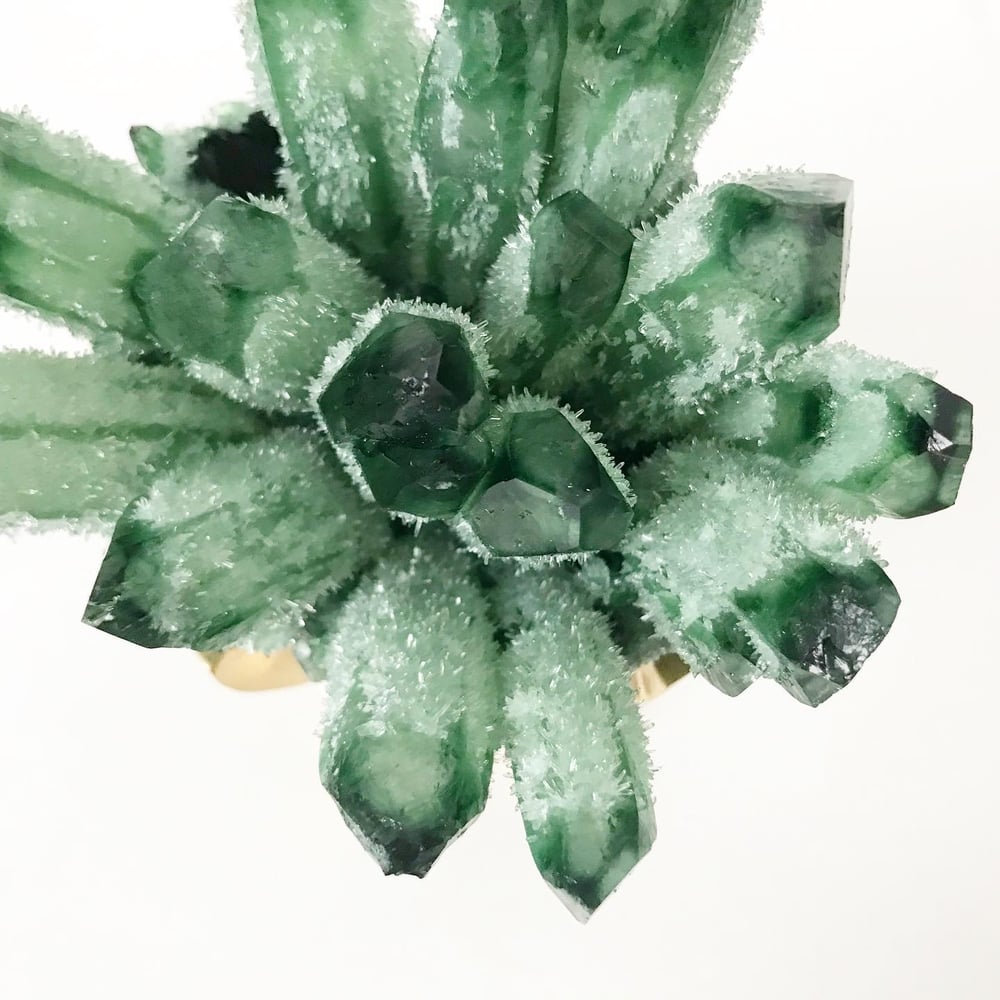
Color is the language of the soul, and when cacti and crystals unite, their hues become a visual incantation. Consider the Prickly Pear cactus, its pads a lush, fleshy green. This verdant canvas begs for stones that echo its organic tones—aventurine for luck, malachite for transformation, or green calcite for emotional healing. The effect? A living tableau where the cactus’s chlorophyll-rich glow amplifies the crystal’s color therapy, creating a space that feels both invigorating and nurturing.
But what of the cacti that defy convention? The Blue Columnar cactus, with its striking azure tint, craves stones that dance in the same spectrum—larimar for its oceanic blues, or blue lace agate for its soothing whispers. The result is a chromatic harmony, where the plant and stone become a single, iridescent entity. The challenge here is avoiding color overload. A room awash in too many competing hues can feel chaotic, not curated. The solution? Limit your palette to 2-3 dominant colors, letting the cactus and crystal serve as the anchors while softer, complementary tones play supporting roles.
Form and Function: Sculptural Synergy in Three Dimensions
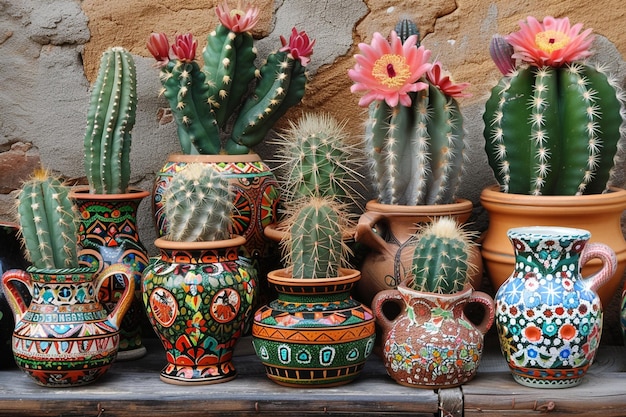
The physicality of cacti and crystals is where their partnership truly shines. A Barrel cactus, with its ribbed, spherical form, is a natural match for geodes or clustered quartz, its rounded edges cradling the stone’s jagged beauty. The interplay of smooth and rough textures creates a tactile dialogue, inviting touch and deepening the meditative experience. Conversely, a Fishhook cactus, with its delicate, hooked spines, pairs exquisitely with scolecite or natrolite, stones known for their delicate, needle-like formations. The contrast is poetic: the cactus’s wildness tempered by the crystal’s refined structure.
The challenge? Avoiding visual clutter. A windowsill crowded with mismatched shapes can feel overwhelming. Instead, think in layers of intention. Place a single, statement cactus—like a Golden Barrel—as the centerpiece, and surround it with 1-2 crystals that echo its form. For example, a citrine cluster beside a barrel cactus doesn’t just look intentional; it feels intentional, the stone’s facets catching the light in sync with the cactus’s ribs.
Energy Currents: Balancing Masculine and Feminine Forces
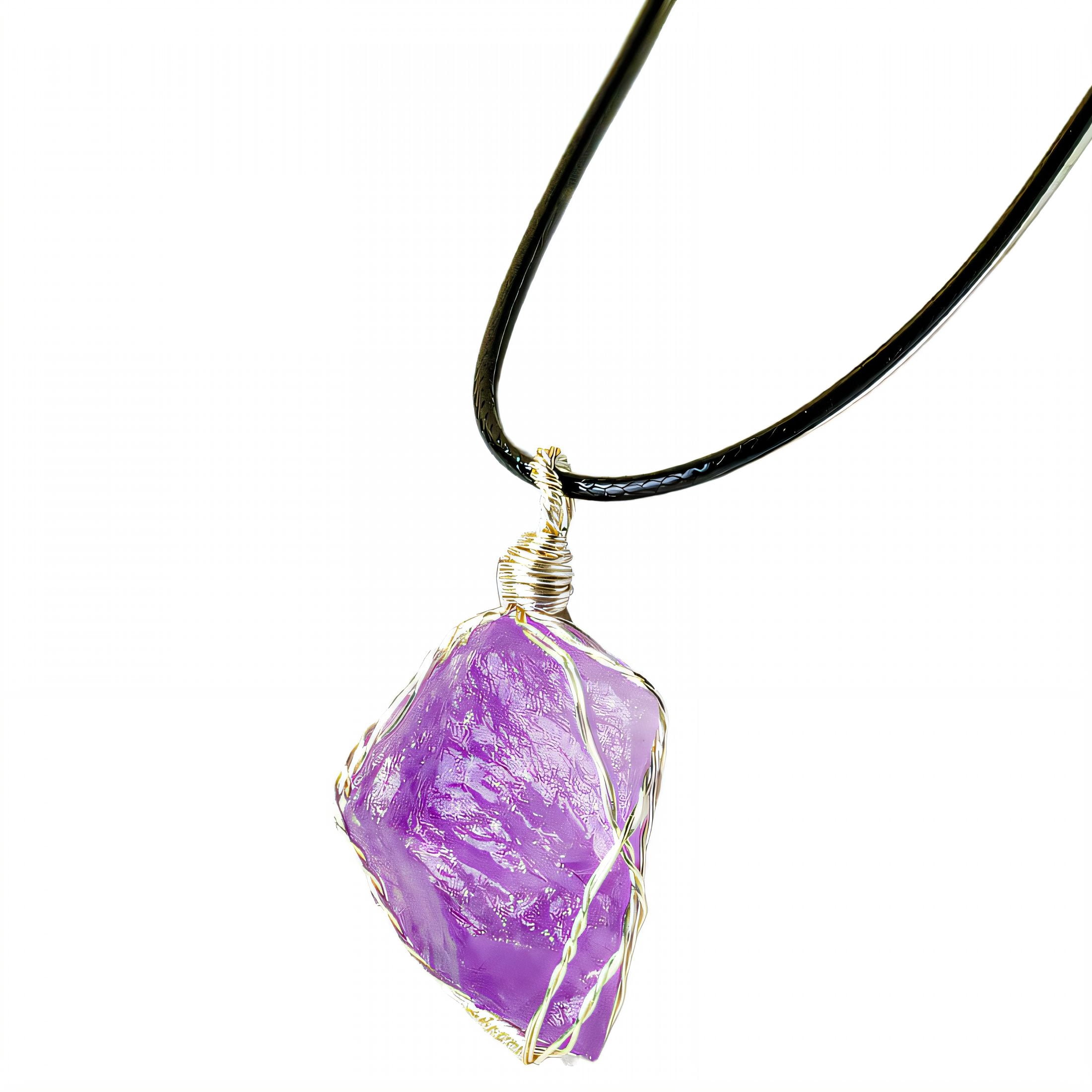
In the realm of energy work, cacti and crystals are often seen as dual-gendered forces. Cacti, with their sharp spines and protective exteriors, embody the masculine principle—structured, assertive, and boundary-setting. Crystals, depending on their type, can swing from feminine receptivity (rose quartz, moonstone) to masculine projection (citrine, carnelian). The art lies in balancing these energies. A Saguaro cactus, with its towering, phallic silhouette, pairs beautifully with amethyst, a stone that softens its intensity with its calming, intuitive vibrations. The result? A harmonious blend of strength and serenity.
The challenge arises when the energies clash. A Hedgehog cactus, with its dense, spiny exterior, paired with a black tourmaline—a stone known for its protective, almost aggressive shielding—can create an environment that feels overwhelmingly fortified. While this might be desirable in a high-traffic area, it can stifle creativity in a workspace. The solution? Introduce a balancing third element, such as a clear quartz point to diffuse the intensity, or a selenite wand to cleanse the space of excess stagnation.
Rituals and Routines: Infusing Daily Life with Cactus-Crystal Magic
Pairing cacti and crystals isn’t just about aesthetics—it’s about ritual. Begin with a simple act of intention-setting. Hold your chosen crystal in your dominant hand, then place it beside your cactus. Visualize the stone’s energy merging with the plant’s vitality, creating a living conduit for your desires. For abundance, pair a jade cactus (a real plant with jade-like leaves) with a pyrite cluster, placing them near your workspace. For love, a heart-shaped cactus (like the Homalocladium platycladum) with a rose quartz on your nightstand invites gentle, persistent affection.
The challenge? Consistency. It’s easy to set up a stunning display, only to forget its purpose. Combat this by integrating your cactus-crystal pairings into daily routines. Water your cactus while holding your crystal, whispering your intentions into the soil. Dust the leaves and the stone simultaneously, a tactile reminder of the connection. Over time, these small acts weave the pairings into your subconscious, turning them from decor into living talismans.
Common Pitfalls and How to Sidestep Them
Even the most well-intentioned pairings can go awry. One of the most frequent missteps? Overcrowding. A windowsill packed with cacti and crystals can feel like a sensory overload, diluting the power of each piece. The fix? Edit ruthlessly. Choose one cactus and one crystal as your primary pair, then add secondary elements sparingly. Another pitfall is neglecting the plant’s needs. A cactus suffering from root rot or pest infestations will emit sluggish energy, undermining the crystal’s vibrancy. Treat your cactus with the same reverence as your stones—water it when needed, rotate it for even light exposure, and keep its soil fresh.
The final challenge? Energy stagnation. Crystals absorb and transmute energy, but they can also become clogged over time. Without regular cleansing, a once-vibrant pairing can feel dull. The solution is simple: cleanse your crystals monthly with smoke (sage or palo santo), sound (tuning forks or singing bowls), or moonlight. Your cactus, too, benefits from periodic energetic showers—a gentle wipe-down of its spines with a damp cloth can refresh its aura.
Beyond the Basics: Advanced Pairings for the Discerning Alchemist
For those ready to dive deeper, advanced pairings involve elemental synergy. A fire cactus (like the Echeveria, though not a true cactus, it shares similar care needs) pairs exquisitely with fire agate or carnelian, creating a combustive harmony that fuels passion and creativity. For water energy, a string of pearls plant (another succulent) with a blue apatite evokes the ebb and flow of tides, perfect for emotional fluidity. The key is to match the cactus’s elemental affinity with a crystal of the same vibration.
The ultimate challenge? Creating a living altar. This is where multiple cacti and crystals coalesce into a cohesive, evolving energy center. Start with a large, central cactus—perhaps a Fishhook barrel—and surround it with crystals that correspond to your intentions. Add seasonal elements: a Christmas cactus in winter with clear quartz for clarity, or a blooming Easter cactus with green aventurine for growth. The result is a dynamic, ever-changing sanctuary, where the boundaries between plant, stone, and human intention blur into a single, pulsating whole.
FAQ
What types of cacti work best with crystals?
Cacti such as Mammillaria and Saguaro resonate well with various crystals, depending on their shape and energy signatures.
How do I pair cacti with crystals effectively?
Consider the proportions, colors, and energies of both the cactus and crystal to create harmonious pairings.
What are common mistakes when pairing cacti and crystals?
Overcrowding displays and neglecting the cactus’s care can undermine the effectiveness of the pairings.
FAQ
How do cacti and crystals work together in healing?
Cacti and crystals enhance each other’s energies, creating a balanced environment for healing and intention-setting.
What are some good cactus and crystal pairings?
A Mammillaria cactus pairs well with amethyst for tranquility, while a Saguaro cactus complements selenite for a commanding presence.
FAQ
How do I choose the right cactus and crystal pairing?
Consider their energy signatures, colors, and forms to ensure they complement rather than clash.
What are the benefits of using cacti in crystal healing?
Cacti can enhance the energies of crystals, providing grounding and stability in your healing practices.


Leave a Reply