
Short Answer
In the vast, sun-drenched landscapes of arid regions, the Opuntia cactus stands as a testament to nature’s resilience—a botanical marvel that thrives where others wither. Yet, beyond its prickly exterior lies a world of culinary and decorative potential, waiting to be unlocked by adventurous cooks and design enthusiasts alike. Whether you’re a seasoned chef seeking to infuse your dishes with a touch of the desert or a home decorator aiming to bring a slice of the wild into your living space, Opuntia offers a treasure trove of possibilities. From the succulent pads that shimmer like emerald jewels to the vibrant fruits bursting with tropical sweetness, this cactus is more than just a survivor—it’s a versatile ingredient and a striking aesthetic element. Let’s embark on a journey through the edible and decorative uses of Opuntia, where every spine and seed tells a story of flavor, tradition, and creativity.
The Edible Opuntia: A Culinary Odyssey from Pad to Plate
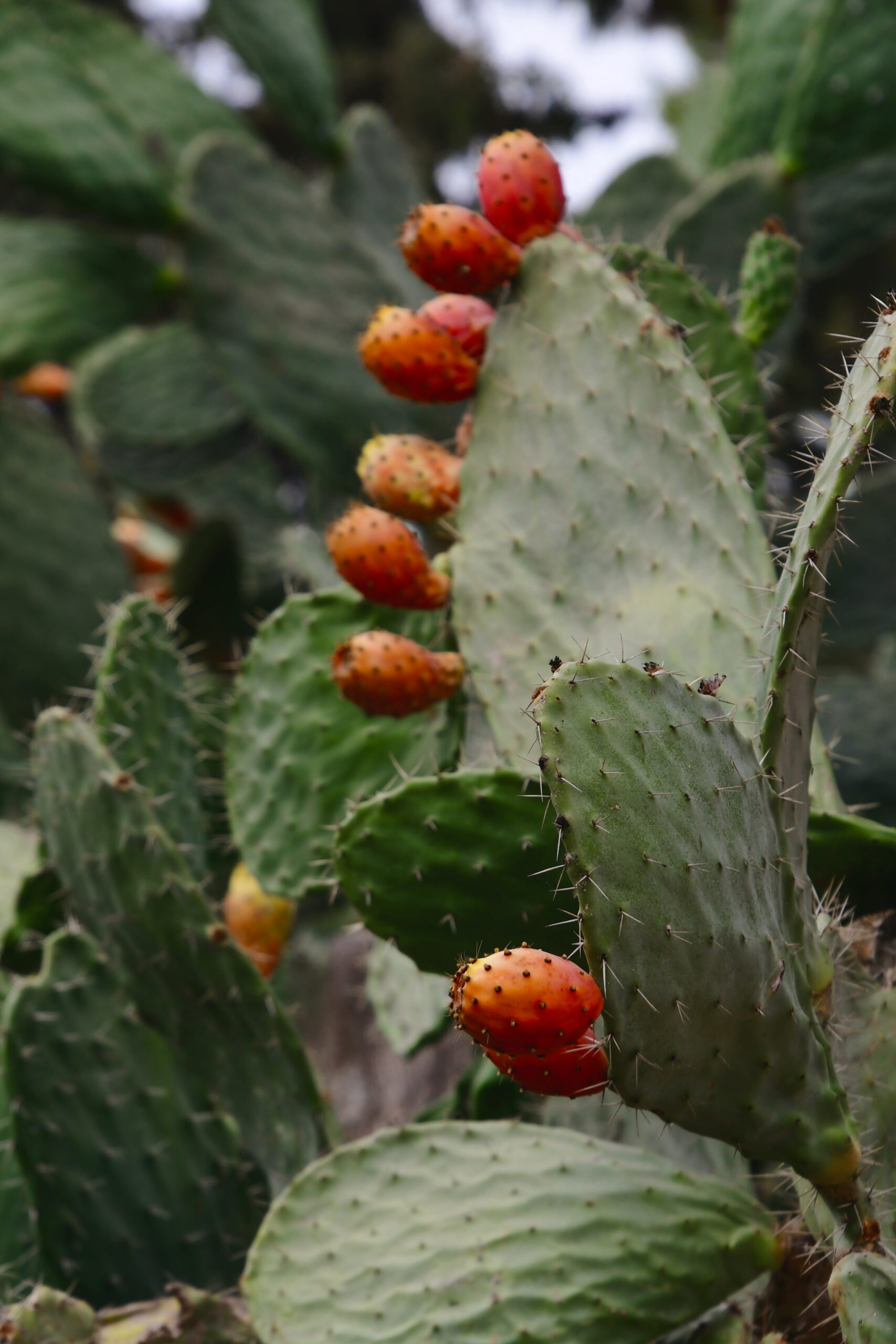
The Opuntia cactus, commonly known as prickly pear or nopal, is a culinary chameleon, adapting seamlessly to a variety of dishes across global cuisines. Its most celebrated component is the nopal pad, a flat, oval segment that resembles a plump, fleshy leaf. Harvested young, these pads are tender and mild, with a subtle tang reminiscent of green beans and a crisp texture akin to cucumber. When cooked, they soften into a delicate, slightly mucilaginous consistency, making them a fantastic addition to salads, stir-fries, or even as a stand-in for green vegetables in tacos and omelets. Their versatility extends to pickling, where they absorb flavors like a sponge, transforming into tangy, crunchy spears that pair beautifully with charcuterie boards.
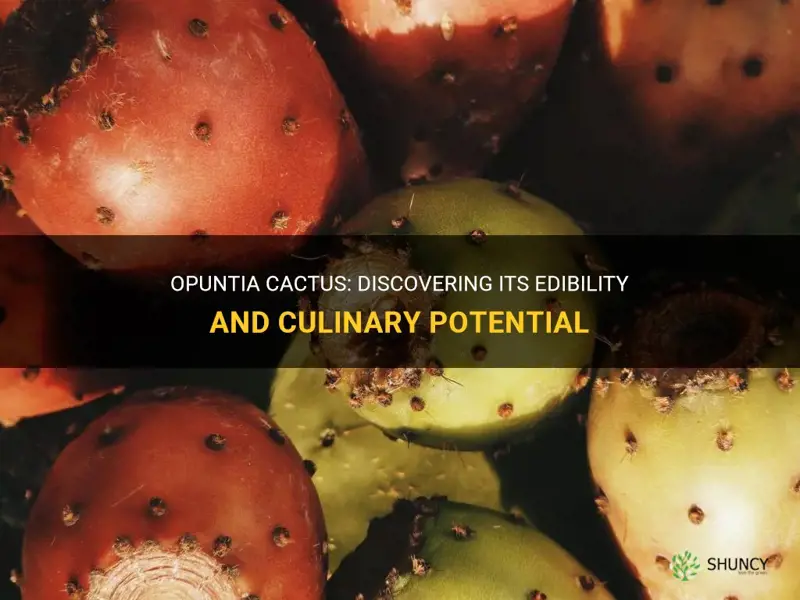
But the culinary magic of Opuntia doesn’t end with its pads. The fruit, known as tuna or prickly pear, is a jewel-toned delight that bursts with a sweet, slightly floral flavor. Its texture is a study in contrasts—juicy and seedy on the inside, with a rind that ranges from deep magenta to pale yellow, depending on the variety. In Mexico, tuna is a staple in aguas frescas, blended into vibrant, refreshing drinks that shimmer in the midday sun. In Mediterranean cuisine, the fruit is often used to craft jams and syrups, its natural pectin lending a luscious thickness to preserves. For the bold, the seeds—tiny, crunchy, and packed with omega-3s—can be toasted and sprinkled over desserts or ground into a nutty flour for baking. Even the flowers of the Opuntia are edible, their petals lending a delicate floral note to salads and teas.

To prepare Opuntia safely, one must first navigate its spines, a task that requires both patience and precision. The easiest method is to wear thick gloves and use a knife to slice off the spines, then peel away the tough outer skin to reveal the tender flesh beneath. For the fruit, a common technique is to roll it on a hard surface to loosen the spines, then slice off the ends and make shallow cuts along the length before peeling back the skin like a banana. The result? A vibrant, seed-speckled pulp ready to be transformed into everything from smoothies to salsas. Whether you’re a home cook or a professional chef, Opuntia invites experimentation, its flavors as adaptable as they are unexpected.

From Garden to Table: Growing and Harvesting Opuntia for the Kitchen
Cultivating Opuntia in your own garden is a rewarding endeavor, one that connects you to a tradition stretching back centuries. These cacti are remarkably low-maintenance, thriving in poor soil and requiring minimal water—qualities that make them ideal for sustainable gardening. To grow Opuntia, start with a healthy pad or cutting, allowing it to callous over for a few days before planting it in well-draining soil. Position it in a sunny spot, and within weeks, you’ll witness the emergence of new growth, a testament to the cactus’s tenacious spirit. As it matures, your Opuntia will reward you with both pads and fruit, though patience is key; it may take a few years for the plant to produce a substantial harvest.
Harvesting Opuntia is an art in itself. For pads, choose young, tender segments that are bright green and firm to the touch. Older pads become woody and less palatable, so timing is crucial. The best time to harvest is in the early morning when the cactus is plump with moisture. Use a sharp knife to snip the pad at the base, then remove any remaining spines with a vegetable peeler or by scraping with a knife. For the fruit, wait until it’s fully ripe, indicated by a slight give when gently squeezed. The ripest fruits are the sweetest, their flavors deepening as they mature on the plant. Store harvested pads in the refrigerator, where they’ll keep for up to a week, or freeze them for longer preservation. The fruit, meanwhile, can be enjoyed fresh or processed into jams and syrups within a few days of picking.
For those without outdoor space, Opuntia can thrive in containers, provided they have ample sunlight and drainage. A sunny windowsill or a balcony with a southern exposure is perfect. With the right care, even a small Opuntia plant can yield enough pads and fruit to inspire a season’s worth of culinary creations. Whether you’re a green-thumbed enthusiast or a novice gardener, growing Opuntia is a journey that bridges the gap between the wild and the domestic, offering a tangible connection to the land and its bounty.

Opuntia in the Kitchen: Recipes That Celebrate the Cactus
The kitchen is where Opuntia truly comes alive, its flavors and textures inspiring dishes that are as nourishing as they are novel. One of the simplest ways to enjoy Opuntia is in a nopales salad, where the pads are diced and tossed with lime juice, cilantro, and diced tomatoes for a refreshing, crunchy side dish. For a heartier option, try nopales tacos, where the cooked pads are sautéed with onions and peppers, then piled onto warm tortillas with avocado and cotija cheese. The result is a symphony of textures—creamy, crunchy, and slightly tangy—all wrapped in a soft, warm embrace.
For a taste of the Mediterranean, consider a prickly pear gazpacho, a vibrant soup that blends the fruit’s sweetness with the acidity of tomatoes and the freshness of cucumber. The result is a chilled, invigorating dish that’s as visually stunning as it is delicious. Alternatively, infuse the fruit into a syrup to drizzle over pancakes or mix into cocktails, where its floral notes elevate spirits like gin or tequila into something truly extraordinary. The seeds, too, have their place in the kitchen; toast them lightly and sprinkle over yogurt or ice cream for a nutty crunch that’s both unexpected and delightful.
Bakers, too, can find inspiration in Opuntia. The fruit’s natural pectin makes it an excellent addition to jams and preserves, while its juice can be reduced into a thick, glossy syrup for cakes and pastries. For a gluten-free twist, grind the seeds into a flour and use it to make pancakes or muffins, adding a subtle nuttiness that pairs beautifully with honey or maple syrup. The possibilities are endless, limited only by your imagination. Whether you’re crafting a simple salad or a show-stopping dessert, Opuntia invites you to play with flavor, texture, and color in ways that are as rewarding as they are delicious.

Opuntia as Decor: Bringing the Desert’s Charm Indoors
Beyond the kitchen, Opuntia lends itself to a world of decorative possibilities, its striking forms and vibrant colors adding a touch of the wild to any space. In interior design, the cactus’s segmented pads and bold silhouettes make it a favorite for minimalist and bohemian styles alike. A single Opuntia plant in a terracotta pot can anchor a room, its sculptural form drawing the eye and sparking conversation. For a more dramatic effect, group several plants of varying heights together, creating a living sculpture that evolves with time. The fruit, too, can be used decoratively; dried prickly pears strung together as garlands or scattered in bowls bring a pop of color and a hint of the exotic to tabletops and shelves.
The versatility of Opuntia extends to art and craft projects. Pressed nopal pads can be framed as botanical art, their intricate vein patterns and translucent flesh creating a mesmerizing display. The fruit’s seeds, once dried, can be embedded in resin to make jewelry or decorative coasters, their tiny, glossy forms reminiscent of gemstones. Even the spines, when handled carefully, can be incorporated into macramé or woven into intricate patterns, adding a tactile element to textiles. For those with a flair for DIY, Opuntia offers endless inspiration, its natural beauty lending itself to projects that are as unique as they are personal.
In outdoor spaces, Opuntia thrives as a statement plant, its resilience making it ideal for xeriscaping or drought-tolerant gardens. Planted in clusters, it creates a living fence or a focal point in a rock garden, its pads and flowers attracting pollinators like bees and hummingbirds. The fruit, when left to ripen on the plant, becomes a feast for wildlife, its sweetness drawing in birds and small mammals. Whether used indoors or out, Opuntia is a plant that commands attention, its presence a reminder of nature’s ability to thrive in the most unlikely of places.
The Cultural Tapestry of Opuntia: Traditions and Symbolism
Opuntia is more than just a plant—it’s a cultural icon, woven into the fabric of traditions and symbolism across the globe. In Mexico, the nopal is a symbol of strength and endurance, its image emblazoned on the national flag as a nod to the legend of Tenochtitlan, where an eagle perched on a cactus marked the site of the Aztec capital. The fruit, too, holds significance, its vibrant colors and sweet flavor making it a staple in festivals and celebrations. In Mediterranean cultures, Opuntia is often associated with hospitality, its fruit served as a welcoming gesture to guests. In Italy, the plant is known as *fico d’India*, or “fig of India,” a name that reflects its journey from the Americas to the Old World.
The culinary traditions surrounding Opuntia are as diverse as the cultures that embrace it. In Peru, the fruit is used to make *chicha de tuna*, a fermented drink with a tangy, slightly alcoholic kick. In the American Southwest, Native communities have long used the pads and fruit in both food and medicine, their knowledge passed down through generations. Even in modern times, Opuntia continues to inspire, its flavors and forms appearing in everything from gourmet restaurants to street food stalls. It’s a plant that transcends borders, its story one of adaptation, resilience, and creativity.
Understanding the cultural context of Opuntia adds depth to its culinary and decorative uses, transforming them from mere trends into a celebration of heritage. Whether you’re incorporating it into a dish inspired by Mexican cuisine or using it to evoke the rugged beauty of the desert, Opuntia connects you to a rich tapestry of traditions. It’s a reminder that food and design are not just about aesthetics—they’re about storytelling, about honoring the past while embracing the future.
Sustainability and Ethics: Opuntia as a Champion of Eco-Conscious Living
In an era where sustainability is no longer optional but essential, Opuntia emerges as a champion of eco-conscious living. Its ability to thrive in arid conditions makes it a low-water alternative to thirsty crops, reducing the strain on resources in drought-prone regions. Unlike many vegetables, Opuntia requires no synthetic fertilizers or pesticides, its natural defenses making it resistant to pests and diseases. This resilience translates to a smaller carbon footprint, making it an ideal choice for those looking to minimize their environmental impact.
The versatility of Opuntia also extends to its role in regenerative agriculture. By planting Opuntia in degraded soils, farmers can restore the land, preventing erosion and improving soil health. The plant’s deep roots help to break up compacted soil, while its ability to fix nitrogen enriches the earth, creating a cycle of renewal. Even the waste from Opuntia processing—such as the rinds and seeds—can be composted or repurposed, further reducing waste and closing the loop on sustainability.
Ethically, Opuntia offers a model for fair trade and community-based agriculture. In regions where it grows wild, harvesting the plant can provide a sustainable income for local communities, empowering them to preserve their traditions while adapting to modern markets. By choosing Opuntia products that are ethically sourced, consumers can support these efforts, ensuring that the plant’s benefits are shared equitably. Whether you’re growing it in your backyard or purchasing it from a local farmer, Opuntia is a choice that aligns with the values of sustainability and social responsibility.
FAQ
What parts of the Opuntia cactus are edible?
Both the pads and fruit of the Opuntia cactus are edible, with the pads often used in salads and the fruit known for its sweet flavor.
How do you safely prepare Opuntia for cooking?
To prepare Opuntia safely, wear gloves to handle it, slice off the spines, and peel away the outer skin to access the edible flesh.



Leave a Reply