
Short Answer
The Southwestern United States is a land of stark contrasts—a place where the sun bleaches the earth into a canvas of gold and rust, where the wind carves stories into the faces of mesas, and where life persists in the most unexpected forms. Among these resilient survivors, the cactus stands as a silent sentinel, a botanical emblem that has woven itself into the very fabric of the region’s identity. More than just a plant, the cactus is a symbol of endurance, adaptability, and the quiet defiance of nature against the harshest of odds. Its presence is a testament to the desert’s paradoxical beauty: a place of barren stretches and sudden bursts of life, where every thorn tells a story of survival.
The Cactus as a Cultural Archetype: From Survival to Symbolism
The cactus is not merely a plant; it is an icon, a living metaphor that has transcended its biological existence to become a cultural touchstone. In the Southwestern U.S., it embodies the spirit of the land itself—unyielding, resourceful, and deeply rooted in tradition. Indigenous communities, including the Navajo, Hopi, and Pueblo peoples, have long revered the cactus for its practical and spiritual significance. The prickly pear, for instance, provided sustenance in the form of fruit and pads, while its spines were repurposed into tools and ceremonial objects. Yet, its symbolism extends beyond utility. The cactus’s ability to thrive in arid conditions mirrors the resilience of the people who have called this land home for millennia, making it a powerful emblem of cultural identity and continuity.
As European settlers traversed the Southwest, they too were captivated by the cactus’s tenacity. It became a visual shorthand for the region’s rugged individualism, a plant that could flourish where others withered. This fascination seeped into art, literature, and even architecture, where the cactus’s jagged silhouette and vibrant blooms were immortalized in everything from adobe murals to cowboy poetry. The cactus, in this sense, is not just a plant—it is a storyteller, whispering tales of adaptation, survival, and the unbreakable bond between humans and their environment.
The Desert’s Paradox: How the Cactus Thrives Where Others Fail
To understand the cactus’s significance, one must first grasp the inhospitable nature of its habitat. The Southwestern desert is a place of extremes—scorching days that bake the earth into ceramic hardness, nights that plunge temperatures to near-freezing, and a relentless sun that strips moisture from the air. Most plants would wither under such conditions, but the cactus has evolved a suite of adaptations that turn adversity into advantage. Its thick, waxy skin minimizes water loss, while its shallow, widespread roots act like a sponge, soaking up the briefest of rains. The spines, often mistaken for mere adornments, are in fact modified leaves that reduce airflow around the plant, further conserving precious moisture.
Yet the cactus’s most ingenious adaptation lies in its ability to store water. A single saguaro, towering like a sentinel over the Sonoran Desert, can hold up to 200 gallons of water in its accordion-like ribs, swelling visibly after a rare desert rain. This capacity to hoard life-giving liquid has made the cactus a symbol of hope in a landscape where water is the ultimate currency. It is a reminder that scarcity does not equate to desolation—rather, it fosters innovation, creativity, and a kind of botanical alchemy that transforms adversity into abundance.
The Cactus in Art and Aesthetics: A Visual Language of the Southwest
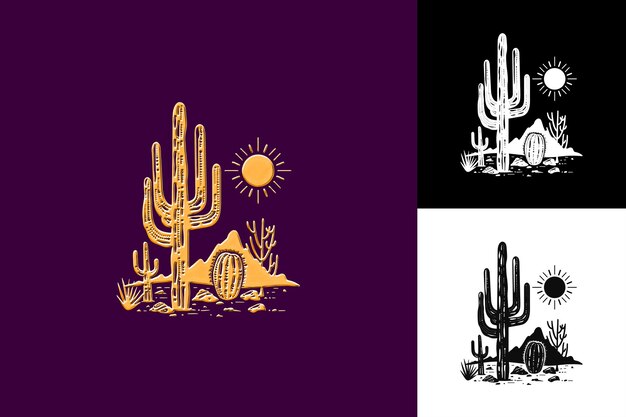
The cactus’s striking silhouette has long been a muse for artists, its forms distilled into bold, graphic lines that capture the essence of the desert. In Southwestern art, the cactus is more than a subject—it is a language, a visual code that communicates the region’s identity. The Southwestern aesthetic, with its earthy palettes and geometric patterns, often features the cactus as a recurring motif, whether in the intricate embroidery of Navajo rugs, the vibrant murals of Santa Fe, or the minimalist lines of modernist architecture. The cactus’s spines, too, have inspired countless designs, their sharp angles echoing the jagged edges of mesas and canyons.
This artistic fascination extends beyond traditional forms. In contemporary design, the cactus has become a global symbol of the Southwest, adorning everything from tattoos to corporate logos. Its association with themes of resilience, individuality, and untamed beauty has made it a favorite in branding, particularly for companies seeking to evoke a sense of adventure and authenticity. Yet, this commercialization raises questions: Can the cactus’s symbolism be divorced from its cultural roots? Does its widespread adoption dilute its significance, or does it instead amplify the voices of the communities that have long revered it? The answer lies in how we choose to engage with its story—whether as passive consumers or active participants in its narrative.
The Cactus in Myth and Folklore: Stories Carved in Thorns
Every culture has its myths, and the Southwest is no exception. The cactus, with its otherworldly appearance and tenacious spirit, has inspired a rich tapestry of folklore. Among the Tohono O’odham people of southern Arizona, the saguaro is not just a plant but a living being with its own agency. According to legend, the saguaro was once a man who, in a moment of great sacrifice, offered himself to the desert to provide sustenance for his people. His body transformed into the towering cactus we see today, its ribs becoming the ribs of the earth itself. This tale is more than a story—it is a lesson in reciprocity, a reminder that survival is not a solitary endeavor but a communal one.
Other myths speak of the cactus as a guardian, its spines warding off evil spirits or marking sacred spaces. In some traditions, the cactus is a bridge between worlds, its blooms signaling the arrival of spring and the renewal of life. These stories are not mere fables; they are living traditions that connect the past to the present, offering insights into how indigenous cultures have understood and interacted with their environment. They remind us that the cactus is not just a plant to be admired from afar—it is a participant in the region’s spiritual and cultural life, a silent witness to centuries of history.
The Cactus as an Environmental Indicator: A Barometer of Change
In an era of climate change, the cactus has emerged as an unlikely environmental sentinel. Its sensitivity to shifts in temperature and precipitation makes it a barometer of the desert’s health. As droughts intensify and temperatures rise, some cactus species are struggling to adapt, their growth stunted or their blooms failing to appear. This is not just a botanical concern—it is a cultural one. The decline of cacti could signal broader ecological unraveling, a loss of biodiversity that would ripple through the Southwest’s delicate web of life.
Yet, the cactus also offers a glimmer of hope. Its ability to endure harsh conditions makes it a potential ally in the fight against desertification. Some conservationists are exploring ways to propagate native cacti as part of restoration efforts, using their deep roots to stabilize soil and their water-storing capacities to mitigate the effects of drought. In this sense, the cactus is not just a symbol of the past—it is a tool for the future, a living reminder that even in the face of climate crisis, there is room for adaptation and resilience.
The Cactus in Modern Culture: From Kitsch to Icon
Walk through any Southwestern gift shop, and you’ll find the cactus emblazoned on everything from shot glasses to throw pillows. It has become a shorthand for the region’s aesthetic, a visual shorthand that is both beloved and, at times, reductive. The cactus’s commercialization has led to a certain flattening of its symbolism, reducing it to a decorative motif rather than a living entity with deep cultural roots. Yet, this ubiquity also presents an opportunity. By engaging with the cactus beyond its surface-level appeal, we can uncover the layers of meaning that have made it a enduring icon.
In literature, the cactus often serves as a metaphor for the human condition—unyielding, adaptable, and capable of thriving in the most unforgiving of circumstances. Writers like Leslie Marmon Silko and Edward Abbey have used the cactus as a lens through which to explore themes of identity, survival, and the relationship between humans and the land. In music, too, the cactus has found a voice, from the haunting melodies of Native American flute music to the gritty anthems of desert rock. These artistic expressions remind us that the cactus is more than a plant—it is a muse, a muse that continues to inspire creativity and introspection.
A Call to Reconnection: Seeing the Cactus Anew
The cactus is not just a symbol—it is a teacher. It teaches us about resilience, about the beauty of adaptation, and about the importance of seeing beyond the surface. In a world that often prioritizes speed and convenience, the cactus offers a counterpoint: a reminder that true strength lies in patience, in the ability to endure, and in the willingness to thrive on one’s own terms. To truly understand the cactus is to engage with the Southwest in a deeper way, to see the desert not as a wasteland but as a living, breathing entity with its own rhythms and stories.
So the next time you encounter a cactus—whether in a painting, a tattoo, or the wild expanse of the desert—take a moment to pause. Look beyond its spines and blooms. See the story it carries, the history it embodies, and the lessons it offers. The cactus is more than a plant. It is a testament to the power of life in the face of adversity, a symbol of the Southwest’s soul, and a reminder that even in the harshest of landscapes, beauty and resilience can flourish.
FAQ
What does the cactus symbolize in Southwestern culture?
The cactus symbolizes endurance, adaptability, and cultural identity, reflecting the resilience of the people and environment of the Southwest.
How do cacti survive in harsh desert conditions?
Cacti have evolved adaptations such as thick, waxy skin to minimize water loss, shallow roots to absorb moisture, and the ability to store water.
FAQ
What does the cactus symbolize in Southwestern culture?
The cactus symbolizes endurance, adaptability, and the cultural identity of the people in the Southwestern United States.
How has the cactus influenced art in the Southwest?
The cactus’s unique form and resilience have inspired various art forms, becoming a central motif in Southwestern aesthetics.
FAQ
What does the cactus symbolize in Southwestern culture?
The cactus symbolizes endurance, adaptability, and cultural identity, reflecting the resilience of the people and the harsh environment.
How has the cactus influenced art in the Southwest?
The cactus has inspired various art forms, serving as a visual language that communicates the region’s identity through motifs in textiles, murals, and modern designs.
FAQ
What does the cactus symbolize in Southwestern culture?
The cactus symbolizes endurance, adaptability, and cultural identity, reflecting the resilience of the people and environment.
How has the cactus influenced art in the Southwest?
The cactus serves as a visual motif in Southwestern art, embodying the region’s identity through various forms, from traditional crafts to modern designs.
FAQ
What does the cactus symbolize in Southwestern culture?
The cactus symbolizes endurance, adaptability, and cultural identity in Southwestern U.S. culture.
How do cacti survive in harsh desert conditions?
Cacti have adaptations like thick skin to minimize water loss, shallow roots to absorb rainfall, and the ability to store large amounts of water.



Leave a Reply