
Short Answer
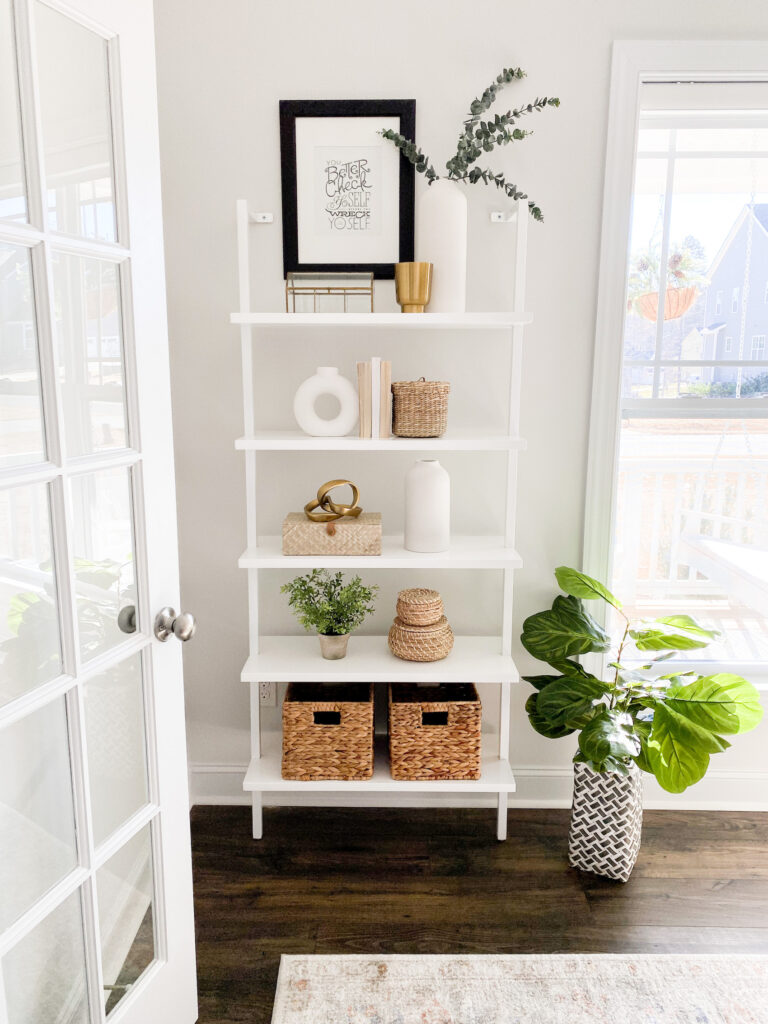
There’s something quietly revolutionary about a cactus perched on a shelf—not because it’s bold or brash, but because it whispers of patience, resilience, and the art of restraint. In a world that often demands more, louder, and faster, a single spiky silhouette on a shelf can feel like a deliberate pause, a moment of stillness. It’s not just a plant; it’s a statement. And when you curate a collection of these desert dwellers, you’re not just arranging objects—you’re crafting a narrative of texture, contrast, and understated elegance. Whether you’re a minimalist at heart or a maximalist in spirit, styling cacti on shelves offers a chance to rethink how you interact with space, light, and even time itself.
The Psychology of Tiny Green Titans: Why Cacti Command Attention
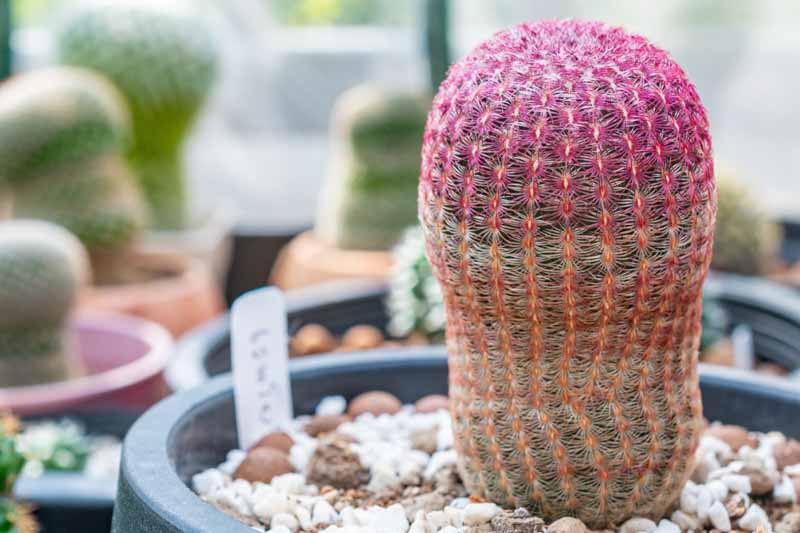
Cacti are the ultimate anti-heroes of the plant world. They thrive in neglect, flourish in drought, and yet, when placed thoughtfully, they become the centerpiece of a room. Their very presence defies expectations—what begins as a humble desert survivor transforms into a sculptural marvel under the right conditions. Psychologically, they evoke curiosity: their spines, once seen as defensive mechanisms, now become decorative elements that draw the eye. A single cactus on a shelf isn’t just decor; it’s a conversation starter, a visual puzzle that invites questions. Why this shape? Why this placement? The answers lie not in the plant itself, but in the story you choose to tell with it.
Spatial Alchemy: Turning Shelves into Desertscapes
Shelves are more than storage—they’re canvases. And when you introduce cacti into the equation, you’re engaging in a form of spatial alchemy, where height, depth, and light converge to create something extraordinary. Start by considering the shelf’s architecture. A floating shelf, with its clean lines, demands a cactus with architectural integrity—perhaps a tall, columnar *Euphorbia tirucalli* or a sculptural *Aloe polyphylla*. A built-in shelf, with its nooks and crannies, invites a collection of smaller, clustered varieties like *Mammillaria* or *Gymnocalycium*. The key is to treat the shelf as a three-dimensional ecosystem, where each cactus occupies its own microclimate, yet contributes to the whole.
Light is the invisible thread that binds this ecosystem together. A south-facing shelf bathed in sunlight will favor sun-loving species like *Ferocactus* or *Echinocactus*, while a north-facing perch might be better suited to shade-tolerant varieties such as *Haworthia* or *Gasteria*. Rotate your collection seasonally, if possible, to mimic the natural cycles of growth and dormancy. The result? A living display that evolves with the light, much like a painting that changes under different angles of sunlight.
Texture as Tactile Poetry: Layering Spines, Shapes, and Surfaces
The magic of cacti lies in their textures—each spine, each rib, each bump tells a story. To style them effectively, you must become a connoisseur of tactile contrast. Pair a smooth, ribbed *Cereus* with the fuzzy, almost velvety surface of a *Mammillaria hahniana*. Contrast the sharp, geometric lines of a *Echeveria* with the sprawling, chaotic tendrils of a *Schlumbergera* (yes, it’s a cactus, too!). The goal isn’t just visual harmony; it’s a symphony of touch, where the viewer is compelled to reach out, to feel the difference between a delicate *Lophophora* and the rugged *Opuntia*.
Surfaces matter just as much as the plants themselves. A matte black shelf will make the greens and silvers of your cacti pop, while a light wood shelf can soften the impact of spiny varieties. Consider the background, too—a white wall will highlight the silhouettes of your collection, while a textured wallpaper can add depth and intrigue. The interplay between plant, shelf, and wall creates a visual rhythm that’s both soothing and dynamic.
The Art of Negative Space: Less is Not Lacking
In the age of maximalism, negative space is a radical act. A single cactus on a shelf, surrounded by emptiness, isn’t a void—it’s a deliberate choice. It forces the viewer to focus, to appreciate the plant’s form without distraction. This is where the philosophy of *ma* (間), the Japanese concept of negative space, comes into play. A well-placed cactus doesn’t just occupy space; it defines it. It creates breathing room, a visual exhale that allows the eye to rest.
But negative space isn’t just about absence—it’s about intention. If you’re styling a shelf with multiple cacti, leave gaps between them. Let each plant have its own moment to shine. Think of it like a gallery exhibit, where each piece is given room to breathe. The result is a display that feels curated, not cluttered—a testament to the power of restraint.
Seasonal Choreography: Rotating Your Collection for Year-Round Drama
Cacti aren’t static; they’re performers waiting for their cue. To keep your shelf display fresh, embrace the art of seasonal choreography. In spring, introduce blooming varieties like *Echinopsis* or *Rebutia*, their vibrant flowers adding a fleeting burst of color. Summer calls for heat-loving species like *Agave* or *Yucca*, which thrive in the warmth. As autumn arrives, shift to cooler-tolerant varieties like *Sedum* or *Sempervivum*, which can handle a drop in temperature. Winter is the perfect time to highlight slow-growing, architectural cacti like *Ariocarpus* or *Lophophora*, whose subtle forms become the stars of the season.
This rotation isn’t just practical—it’s a celebration of the cactus’s adaptability. By aligning your display with the natural rhythms of the year, you create a living calendar, a visual reminder of the passage of time. And because cacti are slow growers, their changes are subtle, almost imperceptible. It’s a quiet kind of magic, one that rewards patience and attention.
Unexpected Pairings: When Cacti Meet the Unconventional
Why stop at plants? Cacti are versatile enough to thrive alongside objects that defy convention. A vintage brass candlestick, its patina adding warmth to the cool greens of a *Haworthia*, creates a juxtaposition of old and new. A ceramic bowl, its organic curves mirroring the irregular shapes of a *Gymnocalycium*, adds a layer of tactile contrast. Even a stack of worn leather-bound books can serve as a pedestal for a small *Mammillaria*, the rough texture of the spines playing against the smoothness of the pages.
The key is to choose objects that share a common thread—perhaps a muted color palette, a similar scale, or a shared sense of ruggedness. The result is a display that feels intentional, even if the elements seem disparate at first glance. It’s a reminder that styling isn’t about following rules; it’s about creating unexpected connections.
The Final Touch: Lighting as the Unsung Hero
No shelf display is complete without the right lighting. A single, focused beam of light—perhaps from a small LED spotlight or a vintage desk lamp—can transform a cactus from a mere plant into a sculptural masterpiece. The light should highlight the plant’s best features, whether it’s the translucent ribs of a *Hylocereus* or the dense spines of a *Ferocactus*. For a softer effect, consider a string of warm white fairy lights, their gentle glow adding a touch of whimsy to the display.
But lighting isn’t just about illumination; it’s about mood. A cool, blue-toned light can evoke the stark beauty of a desert at dusk, while a warm, amber glow might suggest the golden hours of a desert sunrise. The right lighting doesn’t just show your cacti—it tells their story.
FAQ
What types of cacti are best for shelf displays?
Some great options include tall columnar cacti like Euphorbia tirucalli or smaller varieties like Mammillaria and Gymnocalycium.
How can I create visual interest when styling cacti?
Use a variety of shapes and textures, and consider the background and lighting to highlight the cacti.
What is the importance of negative space in styling?
Negative space allows each cactus to stand out and creates a more intentional, curated display.

Leave a Reply