

Short Answer
Imagine standing in the golden glow of a desert sunset, the air crisp and dry, as you gaze upon a collection of spiny sentinels—cacti—each one a testament to resilience and beauty. Now, picture bringing that same rugged elegance into your home or garden, but with a twist: doing it legally, ethically, and with the savvy of a seasoned botanical adventurer. Importing cacti isn’t just about crossing borders with a prickly passenger; it’s a labyrinth of regulations, ecological stewardship, and logistical finesse. Whether you’re a hobbyist enchanted by the allure of rare species or a business aiming to cultivate a niche market, the journey from desert to doorstep is fraught with challenges—and opportunities. Buckle up. We’re about to unravel the intricate tapestry of legal and practical considerations that will redefine how you think about cactus importation.
The Global Cactus Conundrum: Why Importing Isn’t as Simple as It Seems
At first glance, importing a cactus might seem like a straightforward transaction: find a seller, pay the fee, and wait for your spiky treasure to arrive. But the reality is far more complex. Cacti are not mere houseplants; they are living artifacts of biodiversity, protected by international treaties and national laws designed to prevent exploitation and ecological disruption. The Convention on International Trade in Endangered Species of Wild Fauna and Flora (CITES) looms large over this industry, classifying many cactus species under strict protection. Even if a cactus isn’t endangered, countries impose their own import restrictions to curb biosecurity risks—pests, diseases, and invasive species that could wreak havoc on local ecosystems. Ignoring these regulations isn’t just risky; it’s a fast track to hefty fines, confiscation, or even legal action. The key? Treat every import as a diplomatic mission, where compliance is your passport to success.
Decoding the Red Tape: Legal Frameworks You Can’t Afford to Ignore
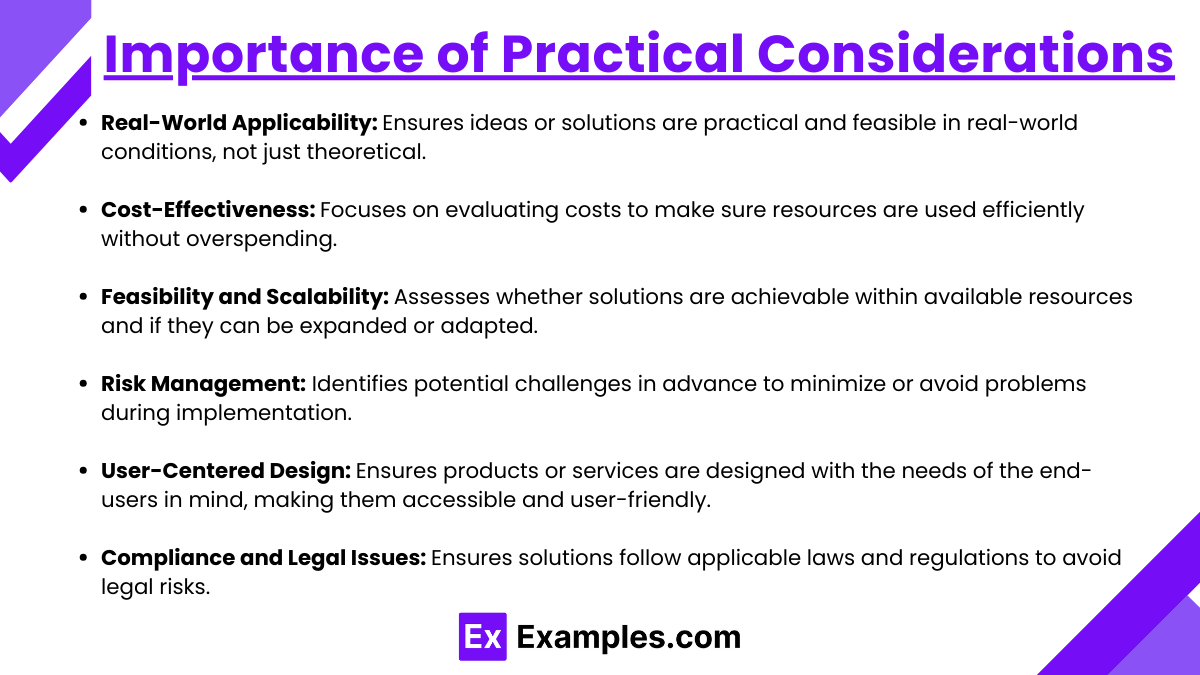
Navigating the legal landscape of cactus importation is like solving a puzzle where the pieces are constantly shifting. Start with the basics: import permits. Most countries require them, and the application process can be as intricate as the spines on a Ferocactus. You’ll need to provide detailed documentation, including the species name, origin, and purpose of import (personal collection, commercial sale, research?). Some nations demand a phytosanitary certificate, a document issued by the exporting country’s agricultural authority to certify the plant is pest-free. Then there’s the Lacey Act in the U.S., which prohibits the import of plants taken in violation of foreign laws—a sobering reminder that ignorance is not a defense. For businesses, the stakes are higher: commercial importers must often secure additional licenses and adhere to quota systems for certain species. The takeaway? Treat paperwork like a botanical treasure map—meticulous, essential, and non-negotiable.
The Silent Threat: Biosecurity Risks and How to Mitigate Them
Picture this: your newly imported cactus arrives, healthy and vibrant, only to be quarantined because it harbored a hidden stowaway—a mealybug, a nematode, or worse, a fungal pathogen. Biosecurity isn’t just a buzzword; it’s the invisible shield protecting ecosystems from collapse. Many countries enforce mandatory quarantine periods, where imported plants are isolated and monitored for signs of infestation. Failure to comply can result in destruction of the shipment or, at best, a costly delay. But prevention starts long before the cactus reaches your door. Source from reputable nurseries that follow good agricultural practices (GAP), ensuring their plants are grown in controlled environments free from pests. Upon arrival, inspect your cacti meticulously—look for webbing, discoloration, or unusual growths. And always, always declare everything. Transparency is your best ally in avoiding the wrath of customs officials.
From Desert to Doorstep: Logistics That Separate Success from Disaster
Transporting a cactus is not unlike shipping a piece of the desert itself—fragile, temperamental, and in need of precise conditions. The journey begins with proper packaging. Cacti should be wrapped individually in breathable material (like paper or mesh) to prevent moisture buildup and rot. For larger shipments, use sturdy, ventilated crates with cushioning to absorb shocks. Temperature control is critical: most cacti despise cold drafts and humidity, so insulated packaging or climate-controlled shipping is a must. Labeling is another pitfall. A vague description like “succulent plants” can trigger customs red flags. Instead, specify the genus, species, and quantity—precision breeds trust. And don’t forget insurance. A single damaged shipment can erase profits faster than a Saguaro in a sandstorm. Choose carriers experienced in handling live plants, and always track your shipment in real-time. Delays happen; being prepared for them doesn’t.
The Ethical Imperative: Sustainable Sourcing and Conservation
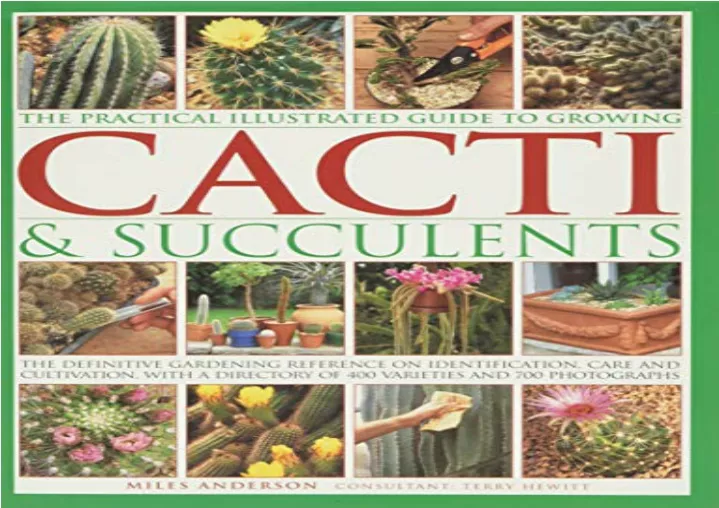
Here’s a question that might make you pause: Is your cactus purchase contributing to ecological harm? The cactus trade, like any industry touching wild flora, has a shadow side—habitat destruction, illegal poaching, and the exploitation of vulnerable species. Ethical importers prioritize cultivated stock over wild-harvested plants, supporting nurseries that propagate cacti sustainably. Look for certifications like FairWild or Verified Sustainable, which ensure plants are sourced responsibly. For rare species, consider tissue culture—a lab-grown alternative that reduces pressure on wild populations. And if you’re importing for commercial purposes, ask yourself: Are you adding value to the market, or are you part of the problem? The most successful importers are those who view their role as stewards of biodiversity, not just traders of greenery.
Cultural Nuances: When Local Laws Meet Global Aspirations
Every country has its own quirks when it comes to plant importation. In Australia, for instance, even non-endangered cacti face strict scrutiny due to fears of invasive spread. The European Union requires a Common Health Entry Document (CHED) for all plant imports, while Japan mandates a Plant Import Permit and a phytosanitary certificate in Japanese. Some nations, like New Zealand, have biosecurity bonds that importers must pay upfront, refundable only if the shipment passes inspection. Researching the specific regulations of your destination country isn’t just advisable—it’s a survival tactic. Ignorance of local laws is no excuse, and the penalties can be severe. Leverage resources like the International Plant Protection Convention (IPPC) or consult with a customs broker specializing in horticultural imports. The more you know, the smoother your journey will be.
The Human Element: Building Relationships in a Global Market
Behind every successful cactus import is a network of people—growers, shippers, customs officials, and fellow enthusiasts. Cultivating these relationships can mean the difference between a seamless transaction and a logistical nightmare. Join cactus and succulent societies, attend trade shows, or engage with online forums where importers share war stories and advice. A trusted supplier in Mexico or South Africa can be your lifeline when paperwork goes awry or a shipment is delayed. Similarly, forging a good rapport with customs brokers or freight forwarders can expedite clearances and resolve issues before they escalate. Remember, the cactus trade is as much about people as it is about plants. Those who thrive in this space are the ones who understand that every spine has a story—and every import is a collaboration.
Future-Proofing Your Cactus Imports: Trends and Innovations
The world of cactus importation is evolving. Blockchain technology is being piloted to track the provenance of plants, ensuring transparency from nursery to doorstep. Vertical farming and hydroponics are reducing the need for wild-harvested cacti, offering a sustainable alternative for rare species. Meanwhile, AI-driven customs software is streamlining the permit application process, cutting through red tape with algorithmic precision. For importers, staying ahead means embracing these innovations. Subscribe to industry publications, attend webinars, and network with innovators. The future of cactus importation isn’t just about compliance—it’s about reimagining the entire supply chain to be smarter, greener, and more resilient.
The path to importing cacti legally and successfully is a journey of patience, precision, and passion. It’s a world where every spine tells a story, every permit is a key, and every shipment is a testament to your dedication. But here’s the twist: this isn’t just about bringing a piece of the desert into your life. It’s about becoming a guardian of that desert, a steward of its beauty, and a bridge between cultures and ecosystems. So, are you ready to turn your cactus dreams into a reality—responsibly, ethically, and with the finesse of a seasoned botanical explorer?
FAQ
Do I need a permit to import cacti?
Yes, most countries require import permits and documentation such as phytosanitary certificates to legally import cacti.
What are the biosecurity risks of importing cacti?
Imported cacti can carry pests, diseases, or invasive species that threaten local ecosystems, so quarantine and inspection are mandatory.
How can I ensure ethical sourcing when importing cacti?
Buy from nurseries that propagate cacti sustainably and look for certifications like FairWild to avoid contributing to illegal poaching.
What should I consider when shipping cacti internationally?
Packaging, temperature control, accurate labeling, and choosing experienced carriers are critical to prevent damage and delays.
Are cactus import laws the same in every country?
No, each country has unique regulations and required documents, so researching local laws is essential before import.


Leave a Reply