
Short Answer
When you think of sunburn, images of red, blistered human skin likely flood your mind. But imagine a different form of sunburn—one that inflicts damage on the resilient, spiny sentinels of the desert: cacti. These hardy plants, celebrated for their stoicism in the face of blistering heat, are not immune to the merciless rays of the sun. In fact, cactus sunburn is a subtle yet serious phenomenon that can silently compromise their health and vitality. What if the key to protecting your cactus lies not just in shielding it, but in transforming how you perceive sunlight’s intimate relationship with these extraordinary succulents? Let’s embark on a journey through the nuances of cactus sunburn—its causes, vivid symptoms, ingenious prevention strategies, and effective treatments.
The Surprising Vulnerability of Cacti to Sunburn
It might seem counterintuitive, but even the sun-powered champions of arid landscapes can suffer under relentless UV exposure. Unlike humans who have melanin and the ability to seek shade, cacti rely on a delicate balance of protective pigments and cellular resilience. Overexposure to intense, direct sunlight—especially when a cactus has been recently relocated or is a young specimen—can lead to cellular damage akin to a botanical sunburn. This affliction disrupts chlorophyll and causes photoinhibition, where the photosynthetic apparatus is impaired, ultimately weakening the plant.
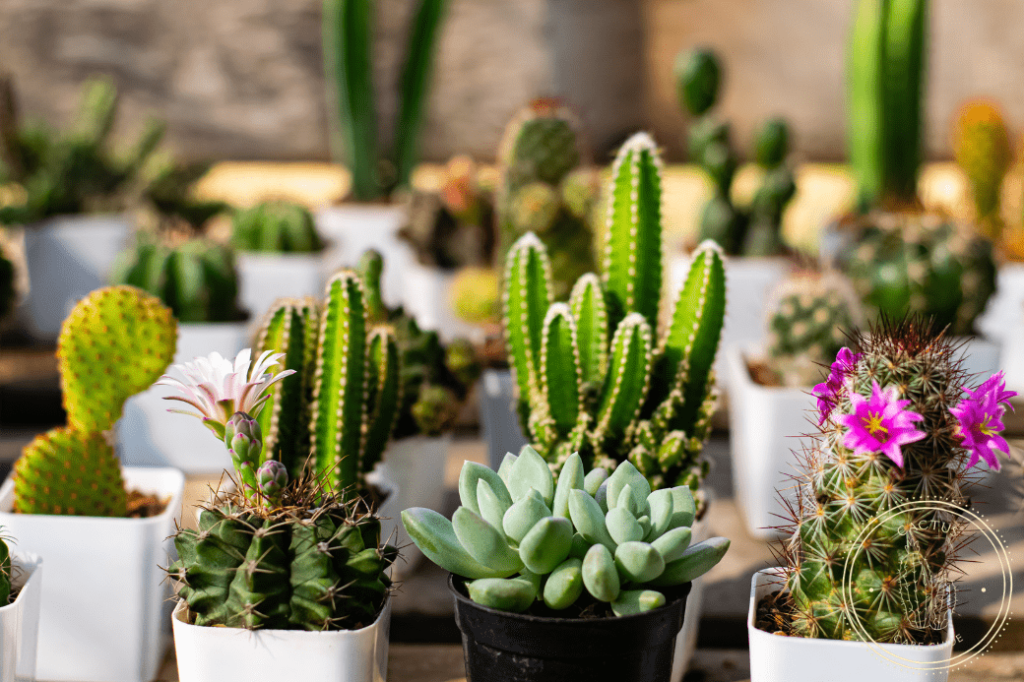
Not all cacti are equally susceptible; species accustomed to partial shade or sudden environmental changes are especially vulnerable. Recognizing this vulnerability shifts how one regards cactus care—sunlight, once perceived as a simple necessity, becomes a complex variable demanding careful orchestration.
Recognizing the Signs: Deciphering the Language of Sunburned Cacti
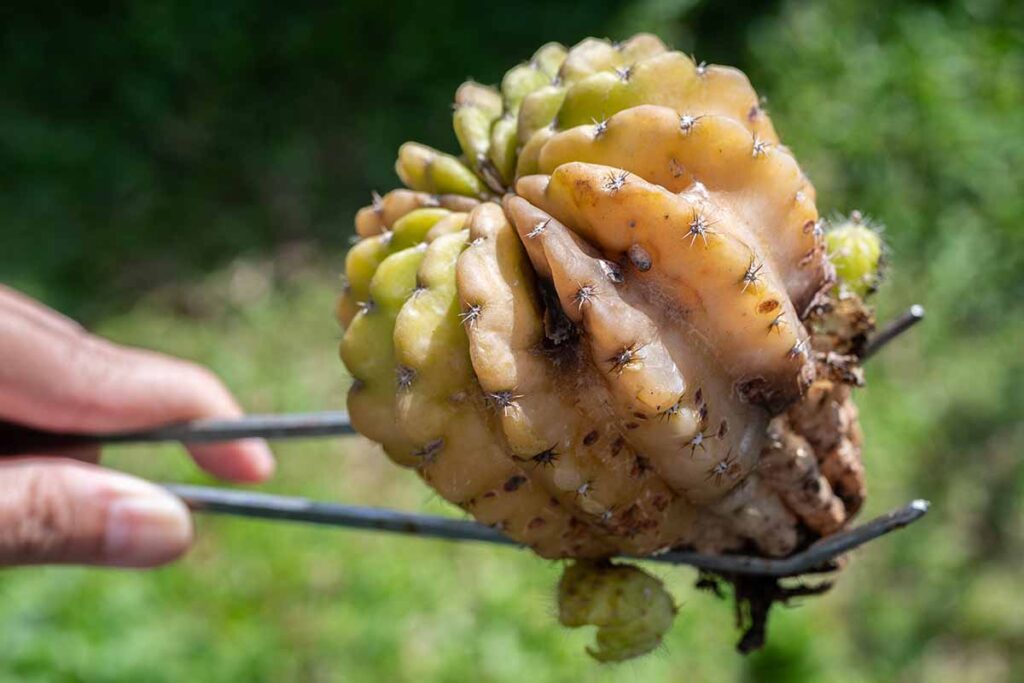
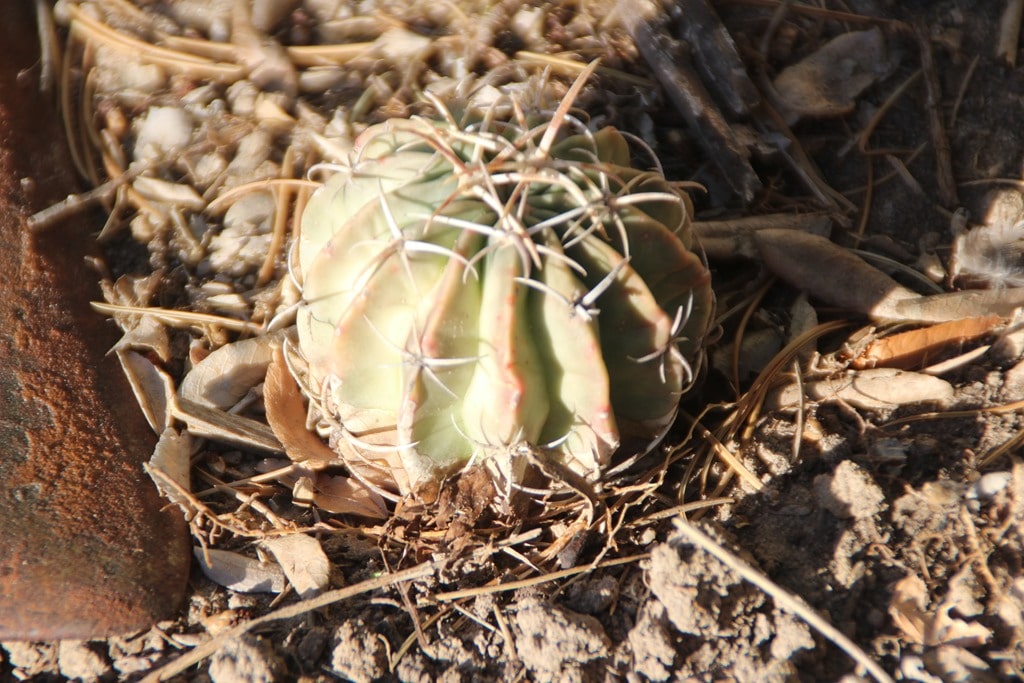
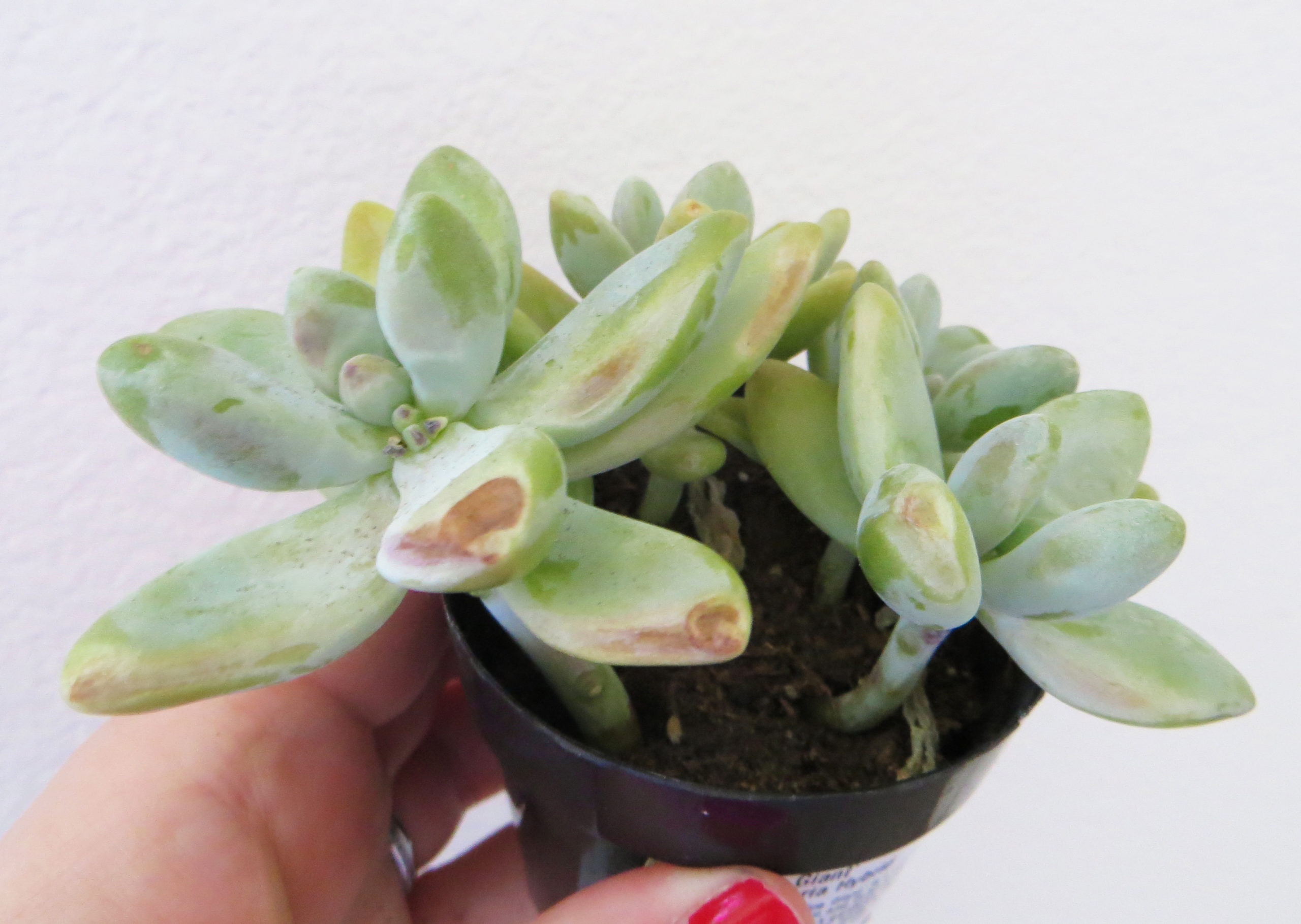
How can one tell if a cactus is silently suffering? Symptoms often present subtly before escalating. Initially, sunburn manifests as pale yellow or white patches on the skin’s surface—areas where chlorophyll has been degraded. These spots gradually darken, turning brown or even black as cellular death ensues. The texture shifts as well, becoming leathery or brittle to the touch, sometimes cracked due to damaged epidermal layers.
Another indicative sign is an abnormal softness in previously firm tissues. This softness warns of dehydration and compromised integrity beneath the surface. The presence of scarring and open wounds may pave the way for opportunistic pests and pathogens, adding an insidious threat to the cactus’s wellbeing.
Mastering Prevention: Crafting The Ideal Environment
Preventing cactus sunburn requires a blend of attentiveness, knowledge, and environmental tailoring. The cornerstone of prevention is acclimatization. Gradual exposure to brighter conditions enables the cactus to ramp up its production of protective pigments like carotenoids and flavonoids. Transitioning a cactus from low-light indoors to intense outdoor sunshine should be executed over weeks rather than days.

Strategic placement is equally crucial. Positioning cacti where they receive filtered sunlight—under the canopy of taller plants or shaded by structures during peak afternoon hours—mimics their natural habitat. Using shade cloths or adjustable screens offers flexibility in managing light intensity. Monitoring the weather and timing the sunniest exposure during early morning or late afternoon, when UV intensity is reduced, further safeguards the plant.
Watering practices also influence sunburn risk. A well-hydrated cactus can better regulate its internal temperature; paradoxically, overwatering can weaken it, making damage more likely. Thus, balance and timing in irrigation, aligned with light exposure, create a symbiotic defense.
Treatment Techniques: Healing The Scorched Succulent
Once sunburn has taken hold, prompt and gentle intervention is imperative. The first step is alleviating further exposure—relocate the cactus to a shadier, cooler environment to arrest progressive damage. Do not attempt to peel or scrub off sunburnt tissue; this risks infection and additional trauma.
Natural healing in cacti occurs slowly but steadily. Applying a fine mist rather than heavy watering helps maintain humidity without saturating roots. In some cases, horticultural wound dressings or powders can protect damaged areas from fungal invasion. However, these should be used sparingly and with expert guidance.
Enhancing the cactus’s resilience through soil amendments—such as adding organic matter and minerals that bolster cellular repair—can accelerate recovery. Patience is key; new healthy tissue will replace the damaged areas over time, restoring the cactus’s robust appearance and function.
Reframing the Relationship Between Cacti and Sunlight
Understanding cactus sunburn invites a profound shift in perspective—from viewing sunlight as solely a nurturing force to appreciating its dual nature as both benefactor and potential adversary. This duality underscores a beautiful complexity in nature; it is not about eliminating sunlight but cultivating harmony with it.
By embracing this nuanced relationship, caretakers evolve into guardians wielding knowledge and empathy, empowering their cacti to thrive not in spite of, but because of the sun’s fickle embrace. This transformation in care philosophy ignites curiosity and respect, propelling succulent stewardship into a realm where science and art intertwine.
Ultimately, mastering cactus sunburn prevention and treatment enriches the bond between human and plant—a testament to the enduring dance between life and light.
FAQ
What is cactus sunburn?
Cactus sunburn is damage to cactus tissue caused by excessive exposure to intense sunlight, leading to discoloration, tissue damage, and compromised plant health.
How can I tell if my cactus has sunburn?
Look for pale yellow or white patches, dark brown or black spots, leathery or cracked skin, and abnormal softness in cactus tissues.
Can sunburn kill my cactus?
Severe sunburn can weaken a cactus, making it vulnerable to infections and pests, but with proper care, many cacti can recover over time.
Is cactus sunburn common in all cactus species?
No, species adapted to full sun are less susceptible, while those from shaded environments or young plants are more vulnerable.
Leave a Reply