
Short Answer
Imagine a sun-drenched desert, where the golden rays of the sun kiss the rugged spines of cacti, bestowing upon them a natural armor against the harsh elements. Yet, even these resilient desert dwellers can succumb to the scorching embrace of excessive sunlight, leading to a condition known as cactus sunburn. This silent affliction, often overlooked, can leave your beloved spiky companions with unsightly blemishes, stunted growth, or worse—irreversible damage. But fear not! With the right knowledge and care, you can shield your cacti from the sun’s wrath and nurse them back to their prickly glory. Let’s embark on a journey to uncover the secrets of cactus sunburn, from its stealthy causes to the art of prevention and recovery.
The Sun’s Double-Edged Sword: Understanding Cactus Sunburn
Cacti, those stoic sentinels of arid landscapes, have evolved to thrive under the blazing sun. Their thick, waxy epidermis and protective spines act as nature’s sunscreen, deflecting harmful ultraviolet (UV) rays. However, when these adaptations are overwhelmed—whether by sudden exposure to intense sunlight, a move to a sunnier spot, or even a heatwave—the cactus’s defenses falter. Sunburn in cacti manifests as discolored patches, ranging from pale yellow to deep rust, or even blackened, mushy areas that signal tissue necrosis. Unlike sunburn in humans, which fades with time, cactus sunburn can leave permanent scars, compromising both aesthetics and health.
The culprits behind this botanical sunburn are multifaceted. Sudden relocation from a shaded nursery to direct sunlight, inadequate acclimatization, or even reflective surfaces like glass or white walls can intensify UV exposure. Additionally, young or recently repotted cacti, with their tender, less fortified tissues, are particularly vulnerable. Even species native to high-altitude regions, such as the Echinocactus grusonii (Golden Barrel Cactus), can suffer if thrust into lowland heat without gradual adaptation. Recognizing the early signs—such as a dulling of the cactus’s vibrant hue or the appearance of tiny, sunken lesions—is key to swift intervention.
Spotting the Silent Saboteur: Symptoms of Sunburn in Cacti
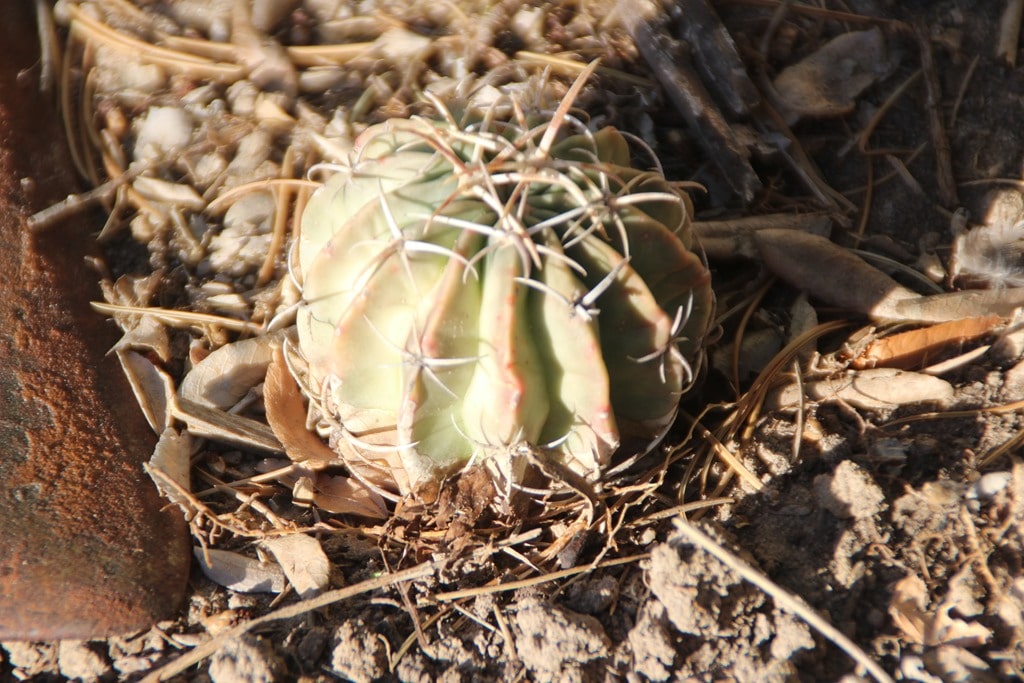
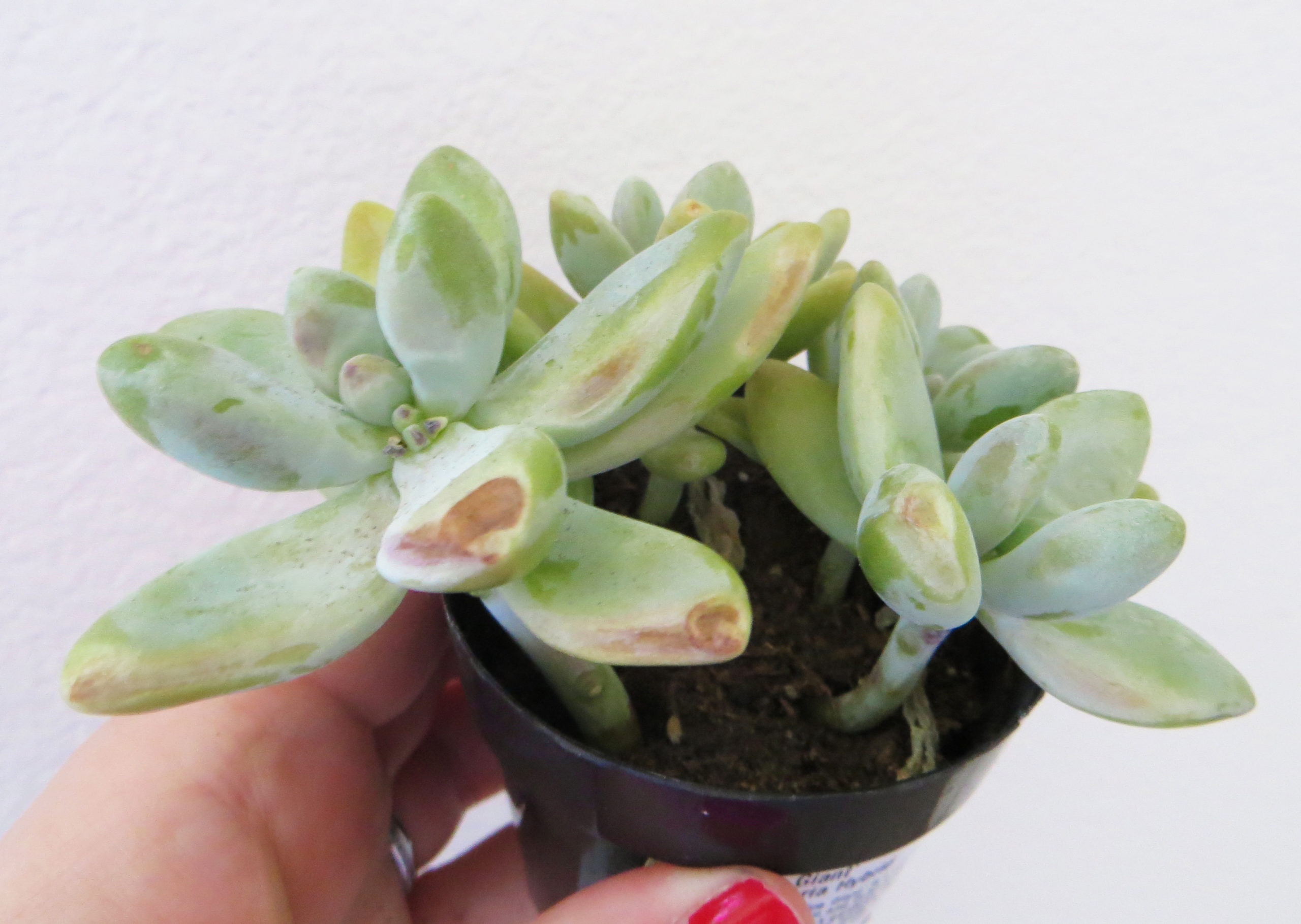
Sunburn in cacti is a stealthy intruder, often creeping in before its presence is fully acknowledged. The first telltale sign is a subtle shift in color. A healthy cactus boasts a rich, uniform green or blue-green hue, but sunburned specimens may develop pale, yellowish patches that resemble a bad spray tan. These areas can darken to a rusty brown or black as the damage progresses, indicating severe tissue death. In some cases, the affected regions may feel softer or spongier than the surrounding tissue, a sign of cellular breakdown.
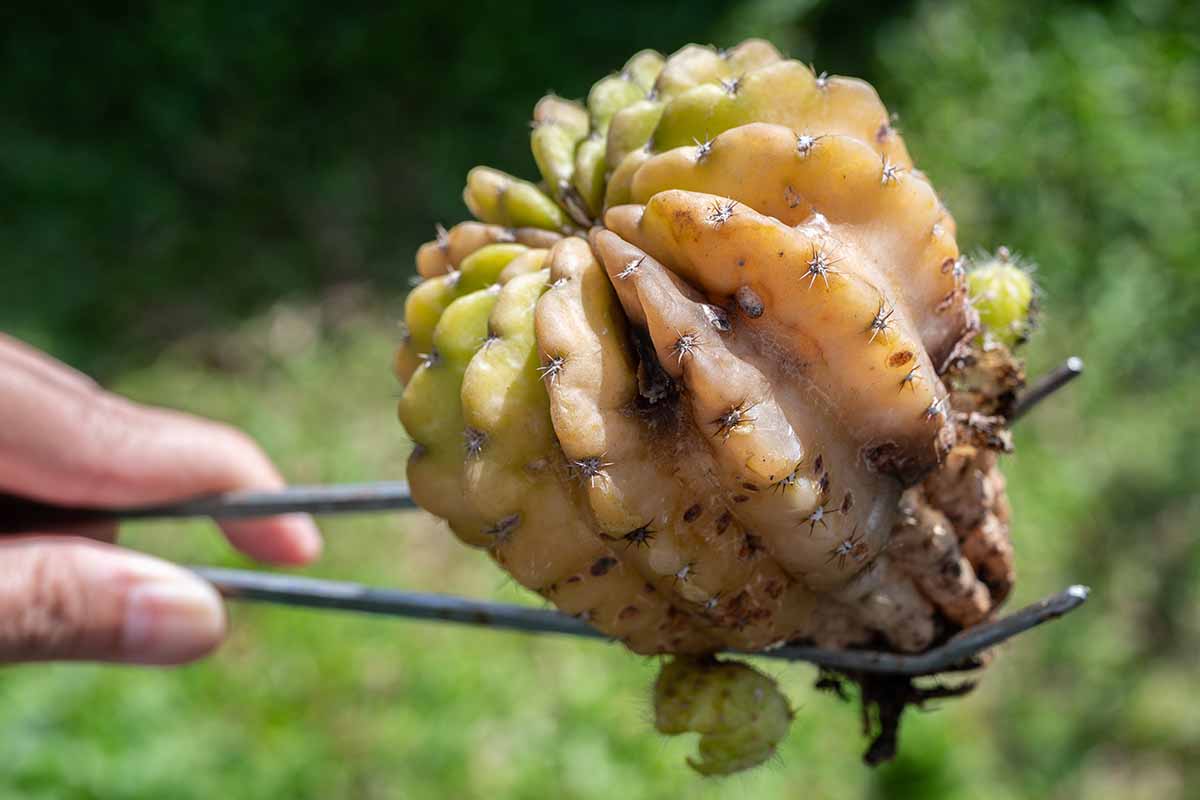
Another red flag is the appearance of tiny, sunken spots or blisters, particularly on the side of the cactus facing the sun. These lesions can ooze a clear or slightly discolored fluid, a sign of internal damage. Over time, the sunburned areas may become dry and papery, eventually cracking or peeling away to reveal the cactus’s inner flesh. In advanced cases, the entire top of the cactus may turn black and mushy, a grim harbinger of rot setting in. It’s crucial to differentiate sunburn from other issues, such as fungal infections or pest infestations, which may present similar symptoms but require entirely different treatments.
An Ounce of Prevention: Shielding Your Cactus from the Sun’s Wrath
Prevention, as they say, is the best medicine—and when it comes to cactus sunburn, this adage holds true. The golden rule? Gradual acclimatization. If you’ve just brought home a new cactus or moved an existing one to a sunnier location, resist the urge to bathe it in sunlight immediately. Instead, introduce it to its new environment in stages. Start with a few hours of morning sun, gradually increasing exposure over a week or two. This slow adaptation allows the cactus to build up its natural defenses, reducing the risk of sunburn.
For outdoor cacti, consider their natural habitat. Most desert species prefer bright, indirect light rather than the harsh midday sun. Position them where they receive dappled sunlight or morning rays, with afternoon shade provided by nearby structures or taller plants. If your cactus is potted, rotate it regularly to ensure even light distribution, preventing one-sided sunburn. For those in extreme climates, a shade cloth with a 30-50% density can be a game-changer, diffusing sunlight while still allowing the cactus to photosynthesize efficiently.
Watering habits also play a pivotal role in sunburn prevention. A well-hydrated cactus is better equipped to handle stress, including excessive sunlight. However, avoid overwatering, as soggy soil can exacerbate tissue damage. Instead, water deeply but infrequently, allowing the soil to dry out completely between sessions. During heatwaves, consider misting the cactus lightly in the early morning or late evening to provide a cooling effect without encouraging rot.
Emergency Response: Treating Sunburned Cacti
Despite your best efforts, sunburn can still strike. When it does, swift action is essential to minimize damage and promote recovery. The first step is to remove the cactus from direct sunlight immediately. Place it in a shaded, well-ventilated area where it can recuperate without further stress. If the sunburn is mild, the cactus may recover on its own with proper care. However, for more severe cases, you’ll need to take additional measures.
Begin by trimming away the damaged tissue with a clean, sharp knife or pair of scissors. Sterilize the blade with rubbing alcohol to prevent infection, and make clean cuts just above the healthy tissue. If the damage is extensive, you may need to remove entire sections of the cactus, leaving only the undamaged parts to regenerate. Once trimmed, allow the cuts to callus over for a few days before reintroducing the cactus to light.
Next, assess the cactus’s hydration levels. Sunburned cacti are prone to dehydration, so a gentle watering session may be in order. However, avoid soaking the soil; instead, provide a light mist or a small amount of water around the base of the plant. If the cactus is severely stressed, consider using a diluted seaweed extract or vitamin B1 solution to boost its resilience. These natural tonics can help stimulate root growth and repair damaged tissues.
Long-Term Care: Nurturing Your Cactus Back to Health
Recovery from sunburn is a marathon, not a sprint. Even after the initial damage has been addressed, your cactus will need time to heal and regain its strength. Start by reintroducing it to light gradually, beginning with just a few hours of indirect sunlight each day. Monitor its progress closely, watching for signs of new growth or further deterioration. If the cactus appears to be struggling, extend the recovery period in shade before attempting to increase light exposure.
During this time, pay close attention to the cactus’s soil and environment. Ensure it’s planted in a well-draining medium, such as a mix of cactus soil and perlite or pumice, to prevent waterlogging. If the cactus is potted, check that the container has adequate drainage holes to avoid root rot. Additionally, maintain a stable temperature and humidity level, as fluctuations can further stress the plant. A humidity tray or occasional misting can help recreate the cactus’s native arid conditions without overwhelming it.
As your cactus begins to recover, you may notice new growth emerging from the unaffected areas. This is a promising sign that the plant is on the mend. However, be patient—regrowth can take weeks or even months, depending on the severity of the sunburn. Avoid fertilizing the cactus during this period, as its weakened state makes it more susceptible to chemical burns. Instead, wait until it’s fully recovered before resuming a regular feeding schedule with a balanced, diluted fertilizer.
Species-Specific Strategies: Tailoring Care to Your Cactus
Not all cacti are created equal, and their care requirements can vary significantly based on their species and natural habitat. For instance, Ferocactus species, such as the Ferocactus wislizeni (Fishhook Barrel Cactus), are native to the Sonoran Desert and can tolerate more intense sunlight than their forest-dwelling cousins. However, even these sun-loving species can suffer from sunburn if exposed to sudden, unrelenting rays. In contrast, Mammillaria species, like the Mammillaria hahniana (Old Lady Cactus), prefer bright but indirect light and may require more shade during peak summer months.
To provide the best care, familiarize yourself with your cactus’s specific needs. Research its natural habitat and mimic those conditions as closely as possible. For example, cacti from high-altitude regions, such as the Echinopsis species, may benefit from cooler temperatures and higher humidity levels during recovery. Conversely, lowland species like the Opuntia (Prickly Pear) may thrive in warmer, drier conditions. By tailoring your care to your cactus’s unique requirements, you’ll maximize its chances of a full recovery and long-term health.
Myths and Misconceptions: Separating Fact from Fiction
The world of cactus care is rife with myths, and sunburn is no exception. One common misconception is that all cacti need full sun to thrive. While many desert species do require abundant light, not all can handle the intensity of direct sunlight, especially in non-native climates. Another myth is that sunburned cacti can be “fixed” with a quick trim and a splash of water. In reality, severe sunburn often requires more intensive intervention, including tissue removal and extended recovery periods. Additionally, some gardeners believe that fertilizing a sunburned cactus will speed up its recovery, but this can actually do more harm than good by overwhelming the plant’s weakened system.
Another pervasive myth is that cacti are indestructible and can bounce back from any abuse. While cacti are indeed resilient, they are not invincible. Sunburn, overwatering, and poor soil conditions can all take a toll, leading to irreversible damage if left unaddressed. By dispelling these myths and approaching cactus care with a blend of knowledge and humility, you’ll be better equipped to nurture your spiky companions through their trials and tribulations.
A Brighter Future: Celebrating Your Cactus’s Recovery
Watching a sunburned cactus heal is a testament to the power of patience and perseverance. As the weeks pass, you’ll begin to notice subtle changes—a slight greening of the once-pale patches, the emergence of new spines, or the firming up of previously soft tissue. These small victories are cause for celebration, a reminder that even the most resilient plants need time to recover from adversity. With each new growth spurt, your cactus will inch closer to its former glory, a living symbol of nature’s tenacity.
To mark the occasion, consider documenting your cactus’s journey with photographs or a care journal. Not only will this provide a tangible record of its progress, but it will also serve as a source of inspiration for future plant-parenting endeavors. And remember, the lessons you’ve learned from this experience will equip you to better care for your cactus—and any future additions to your collection. After all, every plant has its own story, and yours is just beginning.
FAQ
What causes sunburn in cacti?
Sunburn in cacti is caused by sudden or prolonged exposure to intense sunlight, especially without gradual acclimatization, and can be worsened by reflective surfaces or heatwaves.
How can I prevent my cactus from getting sunburned?
Prevent cactus sunburn by gradually increasing sunlight exposure, providing shade during peak sun hours, rotating the plant for even light, and maintaining proper watering habits.
What are the symptoms of cactus sunburn?
Symptoms include pale yellow to rusty brown or black patches, sunken spots or blisters, tissue softness, and in severe cases, black mushy areas indicating rot.
How do I treat a sunburned cactus?
Remove the cactus from direct sunlight, trim damaged tissue with sterilized tools, allow cuts to callus, adjust watering carefully, and support recovery with natural tonics if needed.
How long does it take for a cactus to recover from sunburn?
Recovery can take weeks to months depending on severity, and requires gradual reintroduction to light, stable environment, and careful monitoring.
Leave a Reply