
Short Answer
The remarkable world of cacti extends far beyond their iconic spiny silhouettes and desert resilience. These enigmatic plants have etched an indelible mark upon the annals of traditional medicine, weaving a narrative rich with healing rituals, cultural symbolism, and botanical intrigue. The history of cacti in traditional medicine unfolds as a captivating journey through time and geography, revealing how diverse civilizations unlocked their potent remedies hidden beneath those prickly exteriors. From ancient indigenous practices to contemporary ethnobotanical applications, the saga of cacti in healing is a testament to humanity’s persistent quest for salubrity and understanding of the natural world.
Origins: Indigenous Knowledge and Early Medicinal Uses
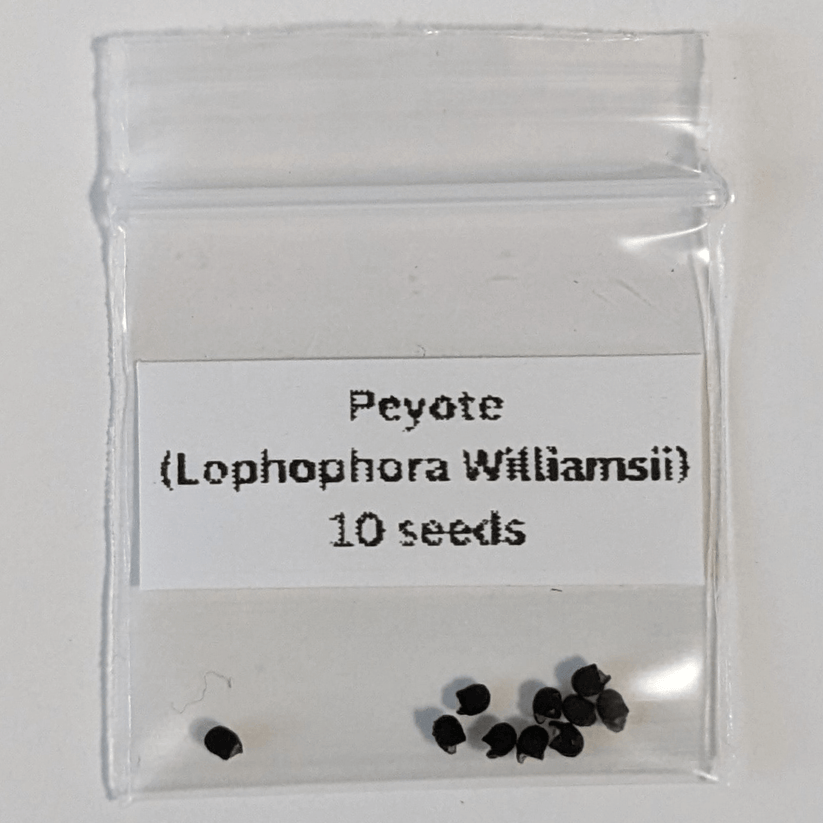
Long before the advent of modern pharmaceuticals, indigenous communities across the Americas recognized the therapeutic virtues of various cacti species. These early practitioners embraced a holistic approach—melding spiritual beliefs with empirical observations—to harness cacti’s medicinal properties. The peyote cactus (Lophophora williamsii), revered in Mesoamerican cultures, was utilized not merely for its psychoactive alkaloids but as a sacrosanct conduit for spiritual healing and divination. Its ingestion prompted visions believed to cleanse the body and mind alike.
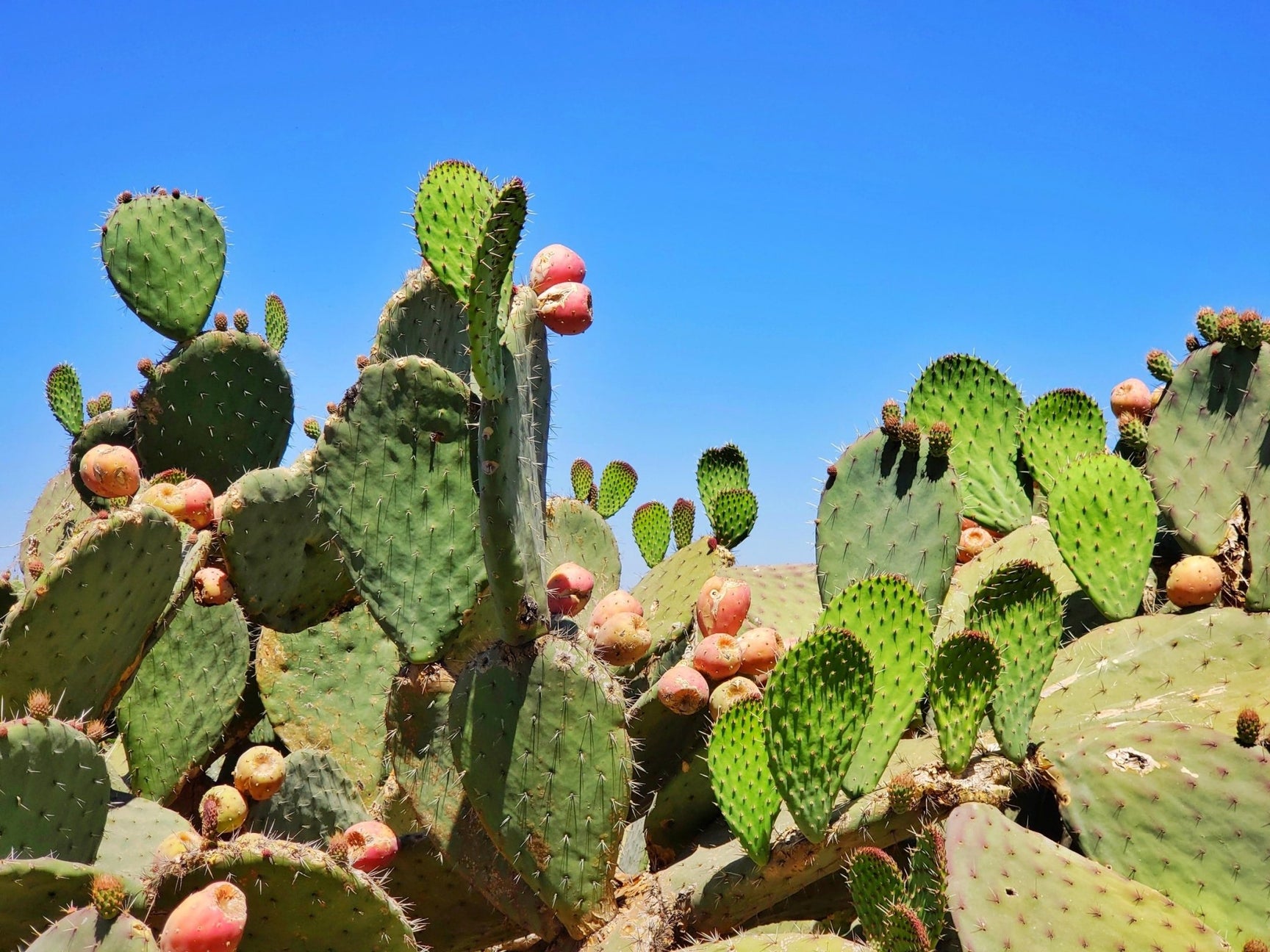
Meanwhile, the prickly pear (Opuntia spp.) featured prominently in the therapeutic regimens of the Aztecs and later, the Tarahumara people of northern Mexico. The fleshy pads and fruits were consumed to ameliorate gastrointestinal distress, reduce inflammation, and promote wound healing. Intriguingly, these applications were often intertwined with ritualistic usage, emphasizing the intimate link between botany and spirituality.
Phytochemical Potency: Understanding Bioactive Compounds
The medicinal efficacy of cacti is undergirded by an array of bioactive phytochemicals. Researchers have identified complex constituents such as flavonoids, betalains, polysaccharides, and alkaloids within different species, each contributing distinct pharmacological attributes. Betalains, for example, impart vibrant pigmentation but also serve as potent antioxidants, combating oxidative stress implicated in chronic diseases.
Alkaloids present in peyote and related cacti engage the central nervous system, explaining their psychoactive effects employed in medicinal contexts. Additionally, mucilaginous polysaccharides found in prickly pear pads exhibit demulcent properties, soothing irritated mucous membranes and facilitating gastrointestinal recovery.
Therapeutic Applications Across Cultures
Across diverse geographies, cacti have been integrated into traditional medicinal systems with nuanced variations. In Peru, the San Pedro cactus (Trichocereus pachanoi) is not only a hallmark of Andean ethnomedicine but also a spiritual catalyst in shamanic healing ceremonies. Its alkaloid-rich juice is purported to treat ailments ranging from high blood pressure to psychological disorders.
Conversely, the Navajo and Apache of the southwestern United States valorized prickly pear for its anti-inflammatory and diuretic properties. They would prepare poultices from the pads to alleviate skin infections and insect bites. The deep-rooted belief in the plant’s protective qualities ensured its continued use well into the 20th century.
The Role of Cacti in Contemporary Herbal Medicine
In modern herbal medicine, the legacy of cacti continues to flourish, bolstered by scientific inquiry validating traditional knowledge. Supplements derived from prickly pear are marketed for metabolic regulation, purportedly aiding in blood sugar stabilization and cholesterol reduction. Clinical trials increasingly support these claims, spotlighting cacti as a natural adjunct in managing diabetes and cardiovascular ailments.
Moreover, the resurgence of psilocybin and similar entheogenic research has sparked interest in peyote’s psychoactive alkaloids for therapeutic breakthroughs in mental health, including treatment-resistant depression and PTSD. This renaissance underscores the intricate balance between cultural reverence and scientific scrutiny that cacti command in healing arts.
Cultivation and Sustainable Harvesting Practices
As the therapeutic demand for cacti escalates, ecological and ethical considerations emerge concerning sustainable harvesting and cultivation. Wild populations, particularly of peyote, face pressures from overharvesting and habitat degradation. Consequently, conservation efforts emphasize cultivating cacti under controlled conditions to preserve genetic diversity and maintain ecological equilibrium.

Traditional knowledge holders often collaborate with researchers and conservationists to establish harvesting protocols that honor cultural practices while ensuring resource longevity. This delicate stewardship highlights the importance of integrating ethnobotanical wisdom with modern sustainability principles.
Myth, Ritual, and the Symbolism of Healing
Beyond their tangible medicinal benefits, cacti occupy an exalted symbolic status in numerous cultures, embodying resilience, protection, and spiritual purification. The intertwined narratives of myth and medicine amplify the plants’ significance within healing traditions. For example, among Indigenous peoples of the American Southwest, the cacti’s ability to thrive in arid, hostile environments metaphorically aligns with human endurance and regeneration.
Ritualistic use of cacti, particularly those with psychoactive properties, often centers on communal ceremonies aimed at achieving holistic wellness—merging mind, body, and spirit. These sacred rites legitimize healing practices and foster cultural continuity, emphasizing the multifaceted role cacti play in traditional medicinal landscapes.
The Future Horizon: Integrating Tradition with Innovation
The enduring saga of cacti in traditional medicine continues to evolve. Advancements in phytochemistry and pharmacology are unraveling the molecular intricacies that underlie their therapeutic potential. There is growing advocacy for integrative frameworks that respect indigenous knowledge systems while harnessing modern scientific methodologies.
Future developments may see cacti-inspired pharmaceuticals and nutraceuticals offering novel treatments for a range of conditions, merging ancient wisdom with contemporary health paradigms. This fusion invites a more holistic understanding of medicine—one that honors the past while embracing innovation.
In sum, the history of cacti in traditional medicine is not only a narrative of botanical utility but a vibrant tapestry of cultural identity, spiritual depth, and healing ingenuity. These remarkable plants continue to captivate and heal, standing as enduring symbols of nature’s boundless capacity to nurture and restore.
FAQ
What are the medicinal uses of cacti?
Cacti have been used in traditional medicine for various purposes, including gastrointestinal relief, anti-inflammatory treatments, and as psychoactive agents in spiritual healing.
How are cacti cultivated for medicinal purposes?
Cacti are cultivated through sustainable harvesting practices that consider ecological balance and the preservation of indigenous knowledge.

Leave a Reply