
Short Answer
The desert is not merely a wasteland of sand and silence—it is a crucible of resilience, a theater of tenacious life where only the fiercest survive. Among the sentinels of this arid realm, the Ferocactus stands as a colossal, spined titan, a botanical fortress that embodies both menace and mercy. With its formidable armor of hooked spines and its unyielding endurance, this cactus is more than a plant; it is a living metaphor for protection, transformation, and the untamed spirit of the wild. To encounter a Ferocactus is to witness nature’s paradox: a gentle giant cloaked in thorns, a silent guardian of the sun-baked earth.
The Ferocactus: A Botanical Bastion of Thorns and Tenacity
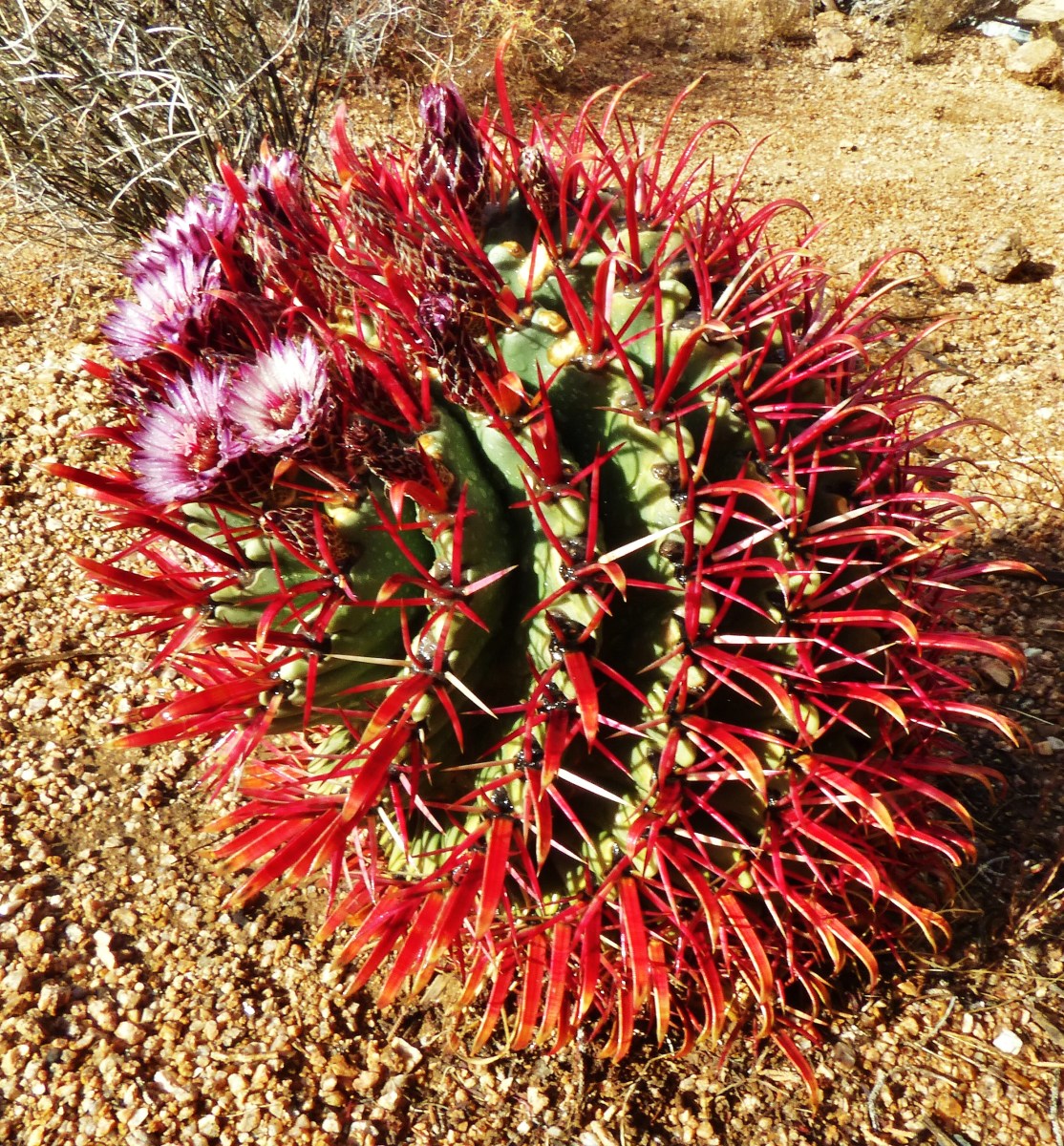
Rising from the cracked earth like a medieval knight in full regalia, the Ferocactus commands attention with its barrel-shaped silhouette and a crown of razor-sharp spines. These aren’t mere decorations—they are a cactus’s first line of defense, a deterrent so potent that even the most determined herbivore hesitates. Each spine is a microcosm of evolutionary ingenuity: curved, barbed, and angled to inflict maximum discomfort upon any creature foolish enough to graze too close. Yet, beneath this formidable exterior lies a core of surprising gentleness—a succulent flesh that stores water like liquid gold, sustaining life in the most inhospitable of landscapes.
What makes the Ferocactus truly remarkable is its duality. It is both fortress and fountain, a spiny sentinel that shields its vital reserves with uncompromising ferocity while simultaneously offering sustenance to creatures in need. Birds nest in its protective embrace, insects shelter within its ribs, and even the occasional desert rodent finds refuge from the scorching sun. In this way, the Ferocactus transcends its role as a mere plant—it becomes an ecosystem unto itself, a microhabitat that nurtures life even as it repels threats.
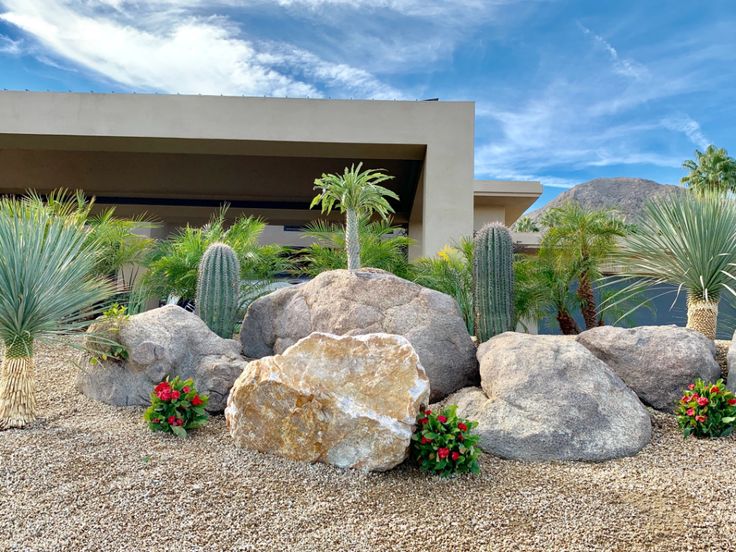
The Ferocactus: A living paradox of defense and hospitality, its spines a shield against the desert’s relentless hunger.
The Spine as Symbol: Armor, Aspiration, and the Art of Boundaries
To study the Ferocactus is to study the language of spines—a dialect of defense that speaks volumes about the art of survival. In many cultures, thorns and spines have long symbolized protection, warning, and the necessity of boundaries. The Ferocactus takes this symbolism to a grand scale, its spines not just a physical barrier but a philosophical statement: “Touch me at your peril.” Yet, this warning is not born of malice. It is a declaration of self-preservation, a reminder that even the most giving of beings must sometimes say no to survive.
In the realm of metaphor, the Ferocactus spine can represent the boundaries we set in our own lives—those necessary fences that keep us from being drained by the demands of others. It teaches us that strength is not found in endless openness but in the wisdom to protect what is precious. The spine, then, becomes a teacher: a reminder that love and defense are not mutually exclusive, but rather two sides of the same coin. To love deeply is to sometimes say no, to shield what matters most from the gnawing jaws of the world.
Water as Life: The Ferocactus and the Alchemy of Survival
The desert is a place of extremes, where the sun’s wrath can scorch the earth and the night’s chill can freeze the unwary. In this crucible, water is not just a resource—it is the elixir of life. The Ferocactus understands this better than most. Its ribbed, barrel-like body is a masterclass in water storage, a biological reservoir that can hold gallons of precious moisture, even in the driest of seasons. This is no accident of evolution; it is a triumph of adaptation, a testament to the cactus’s ability to turn scarcity into abundance.
Metaphorically, the Ferocactus’s relationship with water mirrors our own struggles with resilience. In times of drought—whether literal or emotional—we must learn to store what we can, to conserve our energy, and to trust that the rains will come again. The Ferocactus does not waste a drop. It does not panic. It simply waits, its spines gleaming in the sun, its body full of promise. This is the essence of endurance: the quiet confidence that comes from knowing you are prepared, even when the world seems barren.
The Ferocactus in Myth and Modernity: From Guardian to Icon
Though the Ferocactus may not appear in the ancient myths of gods and heroes, its spirit is woven into the fabric of desert lore. Indigenous cultures of the Americas have long revered cacti as symbols of strength, endurance, and the cyclical nature of life. The Ferocactus, with its imposing presence and life-giving properties, is no exception. It is often seen as a guardian of the land, a silent witness to the passage of time and the ebb and flow of desert life.
In modern times, the Ferocactus has transcended its botanical roots to become an icon of resilience and adaptability. Its striking silhouette adorns art, architecture, and even corporate logos, a testament to its enduring appeal. Yet, its symbolism remains rooted in the earth. It is a reminder that strength is not always loud or flashy—sometimes, it is quiet, unyielding, and deeply rooted in the soil of our being.

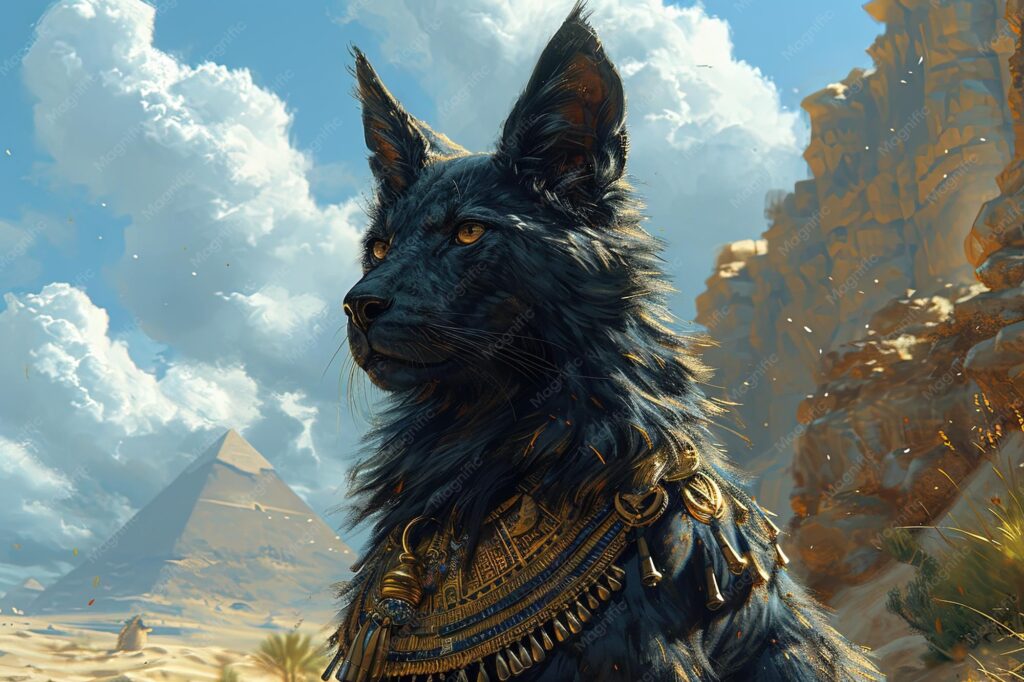
An ancient echo of the Ferocactus’s symbolism: the jackal, a guardian of thresholds, mirrors the cactus’s role as a protector of life’s vital reserves.
Cultivating the Ferocactus Spirit: Lessons from the Desert
What can we learn from the Ferocactus? The answer lies not in its spines, but in its soul. This cactus teaches us that protection is not a weakness—it is a necessity. It shows us that boundaries are not barriers, but the very foundation of healthy relationships. It reminds us that endurance is not about enduring pain, but about thriving despite it, storing up resilience like water in a barrel, ready for the dry seasons ahead.
To cultivate the Ferocactus spirit is to embrace a philosophy of quiet strength. It is to recognize that we, too, are both fortress and fountain—capable of shielding what matters most while still offering nourishment to those around us. It is to understand that our spines, like those of the Ferocactus, are not meant to harm, but to protect. And in doing so, we become not just survivors, but guardians of our own lives and the lives of others.
The desert does not apologize for its harshness. Neither does the Ferocactus. It simply stands, a sentinel of the sun, a testament to the power of resilience. And in its silent, spined presence, it offers us a challenge: to be as fierce in our protection as it is in its own, and as generous in our giving as it is in its endurance.
FAQ
What is the primary defense mechanism of the Ferocactus?
The Ferocactus uses its hooked, barbed spines as a physical defense to deter herbivores and protect its water reserves.
How does the Ferocactus symbolize personal boundaries?
Its spines represent the necessity of setting limits to protect oneself, teaching that strength often involves saying no.
Why is water storage important for the Ferocactus?
Water storage allows the Ferocactus to survive long dry periods in the desert by conserving precious moisture.
Leave a Reply