
Short Answer
In many landscapes, cacti can evoke a rugged beauty, transforming mundane gardens into vibrant displays of resilience and adaptation. However, when these spiny succulents proliferate beyond their intended bounds, they can quickly become unwelcome guests. The task of cactus removal may initially seem daunting, yet with the right approach and knowledge, you can effectively reclaim your yard. This article presents a myriad of methods to address unwanted cactus growth, ensuring you can cultivate a harmonious outdoor environment.
Understanding the Cacti Family
Before diving into the removal techniques, it is crucial to understand the various types of cacti that might inhabit your yard. Cacti belong to the family Cactaceae and are characterized by their thick, fleshy tissues, specialized spine structures, and incredible adaptations to arid climates. Common species found in residential areas include the prickly pear, saguaro, and barrel cactus. Each type has its unique growth habits and root systems, which can influence the removal strategy. Knowledge of the particular species in your yard can aid significantly in developing effective eradication tactics.
The Implications of Uncontrolled Growth
While cacti are often celebrated for their low maintenance and drought-resistant qualities, their unrestrained proliferation can lead to ecological imbalances. When cacti encroach on grassy areas or crowded flower beds, they can compete aggressively for nutrients and space, stifling the growth of surrounding plants. Furthermore, the spines of many cacti can pose a physical hazard to children and pets, leading to injuries. Therefore, understanding the need for controlled cacti management is imperative for maintaining the balance within your garden terrain.
Effective Methods for Cactus Removal
Identifying the appropriate method for cactus removal hinges on the extent of growth and your personal comfort level with physical labor. Here are several techniques that cater to varying preferences and situations.
Manual Extraction: The Tried-and-True Method
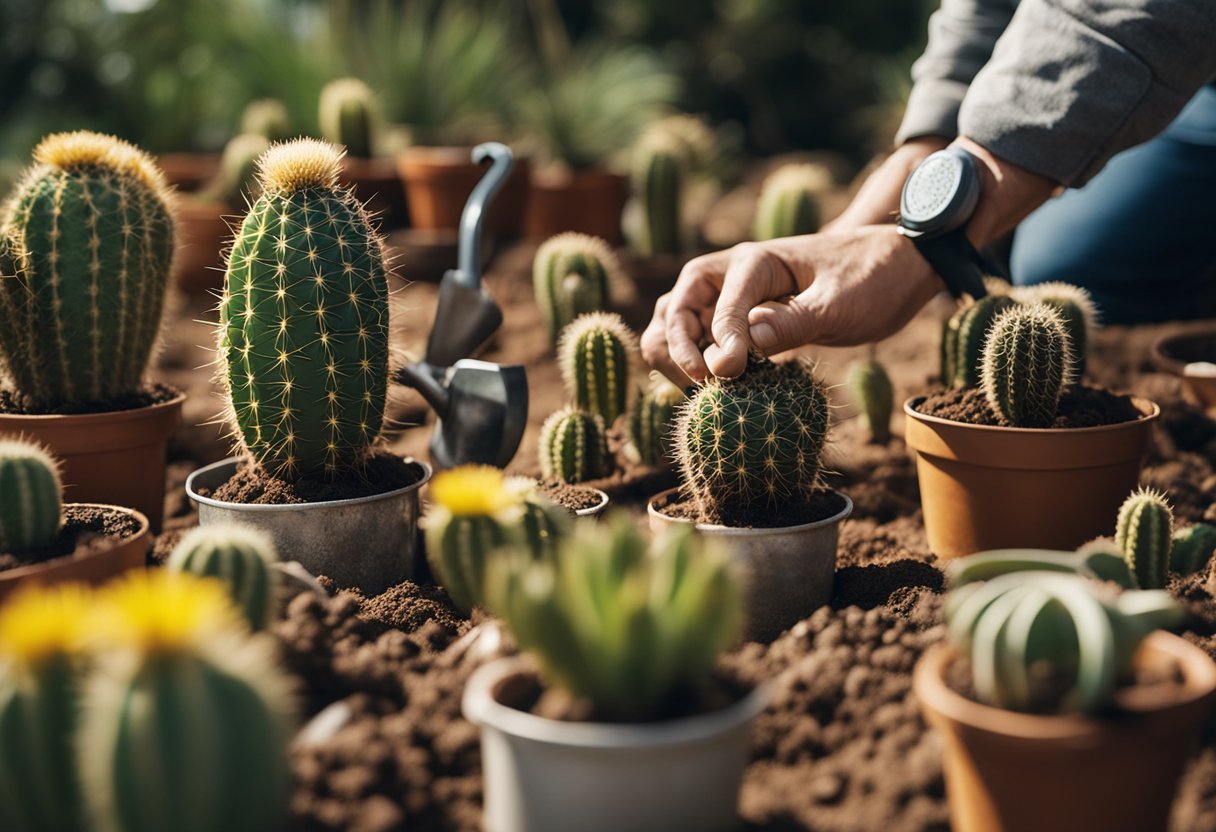
For those who appreciate hands-on gardening, manual extraction is a straightforward yet labor-intensive method. This involves uprooting the cactus entirely from the ground. Begin by donning thick gloves and protective clothing to guard against sharp spines. Using a spade or shovel, dig around the base of the cactus to delineate its root structure. Carefully prying the cactus from its sandy or rocky soil may require some effort, particularly with larger species. This method may guarantee that you remove the entire root system, preventing regrowth.
Herbicide Application: A Chemical Solution
If manual removal seems overwhelming or if the cactus is particularly entrenched, consider the application of herbicides. Look for products explicitly designed to target succulents, ensuring minimal collateral damage to neighboring flora. Spraying a systemic herbicide on the cactus will allow the chemical to travel through the vascular system, effectively killing the plant from the inside out. Timing is crucial; apply herbicides during the growing season for the best results. Ensure that you follow the product’s instructions meticulously to achieve effective removal.
Solarization: Harnessing the Power of the Sun
Employing solarization is a less conventional but highly effective method to eliminate cactus plants without harsh chemicals. This technique involves covering the cactus and a surrounding area with clear plastic for several weeks. By trapping heat from the sun, the elevated temperatures can destroy both the plant and its root structure. The ideal conditions for solarization occur during the warmest months when sunlight is abundant. This method is particularly beneficial for those who prefer an eco-friendly approach to yard maintenance.
Preparation for Replanting: A Crucial Step
After successfully removing unwanted cacti, it is essential to prepare the area for future planting. Begin by thoroughly cleaning the site; remove any residual root fragments to prevent a resurgence of growth. Next, amend the soil with organic compost to enrich it and improve drainage. This will create a fertile environment for new plants, ensuring your yard flourishes once again.
What to Plant After Cactus Removal
Having eradicated the cactus population in your yard, considering suitable replacement plants will aid in preventing future invasions. Opt for broadleaf or flowering plants that thrive in your climate and complement the local ecosystem. Native species are often excellent choices as they are adapted to the region’s weather patterns and environments, promoting a balanced and sustainable garden.
Maintaining Vigilance: Ongoing Care and Monitoring
The journey doesn’t end with removal; vigilance is key. Regularly inspect your landscaping for any signs of potential regrowth or new cactus spread. By promptly addressing any emerging shoots, you can ensure your yard remains a sanctuary devoid of unwanted cacti. Integrating other maintenance practices, such as mulching and correct watering techniques, will also help inhibit further growth.
Conclusion
Successfully managing unwanted cacti in your yard, whether through manual extraction, chemical applications, or solarization, can transform your landscape. Each removal method comes with unique benefits, catering to different preferences and levels of comfort. By fostering an understanding of the ecological consequences of uncontrolled cactus growth, alongside diligent maintenance, you can cultivate a garden space that is both engaging and aesthetically pleasing.
FAQ
What is the safest way to remove cactus from my yard?
Manual extraction with thick gloves and protective clothing is the safest method, as it avoids chemicals and allows complete root removal.
Can I use herbicides to kill cactus plants?
Yes, systemic herbicides designed for succulents can be used, but they must be applied carefully following product instructions to avoid harming other plants.
What is solarization and how does it help remove cactus?
Solarization involves covering the cactus with clear plastic to trap heat from the sun, raising soil temperature to kill the cactus and its roots naturally.
What should I plant after removing cacti from my yard?
Planting native broadleaf or flowering plants adapted to your climate helps prevent cactus regrowth and maintains ecological balance.
How can I prevent cacti from growing back after removal?
Regular monitoring for new shoots, removing root fragments, and using proper garden maintenance techniques like mulching and watering help prevent regrowth.

Leave a Reply