
Short Answer
Ever stared at a cluster of plump, spiky cacti and wondered, “How on earth did these tiny green rebels multiply like this?” If so, you’re not alone. The secret? Offsets—those adorable baby cacti that sprout from the base of their parent like tiny, thorny sidekicks. Propagating cacti from offsets is like adopting a miniature version of your favorite desert plant, and the best part? It’s easier than convincing a cat to sit still for a photo. But before you dive in, let’s unravel the mysteries of this prickly propagation process—because even the toughest plants need a little TLC.
The Art of Offset Identification: Spotting Your Tiny Thorny Heirs
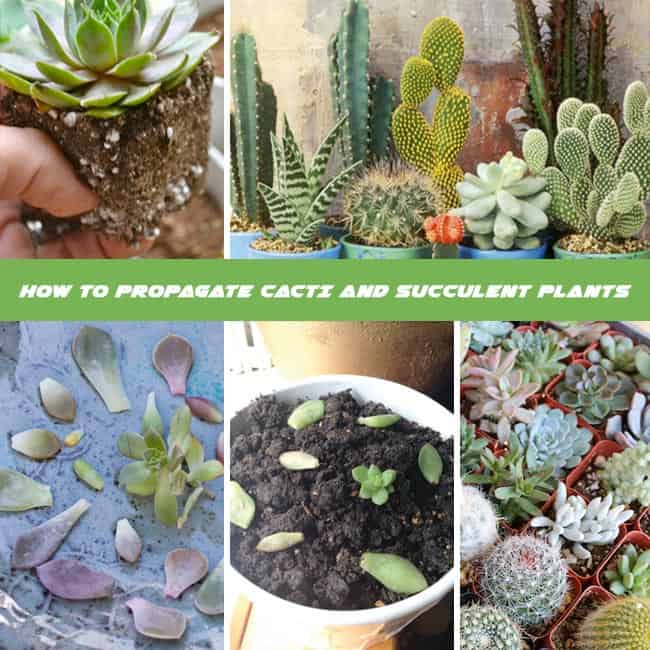
Not all cacti are prolific offset producers, but those that do are like the plant world’s version of a boomerang—they keep coming back. Look for small, rounded growths at the base of the parent plant. These offsets, often called “pups,” can range from the size of a pea to nearly half the size of the mother cactus. Some species, like the Echeveria or Haworthia, practically shower their pots with offspring, while others, like the Saguaro, take their sweet time. Pro tip: If your cactus looks like it’s wearing a skirt of tiny clones, you’ve hit the offset jackpot.
But here’s the catch—some offsets are sneaky. They might hide beneath the soil or cling tightly to the parent, playing hard to get. Gently brush away the topsoil or use a soft brush to reveal any shy pups. And remember, patience is key. If an offset isn’t ready to detach, forcing it could harm both the parent and the baby. Think of it like a plant-based game of “Red Rover”—wait for the right moment to pull away.
Gearing Up: Tools for the Thorny Task Ahead
Propagating cacti isn’t a bare-handed endeavor. You wouldn’t perform surgery with a butter knife, and you shouldn’t propagate cacti with just your fingers. Arm yourself with a few essentials: a pair of sterilized tweezers or a clean knife (a butter knife will do in a pinch, but don’t tell the cacti we said that), a shallow tray or pot, and well-draining soil. A pair of gardening gloves is optional but highly recommended—unless you fancy the idea of a cactus hug that leaves you with a handful of spines.
Sterilization is non-negotiable. Bacteria and fungi are the arch-nemeses of healthy propagation. Dip your tools in rubbing alcohol or a bleach solution (1 part bleach to 9 parts water) before and after use. And while we’re on the topic of cleanliness, resist the urge to reuse soil. Fresh, gritty mix is the way to go—think of it as upgrading from a dirt road to a superhighway for your cactus’s roots.
The Great Detachment: Separating Pups from Their Parent
This is where things get exciting—and a little nerve-wracking. You’re about to perform a plant-based separation anxiety test. The goal? To remove the offset without causing trauma to either party. If the pup is already loose or wiggles free with a gentle tug, consider yourself lucky. If it’s stubborn, use your sterilized knife or tweezers to carefully slice it away. Aim for a clean cut, leaving a tiny bit of the stem attached to the pup if possible. This “wound” will callus over, forming a protective layer that prevents rot.
Now, here’s where the plot thickens: some offsets are attached by a delicate thread of tissue, while others are fused like conjoined twins. If the pup resists, don’t yank—it’s not a game of tug-of-war. Instead, wiggle it gently or use your tool to tease it free. And if the parent cactus protests with a sad, droopy appearance afterward? Don’t panic. It’s just taking a breather. Cacti are resilient, but they do appreciate a moment to recover.
Callusing: The Unsung Hero of Propagation
Before your freshly detached pup can embark on its solo journey, it needs to heal. This process, called callusing, is like a plant’s version of a scab—it protects the wound from infection and rot. Place your offset in a dry, shaded spot for 1-3 days. You’re not abandoning it; you’re giving it time to toughen up. A callused pup should look slightly dried at the base, with a firm texture. If it feels mushy or smells funky, it’s time to start over (or at least diagnose the issue).
This waiting period is the perfect time to daydream about your future cactus empire. Imagine rows of identical, spiky clones stretching into the horizon. Or perhaps a single, majestic specimen gracing your windowsill. The possibilities are endless—but first, the pup must dry. Patience, dear propagator. The desert doesn’t bloom overnight.
Potting Up: Creating a Cozy Cradle for Your Cactus Baby
Now comes the fun part: planting your callused pup. Choose a pot with drainage holes—cacti despise soggy feet like we despise Mondays. Fill it with a well-draining mix, like a blend of cactus soil and perlite or pumice. The ratio should be roughly 2:1 soil to grit. Dig a small hole, nestle the pup inside, and pat the soil gently around its base. Resist the urge to water immediately. Your cactus is a desert dweller at heart; it thrives on neglect (well, selective neglect).
Place the pot in bright, indirect light. Direct sunlight can be a harsh mistress, especially for a baby cactus. A south-facing window is ideal, but if your home is more “cave” than “sunroom,” a grow light will do the trick. And here’s a pro tip: label your pot. Trust me, in a few months, you won’t remember which pup is which. A simple tag with the date and species name saves future-you from a crisis of identity.
The Waiting Game: Nurturing Your Cactus Through Its Teen Years
In the world of cacti, patience isn’t just a virtue—it’s a lifestyle. Your newly potted pup won’t shoot up like a bean sprout overnight. In fact, it might take weeks or even months to show signs of new growth. During this time, resist the urge to overwater. A cactus’s roots are like its personality: they prefer to stay dry. Water only when the soil is completely dry to the touch, and always from the bottom to avoid soaking the stem.
As your pup matures, you’ll notice subtle changes—a slight plumping of the leaves, a hint of new spines. These are the early signs of a thriving cactus. And if, after months of TLC, your plant still looks like it’s stuck in a growth slump? Don’t fret. Some cacti are late bloomers, both literally and figuratively. Keep the faith, and your patience will be rewarded.
Troubleshooting: When Your Cactus Throws a Tantrum
Even the most meticulous propagators encounter hiccups. If your pup’s base turns mushy or black, it’s a classic case of rot—usually from too much moisture. Don’t despair. Trim away the affected tissue with sterilized scissors, let it callus again, and replant in fresh soil. If the rot has spread to the parent cactus, it might be time to say goodbye to that particular plant. But hey, at least you learned something, right?
Another common issue? Etiolation—when your cactus stretches out like it’s trying to escape a horror movie. This happens when it’s not getting enough light. Move it closer to a window or invest in a grow light. And if your cactus suddenly sprouts a weird, hairy growth? Congratulations, you’ve got a Mammillaria in the making. Hairy cacti are the divas of the succulent world, but they’re undeniably charming.
The Reward: A Thriving Cactus Family
Months from now, when your once-tiny pup has grown into a robust, spiky adult, you’ll look back on this process with pride. You didn’t just propagate a cactus—you nurtured life from a tiny fragment of another. And the best part? You can do it again. And again. And again. Soon, your home will be a veritable cactus jungle, a testament to your green-thumbed prowess.
So, the next time you see a cactus with a skirt of offsets, don’t just admire it—claim it. With a little care, those tiny pups will grow into a legacy of prickly perfection. And who knows? Maybe one day, you’ll pass a cutting to a friend, and they’ll pass it to theirs, creating a chain of cactus love that spans generations. Now that’s what we call propagating feminism—one spiky revolution at a time.
FAQ
What are cactus offsets?
Offsets are small cacti that grow at the base of the parent cactus, also known as pups.
How long does it take for a cactus pup to grow?
It can take weeks to months for a cactus pup to show new growth.
What should I do if my cactus is rotting?
Trim the affected tissue, let it callus, and replant in fresh soil.



Leave a Reply