
Short Answer
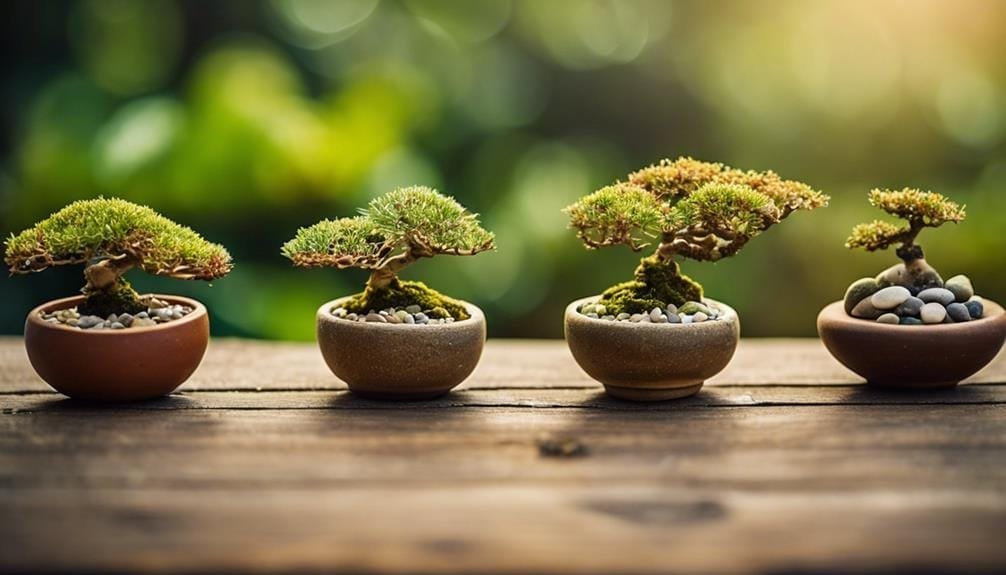
Have you ever wondered if the stark, spiny elegance of an Astrophytum cactus could seamlessly meld with the intricate artistry of bonsai? At first glance, these desert dwellers may seem like unlikely candidates for miniature garden masterpieces. After all, bonsai traditionally embraces verdant foliage and flowing branches, while Astrophytum thrives in arid simplicity and sculptural solitude. But therein lies an exhilarating challenge: can the austere beauty of an Astrophytum be transformed into a captivating bonsai creation that whispers stories of resilience and delicate grandeur? Let’s embark on this fascinating journey of melding desert grit with bonsai finesse to explore “Astrophytum in Bonsai: Creative Miniature Gardens.”
The Allure of Astrophytum: Sculptural Grace in Miniature
Astrophytum, frequently celebrated for its star-shaped ribs and cryptic, speckled patterns, is a marvel in the succulent world. Unlike typical bonsai specimens rich with arching branches and delicate leaves, Astrophytum’s geometry is its poetry—a symphony of symmetry punctuated by sparse, tender spines. This cactus doesn’t just grow; it architects minimalistic sculptures that capture the austere spirit of desert landscapes in miniature form.
Integrating Astrophytum into bonsai cultivates an entirely new aesthetic paradigm. Its smooth epidermis, often dotted with trichomes that give a woolly or freckled appearance, exudes a tactile charm that contrasts with the rough textures of bonsai pots and gnarled driftwood. The challenge—and delight—is to showcase this unique form without overwhelming its simplicity, creating an exquisite balance between negative space and sculptural presence.
Selecting the Perfect Pot: The Stage for an Astrophytum Bonsai
Choosing the vessel to cradle your Astrophytum bonsai is tantamount to setting a stage for a silent performance. A shallow, understated bonsai pot often delivers the best visual harmony. Its crucial role is not only aesthetic but also functional—drainage, root space, and moisture regulation come into sharp focus. Selecting pots with minimalist lines or earthy textures embraces the stark nature of the cactus, heightening its presence rather than overshadowing it.
The subtleties in tone and glaze of the pot must converse with the cactus’s hue and texture. A muted terracotta or a matte stoneware finish can magnify the plant’s pale green or bluish body, while cool-toned ceramics may enhance the soft white flecks of the Astrophytum’s skin. The right pot will anchor this desert beauty firmly in the language of bonsai artistry.
Design Philosophy: Melding Cactus and Bonsai Principles
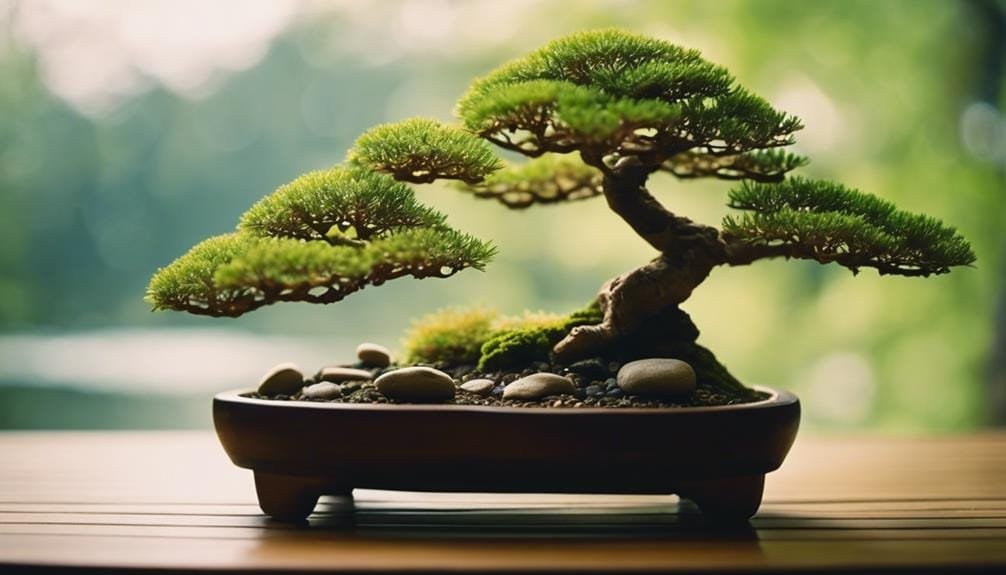
Crafting an Astrophytum bonsai is a study in juxtaposition. Traditional bonsai emphasizes growth manipulation—wiring branches, pruning leaves, and coaxing roots. Astrophytum, with its slow growth and rigid structure, invites a more patient, contemplative approach. This calls for a design philosophy steeped in restraint and reverence for natural form.
One might wonder: how does one “sculpt” such a cactus into bonsai form? The answer lies less in aggressive shaping and more in creative composition. Pairing the cactus with textured substrates, miniature complementary flora, and artfully arranged stones evocatively suggests a desert tableau. The voids around the cactus become as meaningful as the plant itself, inviting the observer’s imagination to traverse this tiny arid realm.
Care Considerations: Nurturing Resilience in a Miniature Landscape
The care of Astrophytum in bonsai culture harmonizes with its desert origins yet introduces nuances typical of container gardening. Optimal light exposure is paramount; bright, indirect sunlight mimics the cactus’s native environs, encouraging its characteristic star-shaped ribs to radiate with vigor. Avoiding intense midday sun prevents scarring and sunburn.
Watering is a delicate ritual. Overzealous moisture threatens root rot, while drought stresses growth. Astrophytum thrives under a regimen of meticulous irrigation—sufficient to sustain, yet sparing to preserve the plant’s innate hardiness. The bonsai pot’s drainage quality must never be compromised, emphasizing the need for well-aerated soil that balances moisture retention with rapid drying.
Nutrition should be minimal yet consistent. Light feeding during the growing season with diluted succulent fertilizer supports healthy development without overwhelming the succulent physiology of the cactus. Observing subtle changes in skin color or softness can guide feeding frequency.
Creative Miniature Garden Ideas with Astrophytum Bonsai
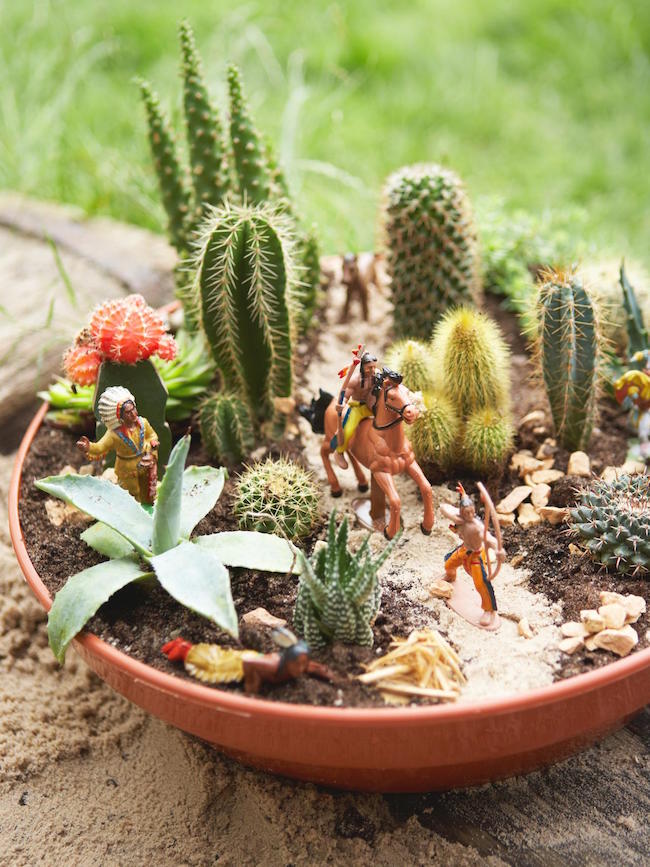
Incorporating Astrophytum into a miniature garden setting elevates the artistic narrative beyond a solitary plant. Imagine juxtaposing the cactus with small junipers or mosses, crafting a micro-ecosystem that celebrates diverse textures and tones. Driftwood fragments echo the desert’s ancient resilience, while pebbles and coarse sand simulate windswept terrain.

Exploring seasonal contrasts enhances the narrative further. In cooler months, the Astrophytum’s form becomes an emblem of endurance, while summer’s light imbues it with vibrant vitality. Seasonal adornments, such as delicate blossoms from companion plants or dynamically shifting shadows, add layers of depth to this evolving tableau.
Challenges and Triumphs: Embracing the Art of Minimalism
The journey of cultivating an Astrophytum bonsai is not without its hurdles. Slow growth patience can test even the most dedicated gardener. It demands an intimate understanding of both cactus biology and bonsai aesthetics. Unlike leafy bonsais where one can shape rapidly, Astrophytum requires a deep, almost meditative engagement—studying the interplay of light, shadow, and form over extended periods.
Yet, the triumphs are resounding. Successfully merging the ancient desert lore of Astrophytum with bonsai’s cultural heritage produces a living sculpture that is at once stark and poetic. It teaches patience, precision, and the beauty of understatement—capturing an ecosystem’s soul in the confines of a small pot.
In the end, Astrophytum bonsai challenges us to reconsider convention and reimagine miniature gardening’s boundaries. It compels us to ask: Can the desert’s silent resilience find voice in the bonsai tradition? Indeed, it can, in exquisite, starry form.
FAQ
What is Astrophytum?
Astrophytum is a genus of cacti known for their unique star-shaped ribs and speckled patterns, making them popular in both gardening and bonsai.
How do I care for an Astrophytum bonsai?
Astrophytum bonsai requires bright, indirect sunlight, careful watering to avoid root rot, and light feeding during the growing season.
What type of pot is best for Astrophytum bonsai?
A shallow, understated bonsai pot that allows for proper drainage and complements the cactus’s appearance is ideal.



Leave a Reply