
Short Answer
Few cacti captivate the hobbyist quite like Thelocactus. Their striking ribs and enigmatic spines evoke a sense of ancient resilience, hinting at stories whispered by harsh desert winds. Repotting this fascinating genus is more than a mere horticultural task—it is an act that honors the delicate balance between preservation and growth. Understanding how to repot Thelocactus properly ensures vibrant roots and robust health, allowing these desert jewels to flourish elegantly in any collection.
Recognizing When Your Thelocactus Needs Repotting
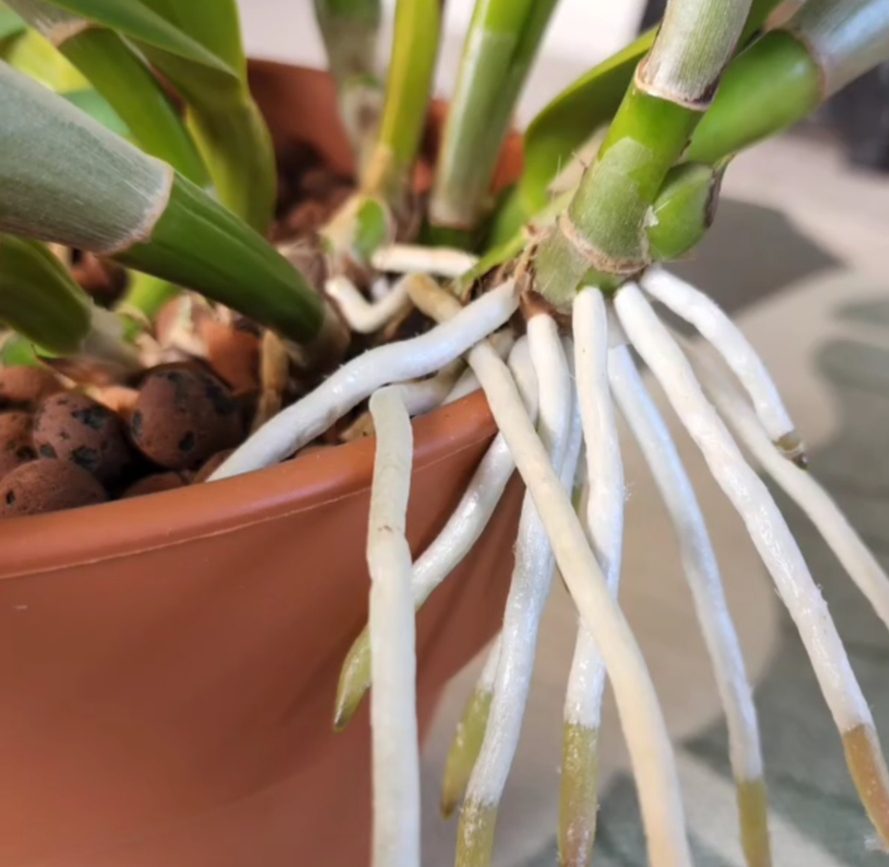
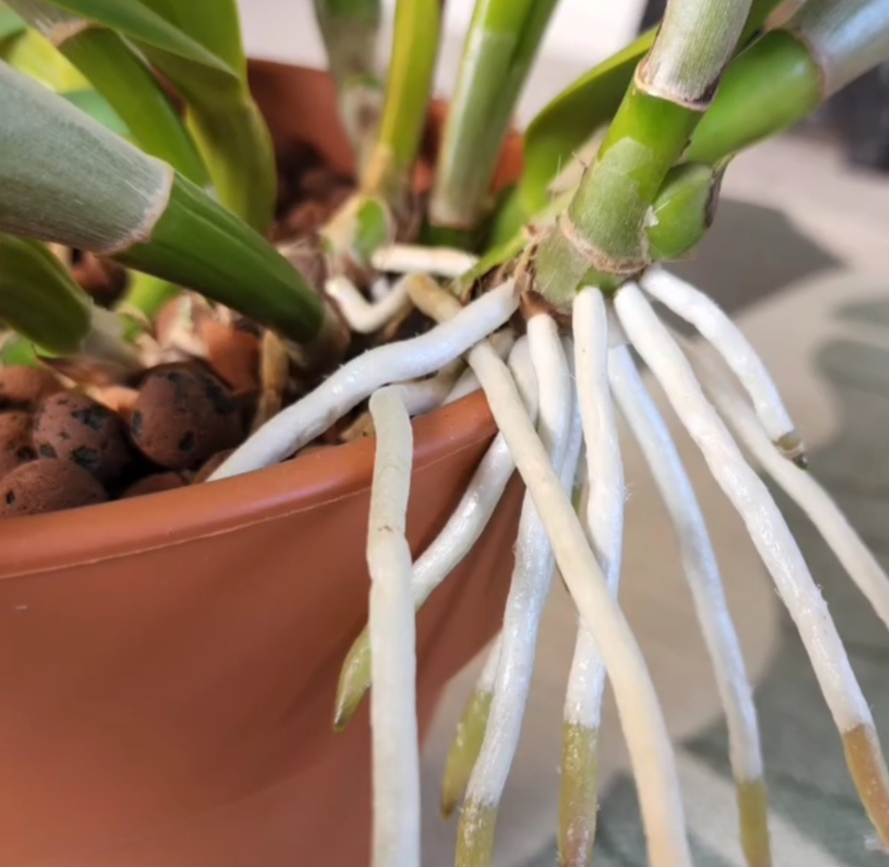
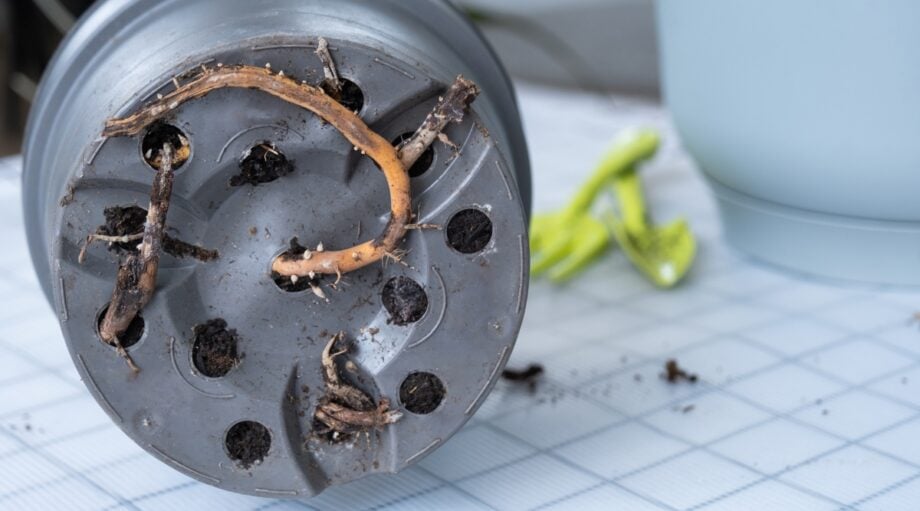
The first sign of a Thelocactus in need of repotting often lies beneath the surface. While its outward appearance might be pristine, a closer examination reveals subtle shifts in growth patterns. A common observation is the cactus becoming root-bound, with visible roots crowding through drainage holes or emerging from the substrate surface. This constriction suppresses the plant’s vigor, preventing optimal nutrient uptake. Beyond this, slower growth and discoloration of the base hint at deeper root stress that needs timely intervention.
Repotting frequency typically ranges from every two to three years, but it’s vital to avoid unnecessary disturbance. Thelocacti, with their relatively slow growth, respond best to judicious repotting that encourages healthy root expansion without causing shock.
Choosing the Ideal Soil Mix for Thelocactus
The essence of a thriving Thelocactus resides beneath the soil. Its roots demand exceptional drainage paired with aeration to prevent rot in an environment that mimics their arid homelands. A specialized substrate blend is indispensable: an amalgamation of coarse sand, pumice, and a small proportion of organic matter such as coconut coir or aged bark works wonders.
This gritty matrix replicates the cactus’s native rocky ground, allowing free oxygen movement and rapid water evacuation. Avoid heavy, moisture-retentive soils entirely—they lead to root suffocation and eventual decay. Tailoring the substrate to these criteria fosters the robust root network Thelocactus require for nutrient absorption and water storage.
Preparing Your Thelocactus for Repotting
Before touching spines or roots, visual finesse is necessary. Begin by watering the Thelocactus a few days prior to repotting, ensuring the soil has just enough moisture to loosen but not become soggy. This facilitates gentle soil removal while protecting root integrity. Employing a pair of thick gloves and a soft brush to dislodge old soil from the roots can protect delicate root hairs.
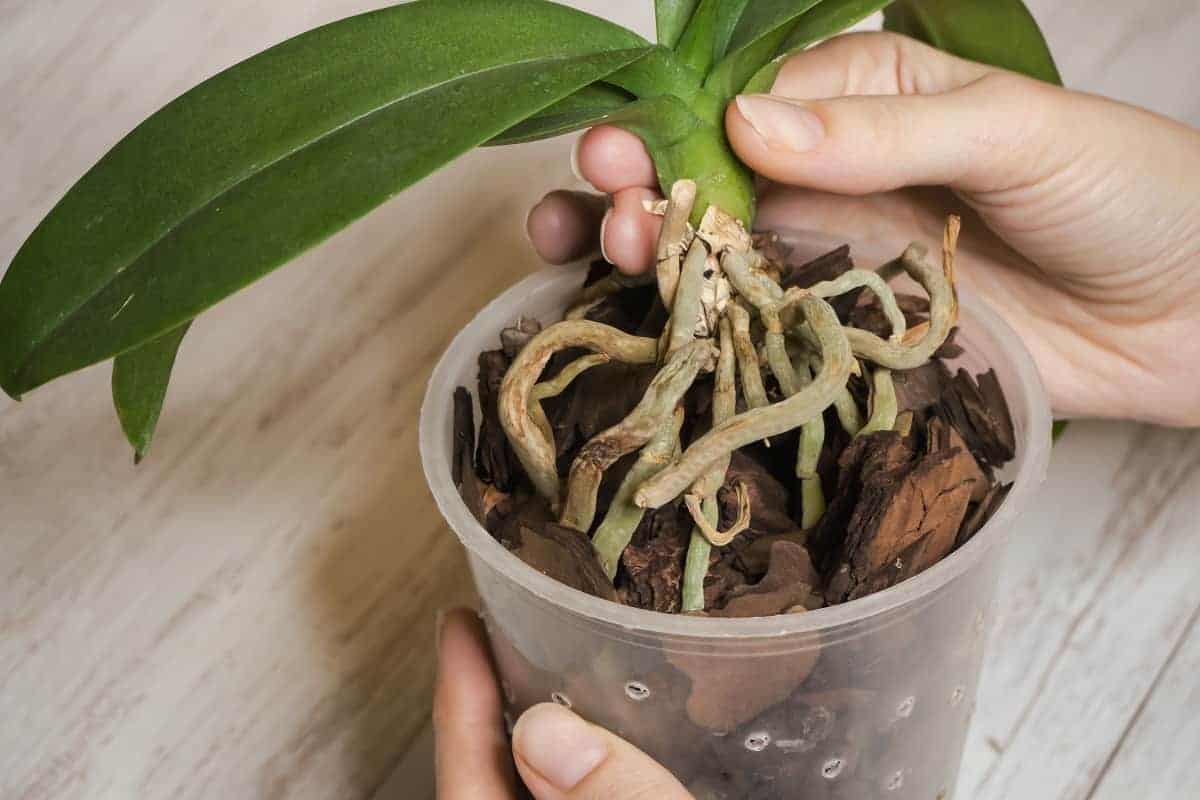
At this stage, it is also crucial to examine the root system meticulously. Trim away any unhealthy roots—blackened, mushy, or brittle portions—with sterile pruning shears, preserving only vigorous, creamy-white roots. This preemptive measure curtails the spread of diseases and readies the plant for new substrate.
Step-by-Step Guide to Repotting Your Thelocactus
Start by selecting a pot slightly larger than the current one, favoring clay or terracotta over plastic to enhance moisture regulation. Layer the bottom with gravel or broken pottery shards to further ensure drainage. Place a small mound of prepared substrate in the center to support the plant.
Remove the cactus carefully from its old pot, teasing the roots free without force. Position your Thelocactus atop the substrate mound, ensuring the root collar remains just above soil level to prevent rot. Gradually fill around the roots with the remaining soil mix, gently firming but never compacting too firmly—air pockets are allies here.
Once planted, give a light watering to settle the soil, but allow the plant to rest in a shaded area for a week before resuming normal light exposure. This recuperation period is pivotal, letting the root tips repair and re-establish nutrient flow.
Post-Repotting Care to Encourage Root Vitality
Patience and prudence reign supreme after repotting. Thelocactus roots are vulnerable and cannot tolerate excess moisture or abrupt environmental changes. Limit watering to sparse, measured doses, enabling the substrate to dry out thoroughly between sessions. Keep the plant in a warm, bright location with indirect sunlight initially to lessen stress.
Observe your cactus for signs of acclimation—new growth bursts or firmer skin indicate successful transition. Reintroduce fertilization moderately after a month, preferably with a diluted cactus-specific blend, to continue fueling root development without overwhelming a recovering system.
Common Pitfalls and How to Avoid Them
Repotting Thelocactus may seem straightforward, but common missteps can undermine success. Overwatering is the cardinal sin; too much moisture invites fungal infestations and rotting that swiftly devastate the root network. Likewise, inappropriate soil mixtures—particularly those rich in organic content—trap water and suffocate roots.
Being overly eager to repot too frequently or in adverse weather conditions can exacerbate root stress. Always repot during active growth periods—spring or early summer being ideal—to leverage the plant’s natural regenerative capacities.
The Enigmatic Fascination with Thelocactus Roots
Beyond the practicalities, there is something almost mystical about the intricate root systems of Thelocactus. These roots embody resilience and tenacity, traversing inhospitable substrata to anchor life. Enthusiasts are often mesmerized not just by the plant’s dramatic exterior but by the subtle artistry within its unseen foundations.
Each root segment tells a tale of adaptation, survival, and quiet perseverance. Caring for these roots respectfully is a silent ritual that binds caretaker and cactus alike, a reminder that profound beauty and strength reside where eye meets earth.

FAQ
How often should I repot my Thelocactus?
Typically, repotting should be done every two to three years, depending on the growth and health of the plant.
What type of soil is best for Thelocactus?
A soil mix that includes coarse sand, pumice, and a small amount of organic matter for drainage is ideal.


Leave a Reply